
-
Read 1.2K
-
0
-
Part 84
Completed, First published Mar 02, 2026
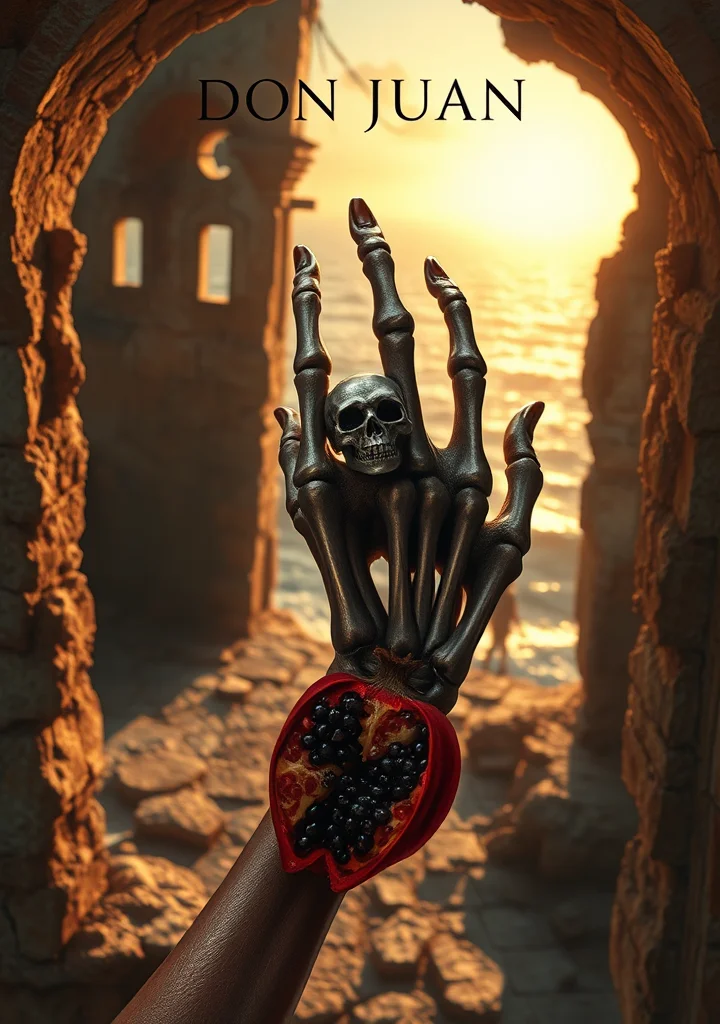
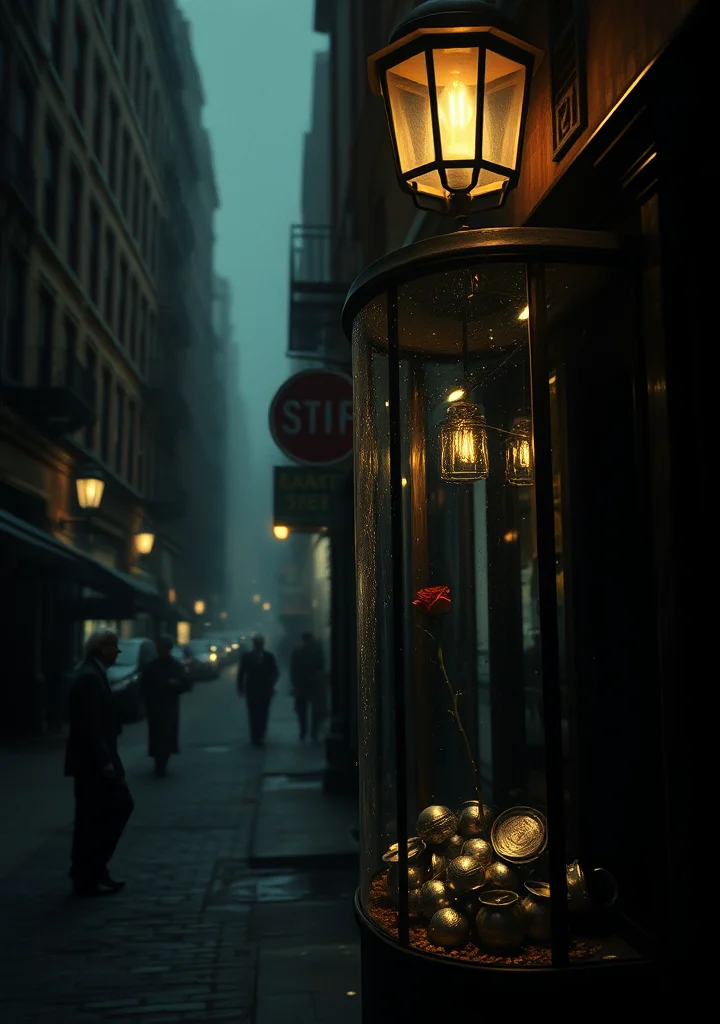
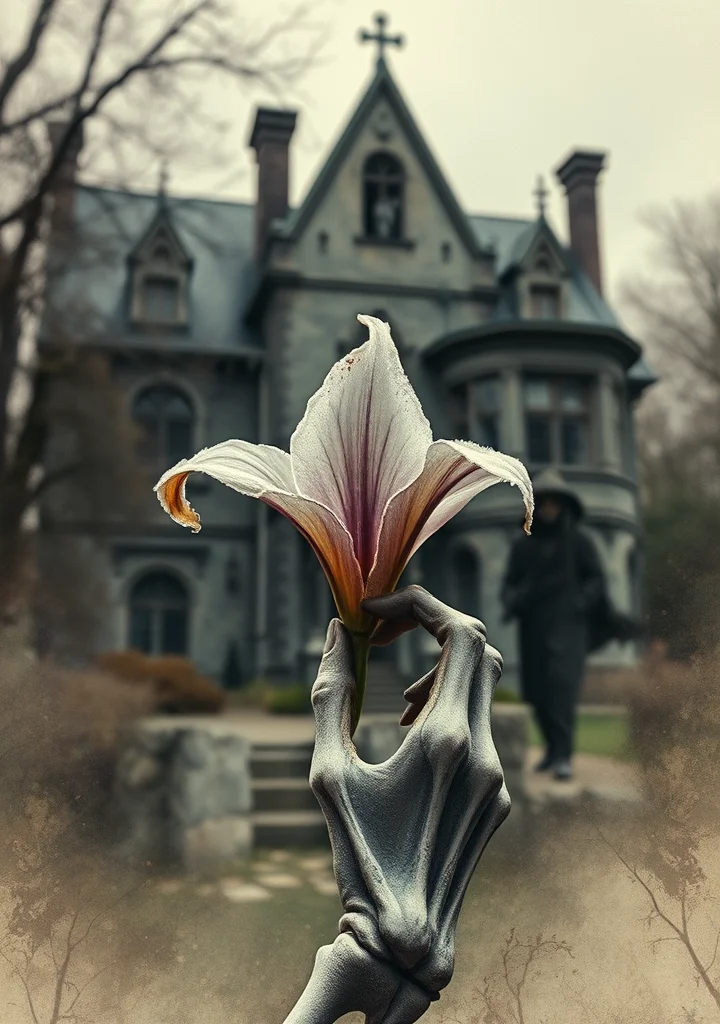
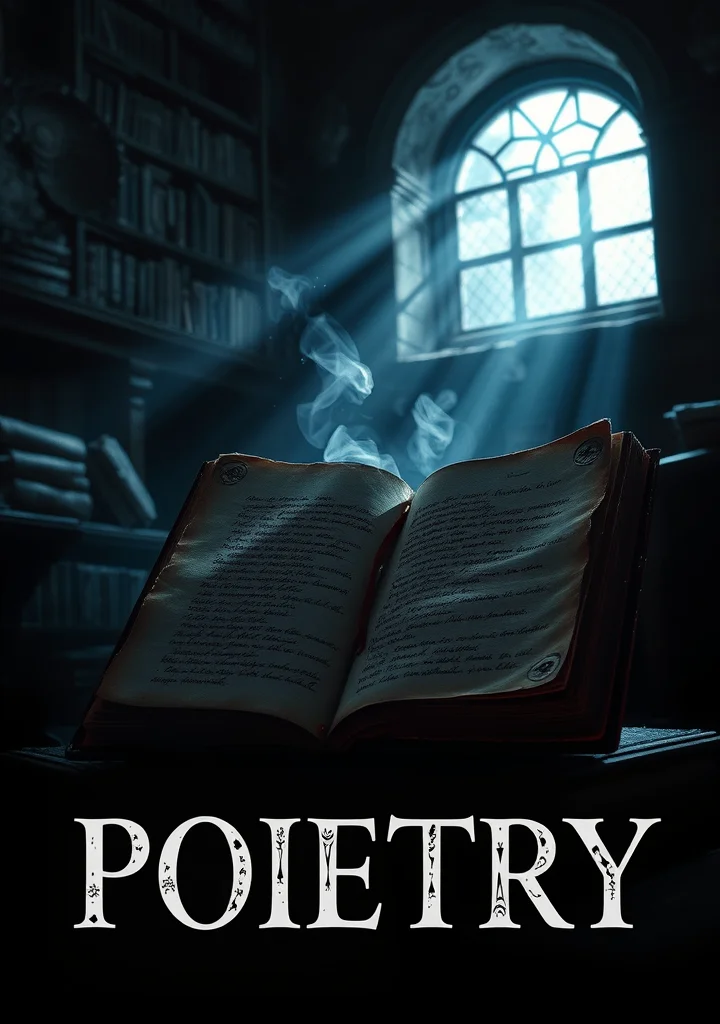
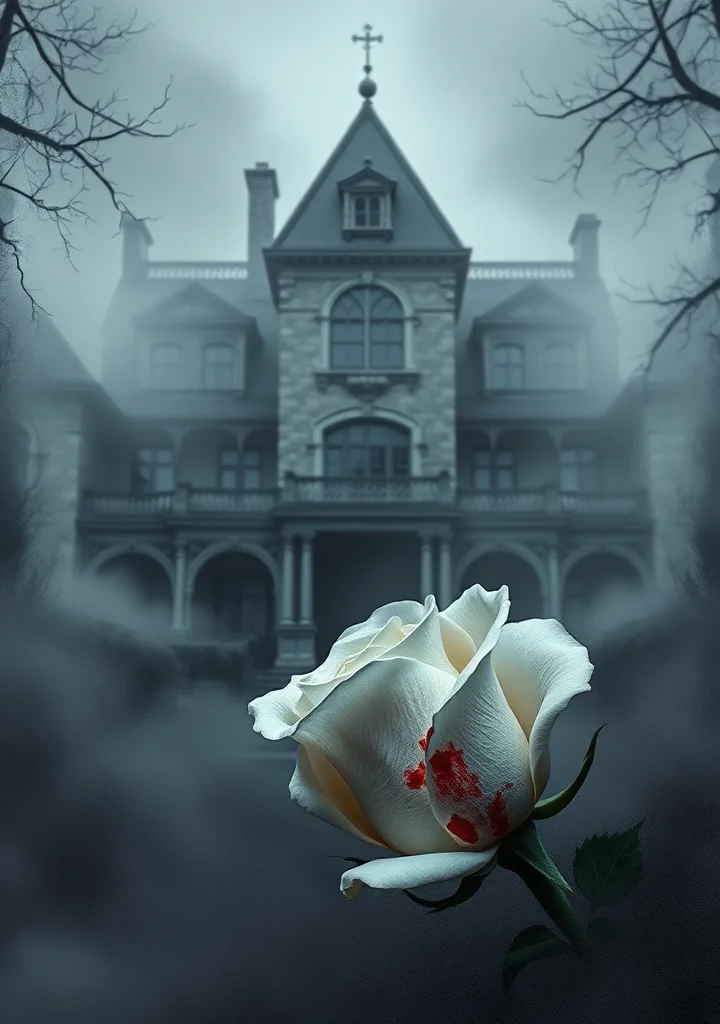
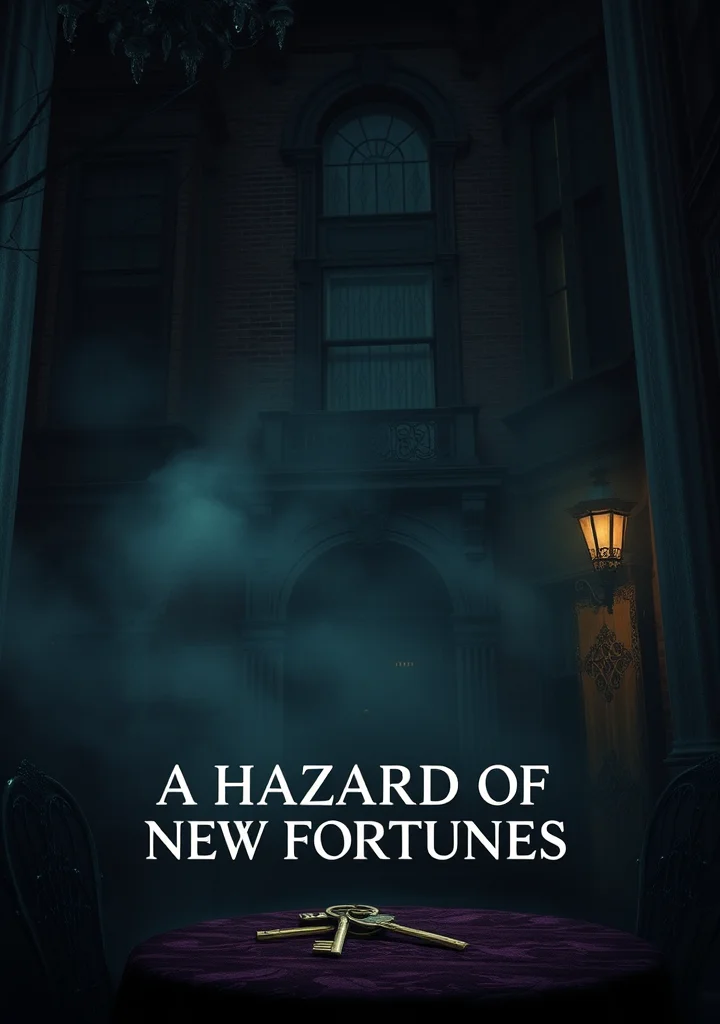
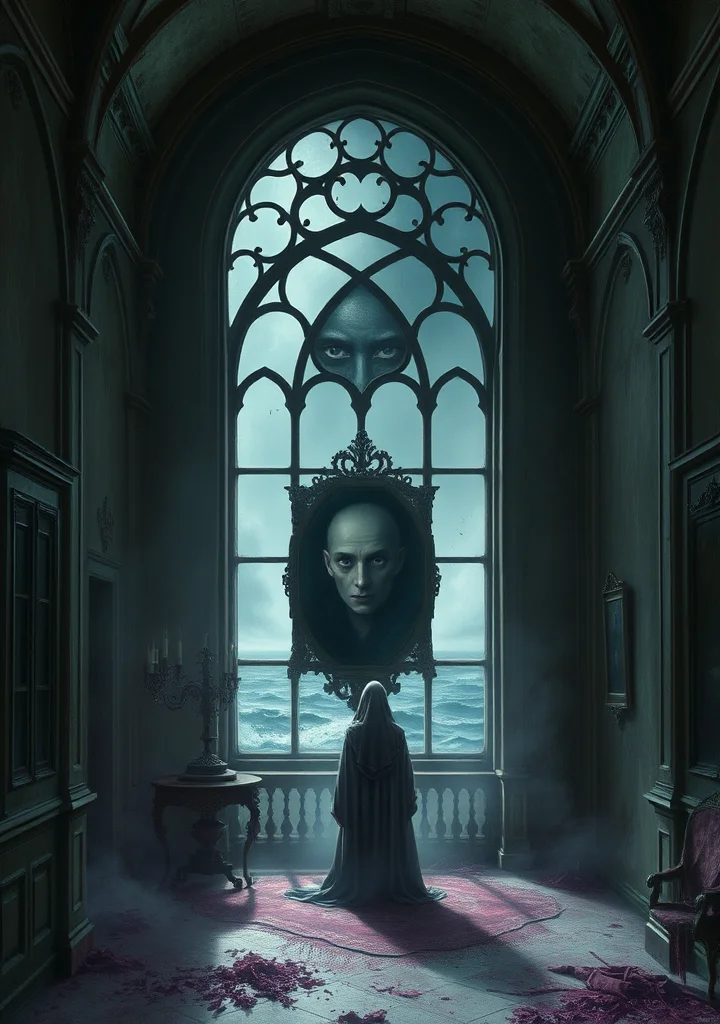
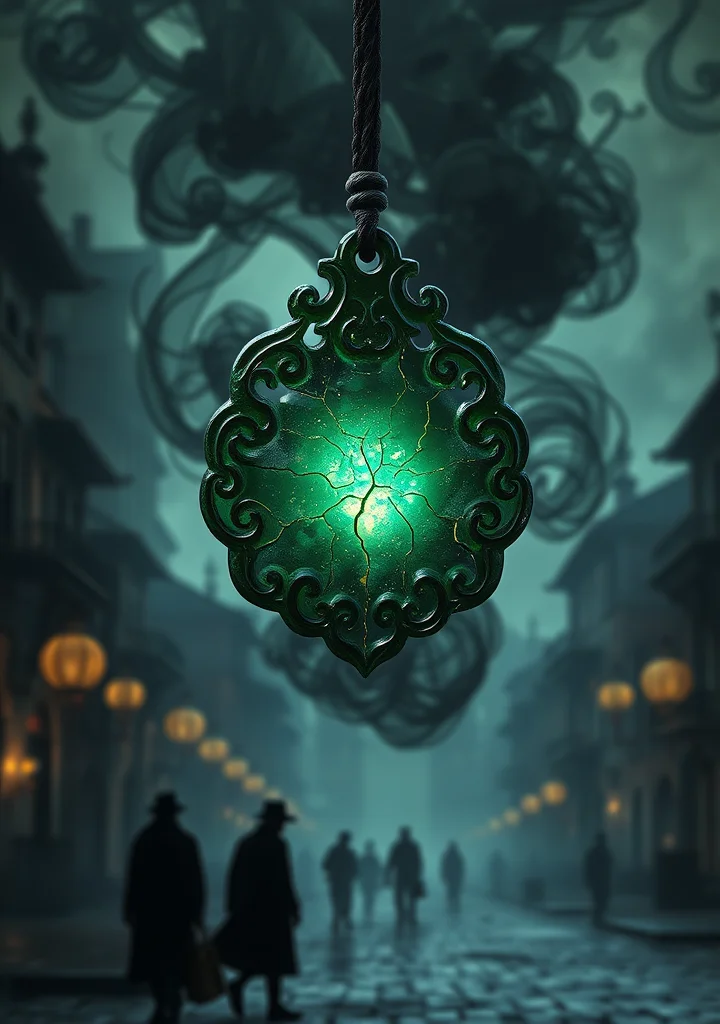
A creeping dread clings to the salt-laced air of Port Blossom, where the jade trade bleeds into the shadowed alleys and the whispers of forgotten gods. Barnitz weaves a narrative steeped in the rot of decaying wealth and the brittle elegance of obsession. Old Man Hemlock, they say, bartered his soul for the first shipment of jade to reach these shores—and now, the stones call for a reckoning. The novel unfolds through a haze of opium dreams and fevered confessions, detailing a descent into the heart of a city built on secrets. Every rain-slicked cobblestone reflects a history of drowned fortunes and broken promises. A suffocating claustrophobia permeates the grand, decaying mansions, where portraits seem to watch with hollow eyes. The jade itself pulses with a cold, unnatural energy, mirroring the icy ambition of those who seek to control it. A pervasive sense of decay—not just of structures, but of morality—infuses the prose. The narrative winds through labyrinthine passages, both literal and psychological, mirroring the fractured psyche of Silas Blackwood, a collector consumed by a single, perfect jade figurine. Barnitz doesn’t merely *tell* of darkness; he exhales it from every sentence, leaving the reader gasping for breath in a city choked by jasmine and regret. The air tastes of brine, corruption, and something ancient stirring beneath the waves.
Copyright: Public Domain
This license allows anyone to use your story for any purpose, including printing, selling, or adapting it into a film freely.
This license allows anyone to use your story for any purpose, including printing, selling, or adapting it into a film freely.
Chapter List
-
« The Book of Jade »📖 Continue Reading
-
« Chapter_3 »
-
« The Book of Jade »
-
« Prelude »
-
« PartI »
-
« Ashtoreth »
-
« Parfait Amour »
-
« Opium »
-
« Sombre Sonnet »
-
« Languor »
-
« Ennui »
-
« Litany »
-
« Harvard »
-
« Pride »
-
« Song of Golden Youth »
-
« Mais Moi Je Vis La Vie en Rouge »
-
« Louanges d’Elle »
-
« Hélas »
-
« Sonnet »
-
« Sonnet »
-
« Rondeau »
-
« Autumn Song »
-
« Ballad »
-
« Changelessness »
-
« Madonna »
-
« Poppy Song »
-
« Consolation »
-
« Liebes-Tod »
-
« I »
-
« II »
-
« Evening Song »
-
« Song of the Stars in Praise of Her »
-
« Aubade »
-
« Remember »
-
« Song »
-
« Song »
-
« Constancy »
-
« Requiem »
-
« Autumn Burial »
-
« Sonnet of Burial »
-
« Nocturne »
-
« PartII »
-
« Mad Sonnet »
-
« The House of Youth »
-
« De Profundis »
-
« Prayer »
-
« Sestettes »
-
« I »
-
« II »
-
« III »
-
« IV »
-
« V »
-
« VI »
-
« VII »
-
« VIII »
-
« Sonnet of the Instruments of Death »
-
« Truth »
-
« Hegel »
-
« Monotony »
-
« Sepulture »
-
« Miserrimus »
-
« Scorn »
-
« The Grave »
-
« Mummy »
-
« Sepulchral Life »
-
« Corpse »
-
« Mankind »
-
« The Defilers »
-
« The Grotesques »
-
« I »
-
« II »
-
« III »
-
« IV »
-
« Dead Dialogue »
-
« Fragments »
-
« I »
-
« II »
-
« III »
-
« Envoi »
-
« Postlude »
-
« Song of India »
-
« Dedication »
-
« Chapter_84 »
-
« After-Life »
84
-
« The Book of Jade »
-
« Chapter_3 »
-
« The Book of Jade »
-
« Prelude »
-
« PartI »
-
« Ashtoreth »
-
« Parfait Amour »
-
« Opium »
-
« Sombre Sonnet »
-
« Languor »
-
« Ennui »
-
« Litany »
-
« Harvard »
-
« Pride »
-
« Song of Golden Youth »
-
« Mais Moi Je Vis La Vie en Rouge »
-
« Louanges d’Elle »
-
« Hélas »
-
« Sonnet »
-
« Sonnet »
-
« Rondeau »
-
« Autumn Song »
-
« Ballad »
-
« Changelessness »
-
« Madonna »
-
« Poppy Song »
-
« Consolation »
-
« Liebes-Tod »
-
« I »
-
« II »
-
« Evening Song »
-
« Song of the Stars in Praise of Her »
-
« Aubade »
-
« Remember »
-
« Song »
-
« Song »
-
« Constancy »
-
« Requiem »
-
« Autumn Burial »
-
« Sonnet of Burial »
-
« Nocturne »
-
« PartII »
-
« Mad Sonnet »
-
« The House of Youth »
-
« De Profundis »
-
« Prayer »
-
« Sestettes »
-
« I »
-
« II »
-
« III »
-
« IV »
-
« V »
-
« VI »
-
« VII »
-
« VIII »
-
« Sonnet of the Instruments of Death »
-
« Truth »
-
« Hegel »
-
« Monotony »
-
« Sepulture »
-
« Miserrimus »
-
« Scorn »
-
« The Grave »
-
« Mummy »
-
« Sepulchral Life »
-
« Corpse »
-
« Mankind »
-
« The Defilers »
-
« The Grotesques »
-
« I »
-
« II »
-
« III »
-
« IV »
-
« Dead Dialogue »
-
« Fragments »
-
« I »
-
« II »
-
« III »
-
« Envoi »
-
« Postlude »
-
« Song of India »
-
« Dedication »
-
« Chapter_84 »
-
« After-Life »
More like this