
-
Read 1.1K
-
0
-
Part 81
Completed, First published Mar 02, 2026
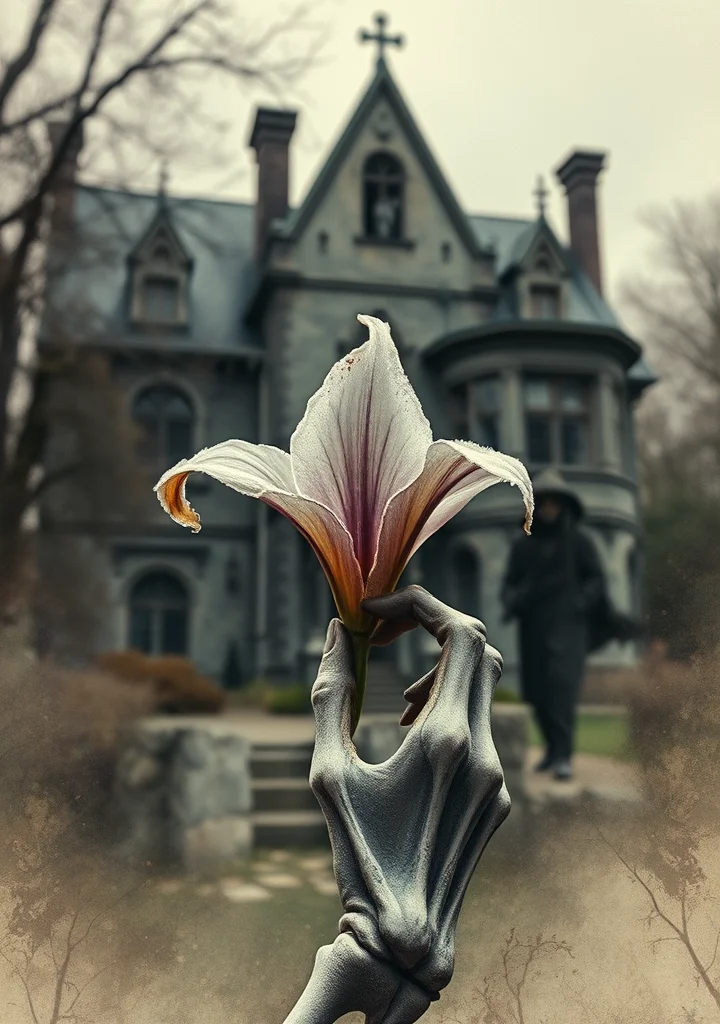
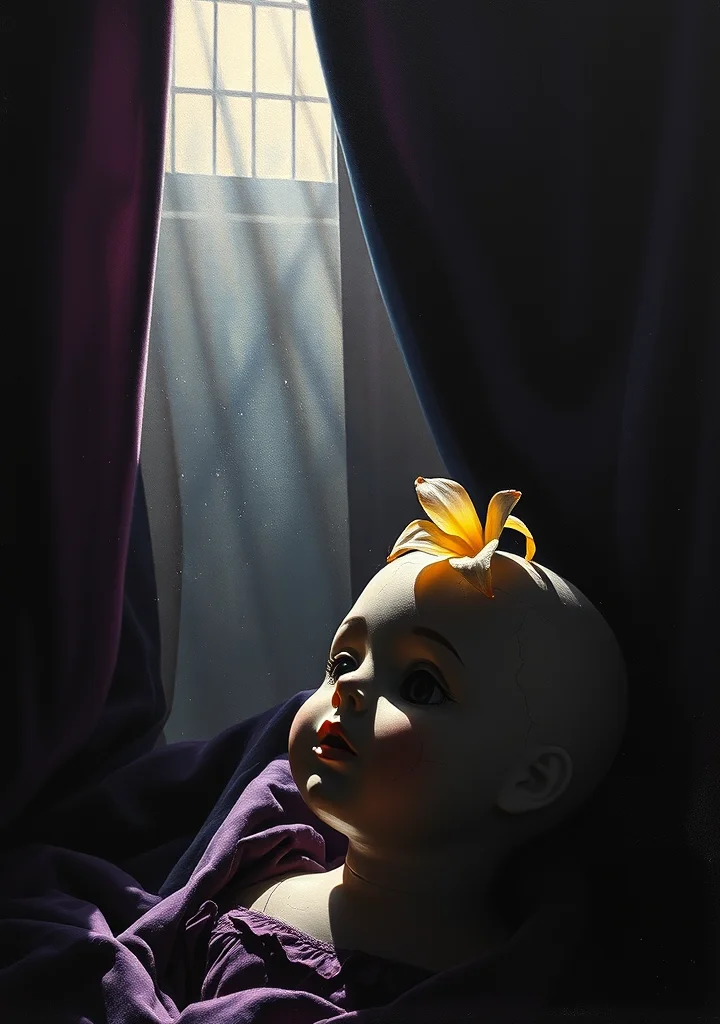
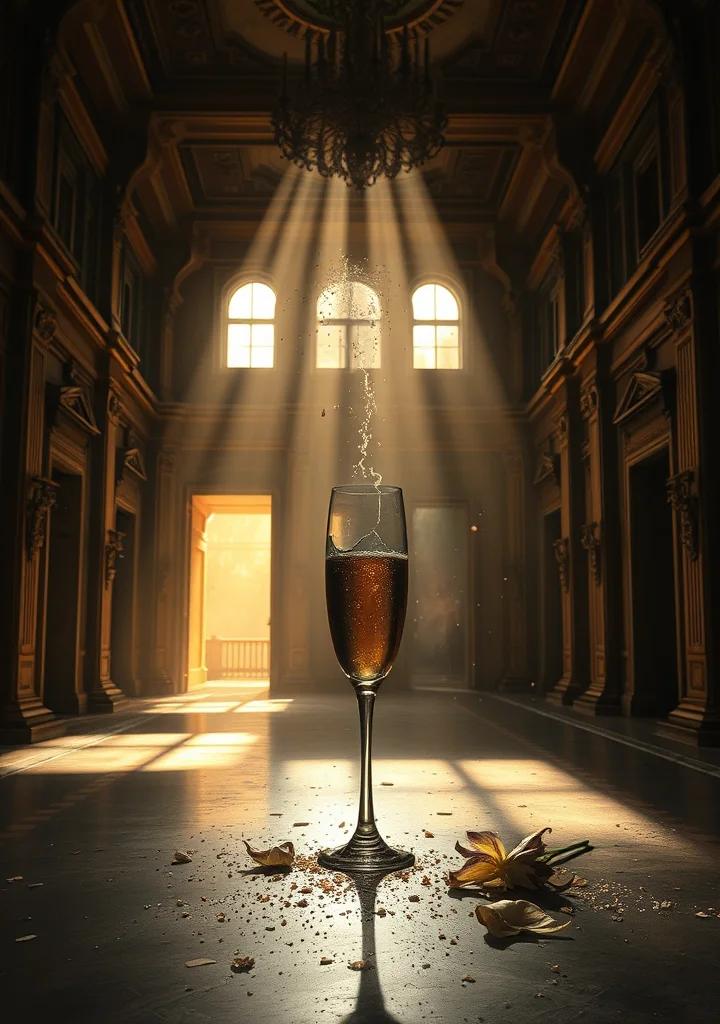
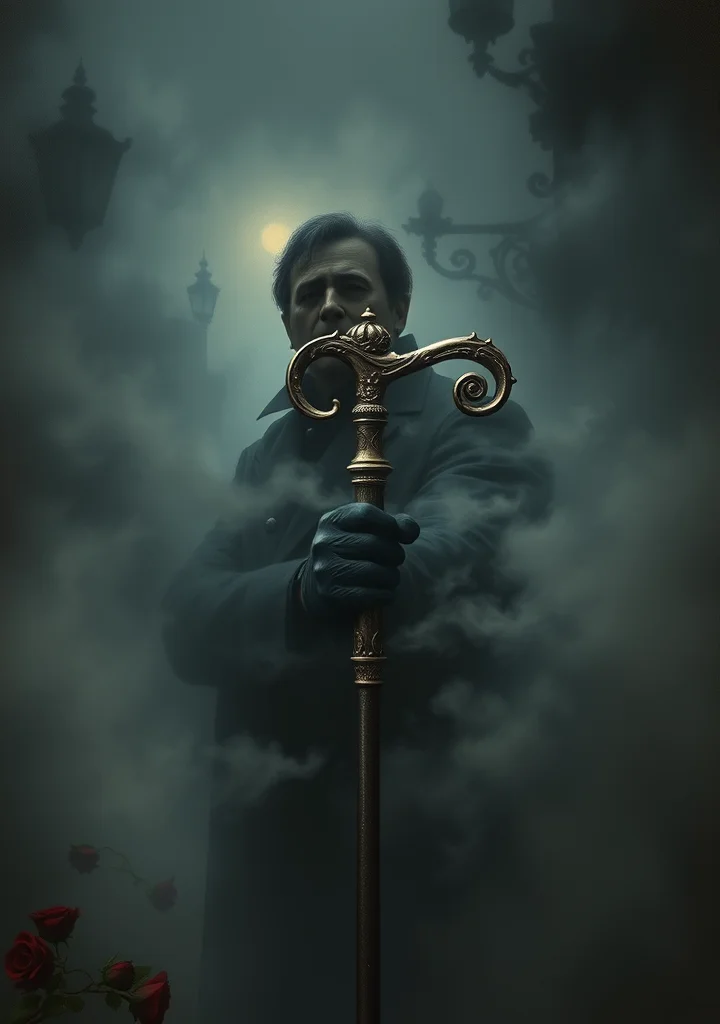
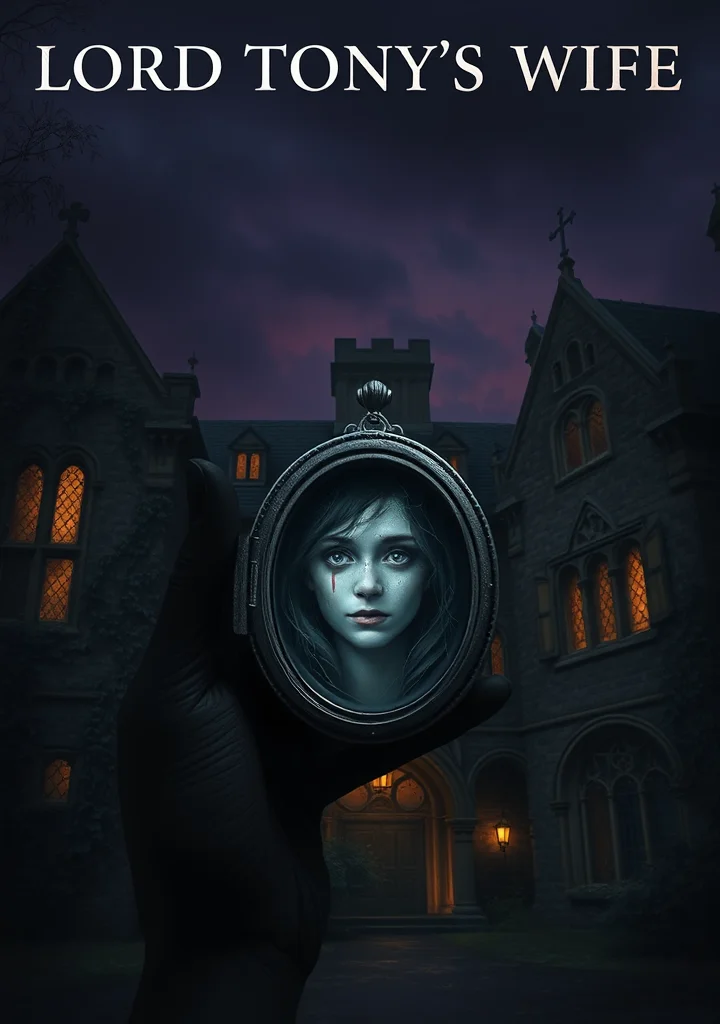
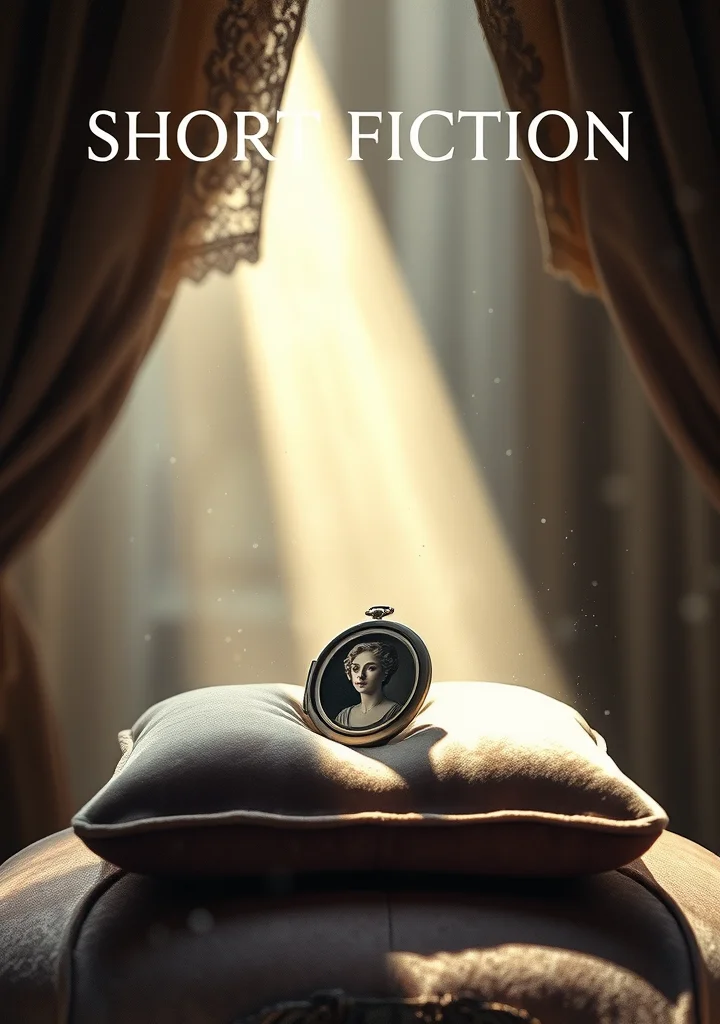
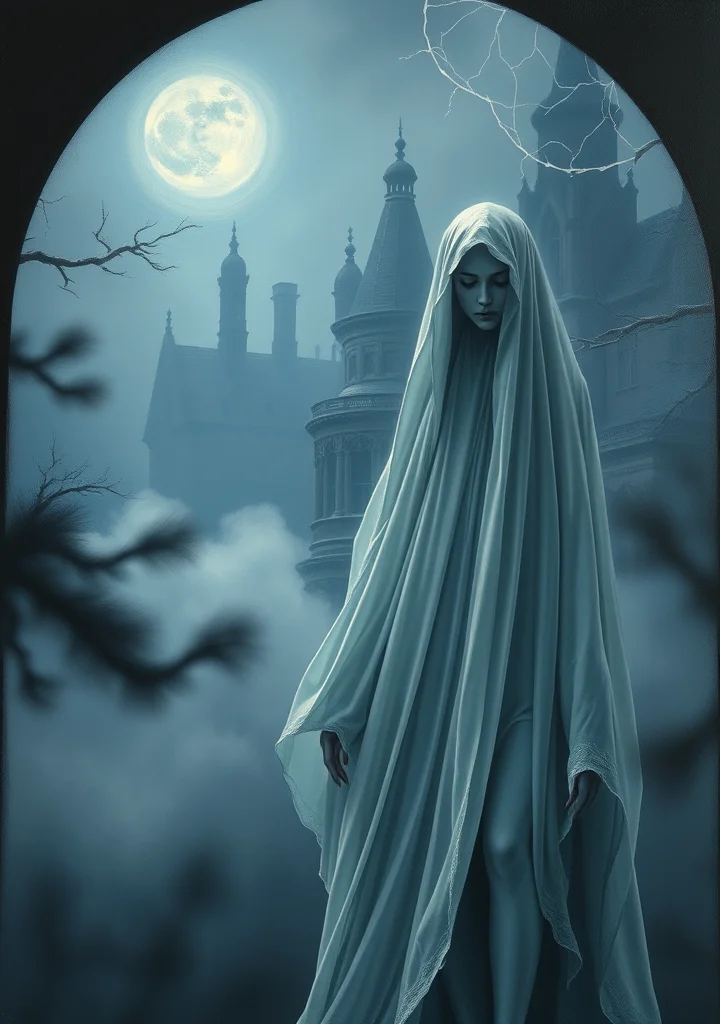
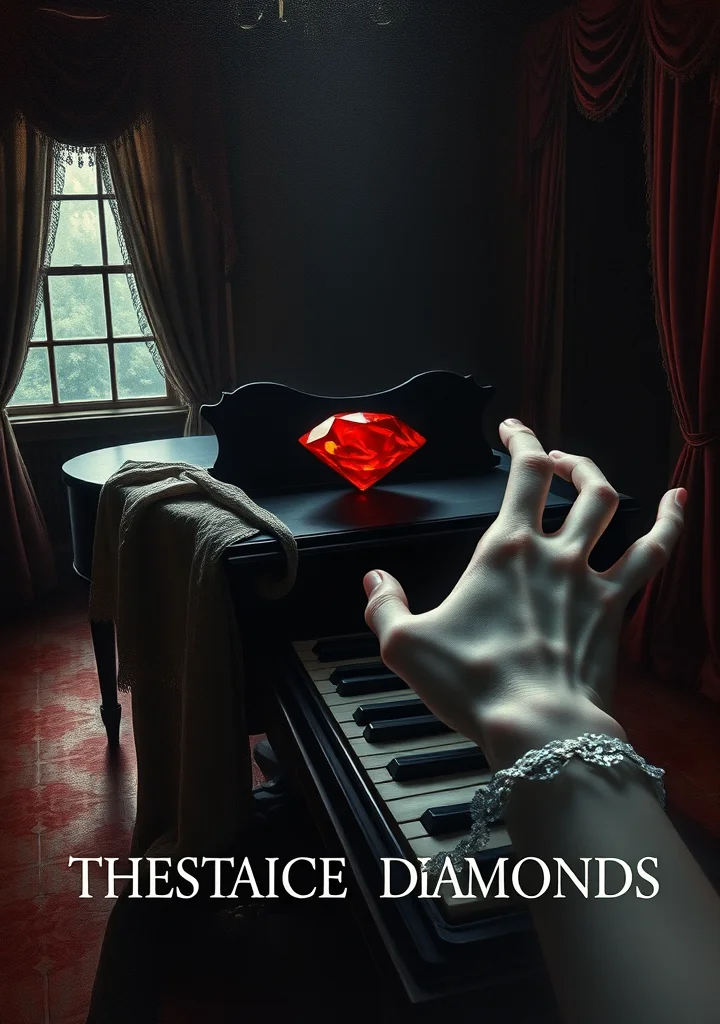
A creeping dread clings to the manor houses and polished drawing rooms of mid-Victorian England, a chill that isn't merely seasonal. The Eustace Diamonds, glittering heirlooms passed down through generations, become less jewels and more spectral witnesses to a fractured lineage. Their fate mirrors the unraveling of young Lady Eustace Greystock, a woman whose beauty and desperation intertwine with the grasping ambitions of men circling like carrion birds.
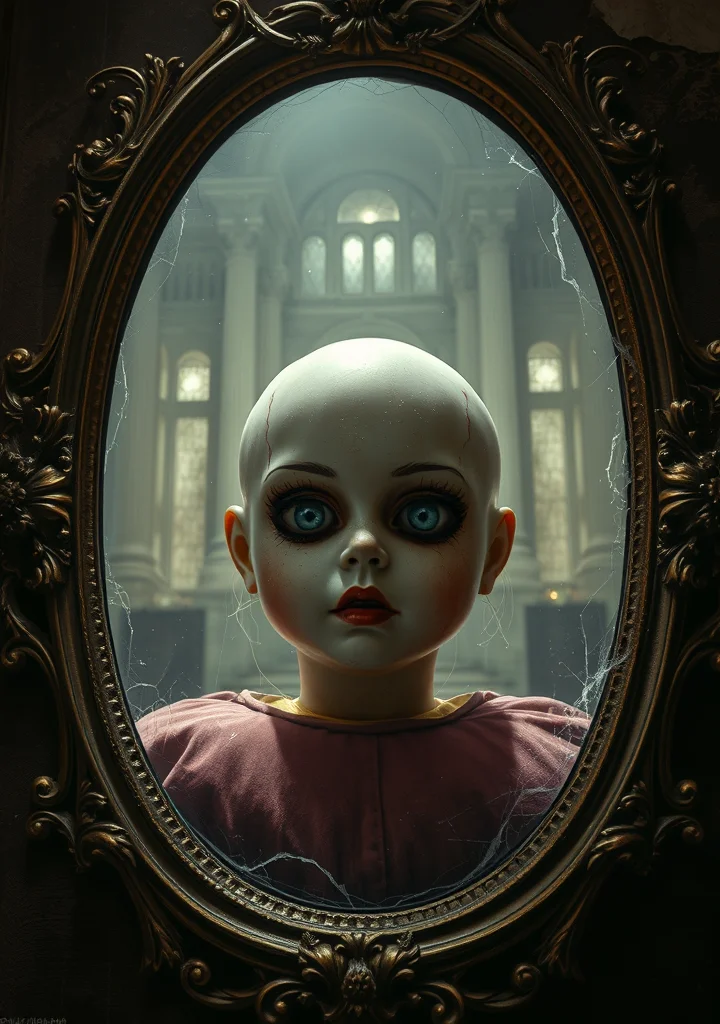
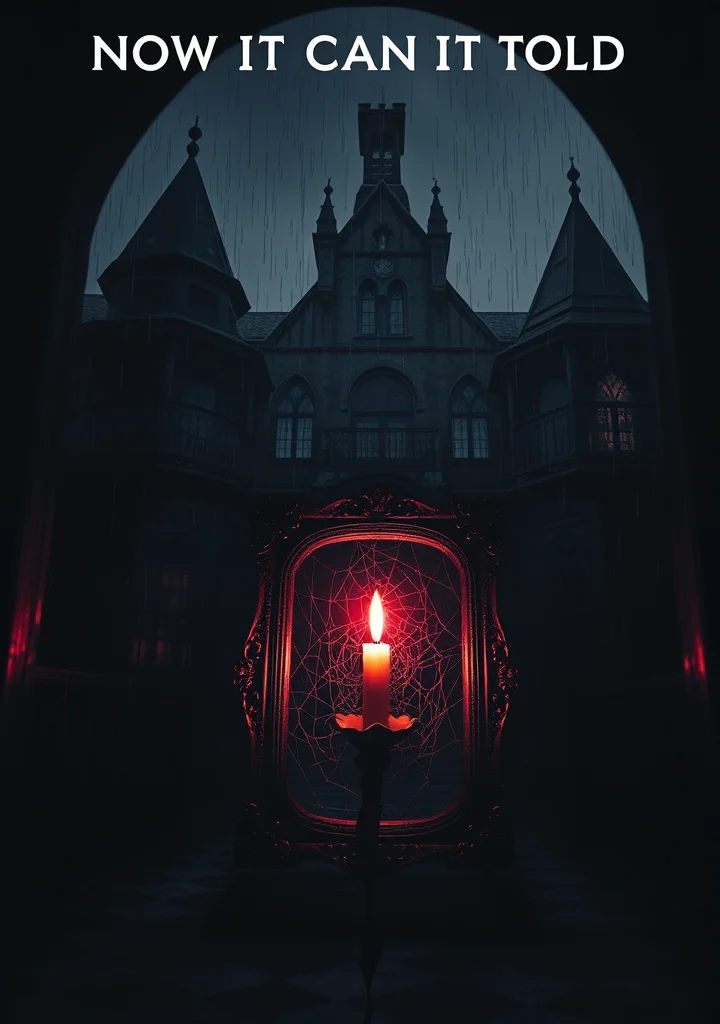
The narrative unfolds in shadowed parlors and echoing hallways, where whispered anxieties and concealed debts fester beneath a veneer of polite society. A suffocating politeness masks the ravenous hunger for wealth and status, a hunger that threatens to devour the very foundations of respectability. Each glittering facet of the diamonds reflects a distorted truth, illuminating the decaying moral landscape of a world obsessed with appearances.
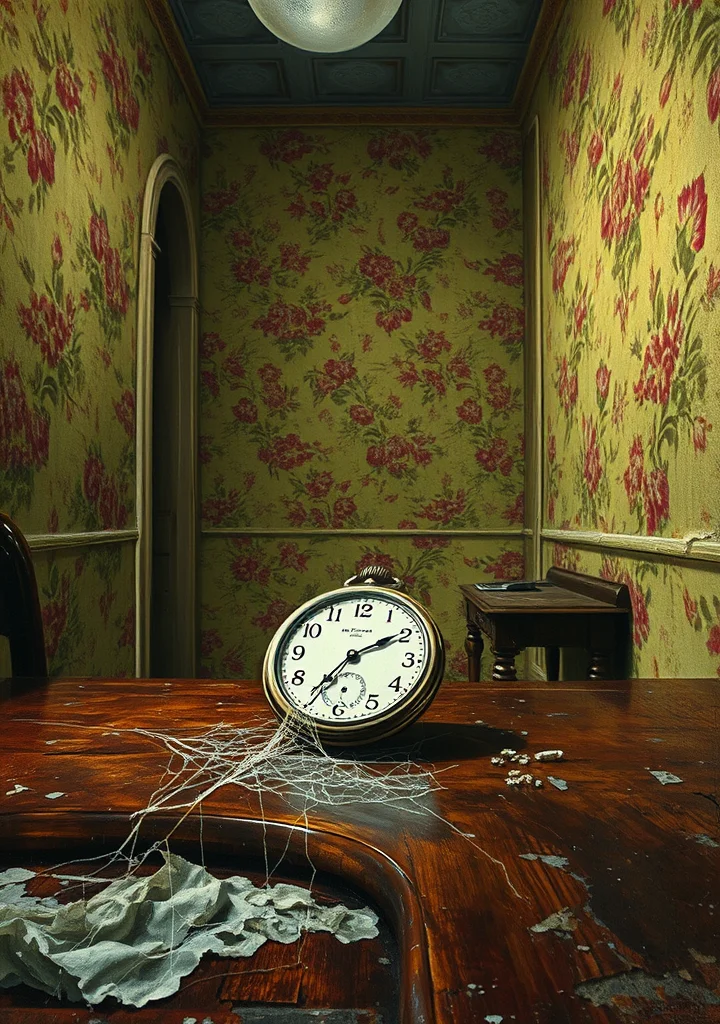
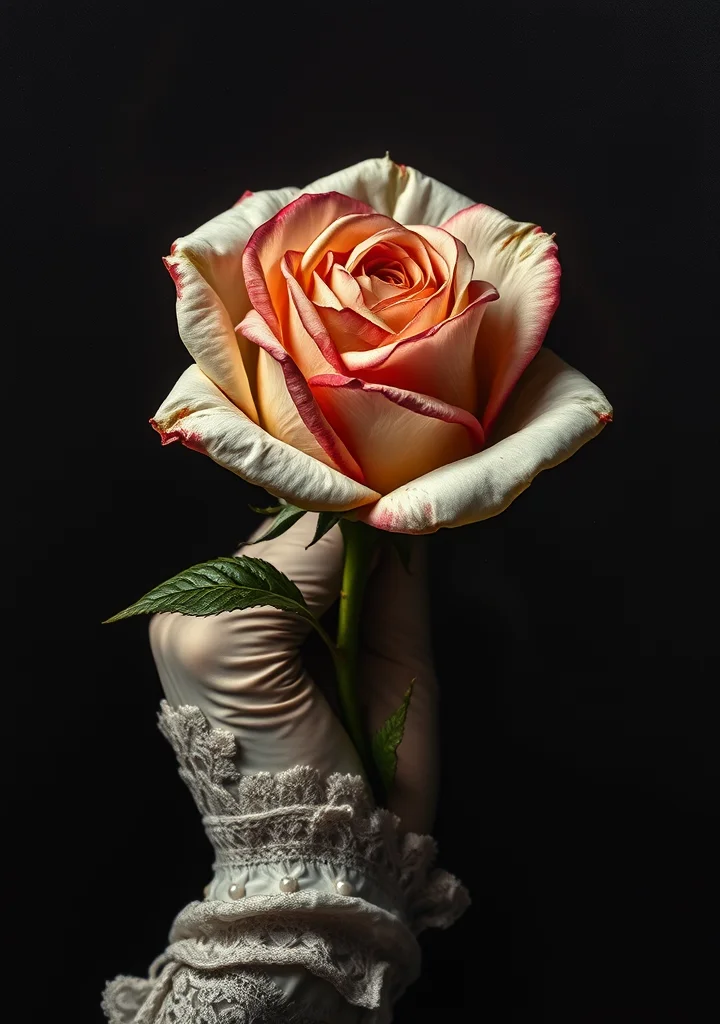
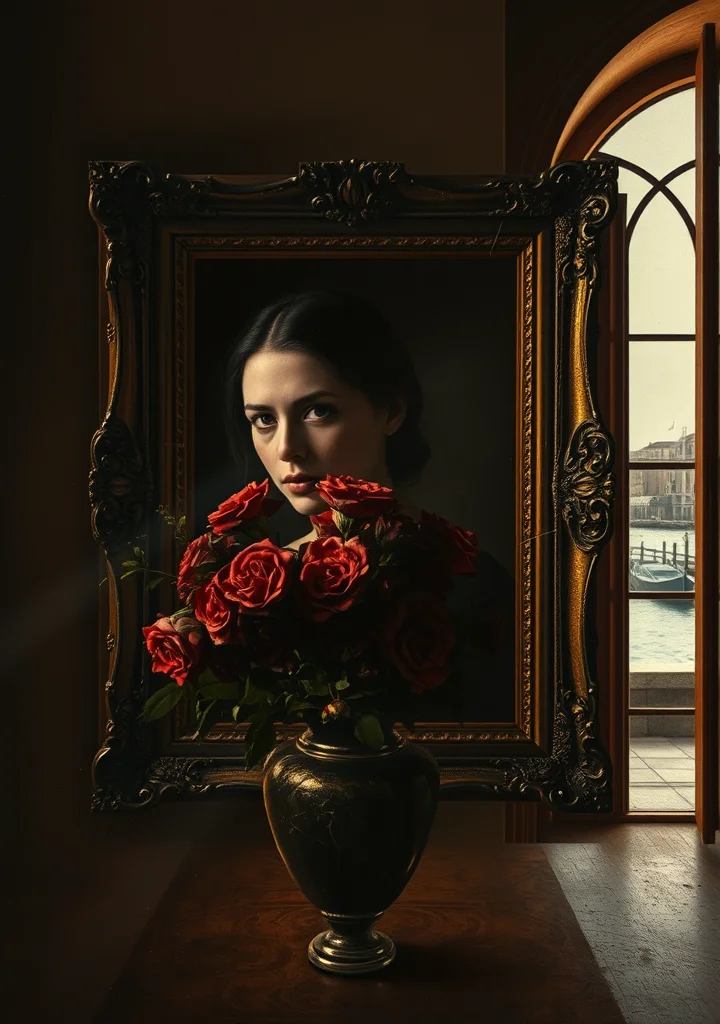
The air is thick with the scent of fading roses and unspoken resentments, a stifling fragrance that clings to the silk gowns and tailored coats of those entangled in the diamonds’ orbit. A slow, relentless pressure builds as the novel progresses, mirroring the tightening coils of a snare. The narrative doesn’t rush, but *persists* - like the slow drip of water eroding stone, or the insidious growth of mold within a forgotten crypt. It’s a story steeped in the gray morality of provincial life, where fortunes are won and lost on a whisper, and where the weight of expectation threatens to crush the fragile bloom of a woman’s ambition. The diamonds themselves become a curse, attracting shadows and breeding decay, a glittering symbol of the rot at the heart of a gilded age.
Copyright: Public Domain
This license allows anyone to use your story for any purpose, including printing, selling, or adapting it into a film freely.
This license allows anyone to use your story for any purpose, including printing, selling, or adapting it into a film freely.
Chapter List
-
« The Eustace Diamonds »📖 Continue Reading
-
« I »
-
« II »
-
« III »
-
« IV »
-
« V »
-
« VI »
-
« VII »
-
« VIII »
-
« IX »
-
« X »
-
« XI »
-
« XII »
-
« XIII »
-
« XIV »
-
« XV »
-
« XVI »
-
« XVII »
-
« XVIII »
-
« XIX »
-
« XX »
-
« XXI »
-
« XXII »
-
« XXIII »
-
« XXIV »
-
« XXV »
-
« XXVI »
-
« XXVII »
-
« XXVIII »
-
« XXIX »
-
« XXX »
-
« XXXI »
-
« XXXII »
-
« XXXIII »
-
« XXXIV »
-
« XXXV »
-
« XXXVI »
-
« XXXVII »
-
« XXXVIII »
-
« XXXIX »
-
« XL »
-
« XLI »
-
« XLII »
-
« XLIII »
-
« XLIV »
-
« XLV »
-
« XLVI »
-
« XLVII »
-
« XLVIII »
-
« XLIX »
-
« L »
-
« LI »
-
« LII »
-
« LIII »
-
« LIV »
-
« LV »
-
« LVI »
-
« LVII »
-
« LVIII »
-
« LIX »
-
« LX »
-
« LXI »
-
« LXII »
-
« LXIII »
-
« LXIV »
-
« LXV »
-
« LXVI »
-
« LXVII »
-
« LXVIII »
-
« LXIX »
-
« LXX »
-
« LXXI »
-
« LXXII »
-
« LXXIII »
-
« LXXIV »
-
« LXXV »
-
« LXXVI »
-
« LXXVII »
-
« LXXVIII »
-
« LXXIX »
-
« LXXX »
81
-
« The Eustace Diamonds »
-
« I »
-
« II »
-
« III »
-
« IV »
-
« V »
-
« VI »
-
« VII »
-
« VIII »
-
« IX »
-
« X »
-
« XI »
-
« XII »
-
« XIII »
-
« XIV »
-
« XV »
-
« XVI »
-
« XVII »
-
« XVIII »
-
« XIX »
-
« XX »
-
« XXI »
-
« XXII »
-
« XXIII »
-
« XXIV »
-
« XXV »
-
« XXVI »
-
« XXVII »
-
« XXVIII »
-
« XXIX »
-
« XXX »
-
« XXXI »
-
« XXXII »
-
« XXXIII »
-
« XXXIV »
-
« XXXV »
-
« XXXVI »
-
« XXXVII »
-
« XXXVIII »
-
« XXXIX »
-
« XL »
-
« XLI »
-
« XLII »
-
« XLIII »
-
« XLIV »
-
« XLV »
-
« XLVI »
-
« XLVII »
-
« XLVIII »
-
« XLIX »
-
« L »
-
« LI »
-
« LII »
-
« LIII »
-
« LIV »
-
« LV »
-
« LVI »
-
« LVII »
-
« LVIII »
-
« LIX »
-
« LX »
-
« LXI »
-
« LXII »
-
« LXIII »
-
« LXIV »
-
« LXV »
-
« LXVI »
-
« LXVII »
-
« LXVIII »
-
« LXIX »
-
« LXX »
-
« LXXI »
-
« LXXII »
-
« LXXIII »
-
« LXXIV »
-
« LXXV »
-
« LXXVI »
-
« LXXVII »
-
« LXXVIII »
-
« LXXIX »
-
« LXXX »
More like this