
-
Read 988
-
0
-
Part 64
Completed, First published Mar 02, 2026
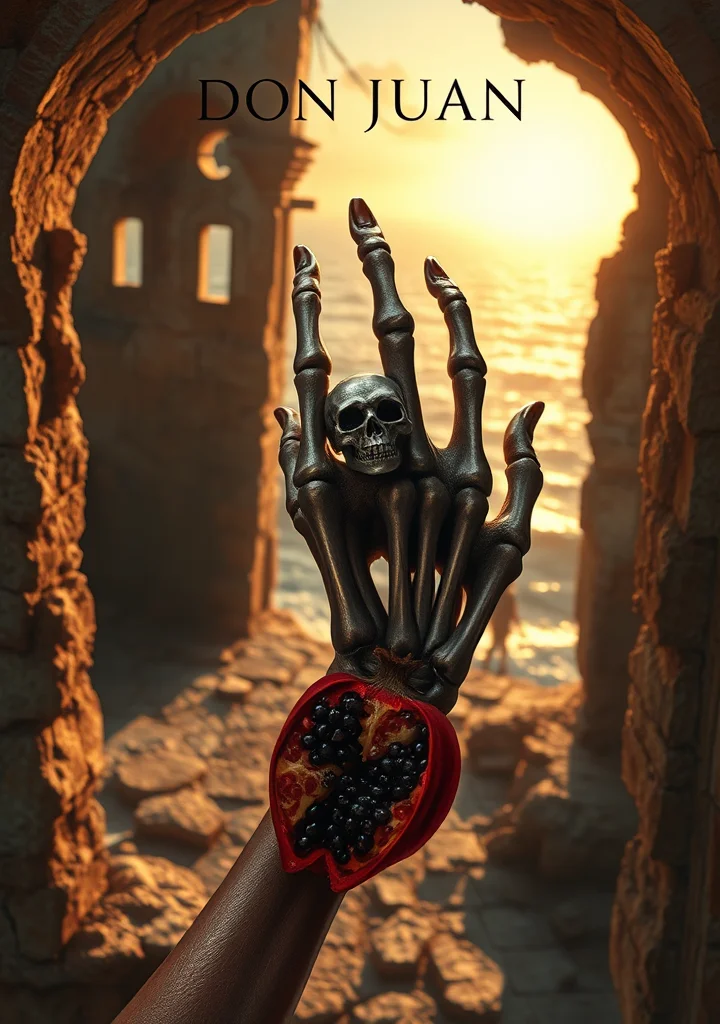
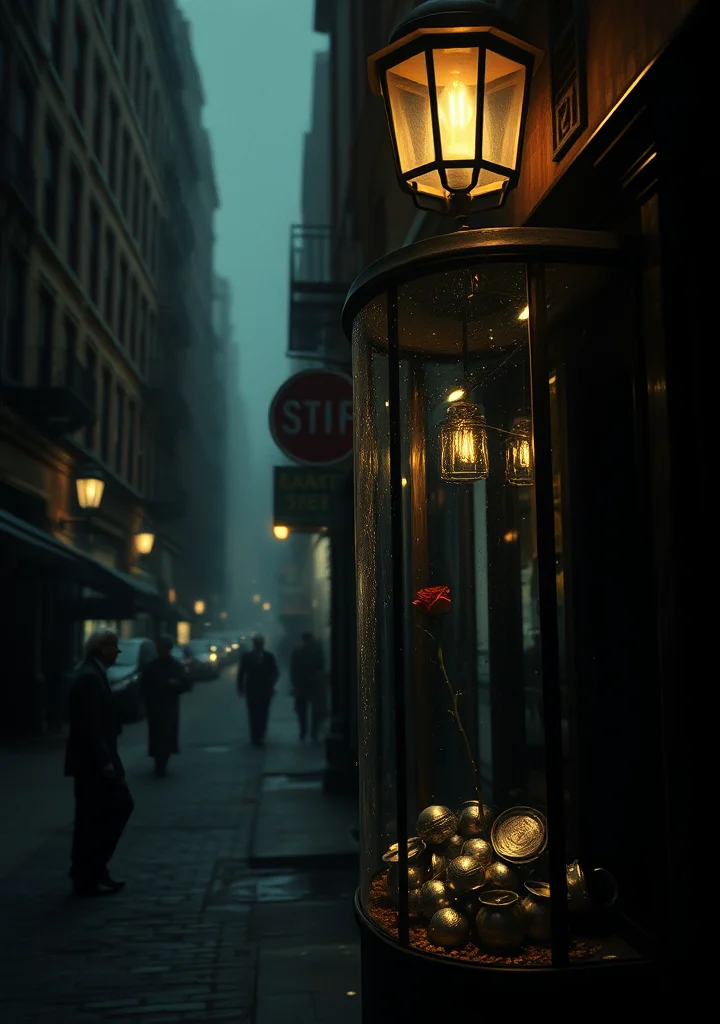
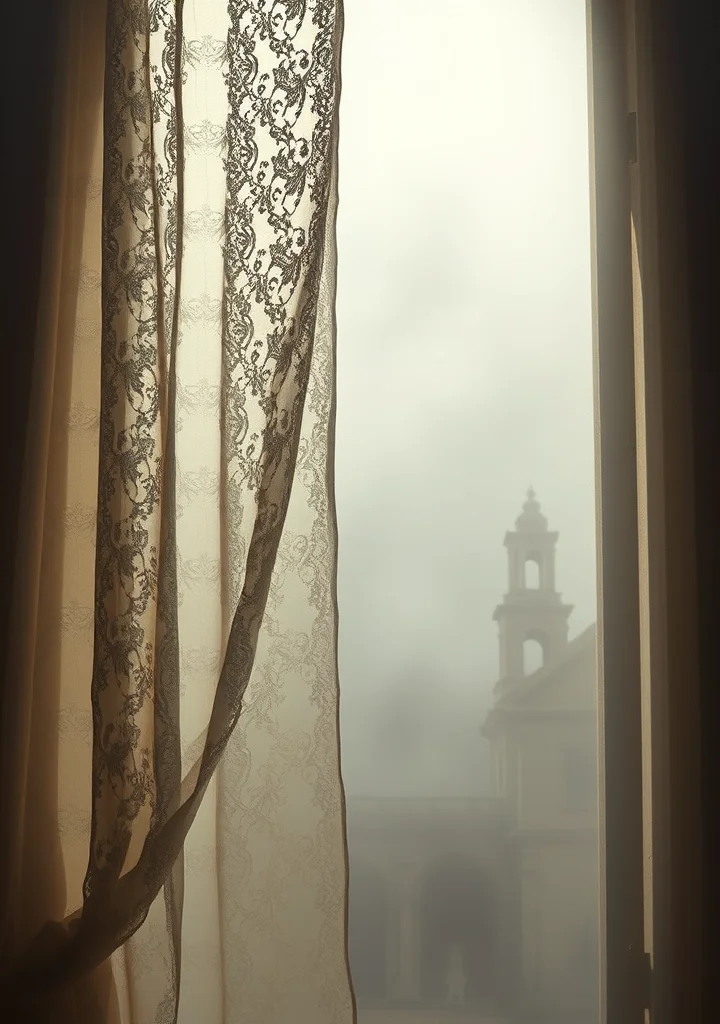
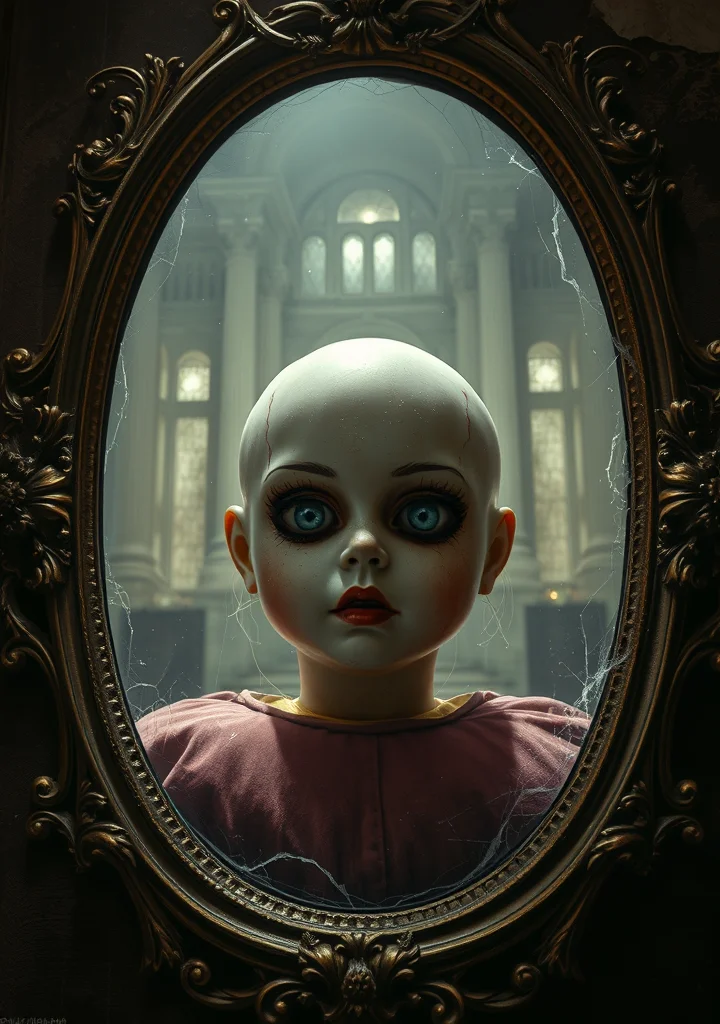
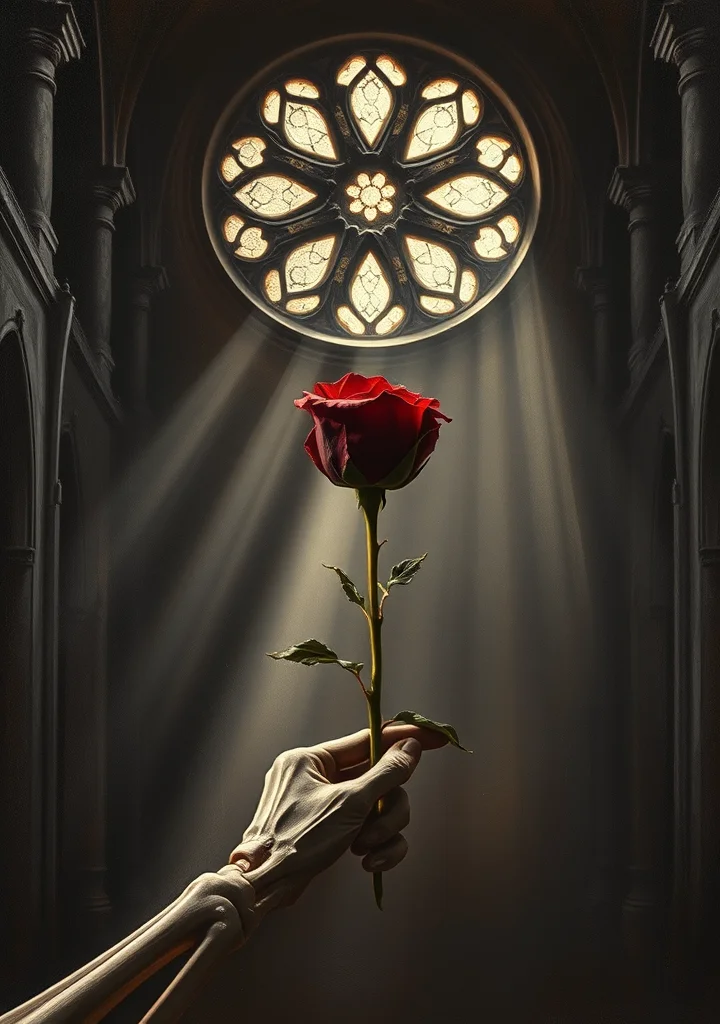
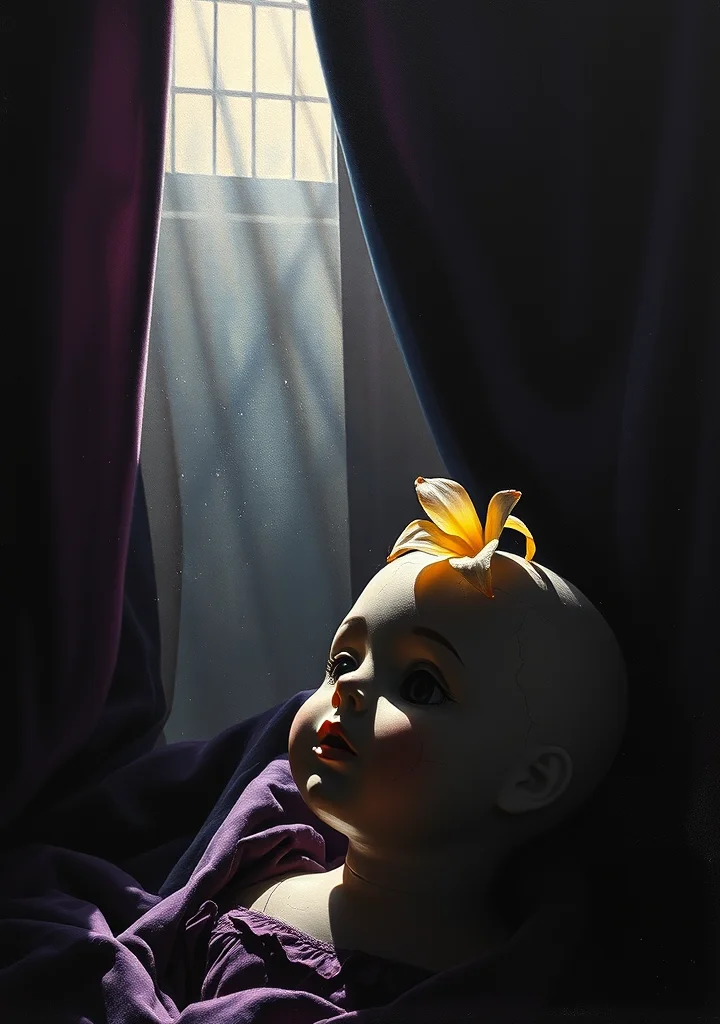
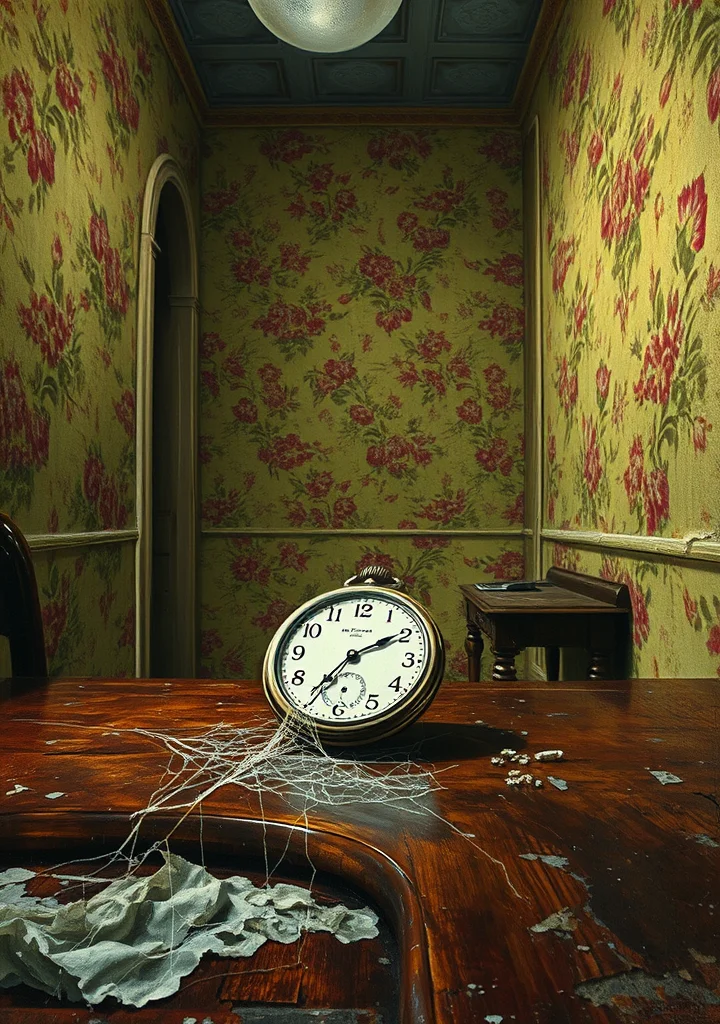
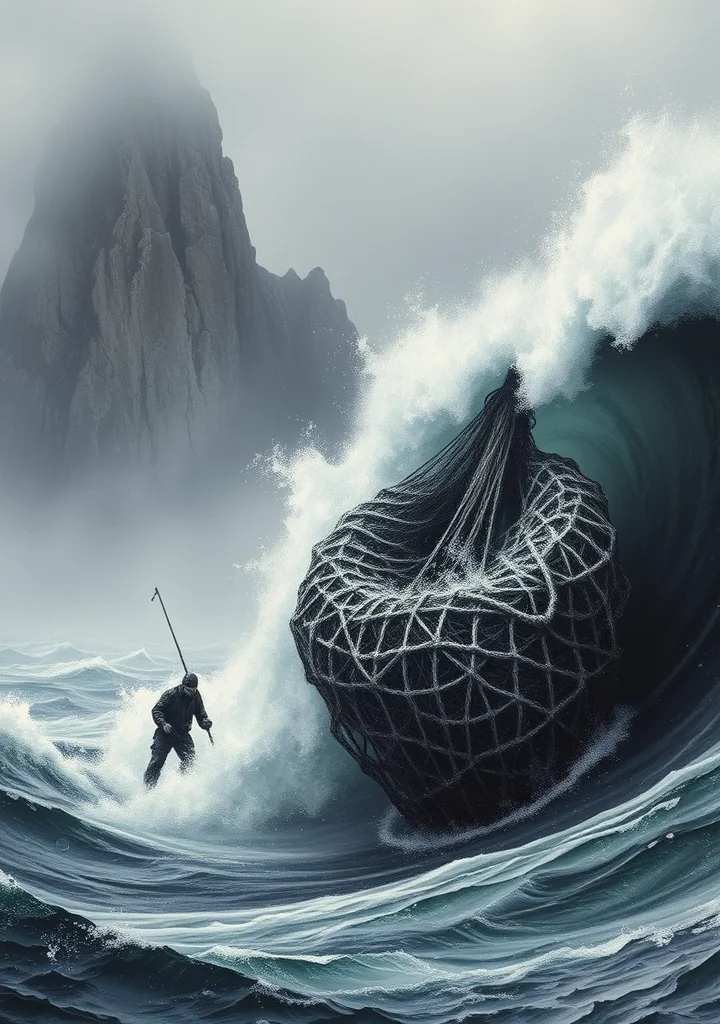
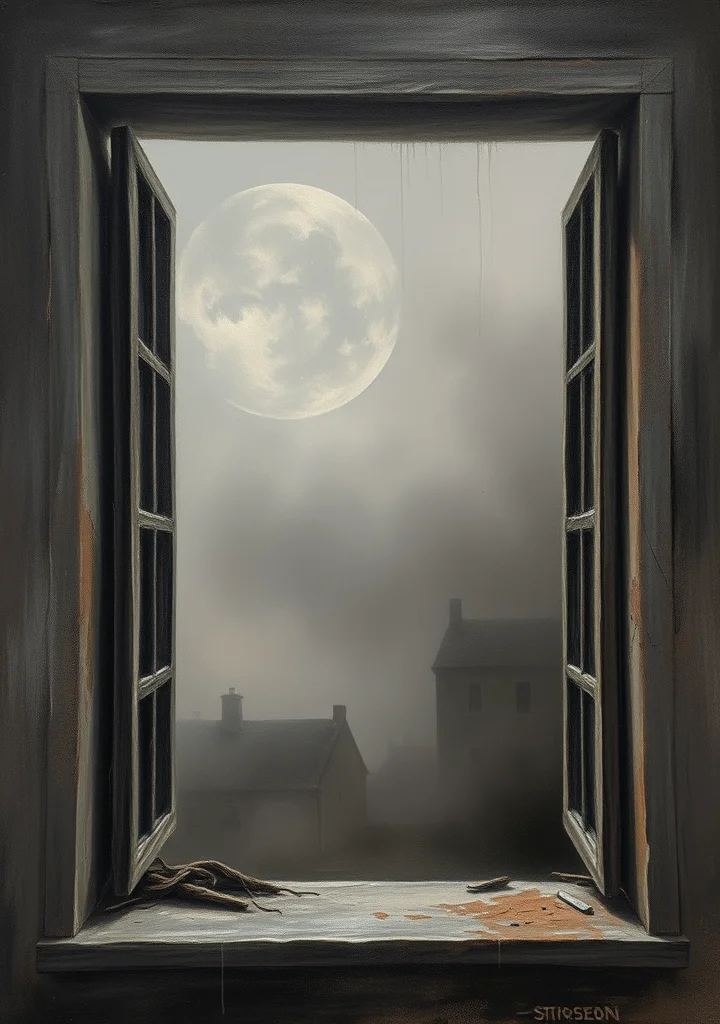
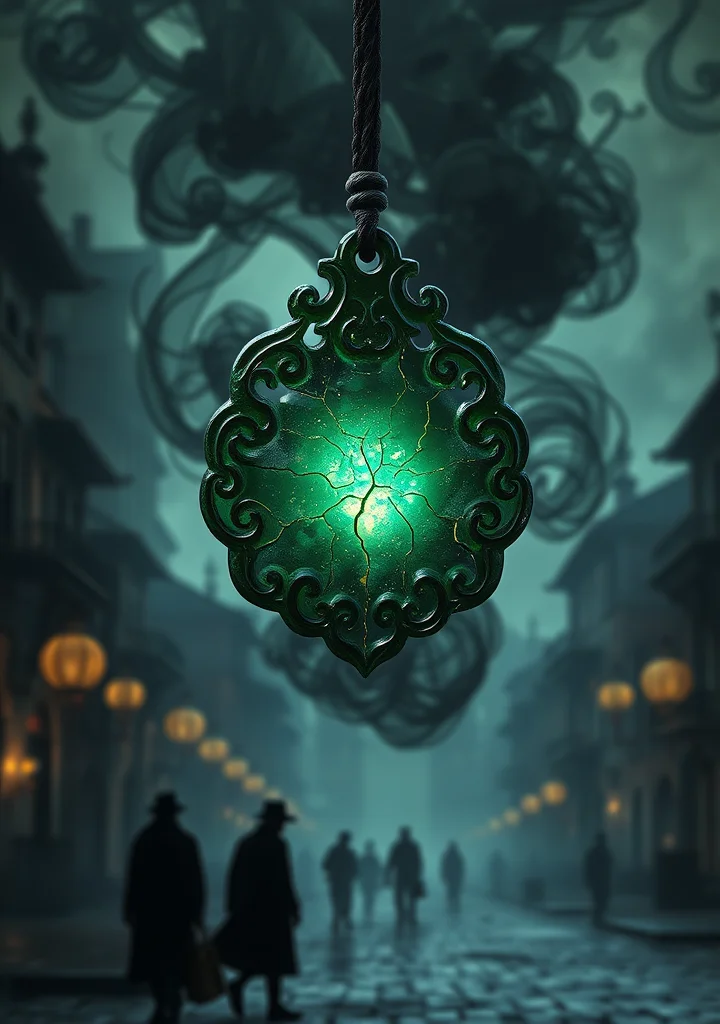
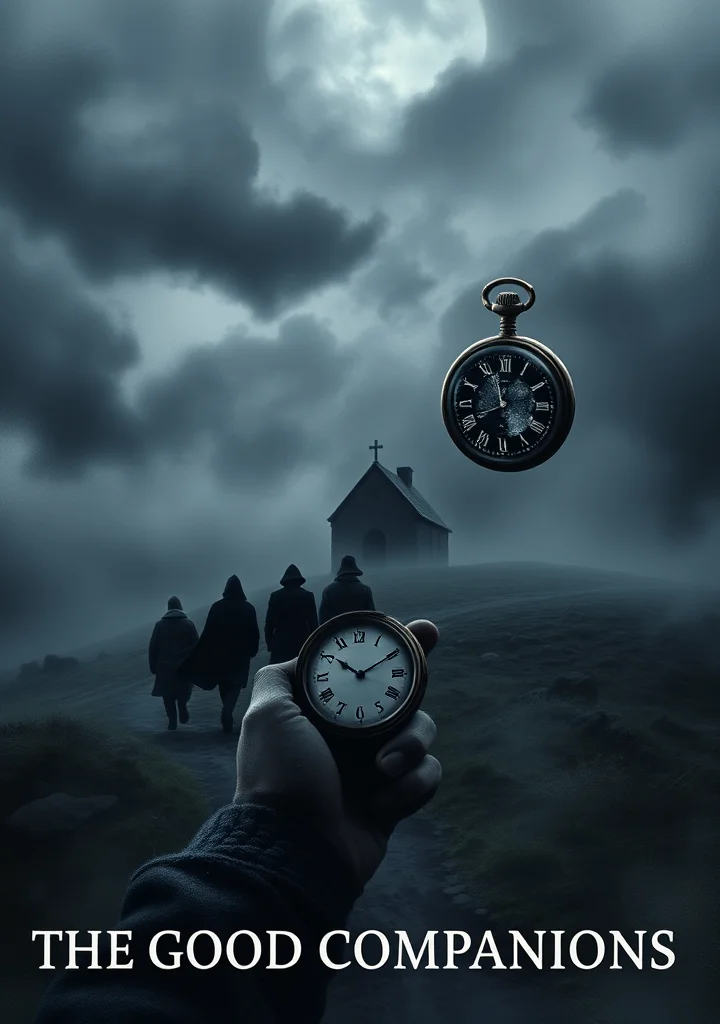
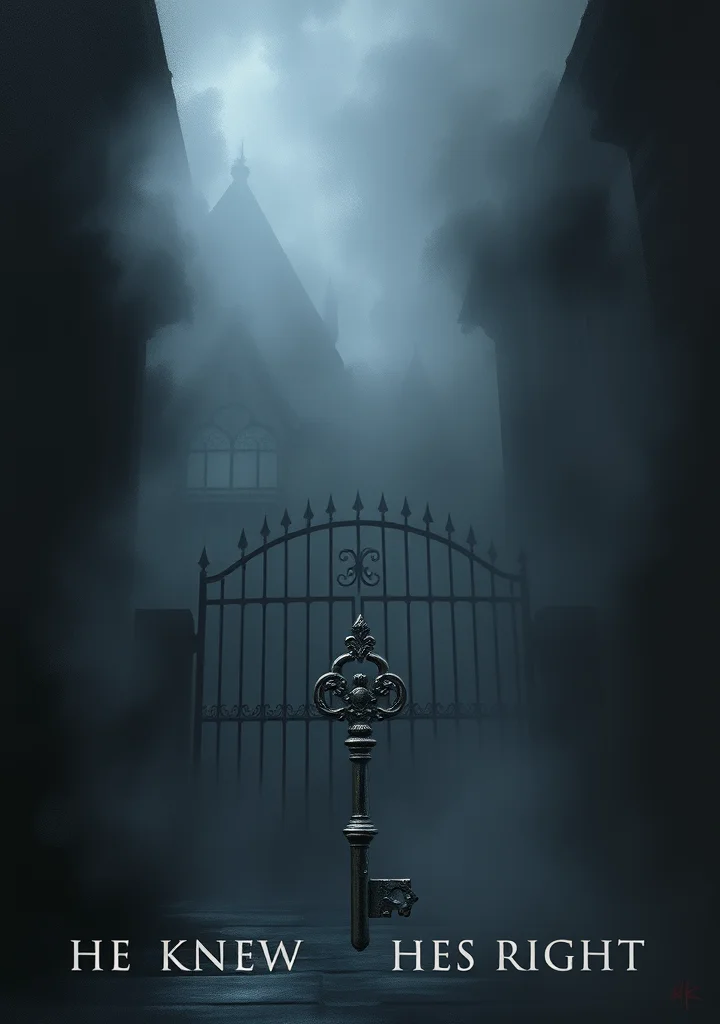
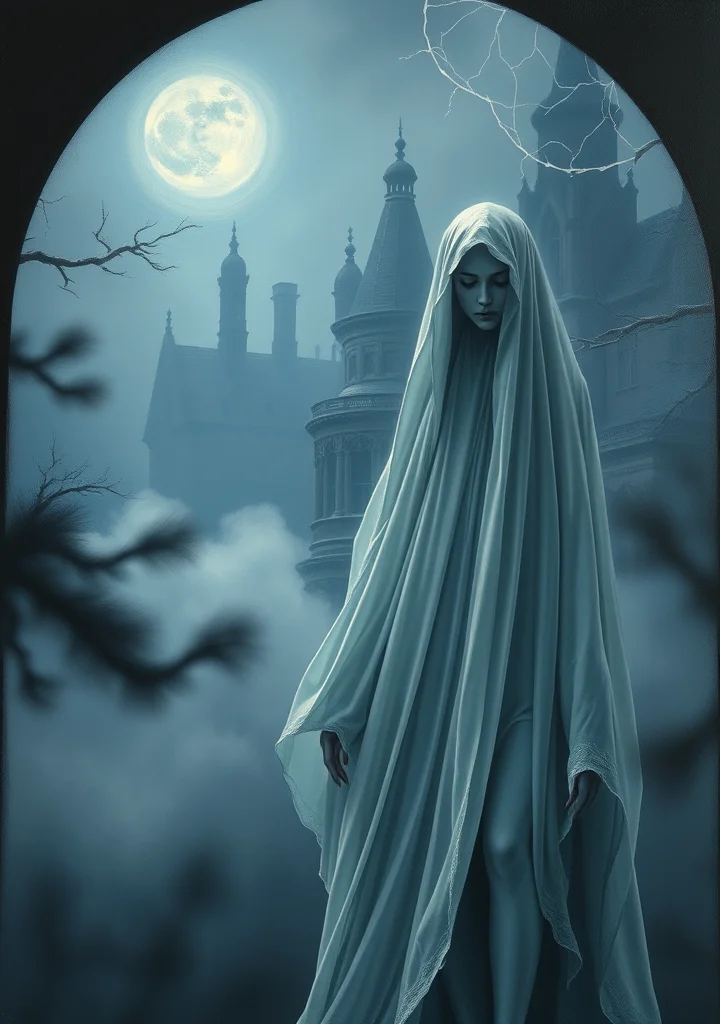
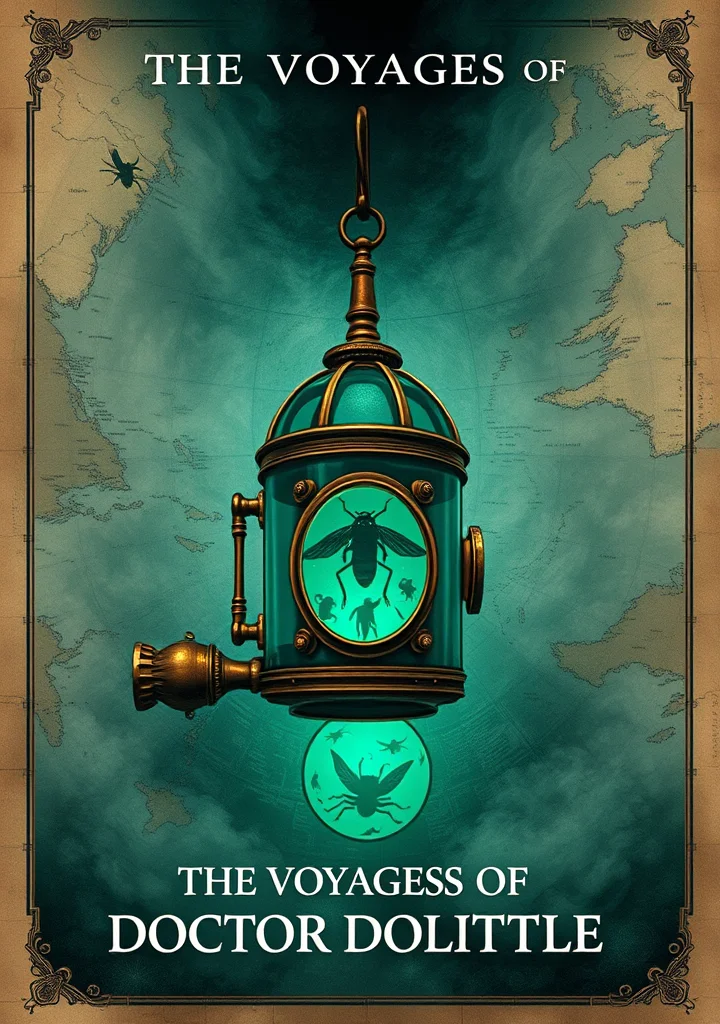
A creeping fog clings to the cobbled streets of Dolittle’s London, mirroring the miasma of grief that shrouds him after his wife’s passing. The house, a labyrinth of shadowed parlors and dust-veiled studies, breathes with the whispers of forgotten languages—the chittering of monkeys, the mournful calls of parrots, the guttural clicks of beetles. Doctor Dolittle doesn’t sail for sun-drenched shores and exotic blooms; he *descends* into them, drawn by a feverish, melancholic compulsion. Each voyage isn’t a celebration of discovery, but an unraveling—a peeling back of the civilized world to reveal the raw, pulsing heart of the wild. The ship itself is a bone cage, creaking with the weight of unspoken sorrow and the scent of brine and decay. His animal companions aren’t jovial companions, but spectral guides, their eyes reflecting the unsettling brilliance of lands haunted by ancient, unknowable things. The further he travels, the more the line between man and beast blurs, and Dolittle finds himself not conquering the wilderness, but *becoming* it – a hollow man filled with the echoing cries of creatures swallowed by the green darkness. The sea isn’t blue, but a viscous, obsidian mirror reflecting the abyss within the Doctor’s own fractured soul. Each port is less a destination than a tomb, each encounter a ritual performed under the gaze of silent, predatory stars.
Copyright: Public Domain
This license allows anyone to use your story for any purpose, including printing, selling, or adapting it into a film freely.
This license allows anyone to use your story for any purpose, including printing, selling, or adapting it into a film freely.
Chapter List
-
« The Voyages of Doctor Dolittle »📖 Continue Reading
-
« Chapter_3 »
-
« The Voyages of Doctor Dolittle »
-
« Prologue »
-
« I »
-
« II »
-
« III »
-
« IV »
-
« V »
-
« VI »
-
« VII »
-
« VIII »
-
« IX »
-
« X »
-
« XI »
-
« XII »
-
« XII »
-
« XIV »
-
« XV »
-
« I »
-
« II »
-
« III »
-
« IV »
-
« V »
-
« VI »
-
« VII »
-
« VIII »
-
« IX »
-
« X »
-
« XI »
-
« XII »
-
« I »
-
« II »
-
« III »
-
« IV »
-
« V »
-
« VI »
-
« VII »
-
« VIII »
-
« IX »
-
« I »
-
« II »
-
« III »
-
« IV »
-
« V »
-
« VI »
-
« VII »
-
« I »
-
« II »
-
« III »
-
« IV »
-
« V »
-
« VI »
-
« VII »
-
« VIII »
-
« IX »
-
« X »
-
« I »
-
« II »
-
« III »
-
« IV »
-
« V »
-
« VI »
-
« VII »
64
-
« The Voyages of Doctor Dolittle »
-
« Chapter_3 »
-
« The Voyages of Doctor Dolittle »
-
« Prologue »
-
« I »
-
« II »
-
« III »
-
« IV »
-
« V »
-
« VI »
-
« VII »
-
« VIII »
-
« IX »
-
« X »
-
« XI »
-
« XII »
-
« XII »
-
« XIV »
-
« XV »
-
« I »
-
« II »
-
« III »
-
« IV »
-
« V »
-
« VI »
-
« VII »
-
« VIII »
-
« IX »
-
« X »
-
« XI »
-
« XII »
-
« I »
-
« II »
-
« III »
-
« IV »
-
« V »
-
« VI »
-
« VII »
-
« VIII »
-
« IX »
-
« I »
-
« II »
-
« III »
-
« IV »
-
« V »
-
« VI »
-
« VII »
-
« I »
-
« II »
-
« III »
-
« IV »
-
« V »
-
« VI »
-
« VII »
-
« VIII »
-
« IX »
-
« X »
-
« I »
-
« II »
-
« III »
-
« IV »
-
« V »
-
« VI »
-
« VII »
More like this