
-
Read 1.1K
-
0
-
Part 111
Completed, First published Mar 02, 2026
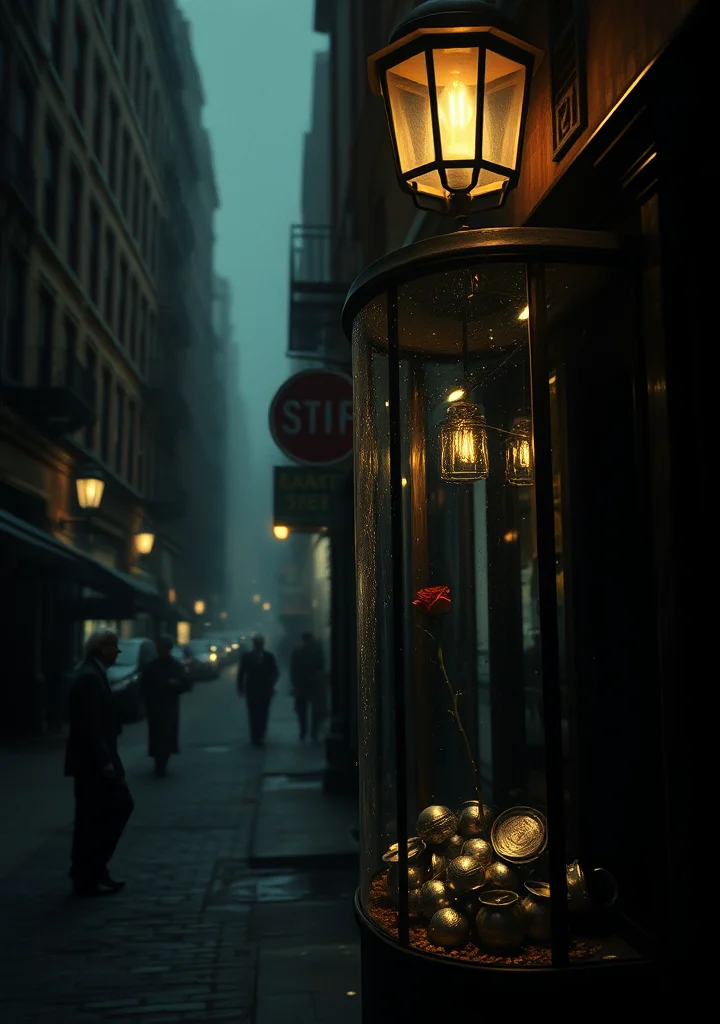
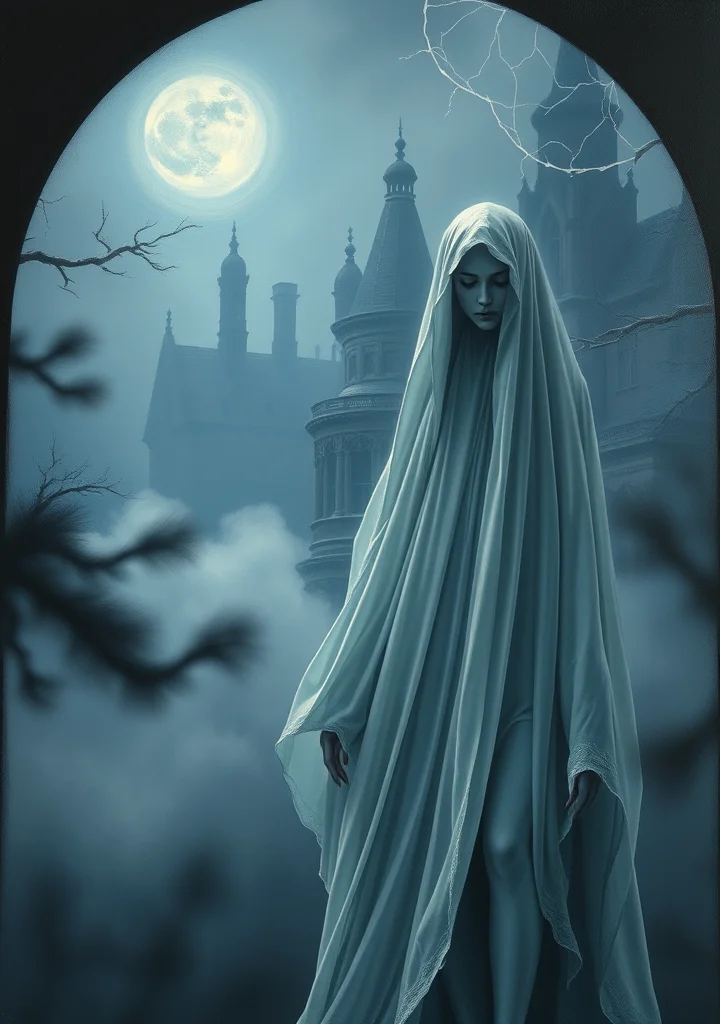
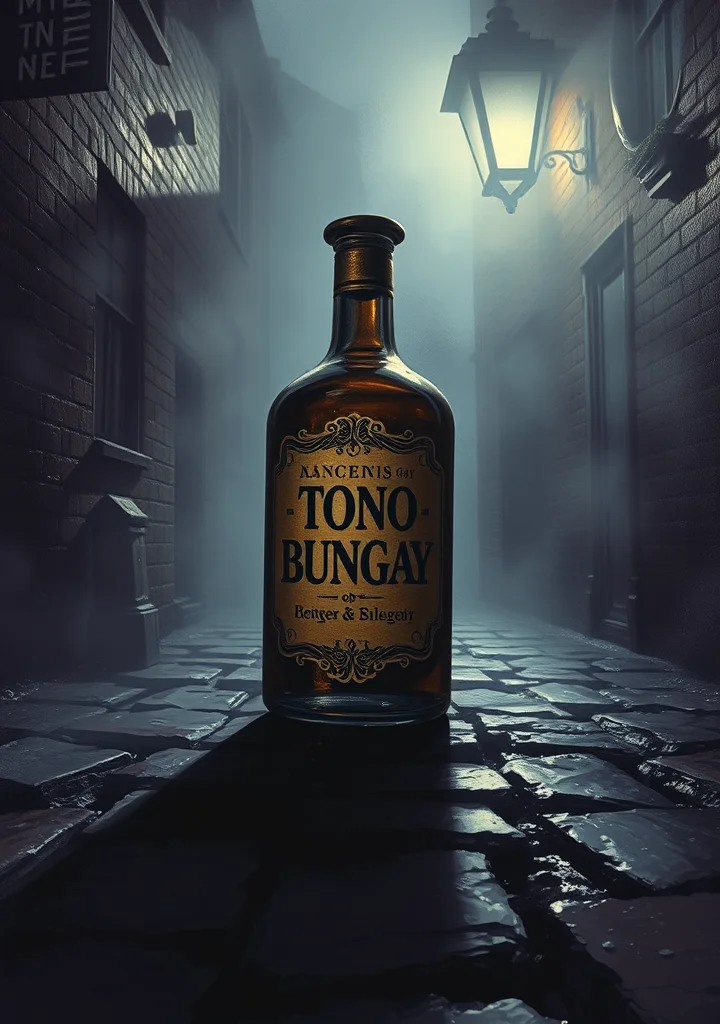
The fog clings to the brickwork of London, thick as regret, mirroring the insidious creep of Tono-Bungay’s influence. This is not a tale of grand horrors, but of a creeping, insidious dread woven into the very fabric of modern life. It begins with a stolen inheritance, a fractured family, and a patent medicine promising salvation—or, more accurately, a gilded cage of profit. The narrative unravels like a slow poison, charting a descent into the moral rot beneath the veneer of Victorian progress.
Wells doesn’t offer shrieking specters, but a suffocating claustrophobia born of social ambition. The air smells of sawdust, cheap perfume, and the cloying sweetness of a lie made manifest. Every polished surface reflects a darker truth—the hollowness of wealth, the desperation of those caught in its gears, and the brutal efficiency with which innocence is devoured.
The countryside itself seems to recoil as Tono-Bungay’s tendrils reach out, choking the land with its relentless, manufactured desires. It’s a world where the shadows lengthen not from supernatural forces, but from the ever-growing weight of unchecked capitalism. You’ll find yourself not fearing what jumps from the darkness, but what quietly settles *into* it—a creeping, inescapable despair that clings to the skin long after the final page is turned. A quiet unraveling of the soul, disguised as a chronicle of industry.
Copyright: Public Domain
This license allows anyone to use your story for any purpose, including printing, selling, or adapting it into a film freely.
This license allows anyone to use your story for any purpose, including printing, selling, or adapting it into a film freely.
Chapter List
-
« Tono-Bungay »📖 Continue Reading
-
« I »
-
« I »
-
« II »
-
« III »
-
« IV »
-
« V »
-
« VI »
-
« VII »
-
« VIII »
-
« IX »
-
« II »
-
« I »
-
« II »
-
« III »
-
« IV »
-
« V »
-
« VI »
-
« VII »
-
« VIII »
-
« III »
-
« I »
-
« II »
-
« III »
-
« IV »
-
« V »
-
« VI »
-
« VII »
-
« I »
-
« Chapter_33 »
-
« II »
-
« III »
-
« IV »
-
« V »
-
« VI »
-
« II »
-
« I »
-
« II »
-
« III »
-
« IV »
-
« V »
-
« VI »
-
« III »
-
« I »
-
« II »
-
« IV »
-
« I »
-
« II »
-
« III »
-
« IV »
-
« V »
-
« VI »
-
« VII »
-
« VIII »
-
« IX »
-
« X »
-
« XI »
-
« I »
-
« I »
-
« II »
-
« III »
-
« IV »
-
« V »
-
« VI »
-
« II »
-
« I »
-
« II »
-
« III »
-
« IV »
-
« V »
-
« VI »
-
« VII »
-
« VIII »
-
« IX »
-
« X »
-
« III »
-
« I »
-
« II »
-
« III »
-
« IV »
-
« V »
-
« VI »
-
« VII »
-
« IV »
-
« I »
-
« II »
-
« III »
-
« IV »
-
« V »
-
« VI »
-
« VII »
-
« I »
-
« I »
-
« II »
-
« III »
-
« IV »
-
« V »
-
« VI »
-
« VII »
-
« VIII »
-
« IX »
-
« II »
-
« I »
-
« II »
-
« III »
-
« IV »
-
« III »
-
« I »
-
« II »
-
« III »
-
« IV »
111
-
« Tono-Bungay »
-
« I »
-
« I »
-
« II »
-
« III »
-
« IV »
-
« V »
-
« VI »
-
« VII »
-
« VIII »
-
« IX »
-
« II »
-
« I »
-
« II »
-
« III »
-
« IV »
-
« V »
-
« VI »
-
« VII »
-
« VIII »
-
« III »
-
« I »
-
« II »
-
« III »
-
« IV »
-
« V »
-
« VI »
-
« VII »
-
« I »
-
« Chapter_33 »
-
« II »
-
« III »
-
« IV »
-
« V »
-
« VI »
-
« II »
-
« I »
-
« II »
-
« III »
-
« IV »
-
« V »
-
« VI »
-
« III »
-
« I »
-
« II »
-
« IV »
-
« I »
-
« II »
-
« III »
-
« IV »
-
« V »
-
« VI »
-
« VII »
-
« VIII »
-
« IX »
-
« X »
-
« XI »
-
« I »
-
« I »
-
« II »
-
« III »
-
« IV »
-
« V »
-
« VI »
-
« II »
-
« I »
-
« II »
-
« III »
-
« IV »
-
« V »
-
« VI »
-
« VII »
-
« VIII »
-
« IX »
-
« X »
-
« III »
-
« I »
-
« II »
-
« III »
-
« IV »
-
« V »
-
« VI »
-
« VII »
-
« IV »
-
« I »
-
« II »
-
« III »
-
« IV »
-
« V »
-
« VI »
-
« VII »
-
« I »
-
« I »
-
« II »
-
« III »
-
« IV »
-
« V »
-
« VI »
-
« VII »
-
« VIII »
-
« IX »
-
« II »
-
« I »
-
« II »
-
« III »
-
« IV »
-
« III »
-
« I »
-
« II »
-
« III »
-
« IV »
More like this