
-
Read 2.1K
-
0
-
Part 188
Completed, First published Mar 02, 2026
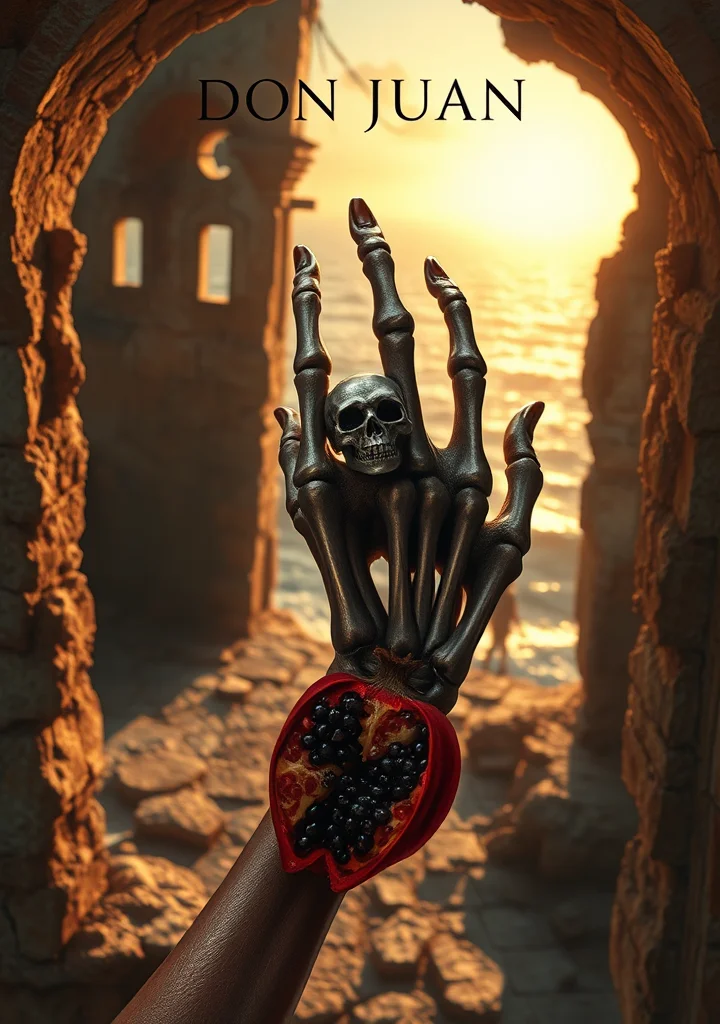
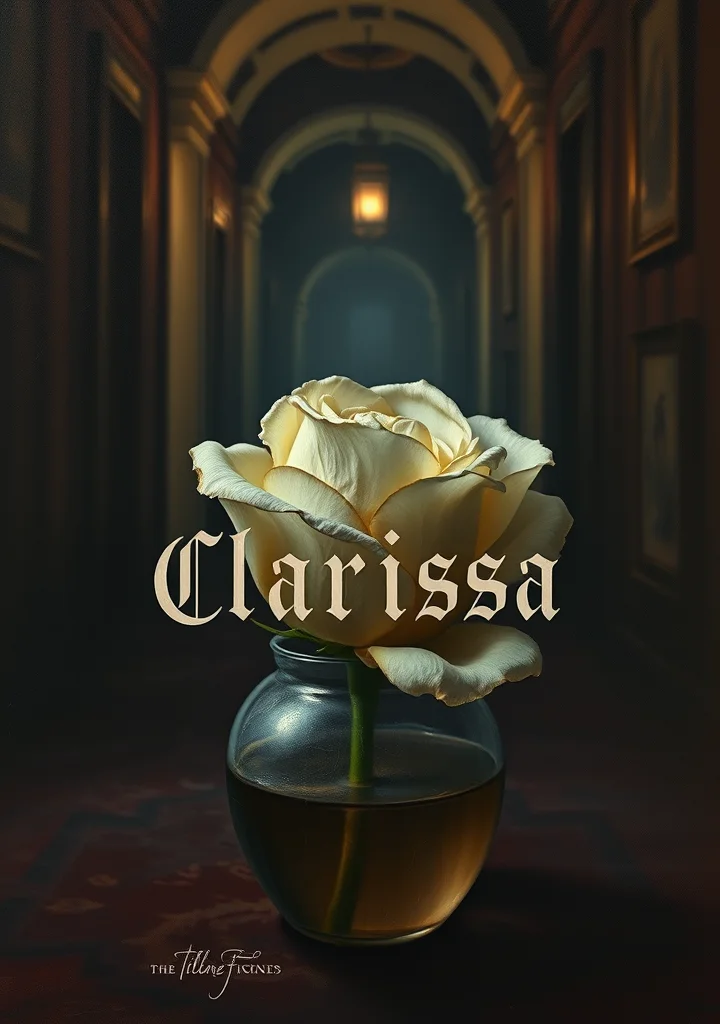
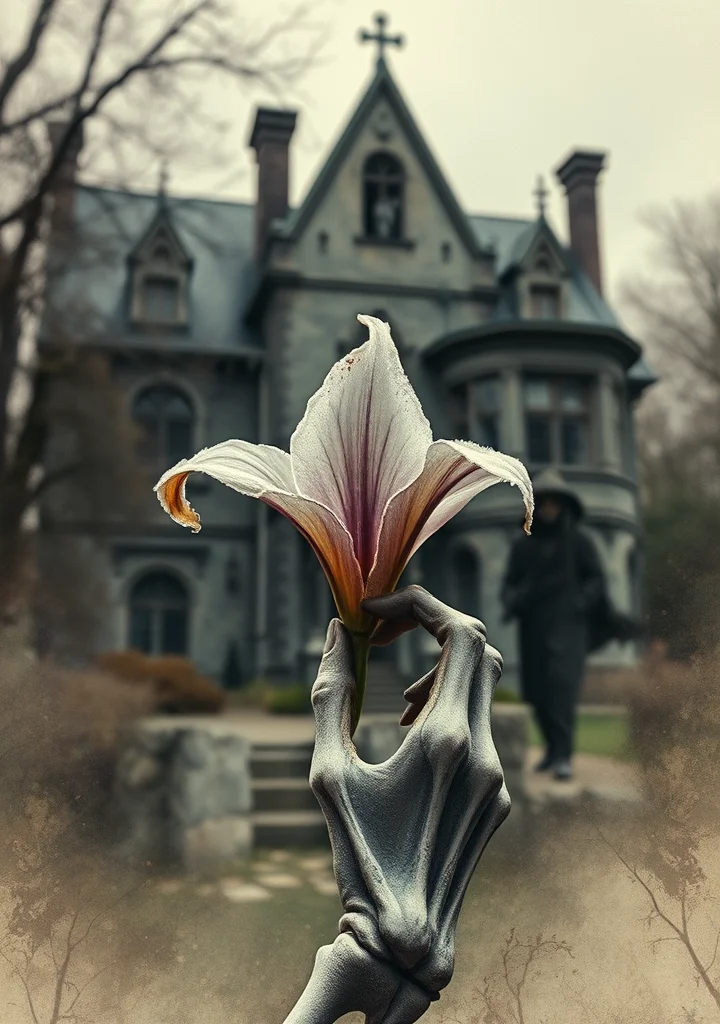
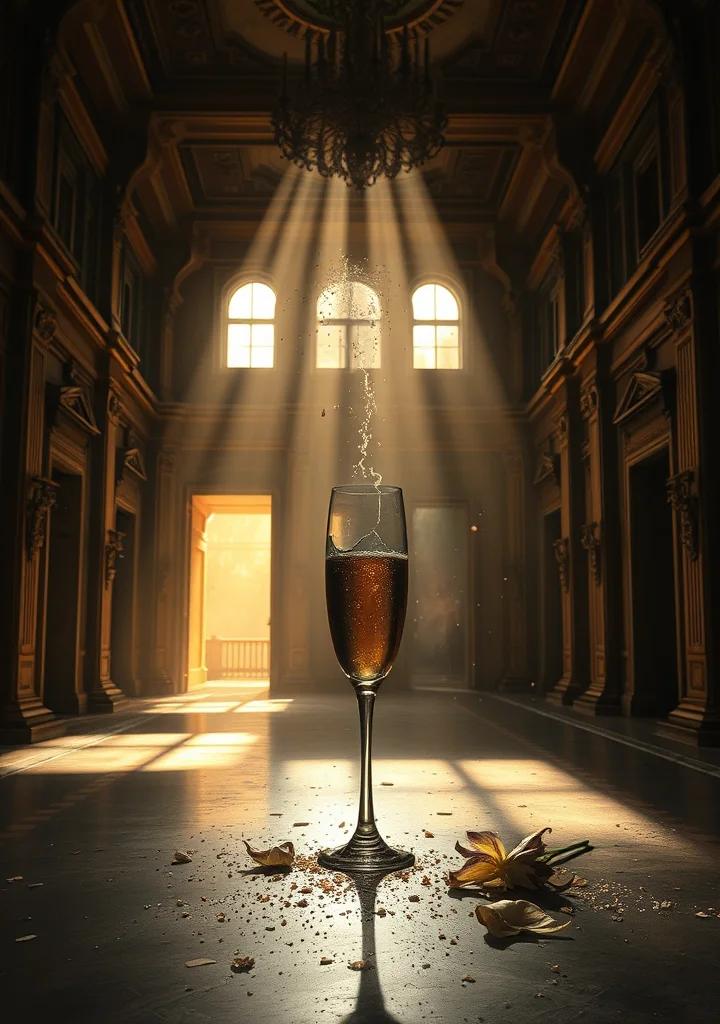
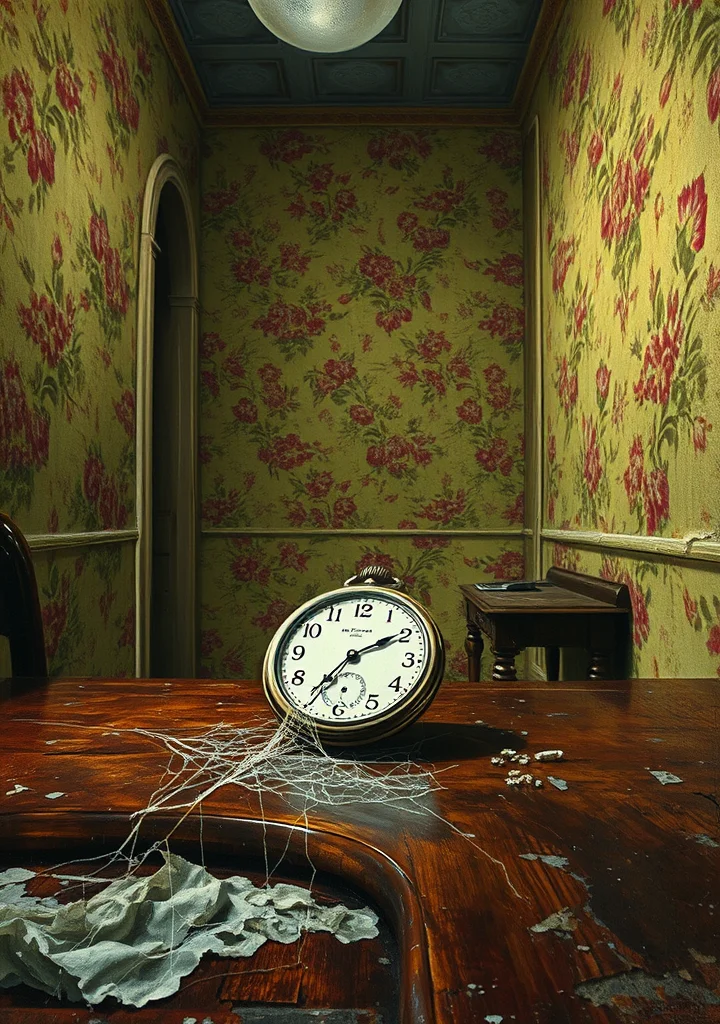
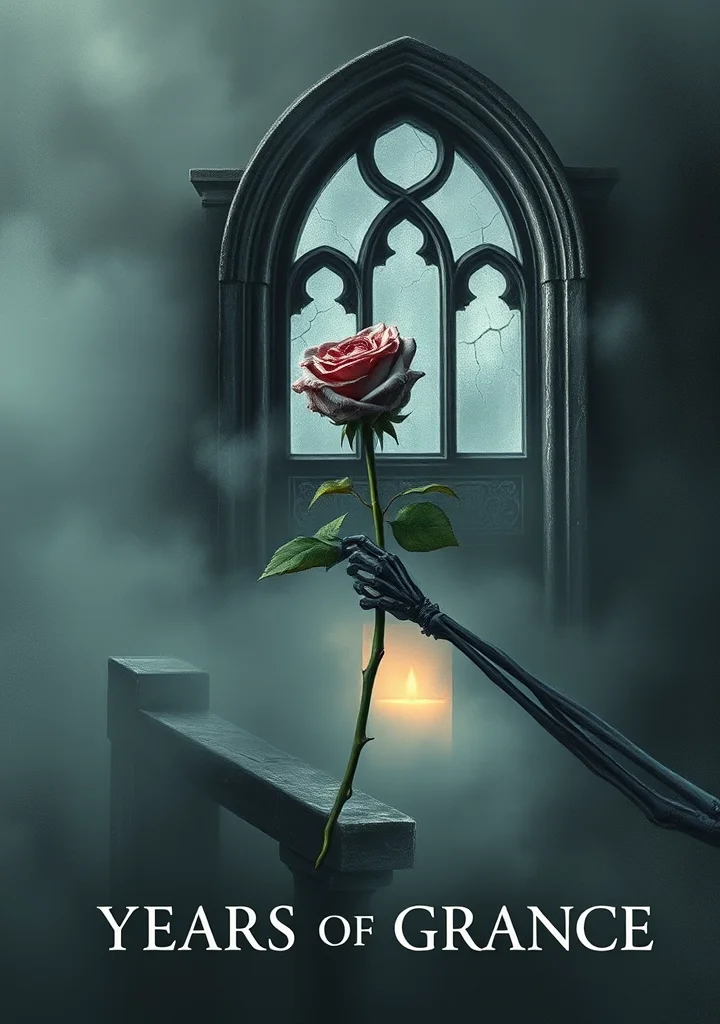
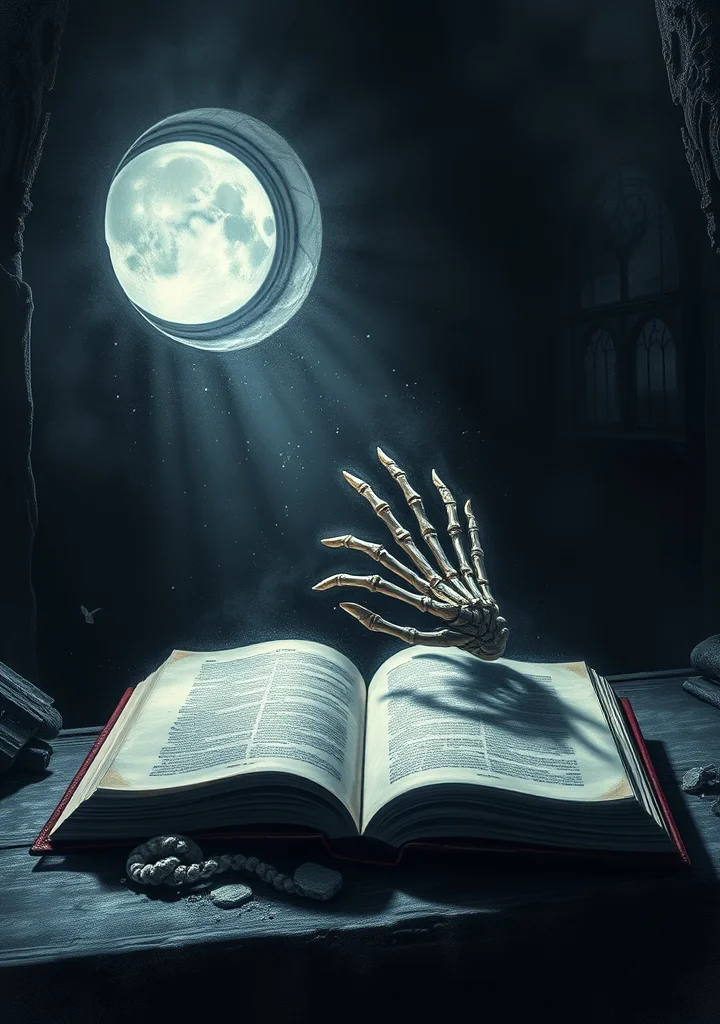
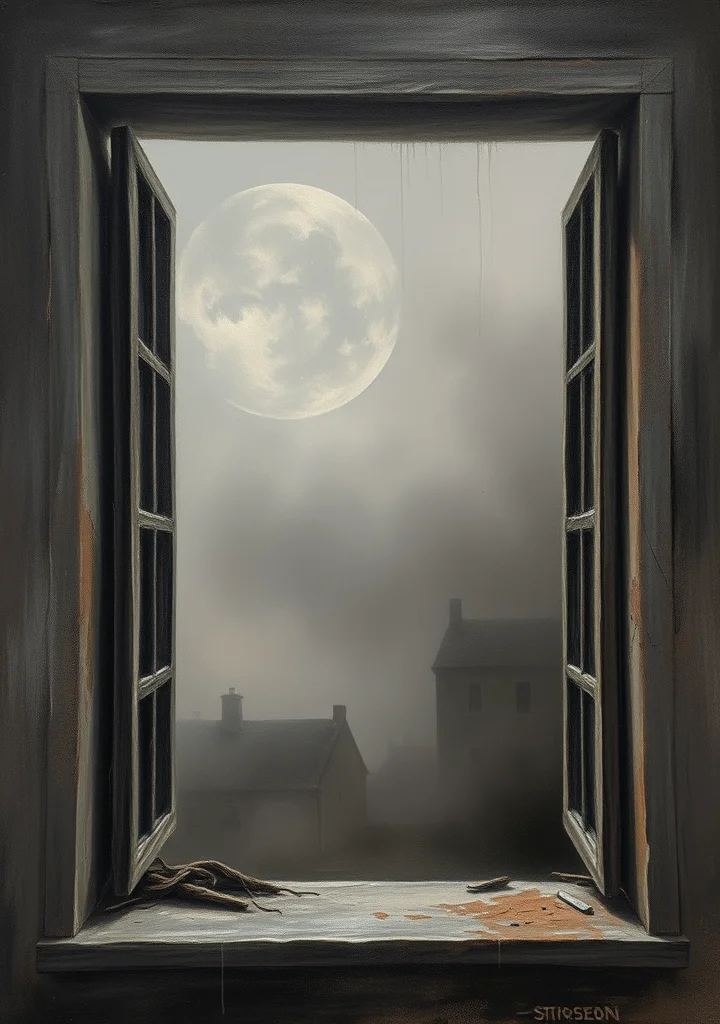
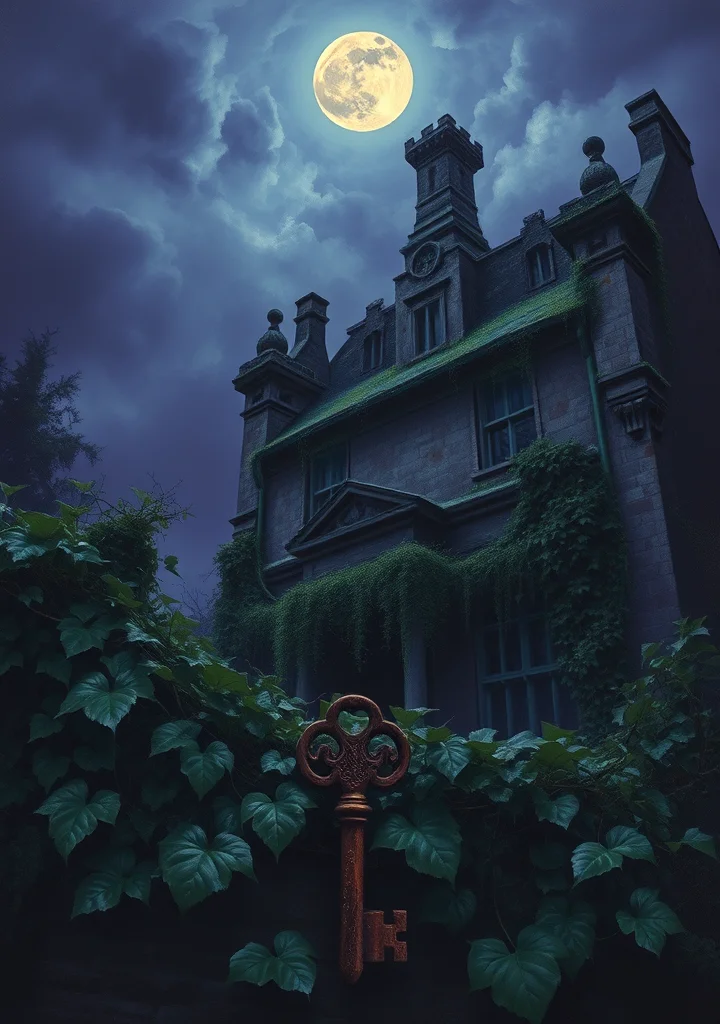
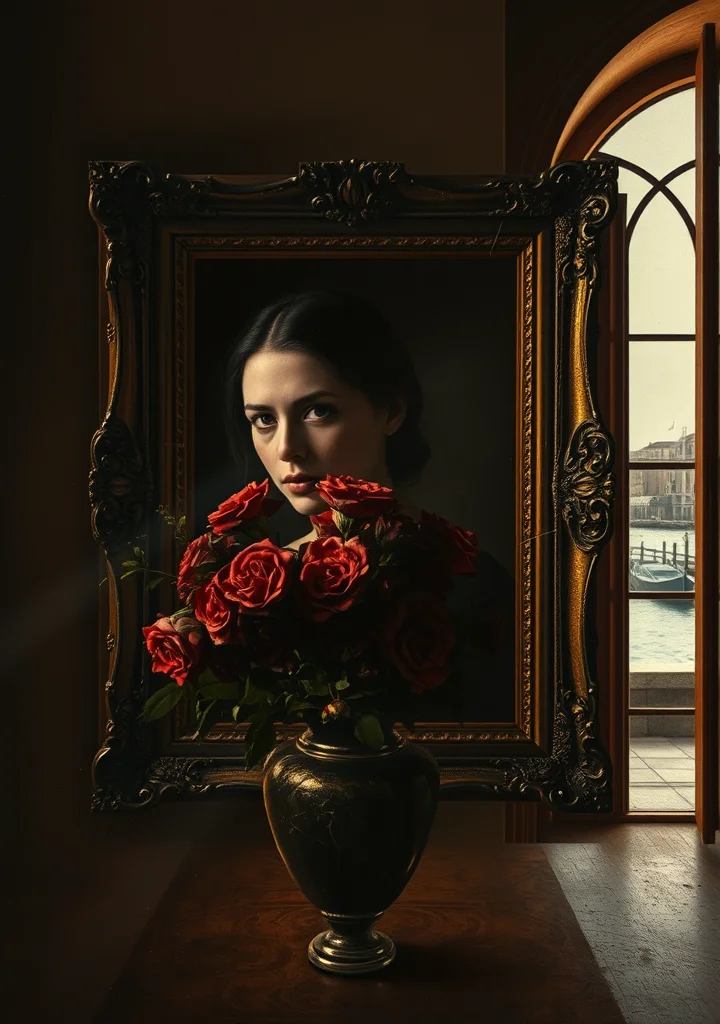
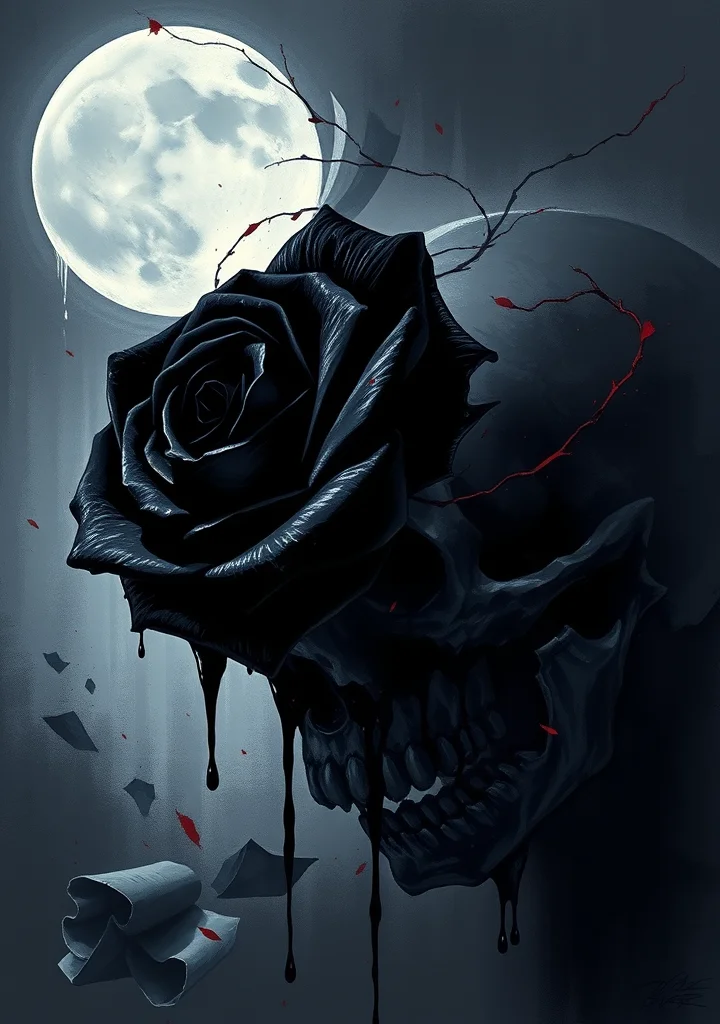
A creeping dread clings to the shadowed corners of Elsinore, not from Hamlet’s ghost, but from the very ink staining these pages. Each verse exhales a frigid breath, laced with the rot of forgotten desires. Here, love blooms as a black rose, thorny and intoxicating, consuming all it touches. The sonnets, etched with a melancholic elegance, mirror chambers echoing with the sighs of the damned. Moonlight fractures across these lines, revealing glimpses of spectral figures – Ophelia adrift in a willow-woven shroud, Macbeth’s ambition festering like a wound in the Scottish mist. The language itself is a labyrinth, twisting through corridors of grief and shadowed by the skeletal branches of despair. A suffocating perfume of decay hangs heavy, a testament to the decay of beauty, the erosion of hope, and the chilling realization that every word whispered is a fragment of a broken heart, bleeding into eternity. These are not poems to be read, but rituals performed in the dimmest hours, unlocking the gate to a garden where thorns bloom eternal.
Copyright: Public Domain
This license allows anyone to use your story for any purpose, including printing, selling, or adapting it into a film freely.
This license allows anyone to use your story for any purpose, including printing, selling, or adapting it into a film freely.
Chapter List
-
« Poetry »📖 Continue Reading
-
« Chapter_3 »
-
« Chapter_4 »
-
« Chapter_5 »
-
« The Rape of Lucrece »
-
« Chapter_7 »
-
« The Argument »
-
« Chapter_9 »
-
« The Passionate Pilgrim »
-
« I »
-
« II »
-
« III »
-
« IV »
-
« V »
-
« VI »
-
« VII »
-
« VIII »
-
« IX »
-
« X »
-
« XI »
-
« XII »
-
« XIII »
-
« XIV »
-
« XV »
-
« Sonnets to Sundry Notes of Music »
-
« XVI »
-
« XVII »
-
« XVIII »
-
« XIX »
-
« XX »
-
« XXI »
-
« The Phoenix and the Turtle »
-
« I »
-
« I »
-
« II »
-
« III »
-
« IV »
-
« V »
-
« VI »
-
« VII »
-
« VIII »
-
« IX »
-
« X »
-
« XI »
-
« XII »
-
« XIII »
-
« XIV »
-
« XV »
-
« XVI »
-
« XVII »
-
« XVIII »
-
« XIX »
-
« XX »
-
« XXI »
-
« XXII »
-
« XXIII »
-
« XXIV »
-
« XXV »
-
« XXVI »
-
« XXVII »
-
« XXVIII »
-
« XXIX »
-
« XXX »
-
« XXXI »
-
« XXXII »
-
« XXXIII »
-
« XXXIV »
-
« XXXV »
-
« XXXVI »
-
« XXXVII »
-
« XXXVIII »
-
« XXXIX »
-
« XL »
-
« XLI »
-
« XLII »
-
« XLIII »
-
« XLIV »
-
« XLV »
-
« XLVI »
-
« XLVII »
-
« XLVIII »
-
« XLIX »
-
« L »
-
« LI »
-
« LII »
-
« LIII »
-
« LIV »
-
« LV »
-
« LVI »
-
« LVII »
-
« LVIII »
-
« LIX »
-
« LX »
-
« LXI »
-
« LXII »
-
« LXIII »
-
« LXIV »
-
« LXV »
-
« LXVI »
-
« LXVII »
-
« LXVIII »
-
« LXIX »
-
« LXX »
-
« LXXI »
-
« LXXII »
-
« LXXIII »
-
« LXXIV »
-
« LXXV »
-
« LXXVI »
-
« LXXVII »
-
« LXXVIII »
-
« LXXIX »
-
« LXXX »
-
« LXXXI »
-
« LXXXII »
-
« LXXXIII »
-
« LXXXIV »
-
« LXXXV »
-
« LXXXVI »
-
« LXXXVII »
-
« LXXXVIII »
-
« LXXXIX »
-
« XC »
-
« XCI »
-
« XCII »
-
« XCIII »
-
« XCIV »
-
« XCV »
-
« XCVI »
-
« XCVII »
-
« XCVIII »
-
« XCIX »
-
« C »
-
« CI »
-
« CII »
-
« CIII »
-
« CIV »
-
« CV »
-
« CVI »
-
« CVII »
-
« CVIII »
-
« CIX »
-
« CX »
-
« CXI »
-
« CXII »
-
« CXIII »
-
« CXIV »
-
« CXV »
-
« CXVI »
-
« CXVII »
-
« CXVIII »
-
« CXIX »
-
« CXX »
-
« CXXI »
-
« CXXII »
-
« CXXIII »
-
« CXXIV »
-
« CXXV »
-
« CXXVI »
-
« CXXVII »
-
« CXXVIII »
-
« CXXIX »
-
« CXXX »
-
« CXXXI »
-
« CXXXII »
-
« CXXXIII »
-
« CXXXIV »
-
« CXXXV »
-
« CXXXVI »
-
« CXXXVII »
-
« CXXXVIII »
-
« CXXXIX »
-
« CXL »
-
« CXLI »
-
« CXLII »
-
« CXLIII »
-
« CXLIV »
-
« CXLV »
-
« CXLVI »
-
« CXLVII »
-
« CXLVIII »
-
« CXLIX »
-
« CL »
-
« CLI »
-
« CLII »
-
« CLIII »
-
« CLIV »
-
« A Lover’s Complaint »
188
-
« Poetry »
-
« Chapter_3 »
-
« Chapter_4 »
-
« Chapter_5 »
-
« The Rape of Lucrece »
-
« Chapter_7 »
-
« The Argument »
-
« Chapter_9 »
-
« The Passionate Pilgrim »
-
« I »
-
« II »
-
« III »
-
« IV »
-
« V »
-
« VI »
-
« VII »
-
« VIII »
-
« IX »
-
« X »
-
« XI »
-
« XII »
-
« XIII »
-
« XIV »
-
« XV »
-
« Sonnets to Sundry Notes of Music »
-
« XVI »
-
« XVII »
-
« XVIII »
-
« XIX »
-
« XX »
-
« XXI »
-
« The Phoenix and the Turtle »
-
« I »
-
« I »
-
« II »
-
« III »
-
« IV »
-
« V »
-
« VI »
-
« VII »
-
« VIII »
-
« IX »
-
« X »
-
« XI »
-
« XII »
-
« XIII »
-
« XIV »
-
« XV »
-
« XVI »
-
« XVII »
-
« XVIII »
-
« XIX »
-
« XX »
-
« XXI »
-
« XXII »
-
« XXIII »
-
« XXIV »
-
« XXV »
-
« XXVI »
-
« XXVII »
-
« XXVIII »
-
« XXIX »
-
« XXX »
-
« XXXI »
-
« XXXII »
-
« XXXIII »
-
« XXXIV »
-
« XXXV »
-
« XXXVI »
-
« XXXVII »
-
« XXXVIII »
-
« XXXIX »
-
« XL »
-
« XLI »
-
« XLII »
-
« XLIII »
-
« XLIV »
-
« XLV »
-
« XLVI »
-
« XLVII »
-
« XLVIII »
-
« XLIX »
-
« L »
-
« LI »
-
« LII »
-
« LIII »
-
« LIV »
-
« LV »
-
« LVI »
-
« LVII »
-
« LVIII »
-
« LIX »
-
« LX »
-
« LXI »
-
« LXII »
-
« LXIII »
-
« LXIV »
-
« LXV »
-
« LXVI »
-
« LXVII »
-
« LXVIII »
-
« LXIX »
-
« LXX »
-
« LXXI »
-
« LXXII »
-
« LXXIII »
-
« LXXIV »
-
« LXXV »
-
« LXXVI »
-
« LXXVII »
-
« LXXVIII »
-
« LXXIX »
-
« LXXX »
-
« LXXXI »
-
« LXXXII »
-
« LXXXIII »
-
« LXXXIV »
-
« LXXXV »
-
« LXXXVI »
-
« LXXXVII »
-
« LXXXVIII »
-
« LXXXIX »
-
« XC »
-
« XCI »
-
« XCII »
-
« XCIII »
-
« XCIV »
-
« XCV »
-
« XCVI »
-
« XCVII »
-
« XCVIII »
-
« XCIX »
-
« C »
-
« CI »
-
« CII »
-
« CIII »
-
« CIV »
-
« CV »
-
« CVI »
-
« CVII »
-
« CVIII »
-
« CIX »
-
« CX »
-
« CXI »
-
« CXII »
-
« CXIII »
-
« CXIV »
-
« CXV »
-
« CXVI »
-
« CXVII »
-
« CXVIII »
-
« CXIX »
-
« CXX »
-
« CXXI »
-
« CXXII »
-
« CXXIII »
-
« CXXIV »
-
« CXXV »
-
« CXXVI »
-
« CXXVII »
-
« CXXVIII »
-
« CXXIX »
-
« CXXX »
-
« CXXXI »
-
« CXXXII »
-
« CXXXIII »
-
« CXXXIV »
-
« CXXXV »
-
« CXXXVI »
-
« CXXXVII »
-
« CXXXVIII »
-
« CXXXIX »
-
« CXL »
-
« CXLI »
-
« CXLII »
-
« CXLIII »
-
« CXLIV »
-
« CXLV »
-
« CXLVI »
-
« CXLVII »
-
« CXLVIII »
-
« CXLIX »
-
« CL »
-
« CLI »
-
« CLII »
-
« CLIII »
-
« CLIV »
-
« A Lover’s Complaint »
More like this