
-
Read 1.2K
-
0
-
Part 125
Completed, First published Mar 02, 2026
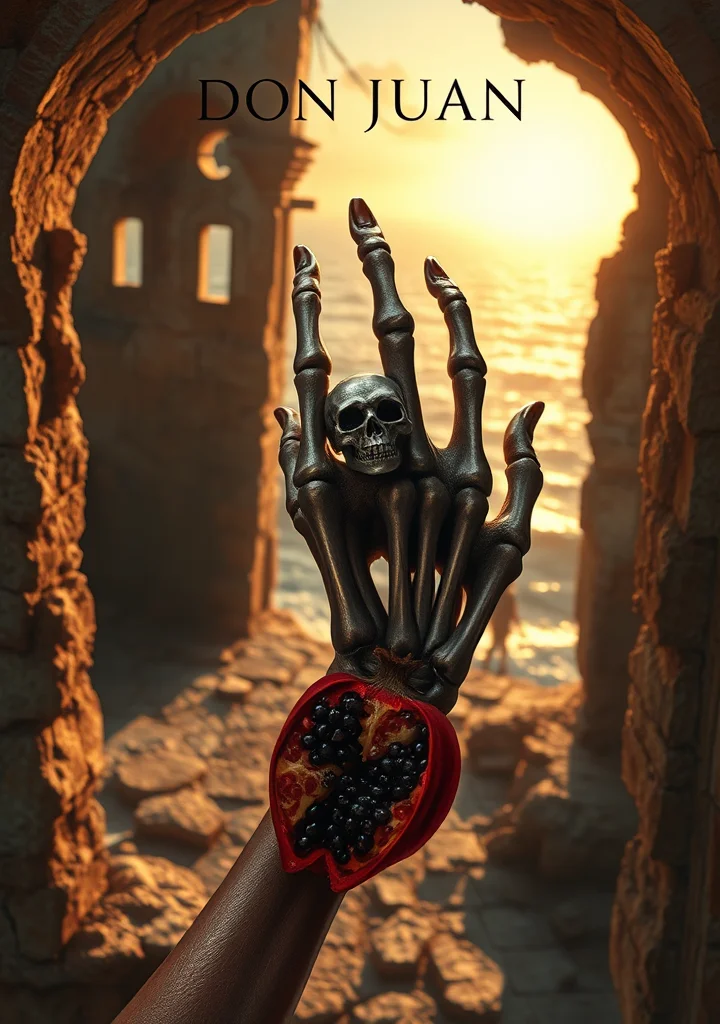
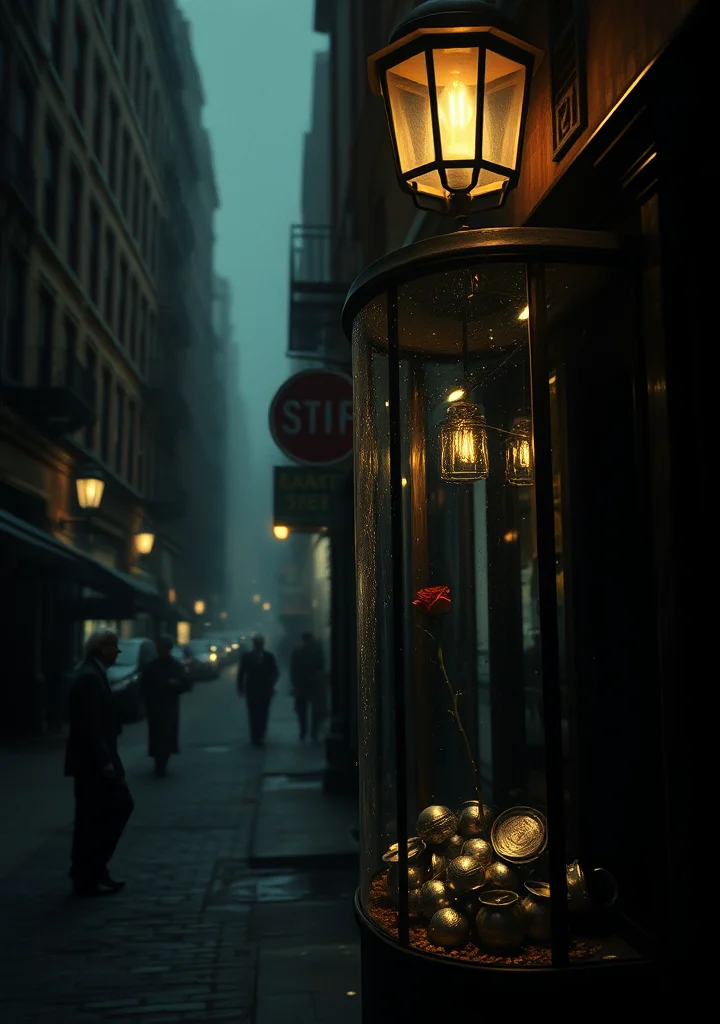
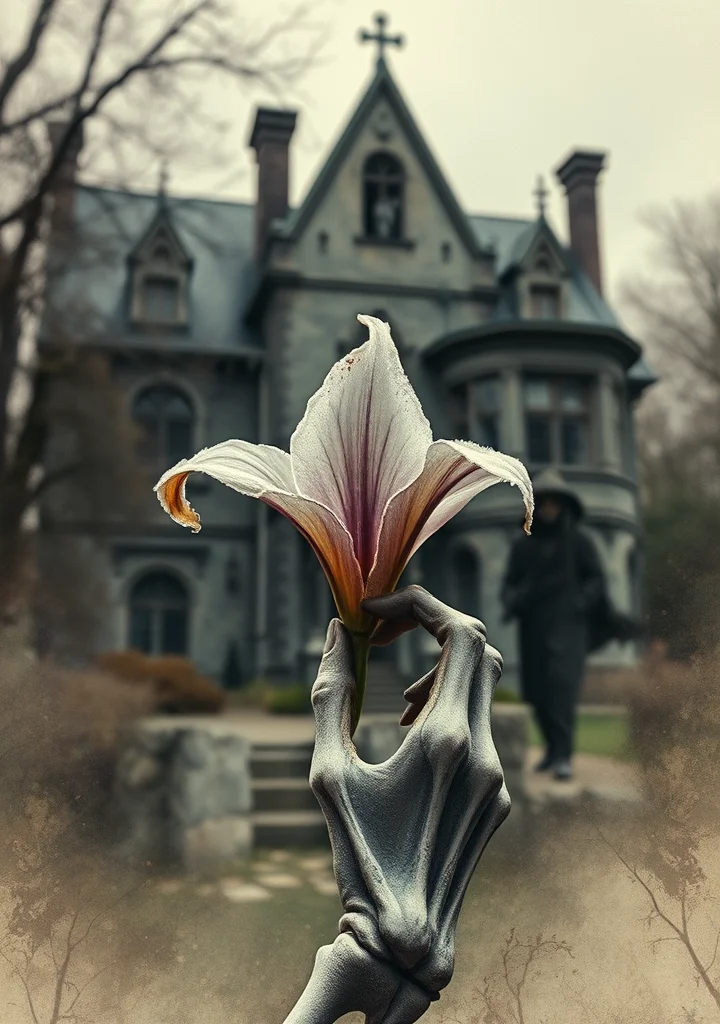
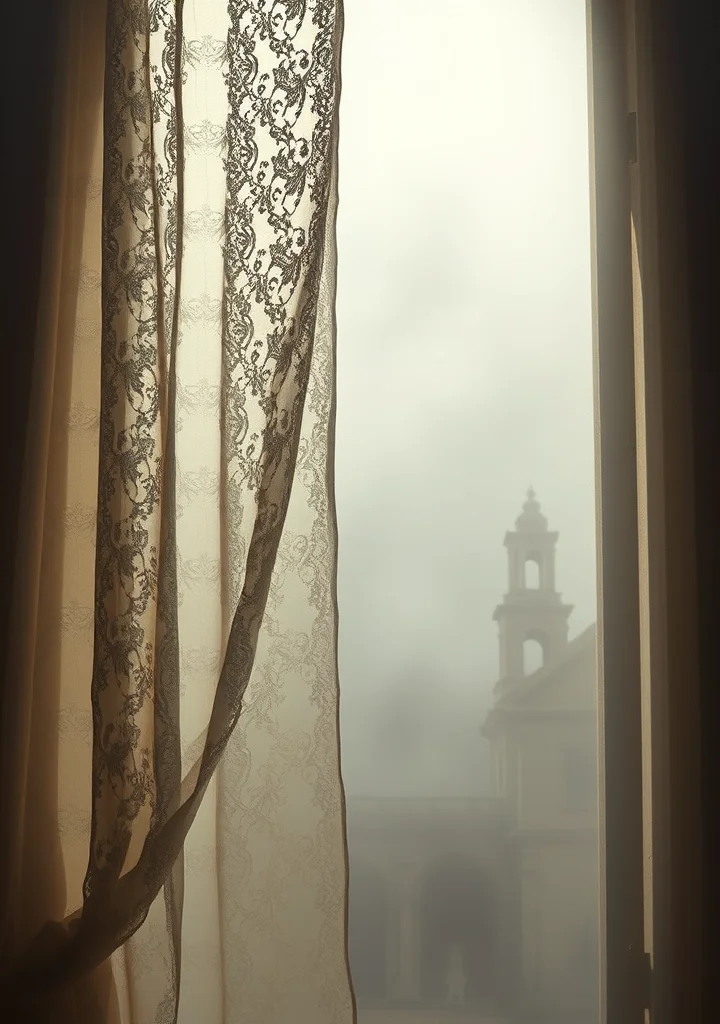
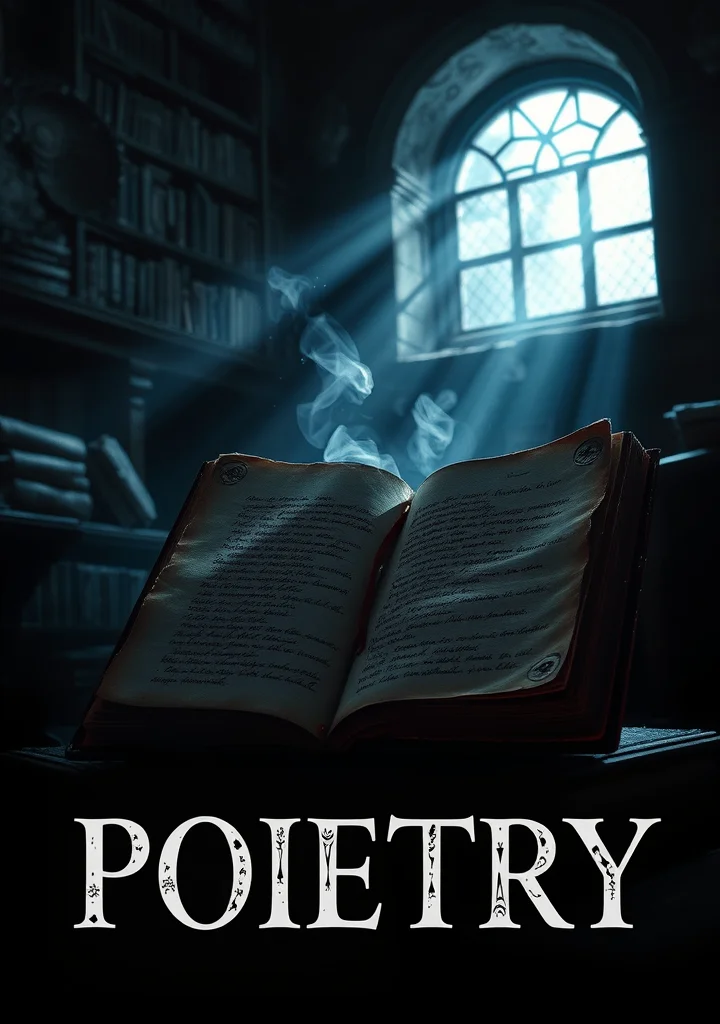
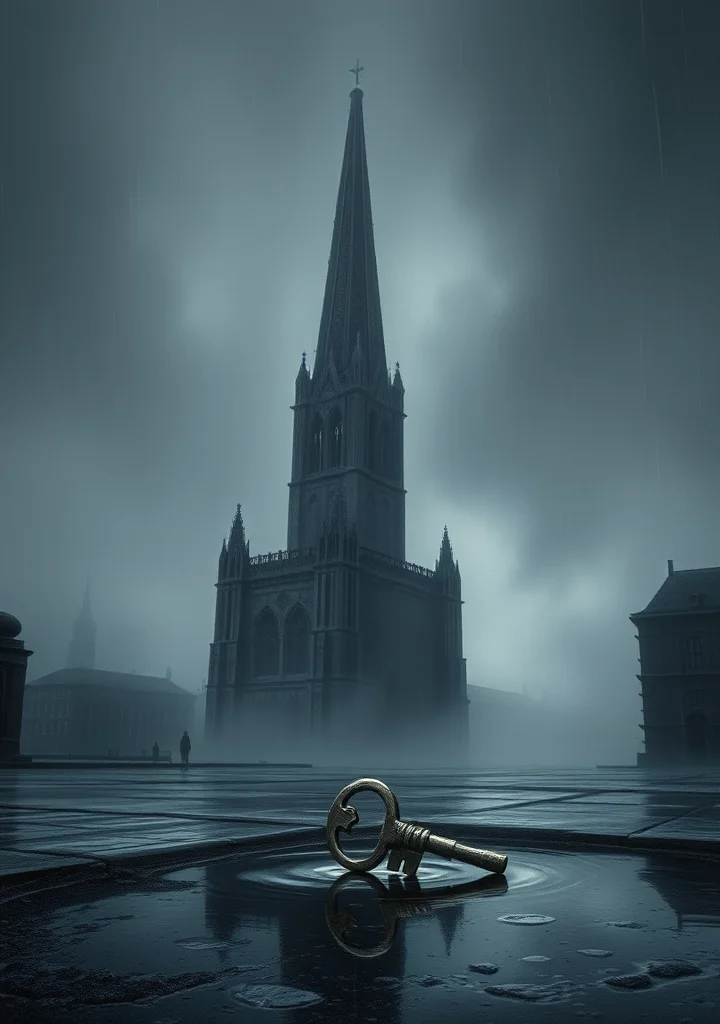
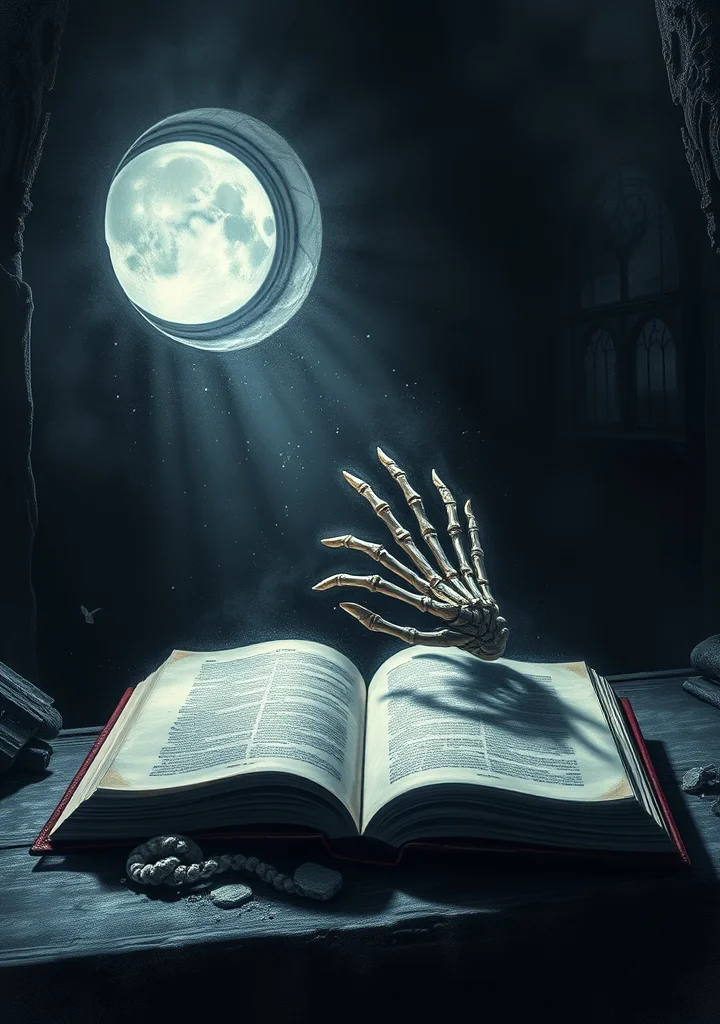
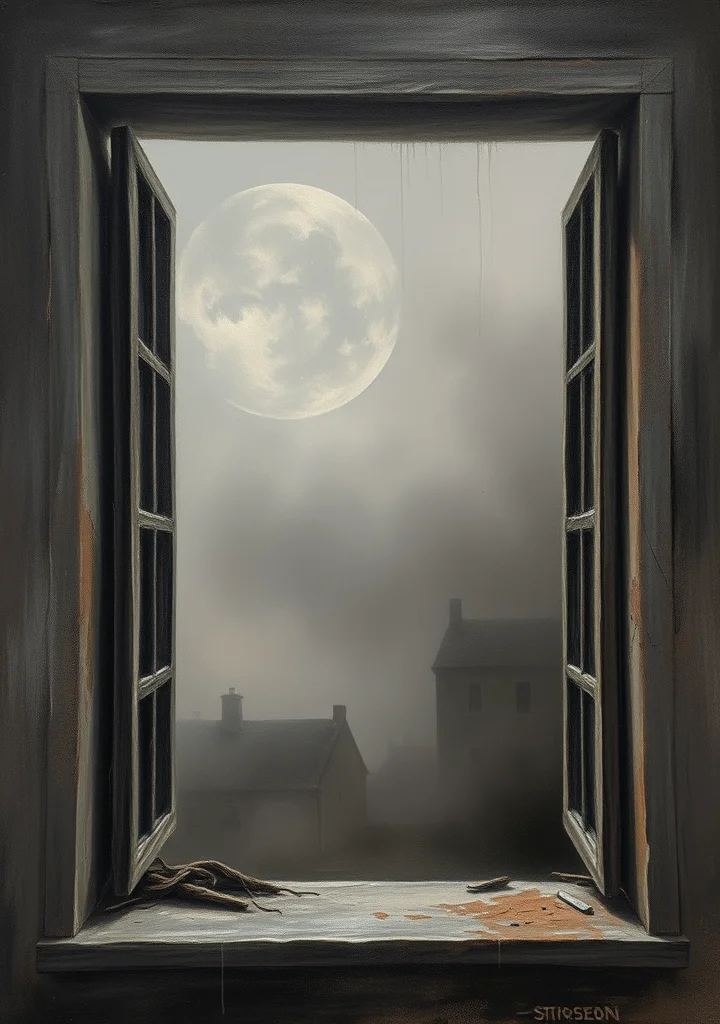
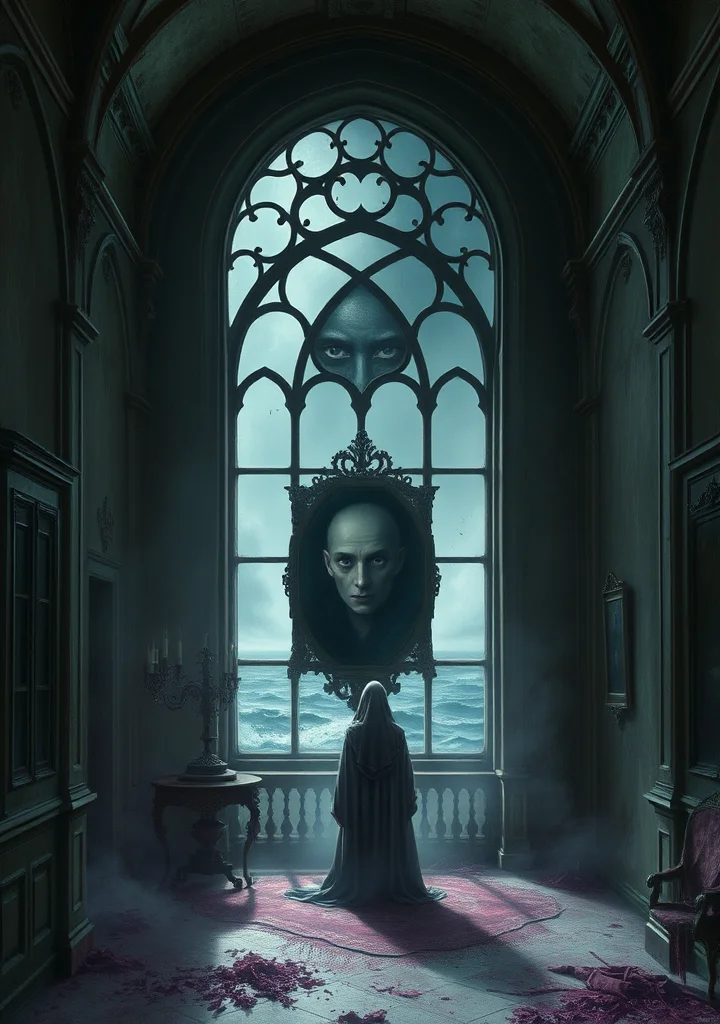
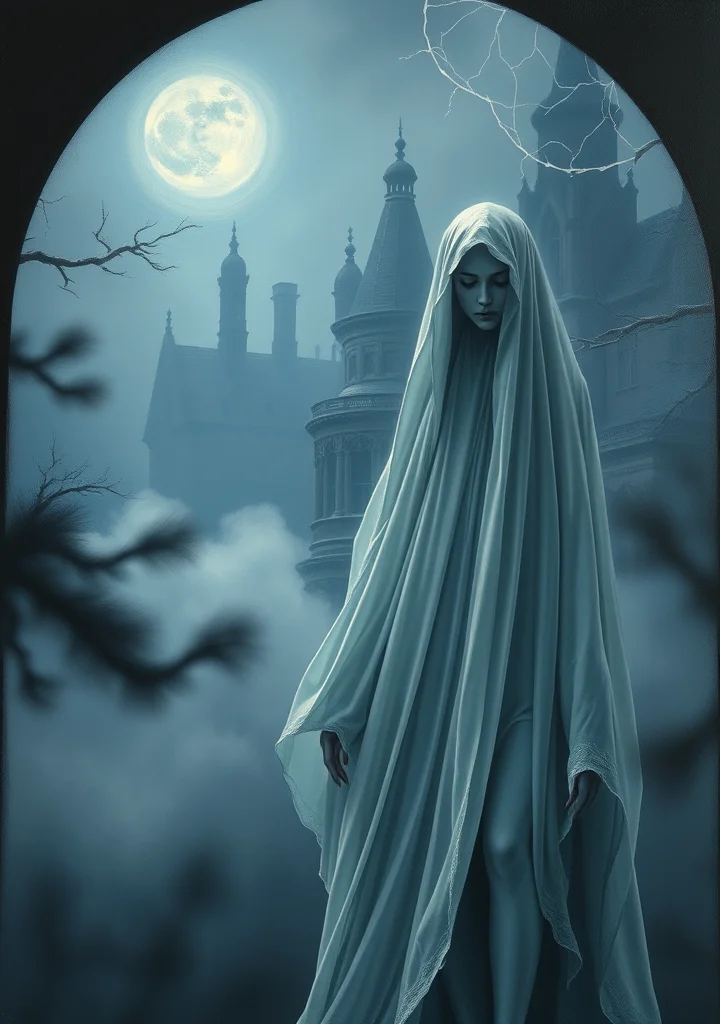
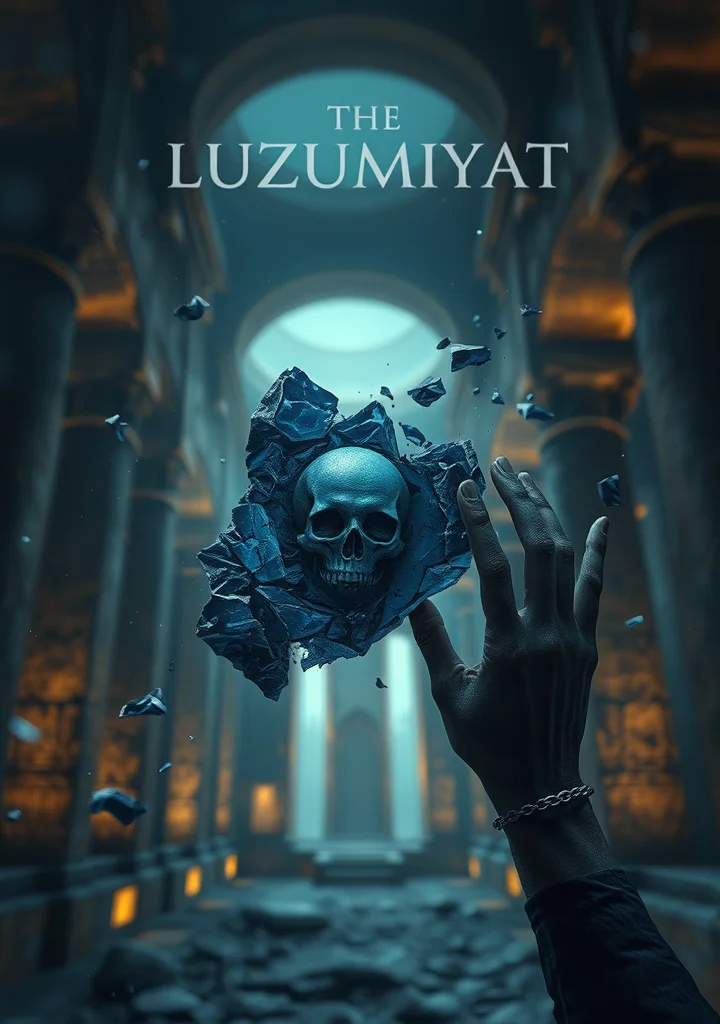
Dust motes dance in the perpetual twilight of a forgotten library, where the scholar al-Maʻarri, driven by a melancholic obsession, unravels the fragments of the Luzumiyat – poems born from the fever dreams of a man chained within his own skull. Each verse is a shard of obsidian, reflecting not divine light, but the cold, sterile gleam of reason stripped bare. The narrative clings to the crumbling sandstone of a decaying monastery, echoing with the whispers of hermits who traded flesh for silence. A creeping dread permeates the pages, not of demons or ghouls, but of the exquisite, terrifying emptiness at the heart of existence. The air tastes of ash and regret, and the scent of jasmine masks the rot of decaying scrolls. One senses not a plot unfolding, but a slow descent into the labyrinth of a mind unraveling, where the boundaries between dream, scripture, and madness dissolve into a suffocating gray. The Luzumiyat aren’t merely read; they are *absorbed*, leaving a residue of bone-white despair that clings to the reader long after the final line fades into shadow. The silence that follows is the most terrible revelation of all.
Copyright: Public Domain
This license allows anyone to use your story for any purpose, including printing, selling, or adapting it into a film freely.
This license allows anyone to use your story for any purpose, including printing, selling, or adapting it into a film freely.
Chapter List
-
« The Luzumiyat »📖 Continue Reading
-
« Chapter_3 »
-
« To Abu al-ʻAlaʼ »
-
« Preface »
-
« I »
-
« II »
-
« III »
-
« IV »
-
« V »
-
« VI »
-
« VII »
-
« VIII »
-
« IX »
-
« X »
-
« XI »
-
« XII »
-
« XIII »
-
« XIV »
-
« XV »
-
« XVI »
-
« XVII »
-
« XVIII »
-
« XIX »
-
« XX »
-
« XXI »
-
« XXII »
-
« XXIII »
-
« XXIV »
-
« XXV »
-
« XXVI »
-
« XXVII »
-
« XXVIII »
-
« XXIX »
-
« XXX »
-
« XXXI »
-
« XXXII »
-
« XXXIII »
-
« XXXIV »
-
« XXXV »
-
« XXXVI »
-
« XXXVII »
-
« XXXVIII »
-
« XXXIX »
-
« XL »
-
« XLI »
-
« XLII »
-
« XLIII »
-
« XLIV »
-
« XLV »
-
« XLVI »
-
« XLVII »
-
« XLVIII »
-
« XLIX »
-
« L »
-
« LI »
-
« LII »
-
« LIII »
-
« LIV »
-
« LV »
-
« LVI »
-
« LVII »
-
« LVIII »
-
« LIX »
-
« LX »
-
« LXI »
-
« LXII »
-
« LXIII »
-
« LXIV »
-
« LXV »
-
« LXVI »
-
« LXVII »
-
« LXVIII »
-
« LXIX »
-
« LXX »
-
« LXXI »
-
« LXXII »
-
« LXXIII »
-
« LXXIV »
-
« LXXV »
-
« LXXVI »
-
« LXXVII »
-
« LXXVIII »
-
« LXXIX »
-
« LXXX »
-
« LXXXI »
-
« LXXXII »
-
« LXXXIII »
-
« LXXXIV »
-
« LXXXV »
-
« LXXXVI »
-
« LXXXVII »
-
« LXXXVIII »
-
« LXXXIX »
-
« XC »
-
« XCI »
-
« XCII »
-
« XCIII »
-
« XCIV »
-
« XCV »
-
« XCVI »
-
« XCVII »
-
« XCVIII »
-
« XCIX »
-
« C »
-
« CI »
-
« CII »
-
« CIII »
-
« CIV »
-
« CV »
-
« CVI »
-
« CVII »
-
« CVIII »
-
« CIX »
-
« CX »
-
« CXI »
-
« CXII »
-
« CXIII »
-
« CXIV »
-
« CXV »
-
« CXVI »
-
« CXVII »
-
« CXVIII »
-
« CXIX »
-
« CXX »
-
« CXXI »
125
-
« The Luzumiyat »
-
« Chapter_3 »
-
« To Abu al-ʻAlaʼ »
-
« Preface »
-
« I »
-
« II »
-
« III »
-
« IV »
-
« V »
-
« VI »
-
« VII »
-
« VIII »
-
« IX »
-
« X »
-
« XI »
-
« XII »
-
« XIII »
-
« XIV »
-
« XV »
-
« XVI »
-
« XVII »
-
« XVIII »
-
« XIX »
-
« XX »
-
« XXI »
-
« XXII »
-
« XXIII »
-
« XXIV »
-
« XXV »
-
« XXVI »
-
« XXVII »
-
« XXVIII »
-
« XXIX »
-
« XXX »
-
« XXXI »
-
« XXXII »
-
« XXXIII »
-
« XXXIV »
-
« XXXV »
-
« XXXVI »
-
« XXXVII »
-
« XXXVIII »
-
« XXXIX »
-
« XL »
-
« XLI »
-
« XLII »
-
« XLIII »
-
« XLIV »
-
« XLV »
-
« XLVI »
-
« XLVII »
-
« XLVIII »
-
« XLIX »
-
« L »
-
« LI »
-
« LII »
-
« LIII »
-
« LIV »
-
« LV »
-
« LVI »
-
« LVII »
-
« LVIII »
-
« LIX »
-
« LX »
-
« LXI »
-
« LXII »
-
« LXIII »
-
« LXIV »
-
« LXV »
-
« LXVI »
-
« LXVII »
-
« LXVIII »
-
« LXIX »
-
« LXX »
-
« LXXI »
-
« LXXII »
-
« LXXIII »
-
« LXXIV »
-
« LXXV »
-
« LXXVI »
-
« LXXVII »
-
« LXXVIII »
-
« LXXIX »
-
« LXXX »
-
« LXXXI »
-
« LXXXII »
-
« LXXXIII »
-
« LXXXIV »
-
« LXXXV »
-
« LXXXVI »
-
« LXXXVII »
-
« LXXXVIII »
-
« LXXXIX »
-
« XC »
-
« XCI »
-
« XCII »
-
« XCIII »
-
« XCIV »
-
« XCV »
-
« XCVI »
-
« XCVII »
-
« XCVIII »
-
« XCIX »
-
« C »
-
« CI »
-
« CII »
-
« CIII »
-
« CIV »
-
« CV »
-
« CVI »
-
« CVII »
-
« CVIII »
-
« CIX »
-
« CX »
-
« CXI »
-
« CXII »
-
« CXIII »
-
« CXIV »
-
« CXV »
-
« CXVI »
-
« CXVII »
-
« CXVIII »
-
« CXIX »
-
« CXX »
-
« CXXI »
More like this