
-
Read 342
-
0
-
Part 8
Completed, First published Mar 02, 2026
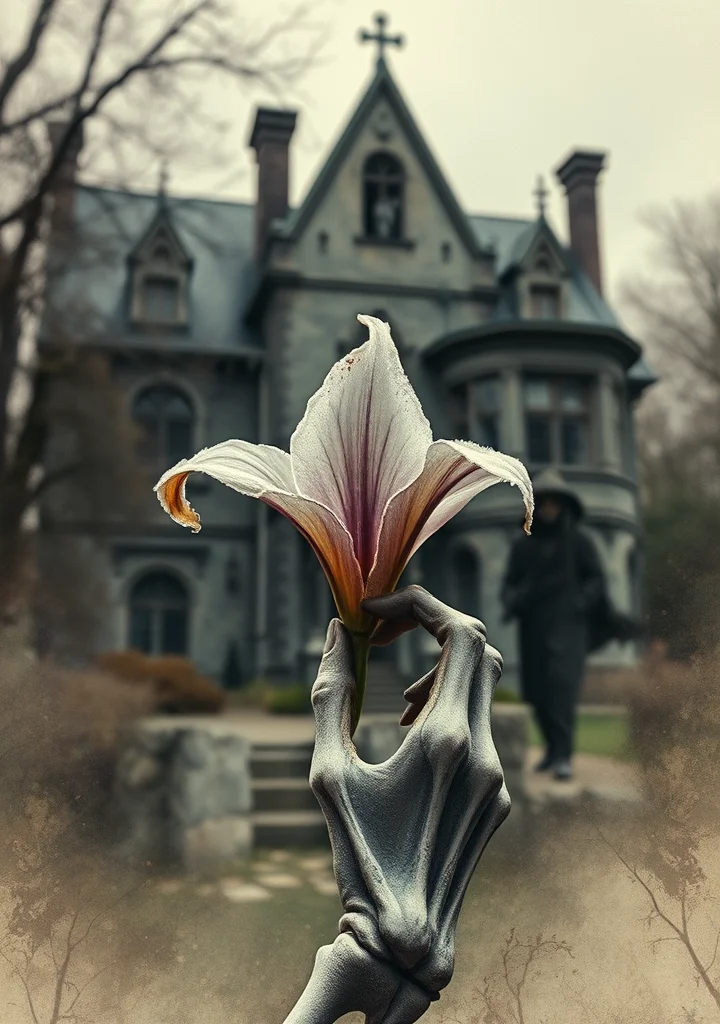
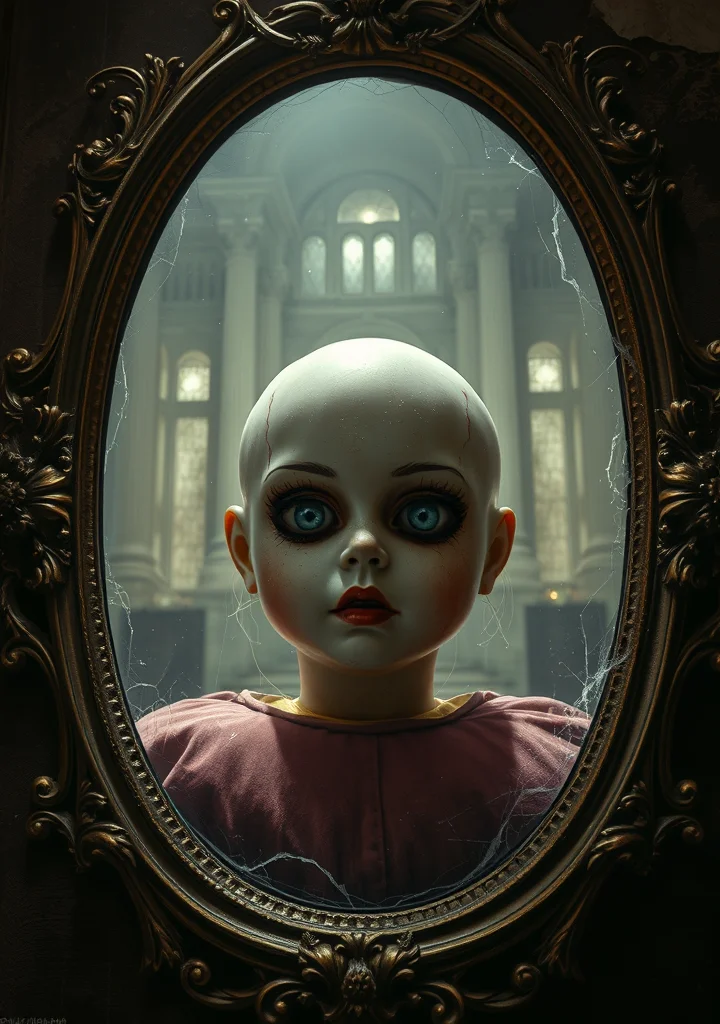
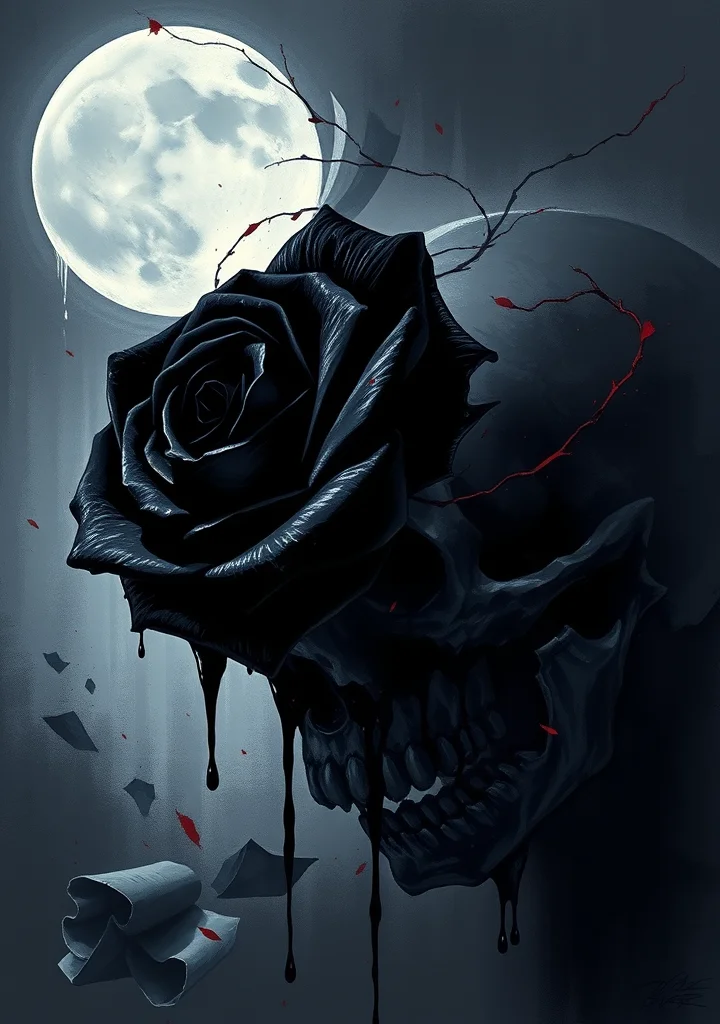
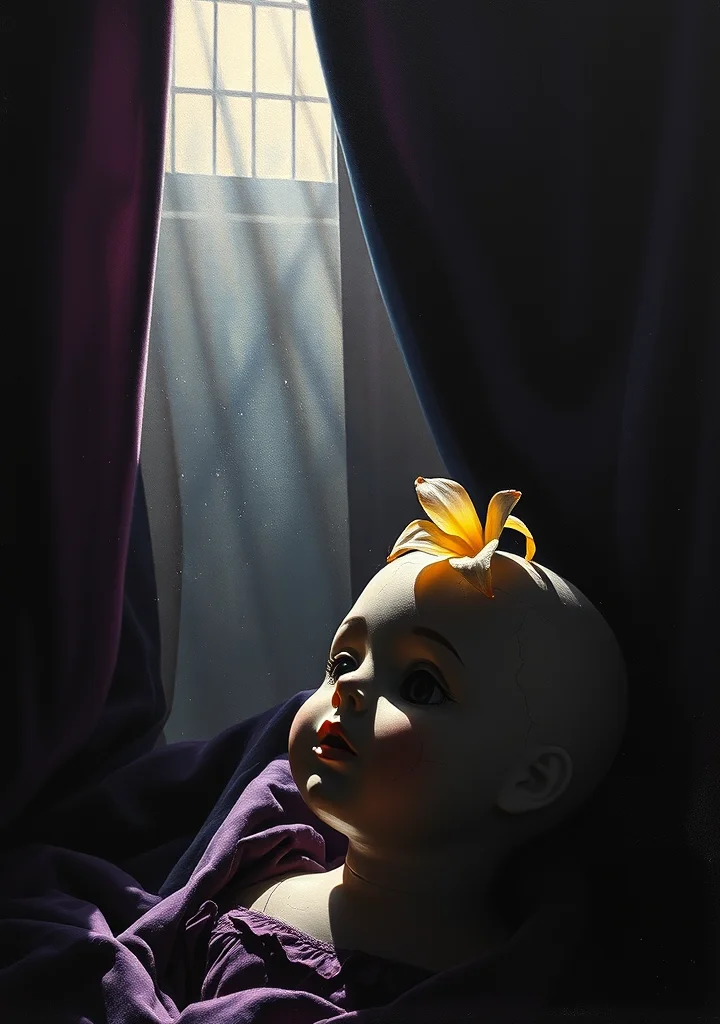
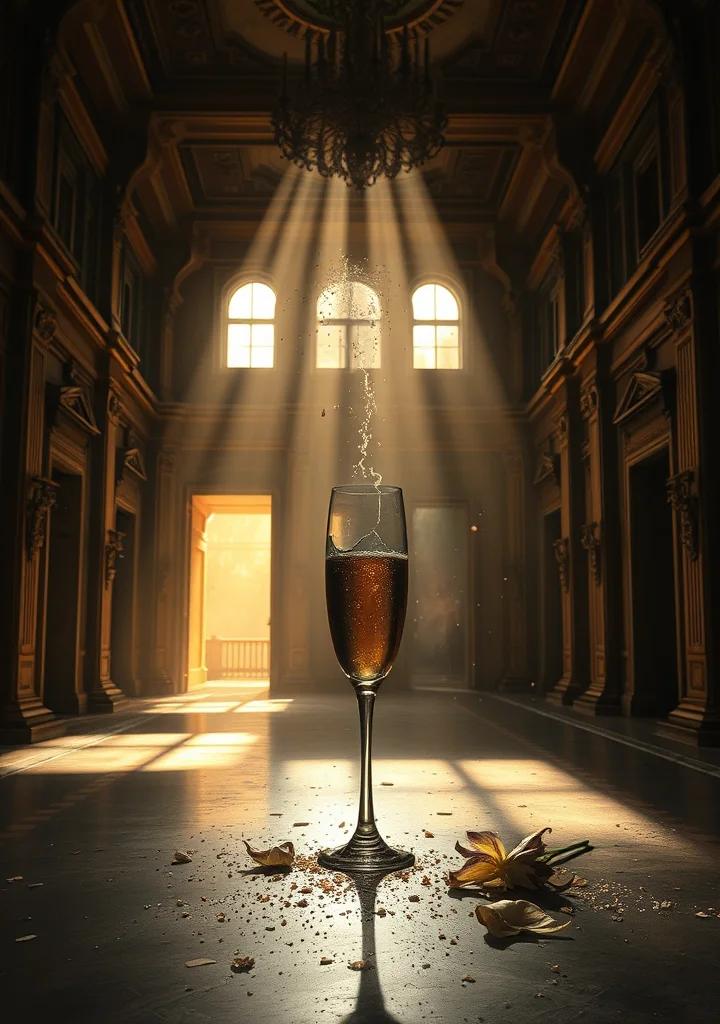
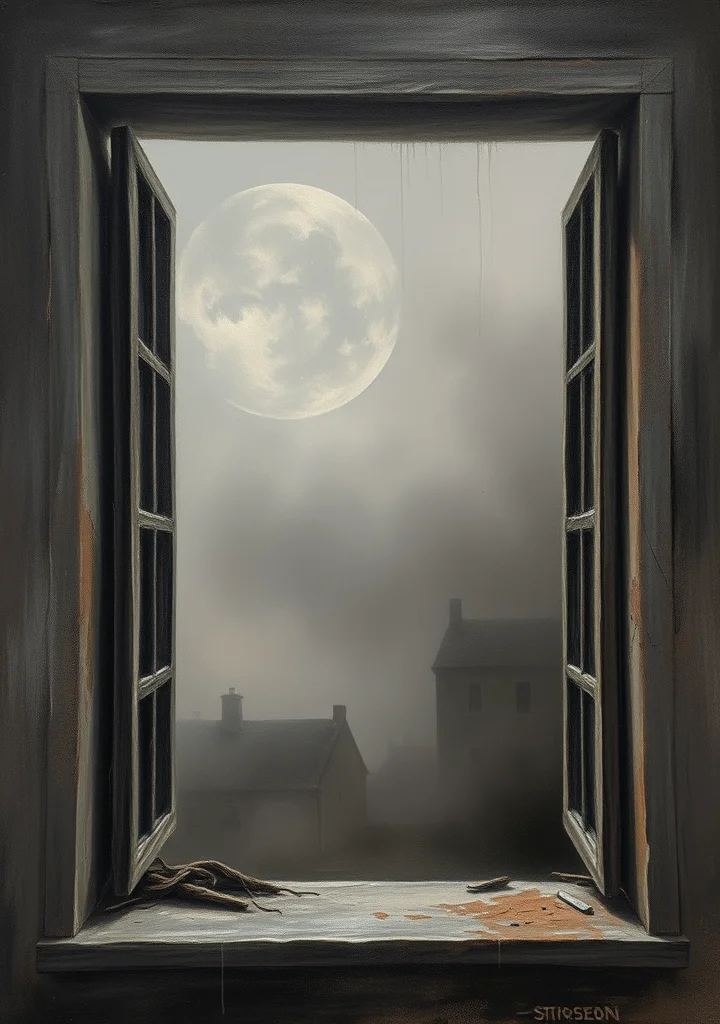
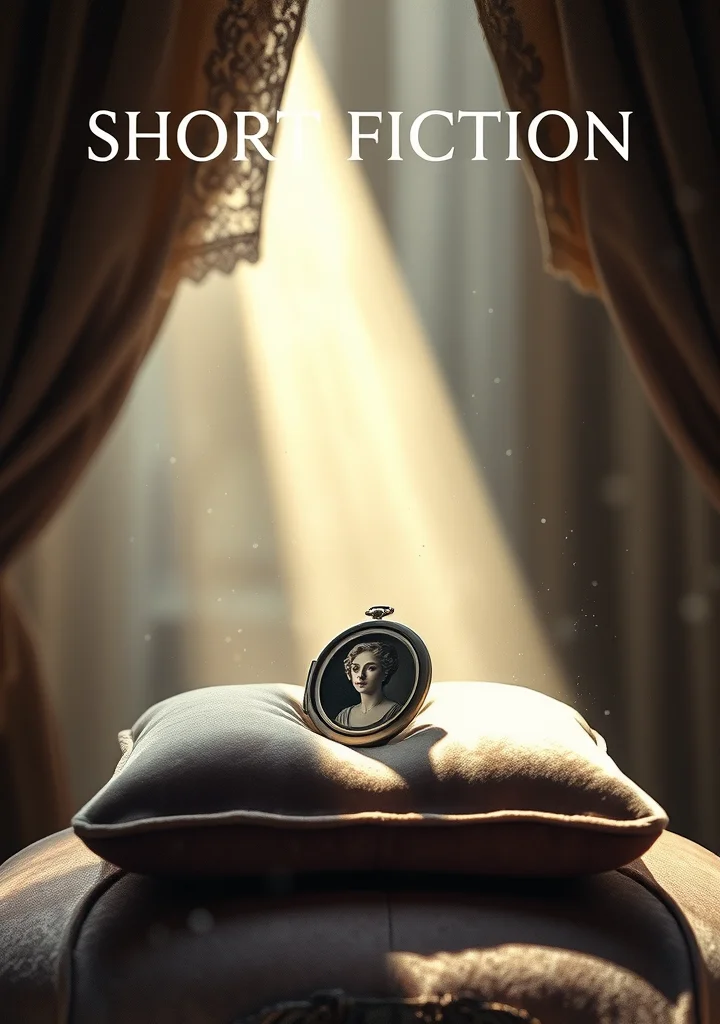
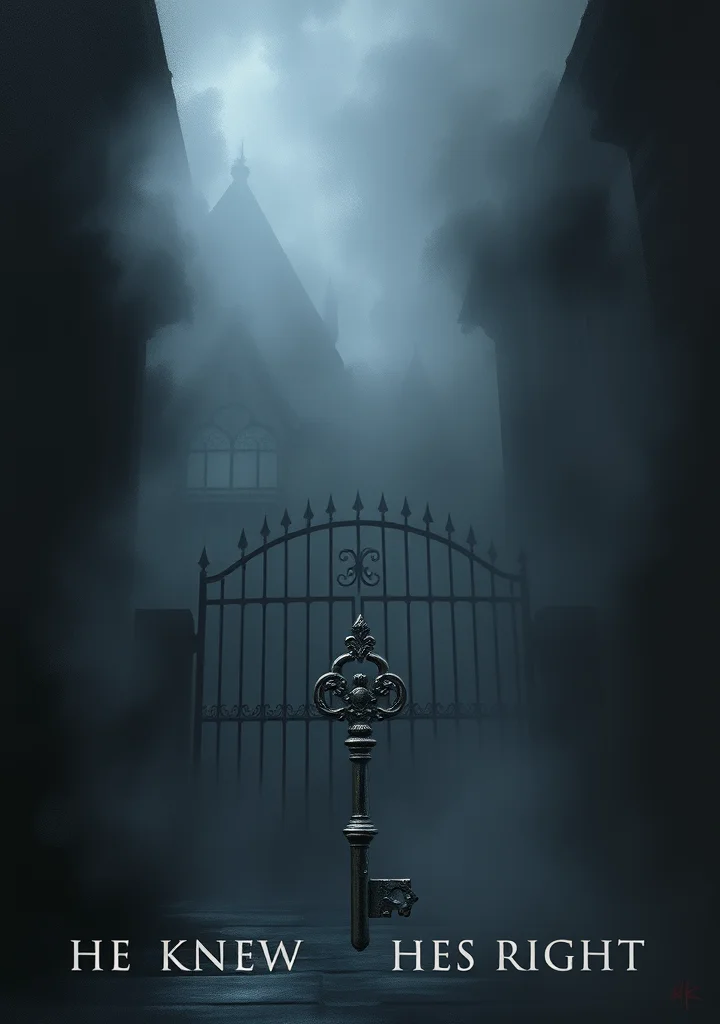
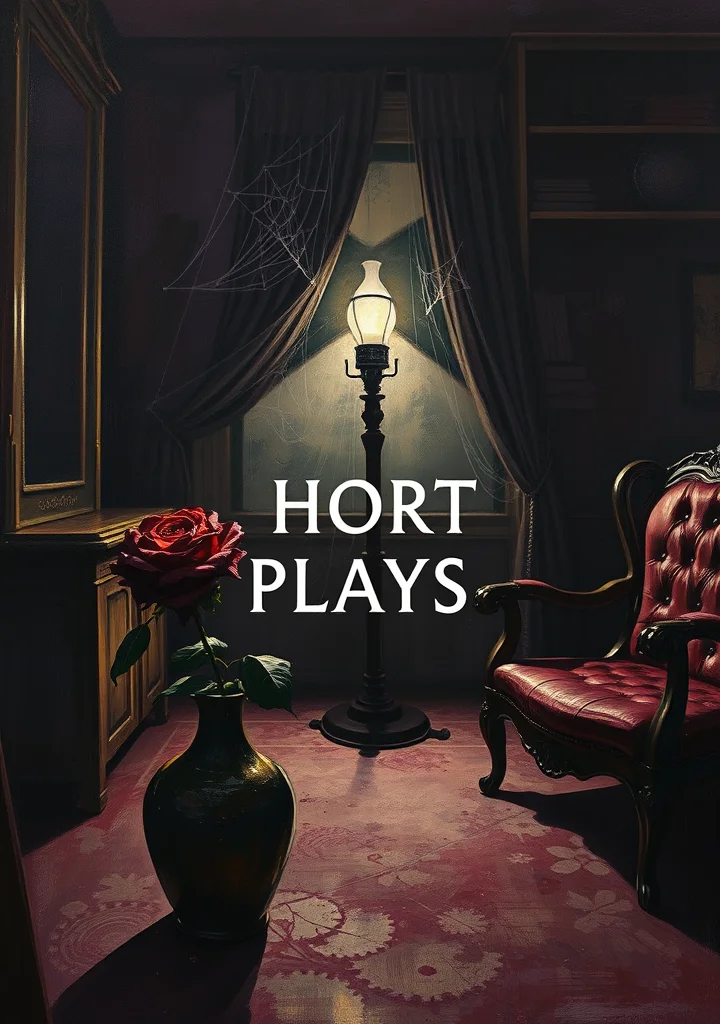
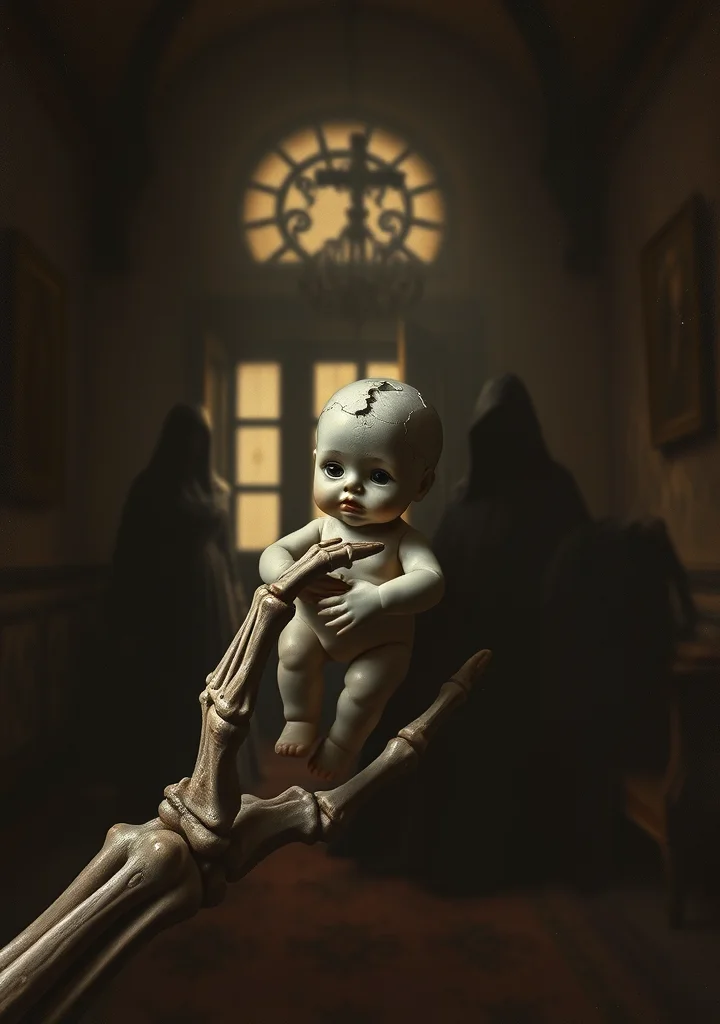
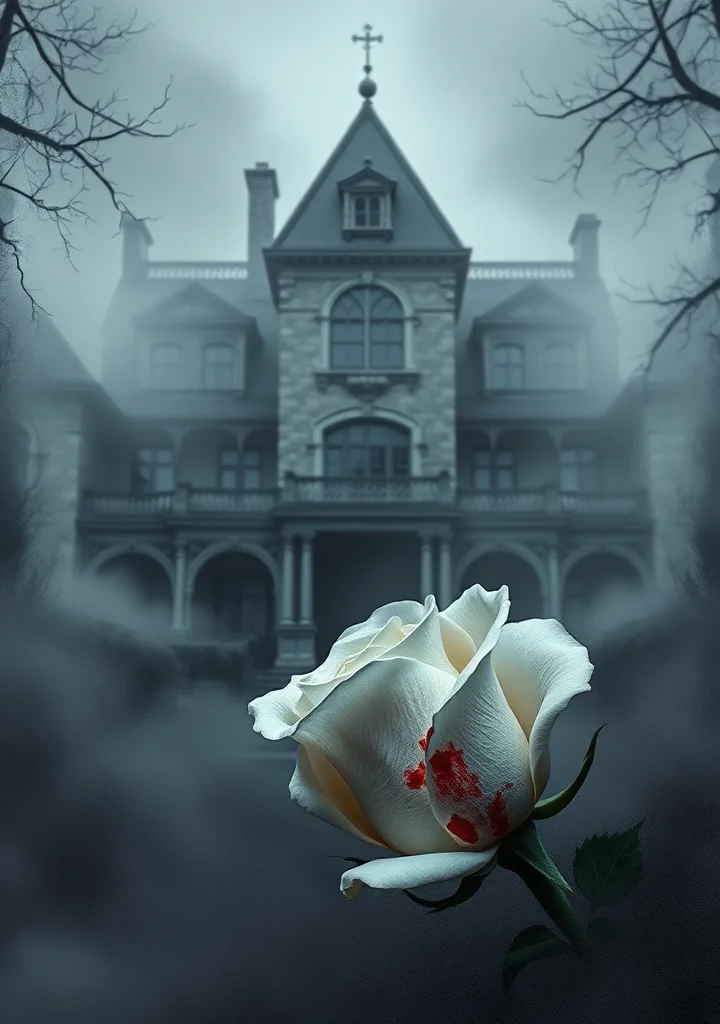
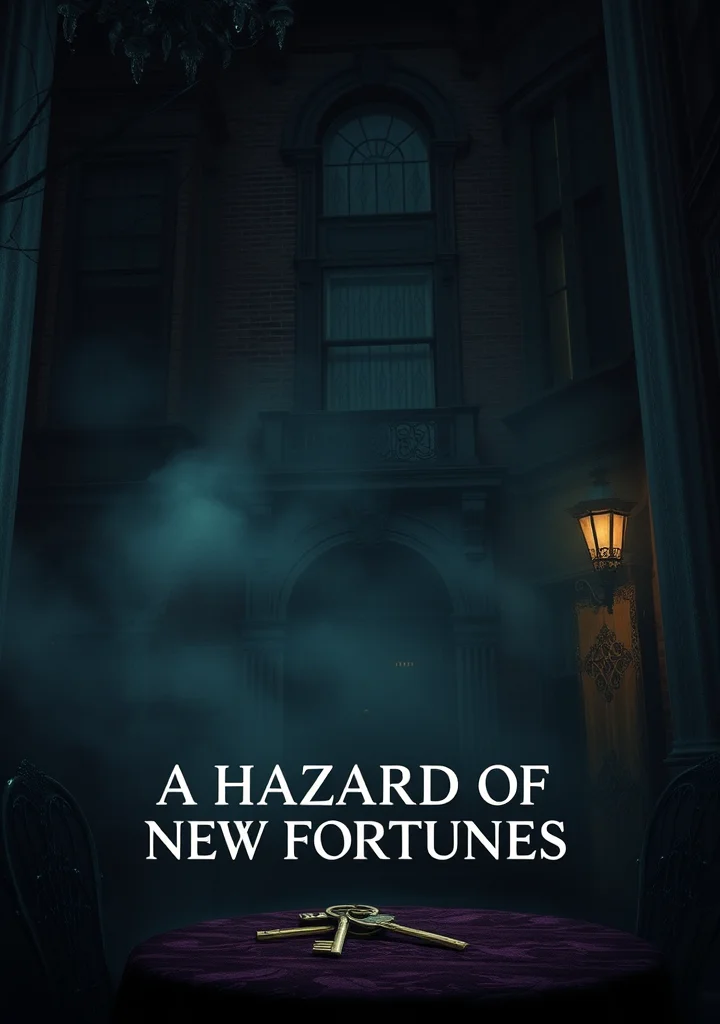
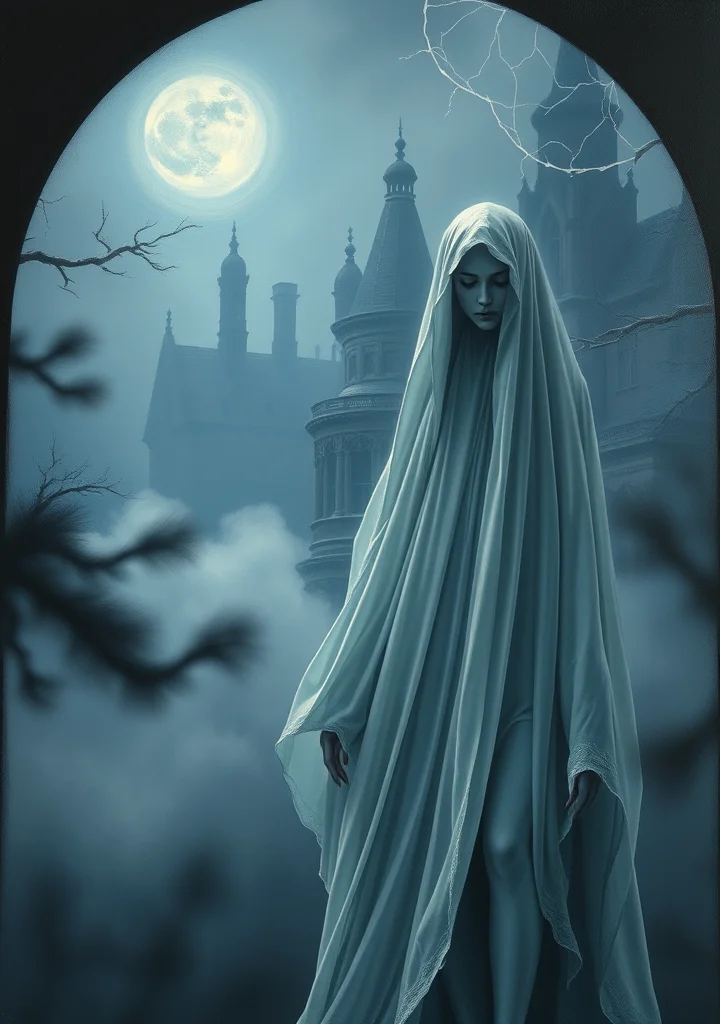
The manor exhales damp regret. Within its shadowed halls, a family festers—not with blood feuds, but with the precise, glacial cruelty of inherited dominance. Every glance is a calculation, every kindness a transaction. The Compton-Burnetts’ past haunts their present, a legacy of cold authority woven into the very stones of the house. Children observe their elders as predators study prey, learning the art of subtle tyranny. A suffocating stillness clings to the rooms, broken only by the rustle of silk gowns and the clipped tones of those who have long since mastered the language of control. Secrets are currency here, traded in hushed whispers and veiled glances. The air itself feels thick with the weight of unacknowledged desires and the slow rot of ambition. Each character is a meticulously crafted instrument of power, their smiles as brittle as dry leaves, their silences as vast and unforgiving as the winter landscape beyond the manor walls. A creeping dread pervades, not from anything monstrous, but from the chilling realization that the most terrible monsters are already within. It is a world where the past doesn’t merely haunt—it *owns* every breath taken within the manor’s suffocating embrace.
Copyright: Public Domain
This license allows anyone to use your story for any purpose, including printing, selling, or adapting it into a film freely.
This license allows anyone to use your story for any purpose, including printing, selling, or adapting it into a film freely.
More like this