
-
Read 2K
-
0
-
Part 210
Completed, First published Mar 02, 2026
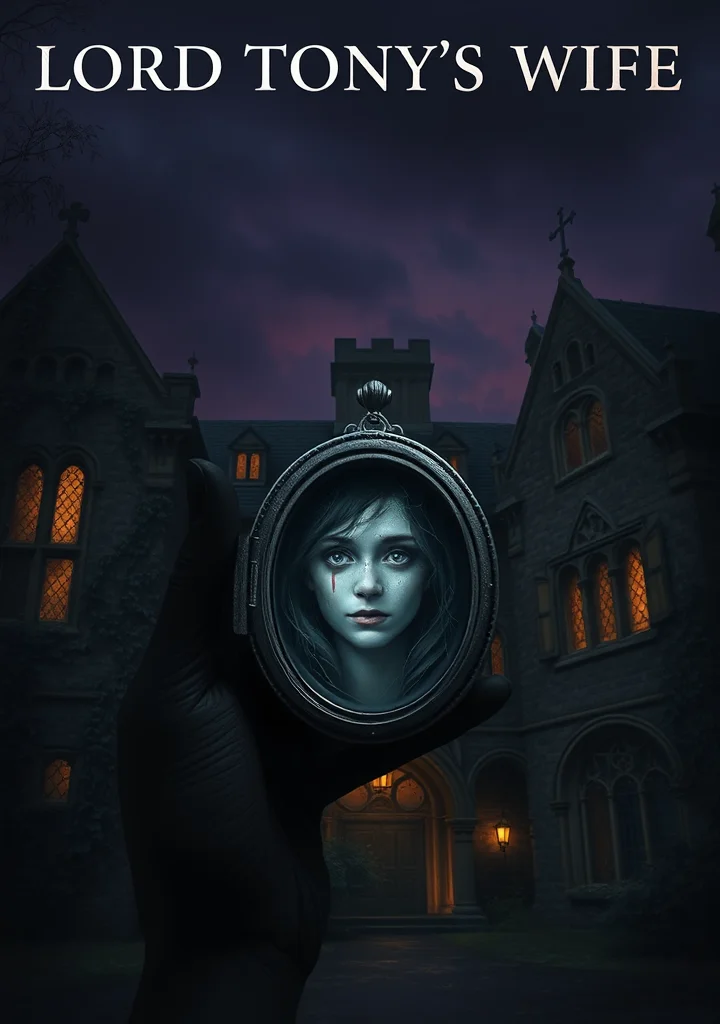
Dust motes dance in the suffocating heat of a parlor draped in mourning crepe. The air hangs thick with the scent of jasmine and decay, mirroring the stifled grief of a woman whose life has been a slow unraveling. Each verse within feels less a confession and more a shard of glass pressed to the throat, a stifled scream echoing from shadowed corners. The house itself breathes with a sorrow that seeps into the very mortar, mirroring the fractured spirit of its inhabitant. Here, poetry isn’t liberation, but a gilded cage built of longing, regret, and the spectral weight of unfulfilled desires. A suffocating elegance pervades, where smiles are brittle as bone china and every bloom wilts before it fully opens. The narrative clings to you like Spanish moss, a damp, clinging sorrow that leaves a residue on your skin long after the final page is turned. It’s a portrait of a woman consumed by the velvet darkness of her own making, where the silences speak volumes and the heart beats with the rhythm of a funeral dirge.
Copyright: Public Domain
This license allows anyone to use your story for any purpose, including printing, selling, or adapting it into a film freely.
This license allows anyone to use your story for any purpose, including printing, selling, or adapting it into a film freely.
Chapter List
-
« Poetry »📖 Continue Reading
-
« Beautiful Eyes »
-
« Fame »
-
« The Final Strain »
-
« Heritage »
-
« The Heart of a Woman »
-
« The Dreams of the Dreamer »
-
« Gossamer »
-
« Sympathy »
-
« Contemplation »
-
« Dead Leaves »
-
« Dawn »
-
« Elevation »
-
« Peace »
-
« Whither? »
-
« Quest »
-
« Mate »
-
« Emblems »
-
« Mirrored »
-
« Repulse »
-
« Query »
-
« Pent »
-
« Pages from Life »
-
« Recall »
-
« Gethsemane »
-
« Impelled »
-
« Eventide »
-
« Thrall »
-
« Youth »
-
« Joy »
-
« Posthumous »
-
« Omega »
-
« Tears and Kisses »
-
« Isolation »
-
« Where? »
-
« Tired »
-
« Smothered Fires »
-
« The Measure »
-
« Inevitably »
-
« Modulations »
-
« Memory »
-
« Rhythm »
-
« Gilead »
-
« Foredoom »
-
« Whene’er I Lift My Eyes to Bliss »
-
« Despair »
-
« When I Am Dead »
-
« Supreme »
-
« In Quest »
-
« Recompense »
-
« Poetry »
-
« What Need Have I for Memory? »
-
« A Fantasy »
-
« Souvenir »
-
« Illusions »
-
« Transpositions »
-
« The Willow »
-
« Devastation »
-
« Springtide »
-
« Gloamtide »
-
« Pendulum »
-
« Deluge »
-
« Retrospect »
-
« Glamour »
-
« The Return »
-
« Love’s Tendril »
-
« My Little Dreams »
-
« Sonnet to the Mantled »
-
« Sonnet to Those Who See but Darkly »
-
« Brotherhood »
-
« Let Me Not Lose My Dream »
-
« Let Me Not Hate »
-
« Calling Dreams »
-
« Desire »
-
« Sorrow Singers »
-
« The Cross »
-
« Prejudice »
-
« Laocoön »
-
« Moods »
-
« Hegira »
-
« The Passing of the Ex-Slave »
-
« The Octoroon »
-
« Chapter_84 »
-
« Concord »
-
« The Mother »
-
« Maternity »
-
« Black Woman »
-
« “One of the Least of These, My Little One” »
-
« Shall I Say, “My Son, You’re Branded?” »
-
« My Boy »
-
« Guardianship »
-
« Utopia »
-
« Little Son »
-
« Benediction »
-
« Credo »
-
« Promise »
-
« The Suppliant »
-
« Hope »
-
« Cosmopolite »
-
« Fusion »
-
« Perspective »
-
« When I Rise Up »
-
« Faith »
-
« We Face the Future »
-
« Soldier »
-
« Homing Braves »
-
« Taps »
-
« Peace »
-
« Question »
-
« The Initiate »
-
« Bondage »
-
« Resolution »
-
« Eclipse »
-
« Why »
-
« Husks »
-
« The Watcher »
-
« The Vanished Road »
-
« Service »
-
« To the Martyred »
-
« To John Brown »
-
« To Abraham Lincoln »
-
« To William Stanley Braithwaite »
-
« ToW. E. B.DuBois—Scholar »
-
« To Ridgely Torrence—Playwright »
-
« To RichardR.Wright—Instructor »
-
« To Samuel Coleridge-Taylor, Upon Hearing His »
-
« To Emilie Bigelow Hapgood—Philanthropist »
-
« To Henry Lincoln Johnson—Lawyer »
-
« To Mary Church Turrell—Lecturer »
-
« To May Howard Jackson—Sculptor »
-
« To the Memory of Inez Milholland »
-
« To Atlanta University—Its Founders and Teachers »
-
« To Love »
-
« Africa »
-
« Lesson »
-
« Pilgrimage »
-
« To Your Eyes »
-
« My Son »
-
« The Ordeal »
-
« Escape »
-
« The Riddle »
-
« Soul’s Easter »
-
« Friendship »
-
« Toy »
-
« Promise »
-
« Prejudice »
-
« Companion »
-
« Lethe »
-
« Decay »
-
« The True American »
-
« Wishes »
-
« The Snarl »
-
« I Closed My Shutters Fast Last Night »
-
« Footsteps »
-
« Oh Night of Love »
-
« Autumn »
-
« Thralldom »
-
« Separation »
-
« Love’s Miracle »
-
« Proving »
-
« Interim »
-
« Good-Bye »
-
« A Paradox »
-
« How My Heart Sinks »
-
« To Time »
-
« Welt »
-
« Review »
-
« Illusion »
-
« Parody »
-
« Delusion »
-
« Sunset »
-
« Finis »
-
« Ivy »
-
« Joy »
-
« One Day »
-
« Attar »
-
« Youth’s Progeny »
-
« I Wonder »
-
« Values »
-
« Armageddon »
-
« Le Soir »
-
« Treasure »
-
« Retrospection »
-
« Springtime »
-
« Destiny »
-
« Envoys »
-
« I Want to Die While You Love Me »
-
« Ecstasy »
-
« Pledge »
-
« Your Eyes »
-
« Amour »
-
« Finality »
-
« In Love »
-
« Fiction »
-
« Dead Days »
-
« Break, Break My Heart »
-
« Little King »
-
« Romance »
-
« Falling Gods »
-
« Armor »
-
« Divide »
-
« Return »
-
« Song of the Sinner »
-
« Celibacy »
-
« Offering »
-
« Estrangement »
-
« Recessional »
-
« Sepulchre »
-
« Curtain »
-
« Afterglow »
210
-
« Poetry »
-
« Beautiful Eyes »
-
« Fame »
-
« The Final Strain »
-
« Heritage »
-
« The Heart of a Woman »
-
« The Dreams of the Dreamer »
-
« Gossamer »
-
« Sympathy »
-
« Contemplation »
-
« Dead Leaves »
-
« Dawn »
-
« Elevation »
-
« Peace »
-
« Whither? »
-
« Quest »
-
« Mate »
-
« Emblems »
-
« Mirrored »
-
« Repulse »
-
« Query »
-
« Pent »
-
« Pages from Life »
-
« Recall »
-
« Gethsemane »
-
« Impelled »
-
« Eventide »
-
« Thrall »
-
« Youth »
-
« Joy »
-
« Posthumous »
-
« Omega »
-
« Tears and Kisses »
-
« Isolation »
-
« Where? »
-
« Tired »
-
« Smothered Fires »
-
« The Measure »
-
« Inevitably »
-
« Modulations »
-
« Memory »
-
« Rhythm »
-
« Gilead »
-
« Foredoom »
-
« Whene’er I Lift My Eyes to Bliss »
-
« Despair »
-
« When I Am Dead »
-
« Supreme »
-
« In Quest »
-
« Recompense »
-
« Poetry »
-
« What Need Have I for Memory? »
-
« A Fantasy »
-
« Souvenir »
-
« Illusions »
-
« Transpositions »
-
« The Willow »
-
« Devastation »
-
« Springtide »
-
« Gloamtide »
-
« Pendulum »
-
« Deluge »
-
« Retrospect »
-
« Glamour »
-
« The Return »
-
« Love’s Tendril »
-
« My Little Dreams »
-
« Sonnet to the Mantled »
-
« Sonnet to Those Who See but Darkly »
-
« Brotherhood »
-
« Let Me Not Lose My Dream »
-
« Let Me Not Hate »
-
« Calling Dreams »
-
« Desire »
-
« Sorrow Singers »
-
« The Cross »
-
« Prejudice »
-
« Laocoön »
-
« Moods »
-
« Hegira »
-
« The Passing of the Ex-Slave »
-
« The Octoroon »
-
« Chapter_84 »
-
« Concord »
-
« The Mother »
-
« Maternity »
-
« Black Woman »
-
« “One of the Least of These, My Little One” »
-
« Shall I Say, “My Son, You’re Branded?” »
-
« My Boy »
-
« Guardianship »
-
« Utopia »
-
« Little Son »
-
« Benediction »
-
« Credo »
-
« Promise »
-
« The Suppliant »
-
« Hope »
-
« Cosmopolite »
-
« Fusion »
-
« Perspective »
-
« When I Rise Up »
-
« Faith »
-
« We Face the Future »
-
« Soldier »
-
« Homing Braves »
-
« Taps »
-
« Peace »
-
« Question »
-
« The Initiate »
-
« Bondage »
-
« Resolution »
-
« Eclipse »
-
« Why »
-
« Husks »
-
« The Watcher »
-
« The Vanished Road »
-
« Service »
-
« To the Martyred »
-
« To John Brown »
-
« To Abraham Lincoln »
-
« To William Stanley Braithwaite »
-
« ToW. E. B.DuBois—Scholar »
-
« To Ridgely Torrence—Playwright »
-
« To RichardR.Wright—Instructor »
-
« To Samuel Coleridge-Taylor, Upon Hearing His »
-
« To Emilie Bigelow Hapgood—Philanthropist »
-
« To Henry Lincoln Johnson—Lawyer »
-
« To Mary Church Turrell—Lecturer »
-
« To May Howard Jackson—Sculptor »
-
« To the Memory of Inez Milholland »
-
« To Atlanta University—Its Founders and Teachers »
-
« To Love »
-
« Africa »
-
« Lesson »
-
« Pilgrimage »
-
« To Your Eyes »
-
« My Son »
-
« The Ordeal »
-
« Escape »
-
« The Riddle »
-
« Soul’s Easter »
-
« Friendship »
-
« Toy »
-
« Promise »
-
« Prejudice »
-
« Companion »
-
« Lethe »
-
« Decay »
-
« The True American »
-
« Wishes »
-
« The Snarl »
-
« I Closed My Shutters Fast Last Night »
-
« Footsteps »
-
« Oh Night of Love »
-
« Autumn »
-
« Thralldom »
-
« Separation »
-
« Love’s Miracle »
-
« Proving »
-
« Interim »
-
« Good-Bye »
-
« A Paradox »
-
« How My Heart Sinks »
-
« To Time »
-
« Welt »
-
« Review »
-
« Illusion »
-
« Parody »
-
« Delusion »
-
« Sunset »
-
« Finis »
-
« Ivy »
-
« Joy »
-
« One Day »
-
« Attar »
-
« Youth’s Progeny »
-
« I Wonder »
-
« Values »
-
« Armageddon »
-
« Le Soir »
-
« Treasure »
-
« Retrospection »
-
« Springtime »
-
« Destiny »
-
« Envoys »
-
« I Want to Die While You Love Me »
-
« Ecstasy »
-
« Pledge »
-
« Your Eyes »
-
« Amour »
-
« Finality »
-
« In Love »
-
« Fiction »
-
« Dead Days »
-
« Break, Break My Heart »
-
« Little King »
-
« Romance »
-
« Falling Gods »
-
« Armor »
-
« Divide »
-
« Return »
-
« Song of the Sinner »
-
« Celibacy »
-
« Offering »
-
« Estrangement »
-
« Recessional »
-
« Sepulchre »
-
« Curtain »
-
« Afterglow »
More like this