
The Woman in White
  • 251
  • 0
  • 80
  • Reads 251
  • 0
  • Part 80
Completed, First published Mar 02, 2026

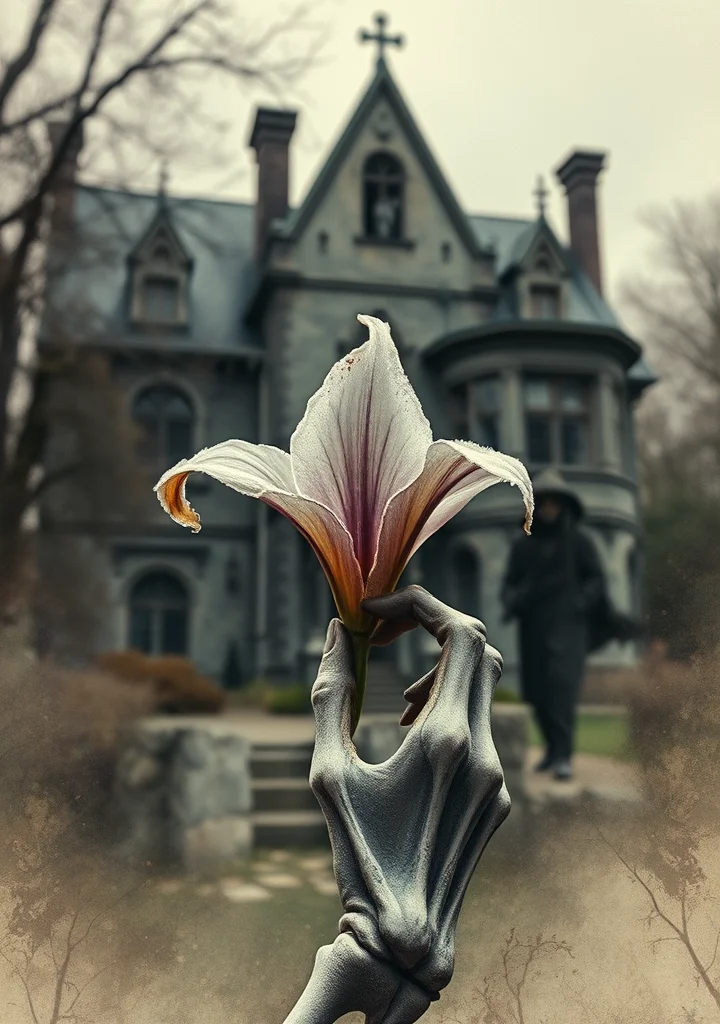
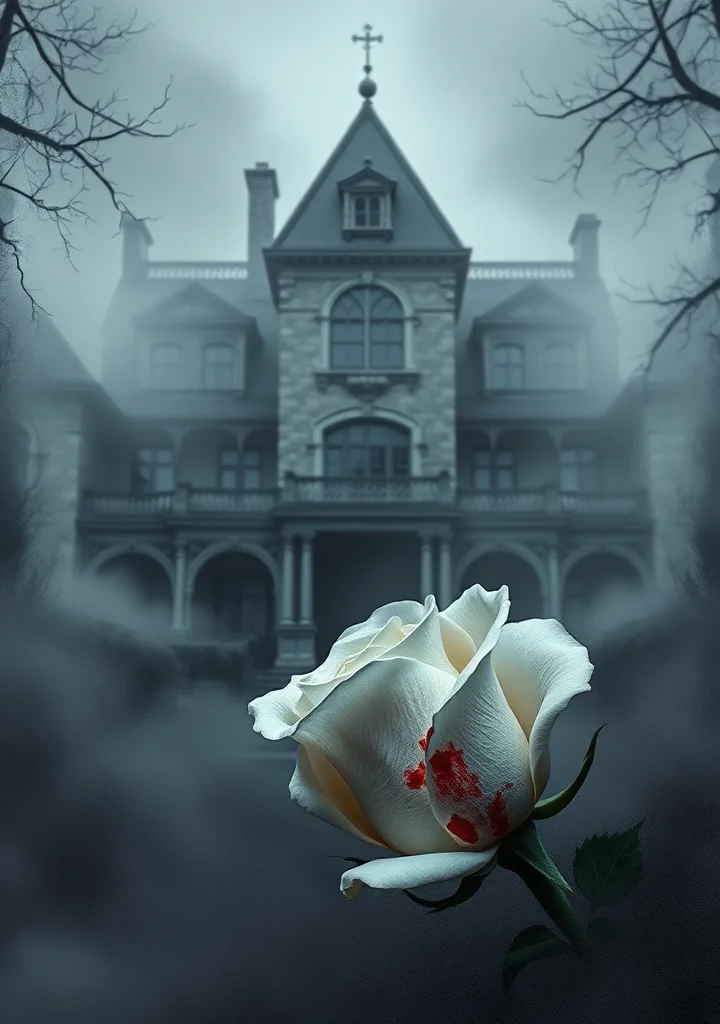
A creeping dread clings to the shadowed lanes of England, a suffocating fog woven with whispers of deceit and spectral appearances. The narrative unravels like a shroud unwound from a forgotten grave, centered on a figure draped in white – a haunting emblem of vulnerability and hidden malice. Ancient estates loom, their decaying grandeur mirroring the unraveling sanity of those trapped within their walls. A chilling current of obsession flows through the story, fueled by stolen identities and the suffocating weight of Victorian secrets. The air is thick with the scent of damp earth and decaying lace, mirroring the rot at the heart of a conspiracy. Every darkened hallway, every stolen glance, carries the weight of unspoken terror. A labyrinth of false affections and calculated betrayals, the story descends into a desperate pursuit through sunless corridors, haunted by the echo of a woman’s cry and the chilling promise of madness. The truth, when finally revealed, is less a revelation than an exhumation – a skeletal glimpse into the depravity lurking beneath the veneer of respectability. The white dress itself becomes a harbinger, a ghostly warning of the unraveling sanity and the insidious power of those who manipulate from the shadows.
Copyright: Public Domain
This license allows anyone to use your story for any purpose, including printing, selling, or adapting it into a film freely.
Chapter List

80

Recommended for you
29 Part
A creeping dread clings to the shadowed corners of a boy’s ascension. Within the stifling grandeur of a European court, young Otto, heir to a crumbling dynasty, finds his life a gilded cage. But this is no simple tale of royal constraint. A sickness—physical, political, and something far older—infests the palace, manifesting in whispered anxieties and the chillingly precise machinations of a physician obsessed with prolonging life beyond its natural end. The narrative unfolds as a fever dream, blurring the lines between boyhood innocence and the monstrous ambitions of a kingdom built on decay. Every corridor echoes with the weight of tradition, every smile masks a festering resentment. Otto’s world is one of inherited sorrow, where the very air tastes of resignation and the rituals of power are conducted with the hushed reverence afforded to a slow, inevitable rot. The atmosphere is suffocating, a velvet darkness punctuated by the flickering candlelight of conspiracy. We move with Otto through labyrinthine chambers, haunted by the ghosts of his ancestors and the phantom promises of a future he cannot grasp. It is a story not of grand battles or heroic deeds, but of insidious influence, of a boy’s spirit eroding within the ornate prison of his birthright, until the prince becomes less a person and more a symptom of the kingdom’s own morbid vitality. The scent of lilies and decay permeates every page, promising not salvation, but a descent into a beautifully wrought, suffocating despair.
16 Part
Dust motes dance in the violet light filtering through the orbital glass of Aptor, a city built on the bones of forgotten gods and fueled by the psychic residue of fractured realities. Here, amongst the chrome-slicked spires and the echoing, hollowed-out plazas, the jewels are not gems of wealth, but fragments of memory—stolen glimpses of past lives woven into the very fabric of the city’s decaying architecture. Each stone pulses with a stolen emotion, a lost identity, and the pursuit of these fragments consumes the fractured elite who haunt the higher levels. The air itself is thick with regret, a constant, low thrum of sorrow that clings to the skin like a second shadow. Every reflection is a betrayal, every conversation a veiled transaction in fractured histories. Beneath the polished surfaces, a labyrinth of abandoned levels stretches into a suffocating darkness—a place where the city’s discarded memories fester and the ghosts of Aptor’s architects whisper their broken designs into the static-filled air. A slow rot permeates everything, not of decay, but of *remembering*. The jewels aren't just found, they're *unlocked* from those who've lost themselves in the city's endless halls. To possess one is to inherit a fragment of another’s life, a burden of stolen consciousness that threatens to unravel the self. The closer one gets to the heart of Aptor, to the source of the jewels' power, the more the boundaries between memory and reality blur, and the more one risks becoming nothing more than another echo in the city’s haunting symphony of loss. The city doesn't just watch its inhabitants fall apart—it *remembers* their disintegration.
22 Part
A suffocating heat clings to the Louisiana bayou, thick with Spanish moss and the ghosts of fortunes lost. Leblanc weaves a tale where the line between predator and prey dissolves into the humid air. Old money, stained crimson with secrets, bleeds from crumbling plantation houses. The scent of jasmine and decay hangs heavy as a disgraced detective, haunted by his own failures, is drawn into a missing heir case. But this isn’t simply disappearance; it’s a vanishing into something ancient and hungry that dwells in the cypress knees and shadowed waterways. Each investigation feels like peeling back layers of Spanish lace to reveal something writhing beneath – a legacy of voodoo, avarice, and the brutal inheritance of a family whose wealth was built on teeth. The tiger isn't merely a beast of the swamp, but a symbol of the hunger that consumes the living, leaving only bone-white grins in the darkness. The narrative crawls with a creeping dread, a sense of being watched by something both feral and refined. Every whisper of wind through the sugarcane fields carries the echo of a curse, and the bayou itself seems to conspire to keep its secrets submerged. The air grows viscous with the possibility of violence, a slow-boiling tension that culminates in a confrontation with a darkness that has rooted itself within the very soil of the land. It's a story where the rot is not just in the cypress trees, but in the bloodlines themselves.
49 Part
A suffocating mist clings to Lost Man’s Lane, a ribbon of shadowed dirt winding through the decaying grandeur of the Van Alstyne estate. The air hangs thick with the scent of damp earth and forgotten things – a perfume of regret and lingering dread. Here, amidst crumbling stone and overgrown ivy, a disappearance unravels not as a simple vanishing, but as a slow erosion of truth. The narrative unfolds in fragments, whispers overheard through warped floorboards and shadowed windows. Each encounter feels weighted with unspoken accusations, the very stones of the Van Alstyne manor seeming to observe with silent judgment. A claustrophobic sense of confinement pervades; not just of place, but of circumstance. The characters move like moths drawn to a flickering flame, each harboring secrets within their shadowed hearts. The Lane itself seems to breathe, exhaling fragments of the past, twisting the present into a macabre echo of former lives. The narrative is less a straightforward investigation and more a descent into a labyrinth of inherited despair, where the boundaries between victim and perpetrator blur in the gathering gloom. Every rustle of leaves, every creak of a weathered door, promises a revelation steeped in the rot of family legacy and the chilling weight of what remains unsaid. A sense of inescapable finality permeates the atmosphere, suggesting that some losses leave not only a void, but a haunting claim upon those left behind.
72 Part
The fog clings to the crumbling facades of the unnamed city, mirroring the decay within Elias Thorne. He walks a perpetual twilight, haunted by fragments of a life both lived and unlived—a surgeon’s detachment from flesh, a soldier’s apathy toward slaughter, a scholar’s cold dissection of the human heart. Each cobbled street exhales the ghosts of forgotten debts, of promises whispered in sulfurous dens. Thorne isn’t seeking redemption, only observation, meticulously charting the unraveling of sanity as he drifts between the opulent rot of the aristocracy and the festering wounds of the slums. His journal, a ledger of morbid curiosities, details not grand conspiracies but the exquisite, creeping despair of ordinary men driven to monstrous acts by quiet desperation. The narrative isn’t one of revelation, but of erosion—the slow, deliberate crumbling of belief, the grinding down of hope into dust. The city itself is a character, breathing with a feverish pulse of corruption, its shadows deepening with each page Thorne fills. It’s a study in the geometry of grief, a precise mapping of the places where the veil thins and the abyss gazes back. There is no escape, only the deepening conviction that all life is a meticulously constructed artifice, designed to conceal a void that yawns beneath every stone, every smile, every heartbeat. The true horror is not what Thorne witnesses, but the realization that it is simply… expected.
26 Part
Dust motes dance in the perpetual twilight of Blackwood Penitentiary, where Elias Thorne, a cartographer of forgotten grief, meticulously charts the unraveling minds of the condemned. He doesn’t map territories of land, but the labyrinthine landscapes of despair etched onto the letters of the dead – missives intercepted from beyond the veil, penned by those who’ve tasted oblivion. Each spectral script is a fragment of a final reckoning, a whispered confession bleeding through the paper like ichor. The prison itself breathes with a cold, damp sorrow, the stones weeping with the memories of generations swallowed by its maw. Thorne believes the letters aren’t simply *about* death, but *from* it – echoes of fractured souls attempting to rebuild themselves from the wreckage of their final moments. But as he deciphers their chilling prose, a pattern emerges: a recurring symbol, a name whispered in every fractured script, and a creeping realization that Blackwood isn’t merely holding the dead, but *creating* them. The air thickens with the scent of decay and regret. Shadows cling to the corners of Thorne’s workshop, mirroring the shapes of his own unraveling sanity. He’s not just reading the dead’s last words; he’s becoming possessed by their final, suffocating breaths. The prison isn’t just a place of confinement; it's a crucible where the boundaries between the living and the dead dissolve, and the letters become keys to a descent into a darkness that consumes all who dare to decipher its secrets. The silence isn’t empty, but pregnant with the screams of those lost within the stone, waiting to be reborn from the ink of forgotten letters.