
The Teeth of the Tiger
  • 141
  • 0
  • 22
  • Reads 141
  • 0
  • Part 22
Completed, First published Mar 02, 2026

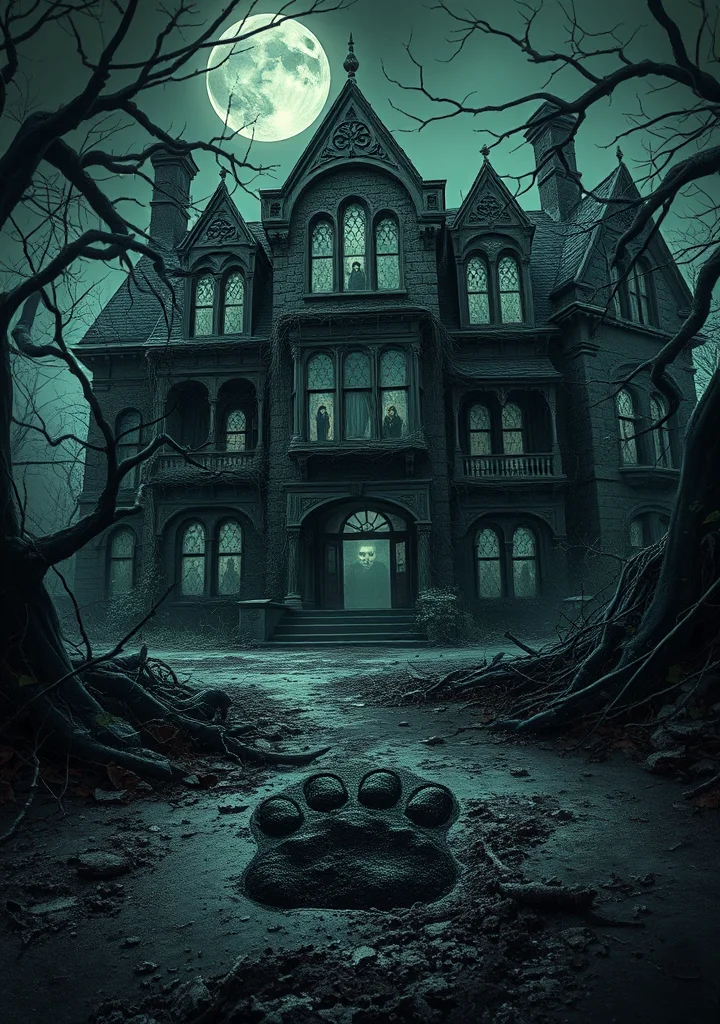
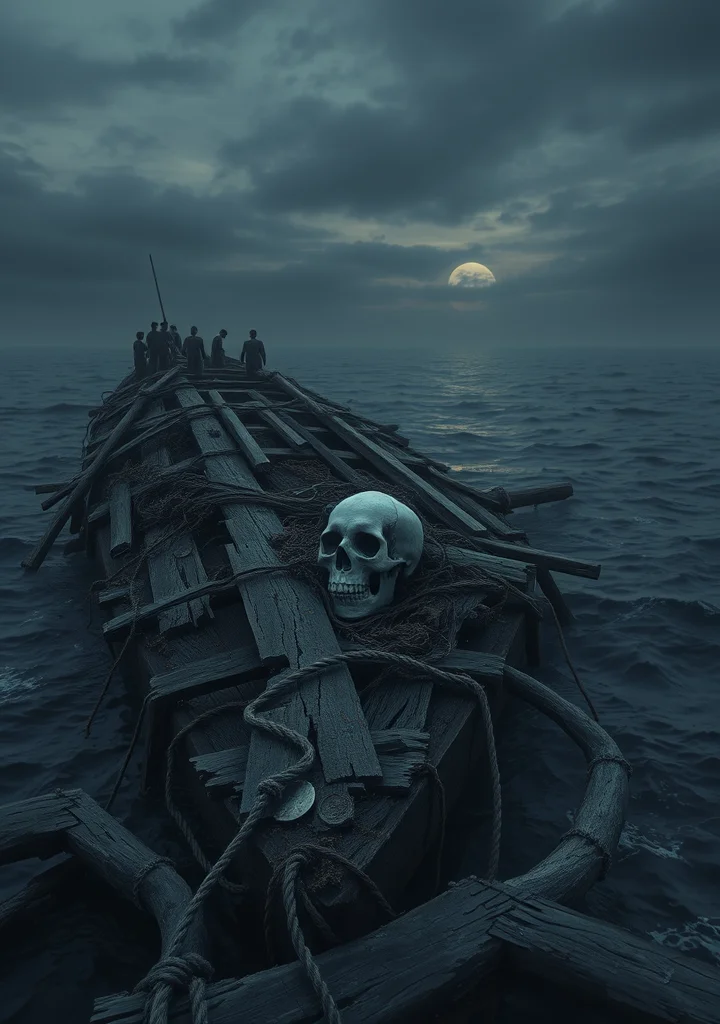
A suffocating heat clings to the Louisiana bayou, thick with Spanish moss and the ghosts of fortunes lost. Leblanc weaves a tale where the line between predator and prey dissolves into the humid air. Old money, stained crimson with secrets, bleeds from crumbling plantation houses. The scent of jasmine and decay hangs heavy as a disgraced detective, haunted by his own failures, is drawn into a missing heir case. But this isn’t simply disappearance; it’s a vanishing into something ancient and hungry that dwells in the cypress knees and shadowed waterways. Each investigation feels like peeling back layers of Spanish lace to reveal something writhing beneath – a legacy of voodoo, avarice, and the brutal inheritance of a family whose wealth was built on teeth. The tiger isn't merely a beast of the swamp, but a symbol of the hunger that consumes the living, leaving only bone-white grins in the darkness. The narrative crawls with a creeping dread, a sense of being watched by something both feral and refined. Every whisper of wind through the sugarcane fields carries the echo of a curse, and the bayou itself seems to conspire to keep its secrets submerged. The air grows viscous with the possibility of violence, a slow-boiling tension that culminates in a confrontation with a darkness that has rooted itself within the very soil of the land. It's a story where the rot is not just in the cypress trees, but in the bloodlines themselves.
Copyright: Public Domain
This license allows anyone to use your story for any purpose, including printing, selling, or adapting it into a film freely.
Recommended for you
17 Part
Dust motes dance in the perpetual twilight of ancestral halls, mirroring the slow decay of a lineage built on obsolescence. The air hangs thick with the scent of polished wood and regret, a suffocating perfume of inherited wealth and purposeless existence. Within these shadowed mansions, a subtle rot festers – not of brick and mortar, but of the human spirit, consumed by the exquisite art of doing *nothing*. A creeping dread permeates the very architecture, as the rituals of conspicuous consumption become increasingly desperate, brittle performances masking a hollow core. The narrative unfolds as a spectral autopsy of a dying aristocracy, where every idle gesture, every meticulously curated possession, is a symptom of a deeper, insidious malaise. Observe the ghostly procession of leisure, its cold elegance a shroud woven from boredom and the glittering chains of social obligation. The very foundations of civility seem to crumble with each perfectly timed sip of champagne, each languid glance across a ballroom floor. A suffocating stillness pervades, broken only by the echoing whispers of those who have become shadows of their own privilege, trapped in a gilded cage of their own making, slowly disappearing into the ornate, echoing emptiness. It is a study in sepulchral refinement, a haunting testament to the beautiful, tragic waste of a world on the brink of collapse, where the weight of history presses down like a tombstone.
29 Part
A creeping dread clings to the salt-laced air of the Cornish coast, where the crumbling manor of Porthallow stands sentinel against a bruised, perpetual twilight. Within its shadowed halls, Elara Penrose, orphaned and bound by duty to a distant, brittle uncle, discovers a legacy woven not of gold, but of whispers and brine-soaked secrets. The Splendid Fairing is not a vessel of joy, but a spectral ship glimpsed only in the fever-dreams of the dying – a phantom bearing the stolen heirlooms of generations lost to the sea’s avarice. Each chapter descends further into a suffocating claustrophobia, mirroring the labyrinthine coves and forgotten smugglers’ tunnels beneath Porthallow. The scent of decay – damp stone, mildewed velvet, and the metallic tang of old grief – permeates every room. Elara’s investigations unravel a tapestry of local superstitions, tales of drowned women who lure sailors to their doom, and the unsettling obsession of the villagers with the ebb and flow of the tide. A haunting stillness pervades the narrative, broken only by the mournful cry of gulls and the rhythmic pulse of the waves against the cliffs. The manor itself feels less a house and more a tomb, breathing with the weight of centuries. As Elara draws closer to the truth of the Fairing’s spectral voyage, she finds herself increasingly adrift in a world where the boundary between the living and the dead is as porous as the crumbling seawalls, and where the splendor of inheritance is purchased with the currency of despair. The novel is steeped in a sense of inevitable tragedy, a slow, agonizing descent into the shadowed heart of a coastal curse.