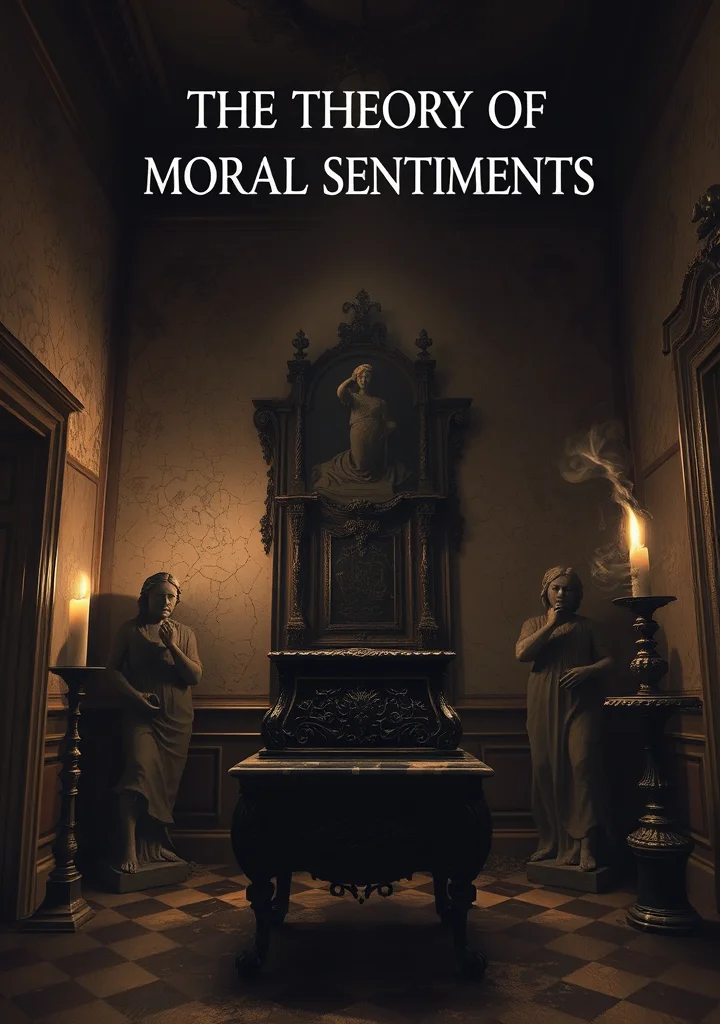

The Theory of Moral Sentiments
  • 275
  • 0
  • 77
  • Reads 275
  • 0
  • Part 77
Completed, First published Mar 02, 2026

A creeping dread clings to the shadowed halls of the mind, mirroring the chill that settles over a forgotten estate. Here, within the labyrinthine corridors of human interaction, a subtle rot blossoms. Smith doesn’t offer monstrous horrors, but a dissection of the soul’s decay—a slow unraveling of empathy’s threads. Each observation, each measured phrase, feels like a cold finger tracing the contours of a hidden wound. The narrative is not one of overt violence, but of insidious fractures—the delicate scaffolding of conscience cracking under the weight of ambition and the silent hunger for recognition. A perpetual twilight permeates the text, where the boundaries between self-interest and genuine compassion blur into indistinguishable shades of grey. The echoes of polite society—salons and marketplaces—become spectral chambers, haunted by the ghosts of unacknowledged desires. It’s a world meticulously rendered in shades of ivory and sepia, where the rustling of silks and the clinking of coins mask a deeper, more unsettling silence. The reader is not merely observing, but inhaling the stale air of a moral reckoning, a suffocating sense of inevitability as the characters, driven by unseen forces, enact their subtle, devastating betrayals. A slow, suffocating descent into the elegantly poisoned heart of human nature.
Copyright: Public Domain
This license allows anyone to use your story for any purpose, including printing, selling, or adapting it into a film freely.
Chapter List

77

Recommended for you
48 Part
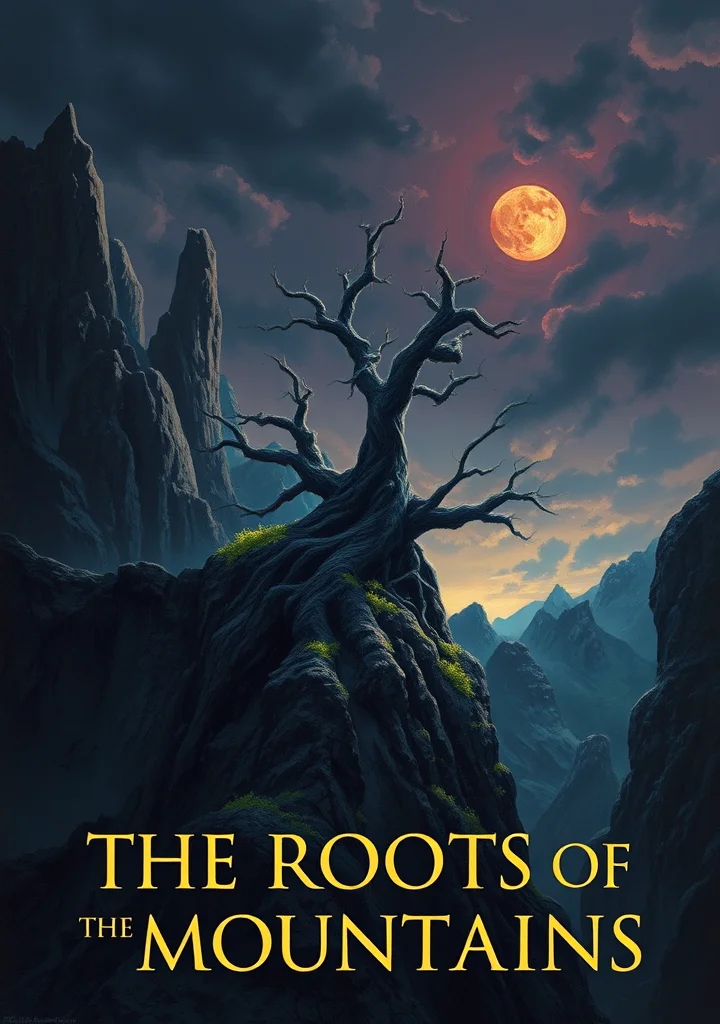
A creeping dread clings to the Scottish Highlands, mirroring the chill that settles over Alistair Grant as he returns to his ancestral estate. Not a homecoming, but a summons – a veiled plea from a crumbling manor steeped in generations of shadowed secrets. The air itself tastes of decay and whispered accusations, the stone walls breathing with the ghosts of those who vanished within its labyrinthine halls. Each sunrise feels less a dawn of hope and more a slow exposure of rot, revealing fissures not just in the stone, but within the very fabric of Grant’s family. The moorland stretches like a bruised landscape, mirroring the bruising of Alistair’s spirit as he unravels a legacy of ambition, betrayal, and the cold calculus of inheritance. The estate isn’t merely a place; it's a predator, drawing in those desperate to claim its fractured power. The narrative unfolds as a slow bleed of suspicion, each character a silhouette against a dying fire, their motives obscured by the encroaching fog. The narrative isn’t about what’s *seen*, but what lingers in the periphery - the scent of damp earth, the rustle of unseen wings, the weight of eyes watching from darkened windows. A sense of being watched permeates every page, a growing unease that settles like frost on the heather. It is a story of men consumed by their own histories, bound to a land that demands a reckoning for sins long buried. The Courts of the Morning aren’t merely a place of judgment, but a stage for a final, desperate act of penance – or revenge.
384 Part
A chill wind whispers across the vast, snow-laden estates of Russia, carrying with it the scent of decaying grandeur and unspoken desires. Eugene Onegin unfolds as a spectral lament, a dance between ennui and icy longing. The narrative drifts through opulent St. Petersburg salons and desolate country landscapes, mirroring the fractured heart of its titular anti-hero. A suffocating weight of societal expectation hangs over every gilded ballroom and frozen field, breeding a pervasive melancholy that clings to the ornate interiors like frost. The story unfolds not as a rush of events, but as a slow bleed of regret, observed through the gauze of memory and regret. The characters—polished, brittle, and haunted by their own reflections—move within shadowed chambers and moonlit gardens, their passions stifled by convention. A creeping sense of doom pervades the narrative as love, ambition, and social alienation intertwine, culminating in a tragedy born not of dramatic outburst, but of quiet desperation. The prose itself breathes with the stillness of a winter forest, each phrase meticulously crafted to evoke the cold beauty of the Russian landscape and the frigid indifference of its aristocracy. It is a world of half-tones and whispered secrets, where the shadows lengthen with each passing year and the weight of unfulfilled longing threatens to consume all who dare to seek happiness within its borders. The narrative is less a tale of action, and more a haunting echo of what could have been, lingering in the frosted breath of a forgotten age.
18 Part
Dust motes dance in perpetual twilight, clinging to the scent of woodsmoke and forgotten lace. A chill, not of winter but of absence, permeates the Darling nursery, where shadows stretch long and the air hums with the memory of vanished laughter. This is a story woven from the threads of loss – not death, but the slow unraveling of childhood's grip. Peter arrives not as a savior, but as a fracture, a beautiful, glittering shard of defiance against the inevitable march of time. Neverland isn’t paradise, but a gilded cage of perpetual youth, stained with the bitter tang of regret for what *must* be left behind. The boys are brittle things, fueled by recklessness and the echoing emptiness of being chosen. Wendy’s heart, though offered as a mother to them all, is perpetually bruised, haunted by the knowledge of what she’s traded for a glimpse of eternal play. Every victory is shadowed by the creeping realization that joy born of stolen moments is built on the ruins of a world she can no longer fully inhabit. The darkness isn’t found in Captain Hook’s malice, but in the suffocating silence that descends when the lost boys finally look into the hollows of their own prolonged childhoods. The island breathes with a mournful sigh, a testament to the impossibility of holding onto the fading light, and the unbearable weight of a future forged from the echoes of yesterday’s dreams. It is a place where the most potent magic is not creation, but remembrance. And every return to the world of mothers and clocks is a slow, agonizing descent into the very grief Neverland was meant to outrun.
22 Part
Dust motes dance in perpetual twilight within the shadowed halls of Misselton House, a boarding school steeped in the chill of London fog and the whispers of forgotten childhoods. Young Sara Crewe arrives, gilded in privilege, yet swiftly descends into a labyrinth of grey routine and stifled grief. Her father’s disappearance casts a pall over her days, mirroring the encroaching damp that clings to the stone walls and seeps into the very marrow of her bones. The narrative isn’t one of grand horrors, but of a slow, creeping despair, a brittle beauty blooming within a landscape of neglect. The grandeur of Sara’s past becomes a phantom limb, haunting her every waking moment. Each stolen moment of imagination, each ragged scrap of kindness offered in the attic, is lit by a flickering candle against the encroaching darkness. The air thickens with the scent of coal smoke and the stifled cries of lonely children, their stories swallowed by the vast, indifferent house. It’s a story not of monsters under the bed, but of the monstrous indifference of the world, and the fragile, tenacious flame of hope flickering against the wind. The very silence of the house feels alive with unspoken sorrows, and the gardens, glimpsed through frost-rimed windows, feel less like escape than extensions of a creeping, melancholic embrace. Even the smallest acts of cruelty feel like shards of glass in a winter wind, leaving Sara bleeding not with wounds, but with a chilling awareness of her own vulnerability. The world narrows to the dimensions of a forgotten room, and the narrative breathes with the same slow, suffocating rhythm as a heart breaking in the shadows.