
The Rasp
  • 192
  • 0
  • 61
  • Reads 192
  • 0
  • Part 61
Completed, First published Mar 02, 2026

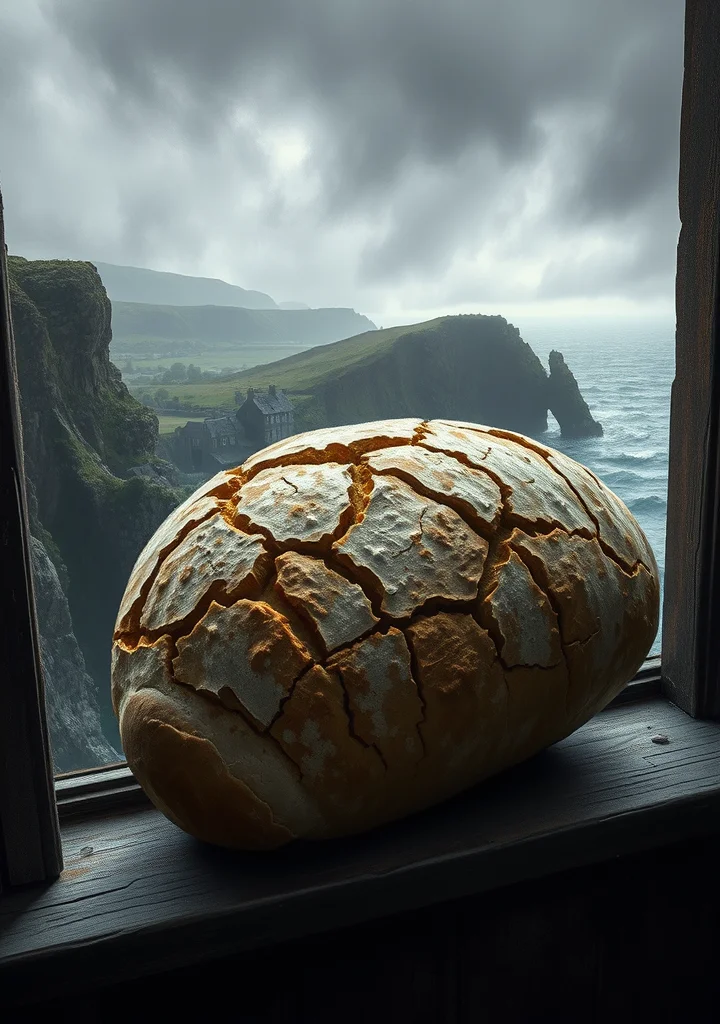
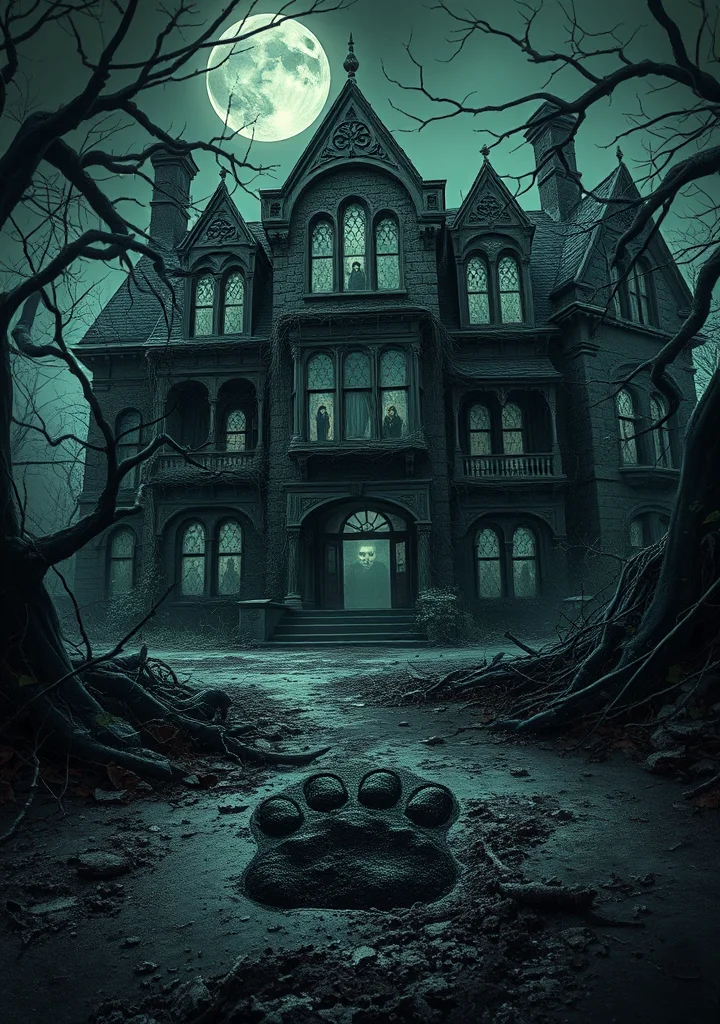
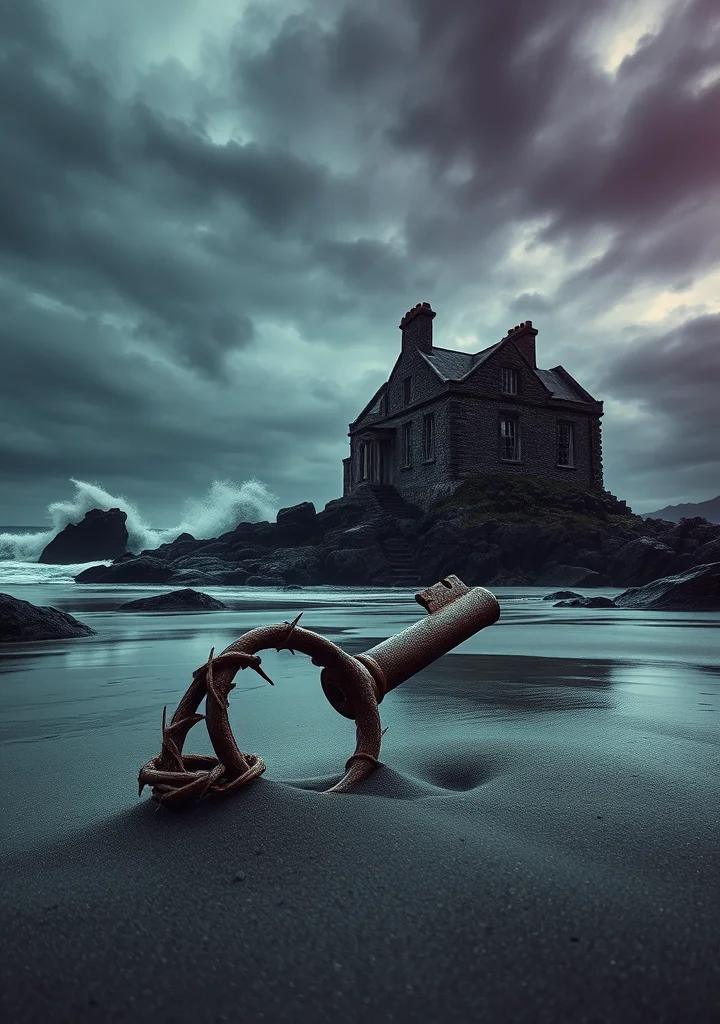
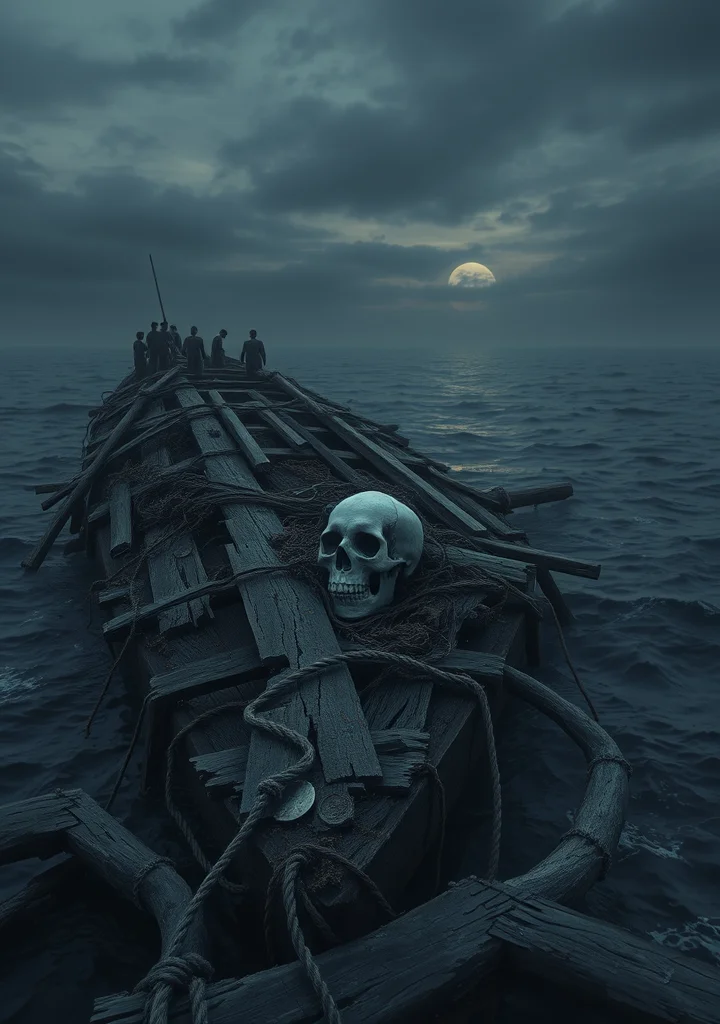
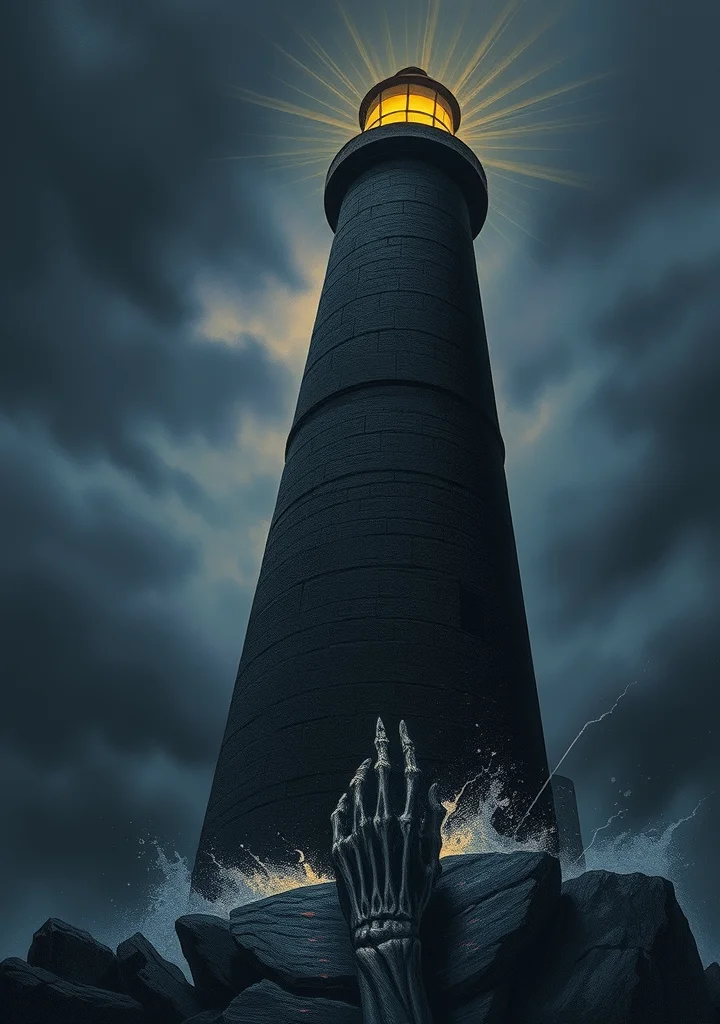
A creeping dread clings to the salt-laced air of the Cornish coast, where the manor of Blackwood stands sentinel against a bruised and perpetual twilight. Old Man Hemlock, keeper of the lighthouse and a soul weathered by decades of isolation, hears it first – a rasping, not of wind or wave, but something *within* the stone of the tower itself. It begins subtly, a disturbance in the rhythm of the beam, a tremor in the ancient masonry, but soon it worms its way into Hemlock’s mind, mirroring the decay of his own fractured memories. The rasp grows with the rising tide, echoing the secrets buried within Blackwood’s shadowed halls – tales of a drowned lineage, of a sea captain’s obsession with a spectral wreck, and of a creature dredged up from the abyss that now haunts the jagged cliffs. Every foghorn blast feels like a summons, every shadow a grasping hand. Hemlock's descent into madness is mirrored by the lighthouse's slow, agonizing surrender to the sea, as if the tower itself is becoming a grave for something ancient and hungry. The air thickens with the scent of brine and rot, and the rasp becomes a voice - a whisper of bone against stone, promising not rescue, but oblivion. A chilling, claustrophobic narrative unfolds where the boundaries between dream and reality, sanity and delirium, blur with the churning grey of the unforgiving sea. It’s a story of a man consumed by the echo of something monstrous, and a lighthouse that remembers a darkness older than time itself.
Copyright: Public Domain
This license allows anyone to use your story for any purpose, including printing, selling, or adapting it into a film freely.
Chapter List

61

Recommended for you
6 Part
Dust motes dance in the gaslight of provincial theaters, clinging to the velvet drapes and the tarnished gilt of crumbling grandeur. A fever dream of ambition, *Lost Illusions* unfolds in a Paris steeped in shadow, where the scent of stale perfume mingles with the bitterness of thwarted dreams. The novel breathes with the stifled sighs of Lucien de Rubempré, a provincial editor cast adrift in a sea of cynical brilliance. Every cobbled street echoes with whispered betrayals, every drawing room glitters with the venom of social climbing. The air thickens with the rot of compromised ideals; a suffocating perfume of decaying morality. It’s a city of mirrors, reflecting not truth but the grotesque distortions of power. The narrative clings to you like a damp shroud, revealing a world where talent is bartered for influence, and innocence is devoured by the ravenous maw of the press. The characters move through perpetual twilight, haunted by the ghosts of their own making. Each revelation is a splinter of ice in the heart, each success a further descent into a labyrinth of disillusionment. The prose itself feels aged, brittle as parchment, stained with the ink of regret. It is a slow, insidious unraveling, a descent into the suffocating darkness where hope is extinguished, and only the hollow echoes of ambition remain. The final pages leave a residue of ash and despair, a chilling testament to the price of vanity and the corrosive nature of ambition.
18 Part
Dust motes dance in the perpetual twilight of N’Baro, a forgotten colony world clinging to the edge of known space. Here, amidst the crumbling remnants of a long-dead civilization, a single, childlike creature—fuzzy, gentle, and utterly alien—is discovered. But this is not merely a find for curious xenologists. This ‘fuzzy’ possesses a mind, a latent intelligence woven into the very fabric of the planet’s strange flora. The story unfolds not as a grand space opera, but as a creeping dread. The silence of the abandoned cities is broken only by the rustle of unseen things in the jungle, and the echoing questions of a man named Blakes who finds himself entangled in its mysteries. The atmosphere is one of pervasive isolation, a sense of being watched by something ancient and indifferent. The crumbling structures are not merely ruins; they are bone cages, echoing with the ghosts of a forgotten race. A slow burn of paranoia grips N’Baro as the truth of the ‘fuzzy’ unravels. It’s a world where the line between predator and prey, sentience and savagery, blurs in the humid air. The colony is not merely threatened by the creature, but by the echoes of its past—a past that suggests the very planet itself is alive, and that humanity has stumbled into the domain of something profoundly, terrifyingly *other*. The narrative is haunted by the weight of centuries, and the chilling realization that what lies hidden within the jungle isn’t merely an anomaly, but a reflection of humanity's own desperate, grasping ambition.
16 Part
Dust motes dance in the violet light filtering through the orbital glass of Aptor, a city built on the bones of forgotten gods and fueled by the psychic residue of fractured realities. Here, amongst the chrome-slicked spires and the echoing, hollowed-out plazas, the jewels are not gems of wealth, but fragments of memory—stolen glimpses of past lives woven into the very fabric of the city’s decaying architecture. Each stone pulses with a stolen emotion, a lost identity, and the pursuit of these fragments consumes the fractured elite who haunt the higher levels. The air itself is thick with regret, a constant, low thrum of sorrow that clings to the skin like a second shadow. Every reflection is a betrayal, every conversation a veiled transaction in fractured histories. Beneath the polished surfaces, a labyrinth of abandoned levels stretches into a suffocating darkness—a place where the city’s discarded memories fester and the ghosts of Aptor’s architects whisper their broken designs into the static-filled air. A slow rot permeates everything, not of decay, but of *remembering*. The jewels aren't just found, they're *unlocked* from those who've lost themselves in the city's endless halls. To possess one is to inherit a fragment of another’s life, a burden of stolen consciousness that threatens to unravel the self. The closer one gets to the heart of Aptor, to the source of the jewels' power, the more the boundaries between memory and reality blur, and the more one risks becoming nothing more than another echo in the city’s haunting symphony of loss. The city doesn't just watch its inhabitants fall apart—it *remembers* their disintegration.