
-
Read 1K
-
0
-
Part 62
Completed, First published Mar 02, 2026
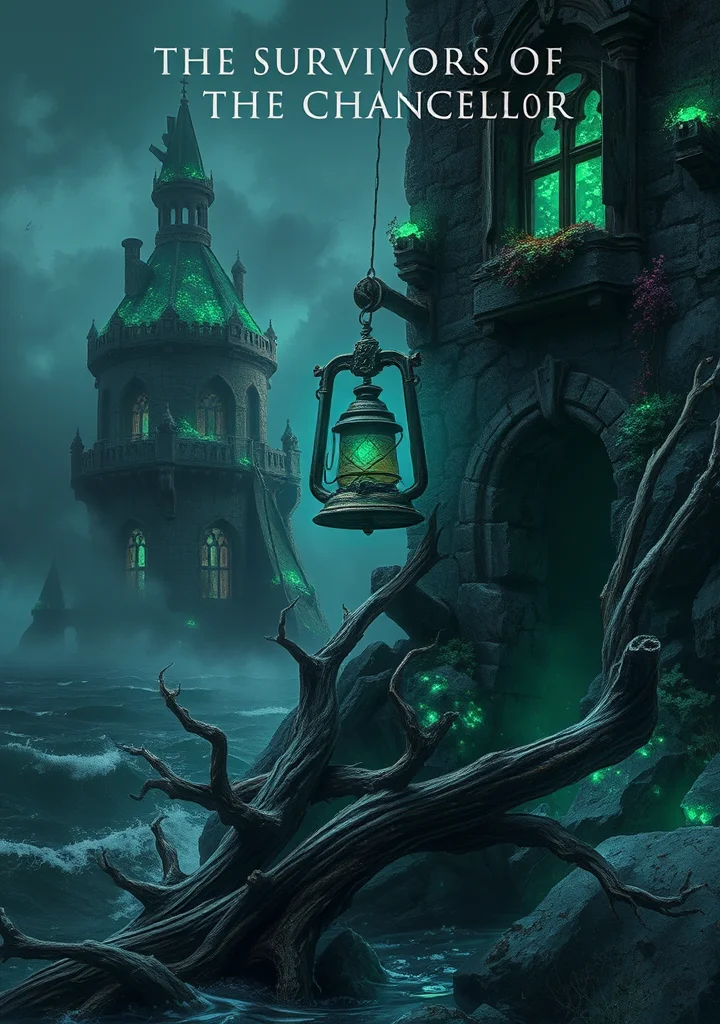
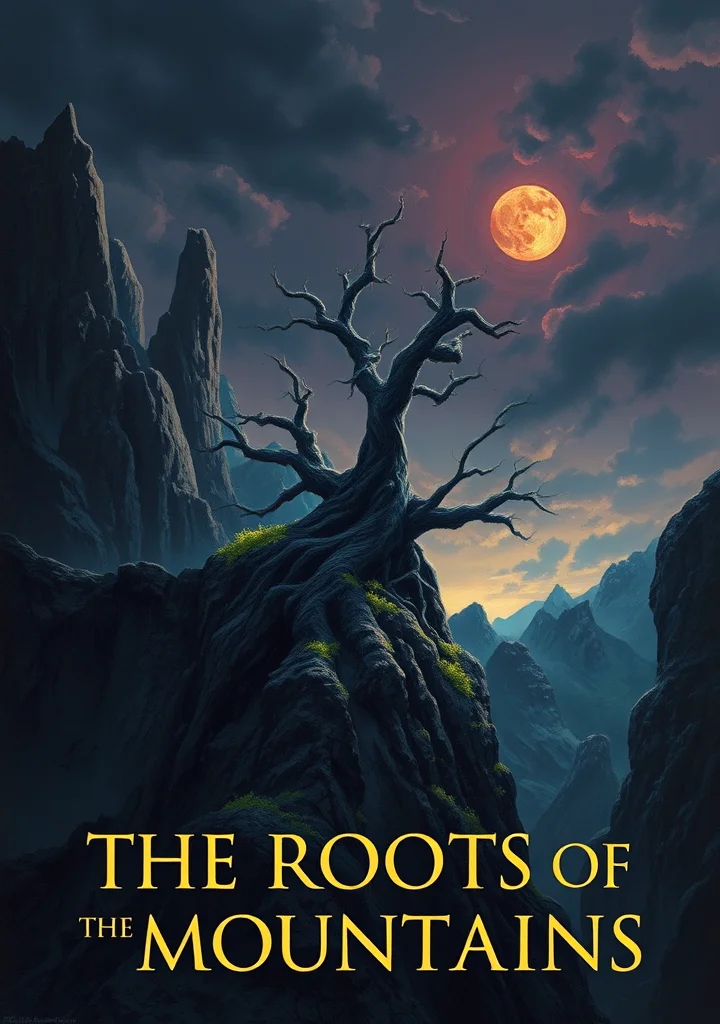
A creeping dread clings to the valleys where the stone teeth of the elder world still bite at the sky. This is not a tale of kings or conquest, but of the slow, deliberate claiming of the land by things older than memory. The mountains themselves breathe with a hunger that seeps into the bones of men, twisting their desires into echoes of forgotten gods. Villages wither not from plague or war, but from a silence that blooms in the shadowed hours between dusk and the first star.
Morris weaves a world where the very soil remembers, where the stones whisper of a dominion not of this age. The forests are not merely wood and leaf, but a living tapestry woven with the grief of ages, and the paths through them lead only to further entanglement in the mountain’s will. A pall of perpetual twilight descends with the first fall of snow, obscuring not just the horizon, but the boundaries of sanity.
The air tastes of iron and decay, and the faces of those who dwell near the peaks are worn thin with a longing for something they cannot name, a return to the darkness from which they were carved. Every hearth fire feels like a defiance, a flickering rebellion against the cold, patient gaze of the mountains, waiting for the roots to claim all that remains. The story unfolds like a slow unraveling, a descent into a hollowed earth where the boundaries between dream and waking blur, and the mountains themselves are both sanctuary and tomb.
Copyright: Public Domain
This license allows anyone to use your story for any purpose, including printing, selling, or adapting it into a film freely.
This license allows anyone to use your story for any purpose, including printing, selling, or adapting it into a film freely.
Chapter List
-
« The Roots of the Mountains »📖 Continue Reading
-
« Chapter_3 »
-
« The Roots of the Mountains »
-
« I »
-
« II »
-
« III »
-
« IV »
-
« V »
-
« VI »
-
« VII »
-
« VIII »
-
« IX »
-
« X »
-
« XI »
-
« XII »
-
« XIII »
-
« XIV »
-
« XV »
-
« XVI »
-
« XVII »
-
« XVIII »
-
« XIX »
-
« XX »
-
« XXI »
-
« XXII »
-
« XXIII »
-
« XXIV »
-
« XXV »
-
« XXVI »
-
« XXVII »
-
« XXVIII »
-
« XXIX »
-
« XXX »
-
« XXXI »
-
« XXXII »
-
« XXXIII »
-
« XXXIV »
-
« XXXV »
-
« XXXVI »
-
« XXXVII »
-
« XXXVIII »
-
« XXXIX »
-
« XL »
-
« XLI »
-
« XLII »
-
« XLIII »
-
« XLIV »
-
« XLV »
-
« XLVI »
-
« XLVII »
-
« XLVIII »
-
« XLIX »
-
« L »
-
« LI »
-
« LII »
-
« LIII »
-
« LIV »
-
« LV »
-
« LVI »
-
« LVII »
-
« LVIII »
-
« LIX »
62
-
« The Roots of the Mountains »
-
« Chapter_3 »
-
« The Roots of the Mountains »
-
« I »
-
« II »
-
« III »
-
« IV »
-
« V »
-
« VI »
-
« VII »
-
« VIII »
-
« IX »
-
« X »
-
« XI »
-
« XII »
-
« XIII »
-
« XIV »
-
« XV »
-
« XVI »
-
« XVII »
-
« XVIII »
-
« XIX »
-
« XX »
-
« XXI »
-
« XXII »
-
« XXIII »
-
« XXIV »
-
« XXV »
-
« XXVI »
-
« XXVII »
-
« XXVIII »
-
« XXIX »
-
« XXX »
-
« XXXI »
-
« XXXII »
-
« XXXIII »
-
« XXXIV »
-
« XXXV »
-
« XXXVI »
-
« XXXVII »
-
« XXXVIII »
-
« XXXIX »
-
« XL »
-
« XLI »
-
« XLII »
-
« XLIII »
-
« XLIV »
-
« XLV »
-
« XLVI »
-
« XLVII »
-
« XLVIII »
-
« XLIX »
-
« L »
-
« LI »
-
« LII »
-
« LIII »
-
« LIV »
-
« LV »
-
« LVI »
-
« LVII »
-
« LVIII »
-
« LIX »
More like this