
-
Read 666
-
0
-
Part 62
Completed, First published Mar 02, 2026
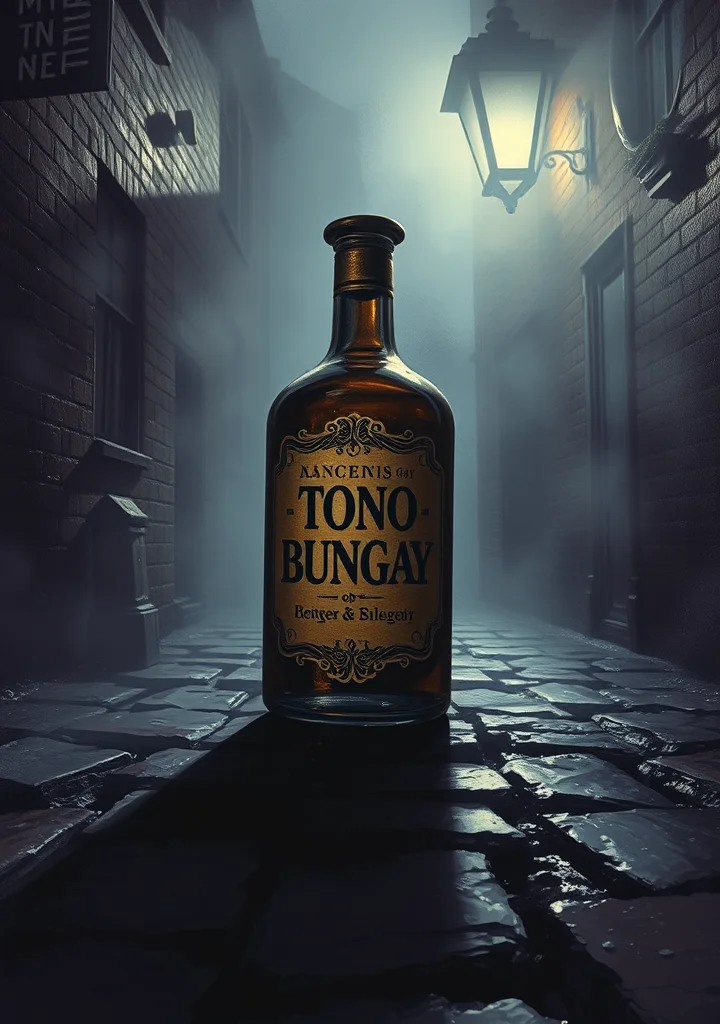
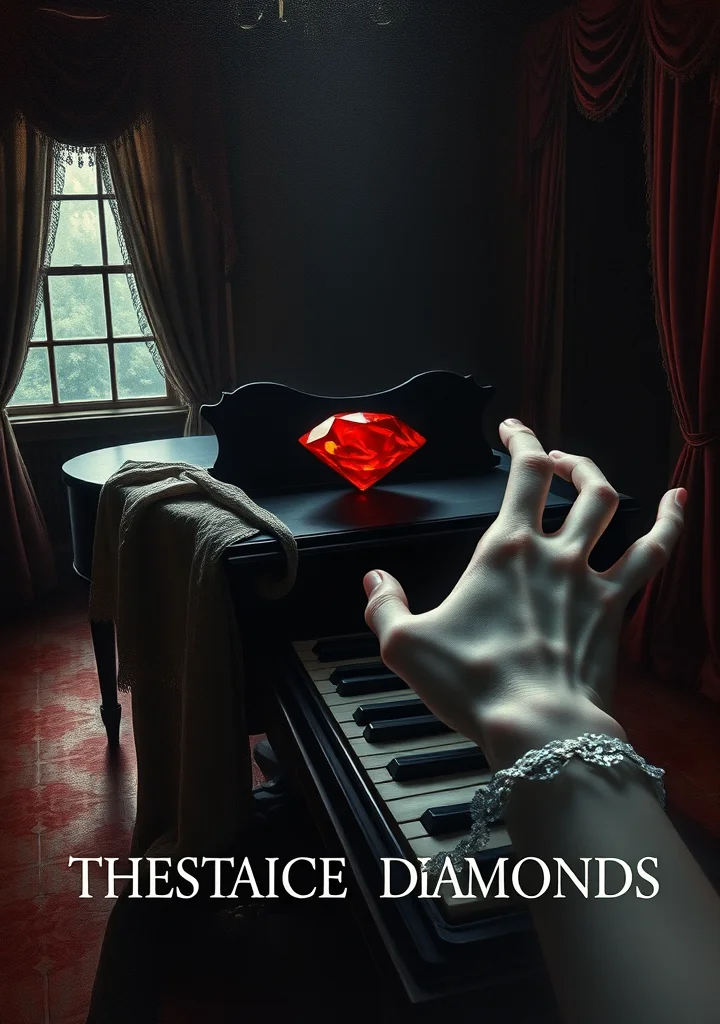
A creeping dread clings to the polished surfaces of New York society, mirroring the rot beneath the veneer of respectability. Frank Algernon, driven by a hunger for wealth and status, builds his empire not on honest trade but on the shifting sands of speculation and compromised morality. The novel exhales the chill of calculating ambition, the suffocating weight of inherited class, and the hollow ache of a love bought and bartered. Shadows lengthen from Algernon’s gilded cage, obscuring the cost of his ascent—a fractured spirit, a discarded wife, and the gnawing suspicion that his fortune is built upon a foundation of decaying souls. The air is thick with the perfume of lilies and the metallic tang of regret. Each transaction feels like a tightening noose, each success a further descent into a labyrinth of gilded cages and spectral debts. A pervasive loneliness permeates the narrative, a cold, grey fog that clings to the opulent interiors and haunts the deserted avenues long after Algernon’s final, desperate gambit. It is a world where the pursuit of capital breeds a quiet, insidious despair, a slow poison that dissolves not just fortunes, but the very core of human decency. The city itself becomes a mausoleum of ambition, its stone heart beating with the rhythm of Algernon’s accelerating doom.
Copyright: Public Domain
This license allows anyone to use your story for any purpose, including printing, selling, or adapting it into a film freely.
This license allows anyone to use your story for any purpose, including printing, selling, or adapting it into a film freely.
Chapter List
-
« The Financier »📖 Continue Reading
-
« I »
-
« II »
-
« III »
-
« IV »
-
« V »
-
« VI »
-
« VII »
-
« VIII »
-
« IX »
-
« X »
-
« XI »
-
« XII »
-
« XIII »
-
« XIV »
-
« XV »
-
« XVI »
-
« XVII »
-
« XVIII »
-
« XIX »
-
« XX »
-
« XXI »
-
« XXII »
-
« XXIII »
-
« XXIV »
-
« XXV »
-
« XXVI »
-
« XXVII »
-
« XXVIII »
-
« XXIX »
-
« XXX »
-
« XXXI »
-
« XXXII »
-
« XXXIII »
-
« XXXIV »
-
« XXXV »
-
« XXXVI »
-
« XXXVII »
-
« XXXVIII »
-
« XXXIX »
-
« XL »
-
« XLI »
-
« XLII »
-
« XLIII »
-
« XLIV »
-
« XLV »
-
« XLVI »
-
« XLVII »
-
« XLVIII »
-
« XLIX »
-
« L »
-
« LI »
-
« LII »
-
« LIII »
-
« LIV »
-
« LV »
-
« LVI »
-
« LVII »
-
« LVIII »
-
« LIX »
-
« ConcerningMycteroperca Bonaci »
-
« The Magic Crystal »
62
-
« The Financier »
-
« I »
-
« II »
-
« III »
-
« IV »
-
« V »
-
« VI »
-
« VII »
-
« VIII »
-
« IX »
-
« X »
-
« XI »
-
« XII »
-
« XIII »
-
« XIV »
-
« XV »
-
« XVI »
-
« XVII »
-
« XVIII »
-
« XIX »
-
« XX »
-
« XXI »
-
« XXII »
-
« XXIII »
-
« XXIV »
-
« XXV »
-
« XXVI »
-
« XXVII »
-
« XXVIII »
-
« XXIX »
-
« XXX »
-
« XXXI »
-
« XXXII »
-
« XXXIII »
-
« XXXIV »
-
« XXXV »
-
« XXXVI »
-
« XXXVII »
-
« XXXVIII »
-
« XXXIX »
-
« XL »
-
« XLI »
-
« XLII »
-
« XLIII »
-
« XLIV »
-
« XLV »
-
« XLVI »
-
« XLVII »
-
« XLVIII »
-
« XLIX »
-
« L »
-
« LI »
-
« LII »
-
« LIII »
-
« LIV »
-
« LV »
-
« LVI »
-
« LVII »
-
« LVIII »
-
« LIX »
-
« ConcerningMycteroperca Bonaci »
-
« The Magic Crystal »
More like this