
-
Read 1.2K
-
0
-
Part 98
Completed, First published Mar 02, 2026
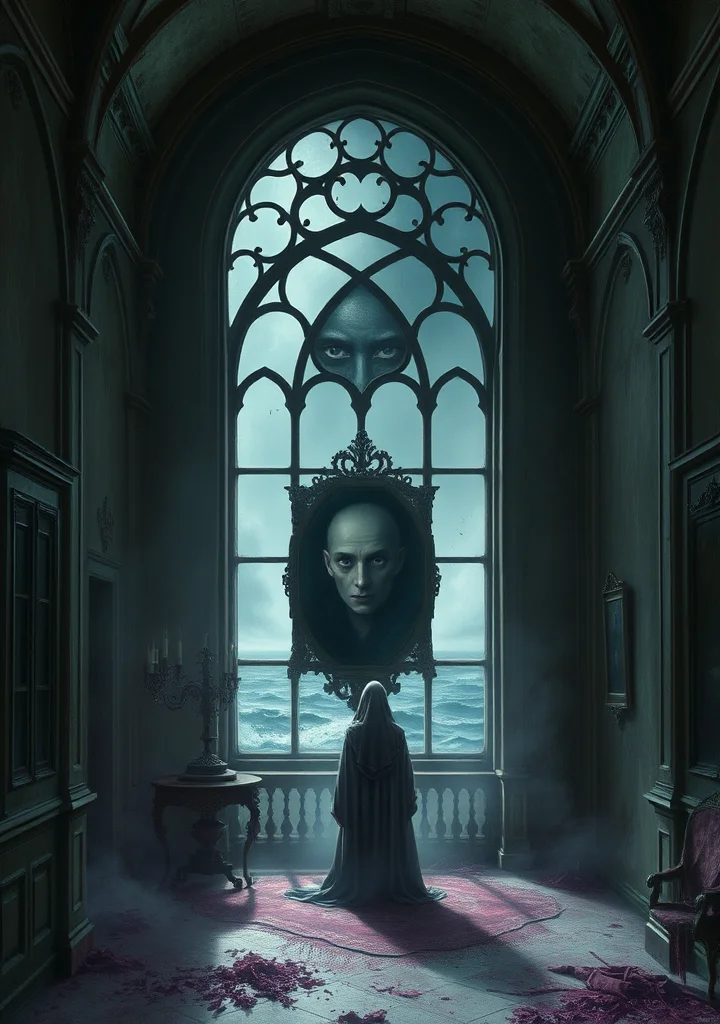
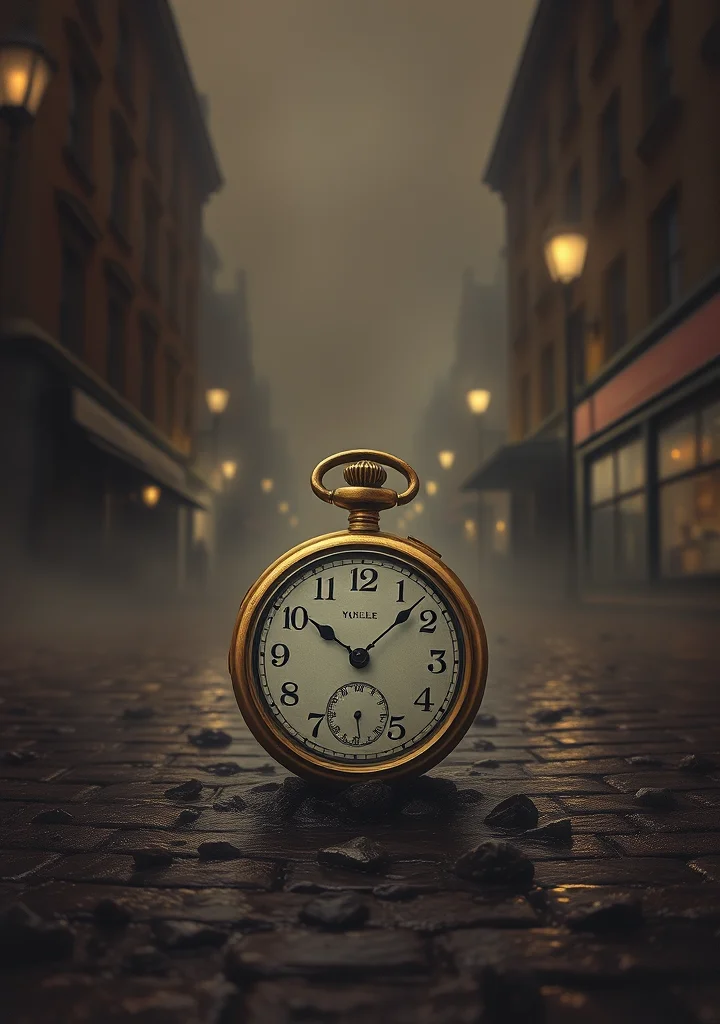
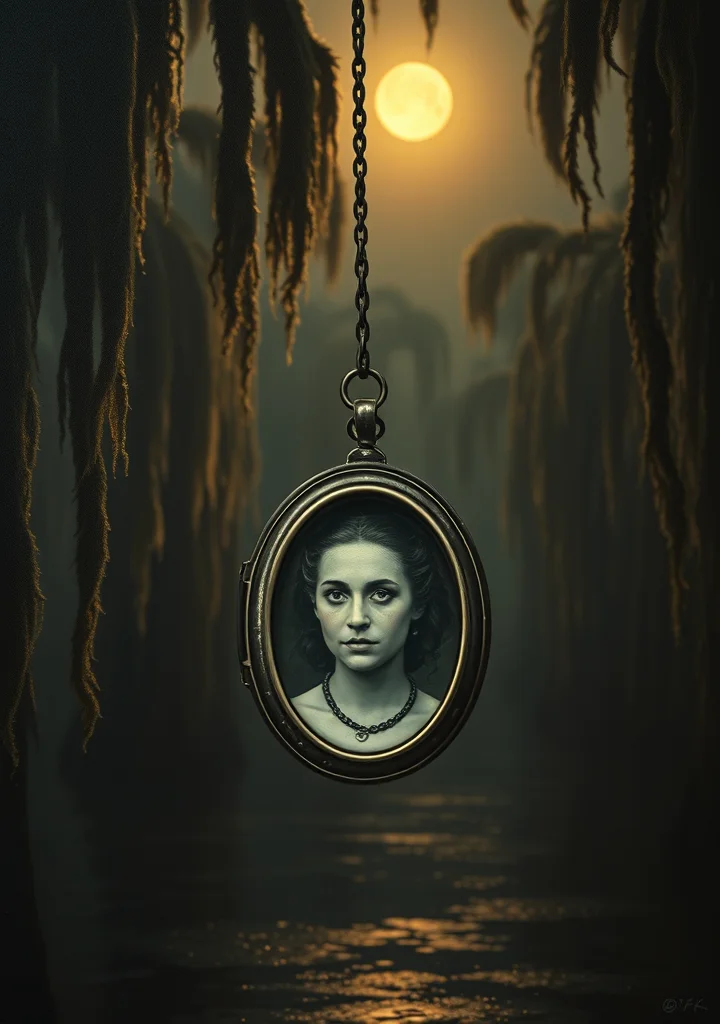
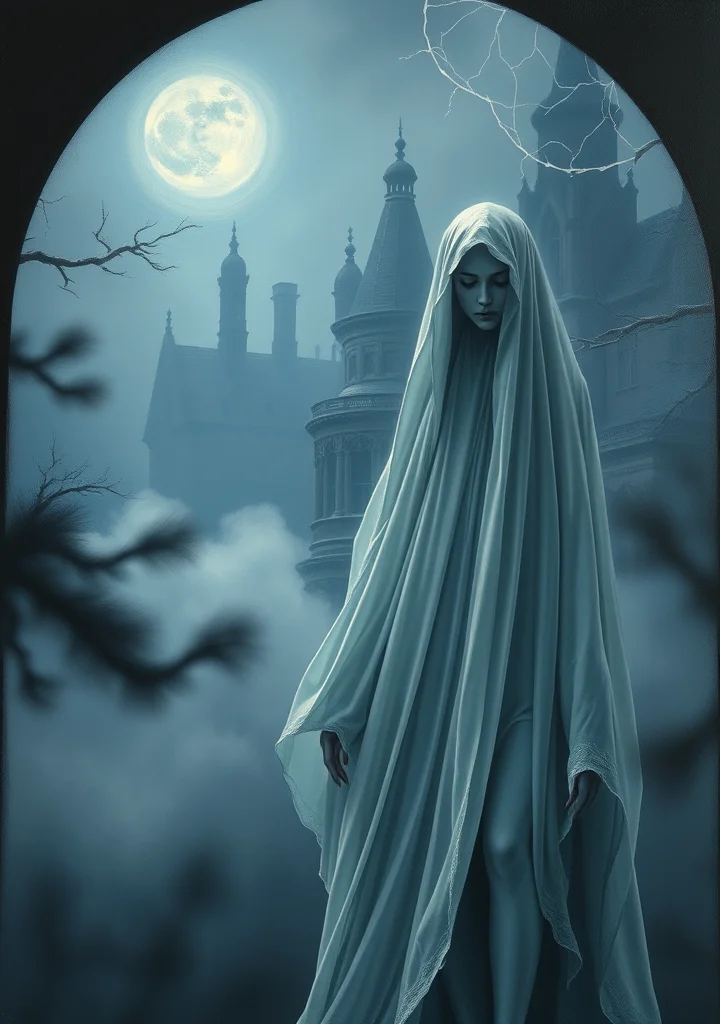
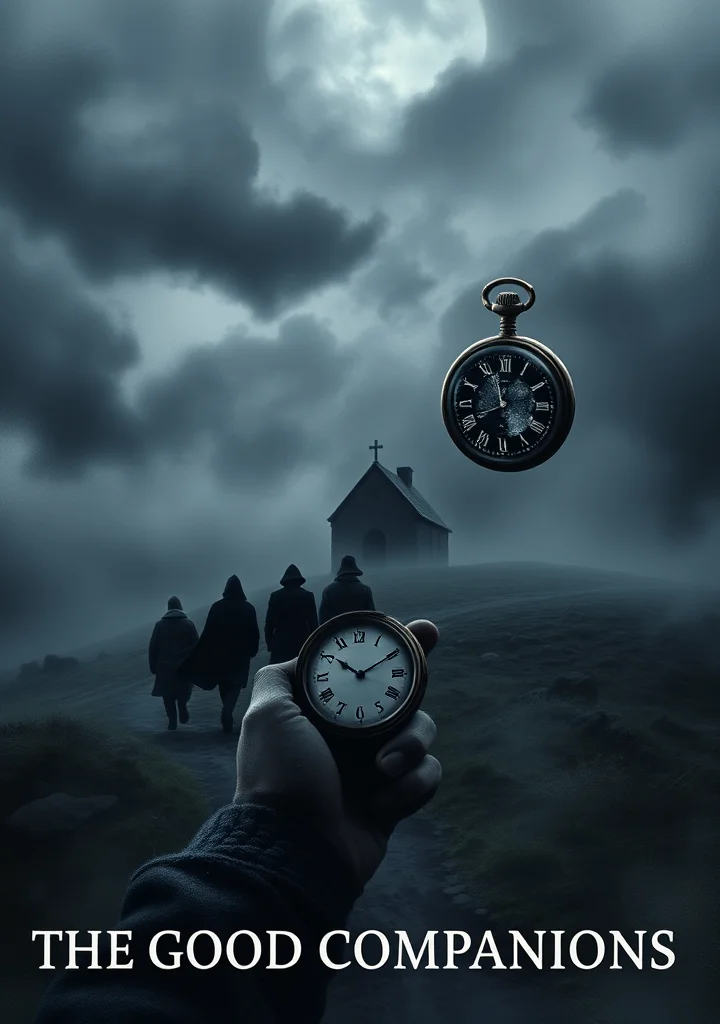
A creeping fog clings to the Yorkshire moors, mirroring the secrets held within the hearts of five strangers bound together by chance and a shared, unsettling journey. The year is nineteen thirty-one, and the weight of England’s failing industries presses down on each companion like a suffocating shroud. But this is no mere tale of economic hardship. It’s a slow unraveling, a gothic pilgrimage across a landscape haunted by fractured memories and the ghosts of unspoken desires.
Each character carries a fragment of a forgotten tragedy, their pasts woven into the very fabric of the crumbling pubs and desolate railway lines they traverse. The narrative breathes with a melancholic rhythm, echoing the rhythmic clatter of train wheels and the mournful cry of distant sheep. A sense of premonition hangs heavy – not of spectacular doom, but of quiet, insidious decay.
The camaraderie feels brittle, laced with suspicion and a desperate need to understand the shadows lurking within their companions’ eyes. As the companions draw closer to London, the oppressive atmosphere intensifies, mirroring the city’s labyrinthine streets and the moral murk beneath its glittering façade. A creeping sense of inevitability settles upon them, hinting that their shared journey isn’t merely across England, but towards a reckoning with the darkness within themselves. It’s a story told in hushed tones, where the true horrors aren’t found in grand gestures, but in the silences between words and the chilling recognition of shared, unacknowledged grief.
Copyright: Public Domain
This license allows anyone to use your story for any purpose, including printing, selling, or adapting it into a film freely.
This license allows anyone to use your story for any purpose, including printing, selling, or adapting it into a film freely.
Chapter List
-
« The Good Companions »📖 Continue Reading
-
« Chapter_3 »
-
« The Good Companions »
-
« I »
-
« I »
-
« II »
-
« III »
-
« IV »
-
« II »
-
« I »
-
« II »
-
« III »
-
« IV »
-
« III »
-
« I »
-
« II »
-
« III »
-
« IV »
-
« I »
-
« II »
-
« III »
-
« IV »
-
« V »
-
« V »
-
« I »
-
« II »
-
« III »
-
« IV »
-
« VI »
-
« I »
-
« II »
-
« III »
-
« I »
-
« I »
-
« II »
-
« II »
-
« III »
-
« I »
-
« II »
-
« III »
-
« IV »
-
« IV »
-
« I »
-
« II »
-
« III »
-
« IV »
-
« V »
-
« I »
-
« II »
-
« III »
-
« IV »
-
« VI »
-
« I »
-
« II »
-
« III »
-
« IV »
-
« VII »
-
« I »
-
« II »
-
« III »
-
« IV »
-
« V »
-
« VI »
-
« VII »
-
« VIII »
-
« IX »
-
« I »
-
« I »
-
« II »
-
« III »
-
« IV »
-
« II »
-
« I »
-
« II »
-
« III »
-
« IV »
-
« III »
-
« I »
-
« II »
-
« III »
-
« IV »
-
« IV »
-
« I »
-
« II »
-
« III »
-
« V »
-
« I »
-
« II »
-
« III »
-
« IV »
-
« V »
-
« VI »
-
« I »
-
« II »
-
« III »
-
« Chapter_100 »
-
« V »
-
« Epilogue »
98
-
« The Good Companions »
-
« Chapter_3 »
-
« The Good Companions »
-
« I »
-
« I »
-
« II »
-
« III »
-
« IV »
-
« II »
-
« I »
-
« II »
-
« III »
-
« IV »
-
« III »
-
« I »
-
« II »
-
« III »
-
« IV »
-
« I »
-
« II »
-
« III »
-
« IV »
-
« V »
-
« V »
-
« I »
-
« II »
-
« III »
-
« IV »
-
« VI »
-
« I »
-
« II »
-
« III »
-
« I »
-
« I »
-
« II »
-
« II »
-
« III »
-
« I »
-
« II »
-
« III »
-
« IV »
-
« IV »
-
« I »
-
« II »
-
« III »
-
« IV »
-
« V »
-
« I »
-
« II »
-
« III »
-
« IV »
-
« VI »
-
« I »
-
« II »
-
« III »
-
« IV »
-
« VII »
-
« I »
-
« II »
-
« III »
-
« IV »
-
« V »
-
« VI »
-
« VII »
-
« VIII »
-
« IX »
-
« I »
-
« I »
-
« II »
-
« III »
-
« IV »
-
« II »
-
« I »
-
« II »
-
« III »
-
« IV »
-
« III »
-
« I »
-
« II »
-
« III »
-
« IV »
-
« IV »
-
« I »
-
« II »
-
« III »
-
« V »
-
« I »
-
« II »
-
« III »
-
« IV »
-
« V »
-
« VI »
-
« I »
-
« II »
-
« III »
-
« Chapter_100 »
-
« V »
-
« Epilogue »
More like this