
-
Read 1.1K
-
0
-
Part 75
Completed, First published Mar 02, 2026
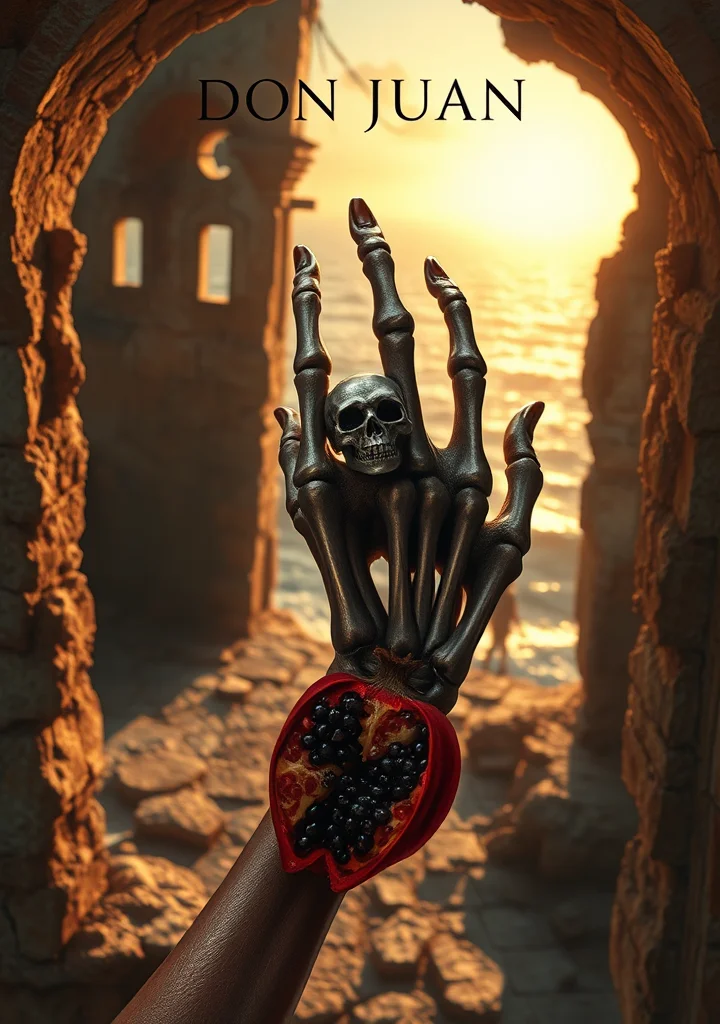
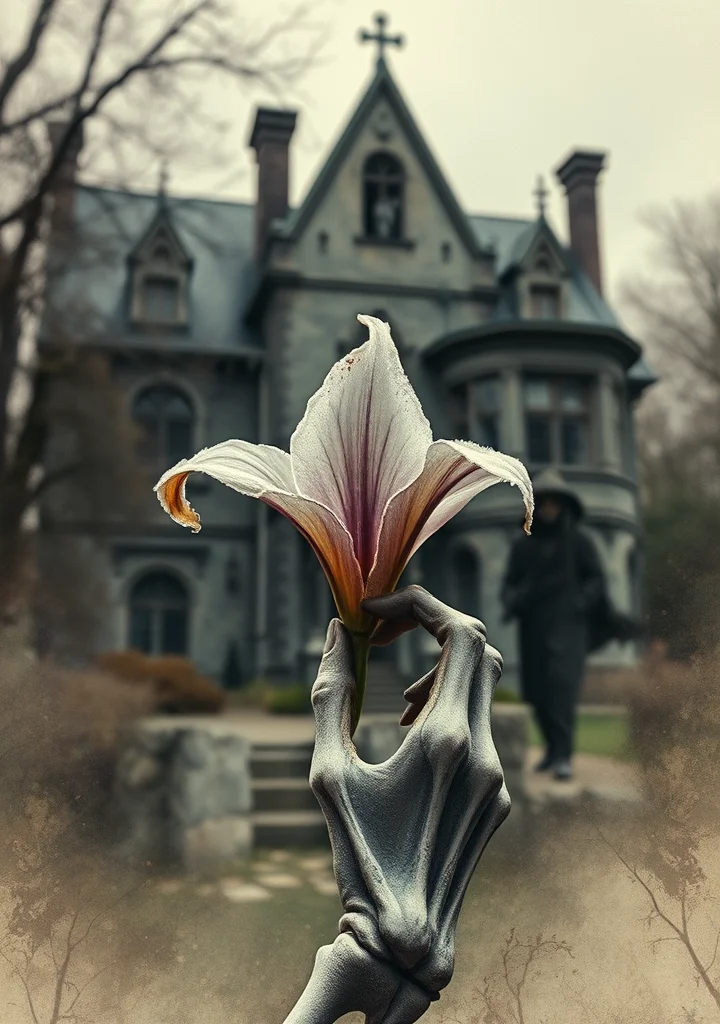
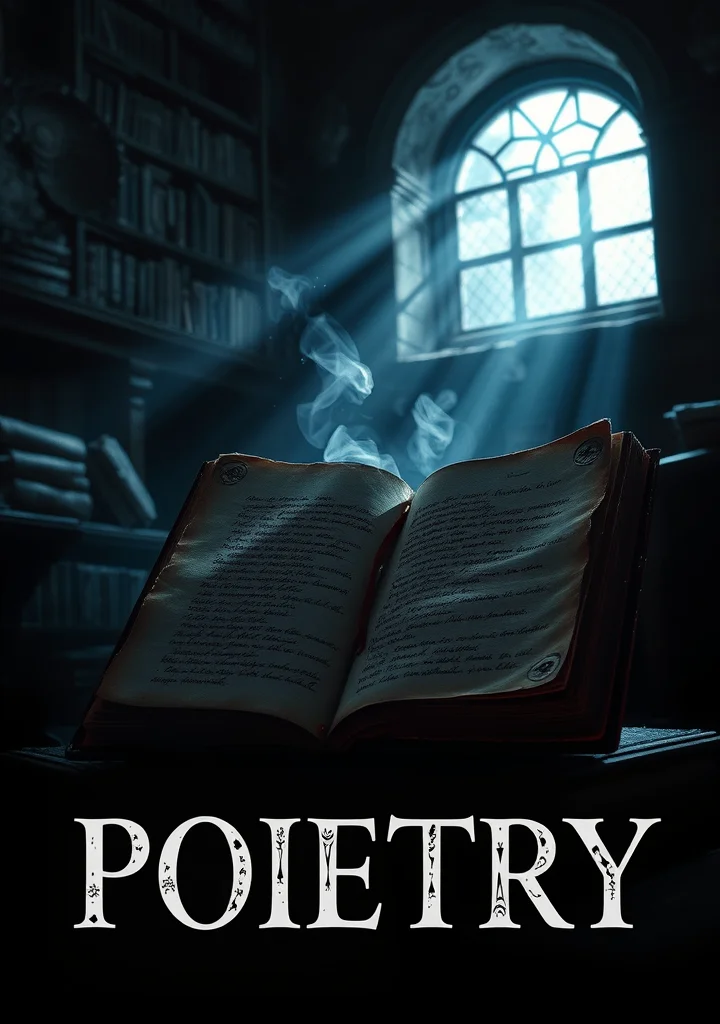
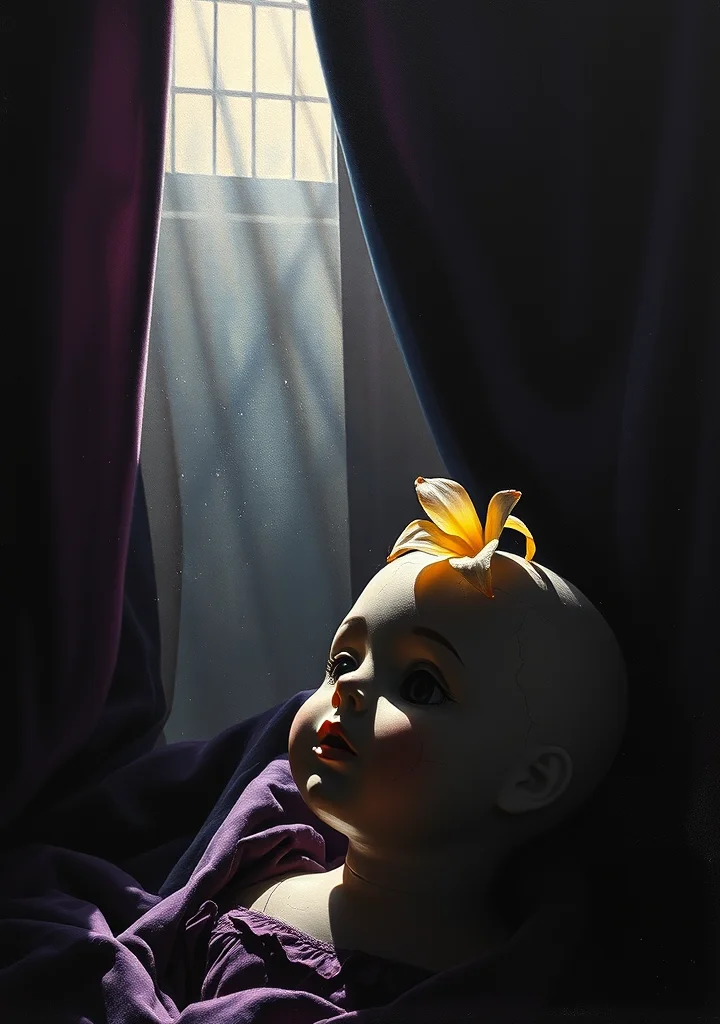
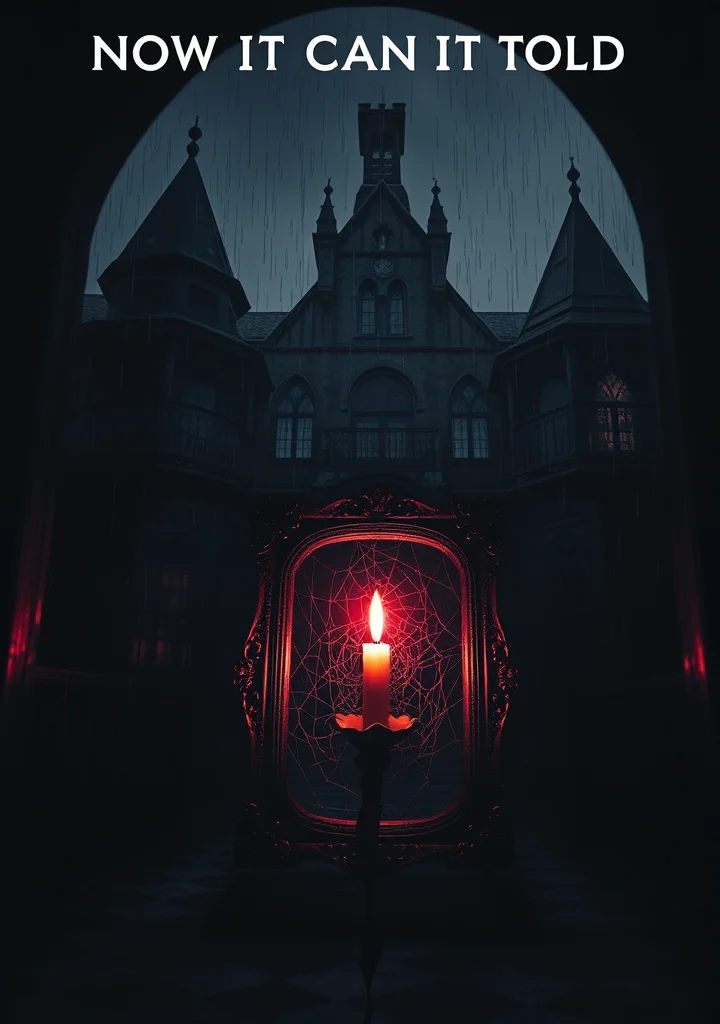
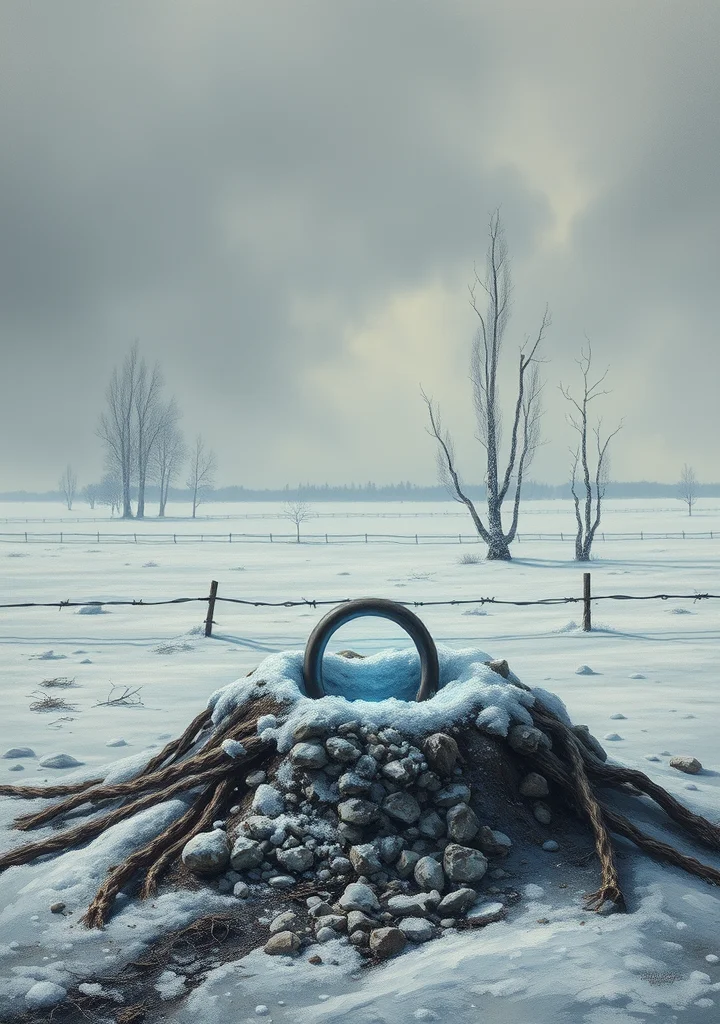
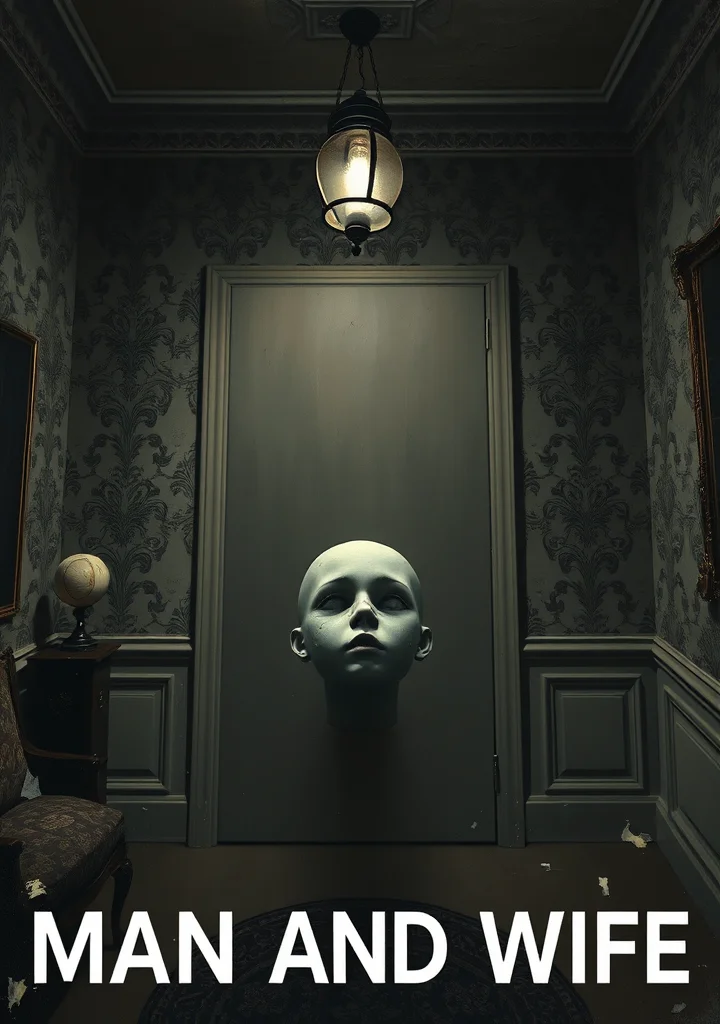
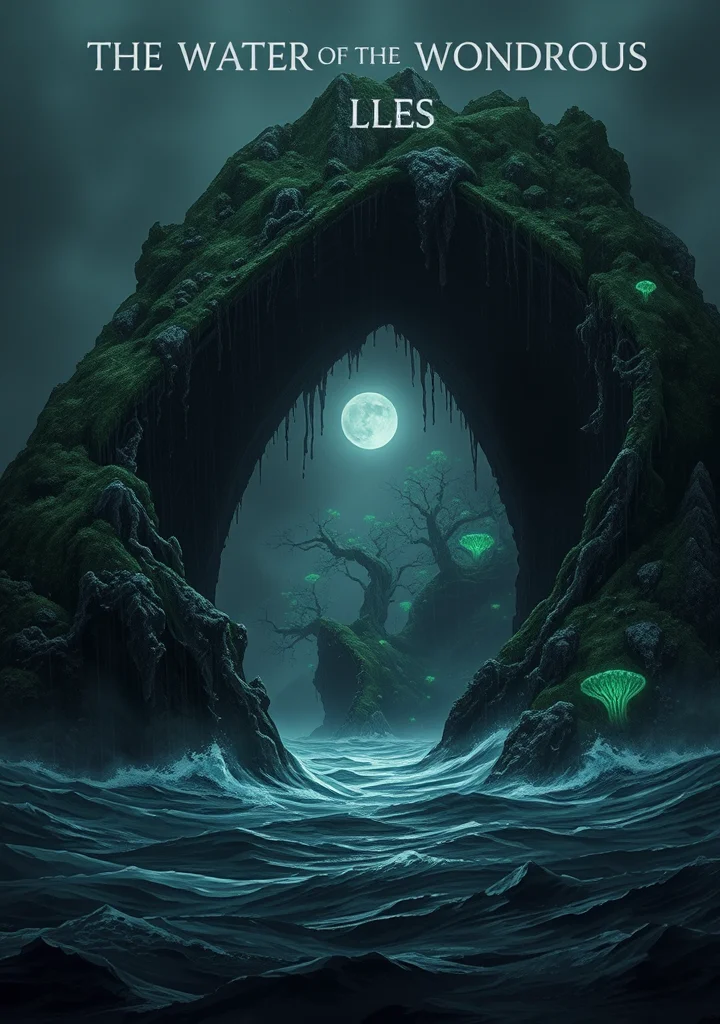
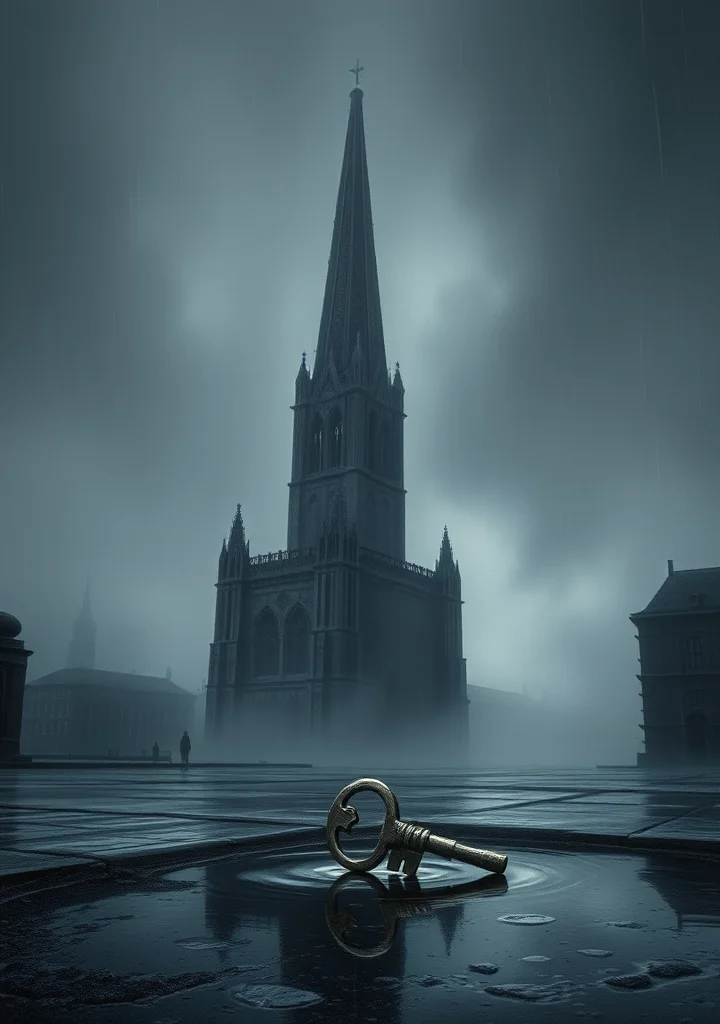
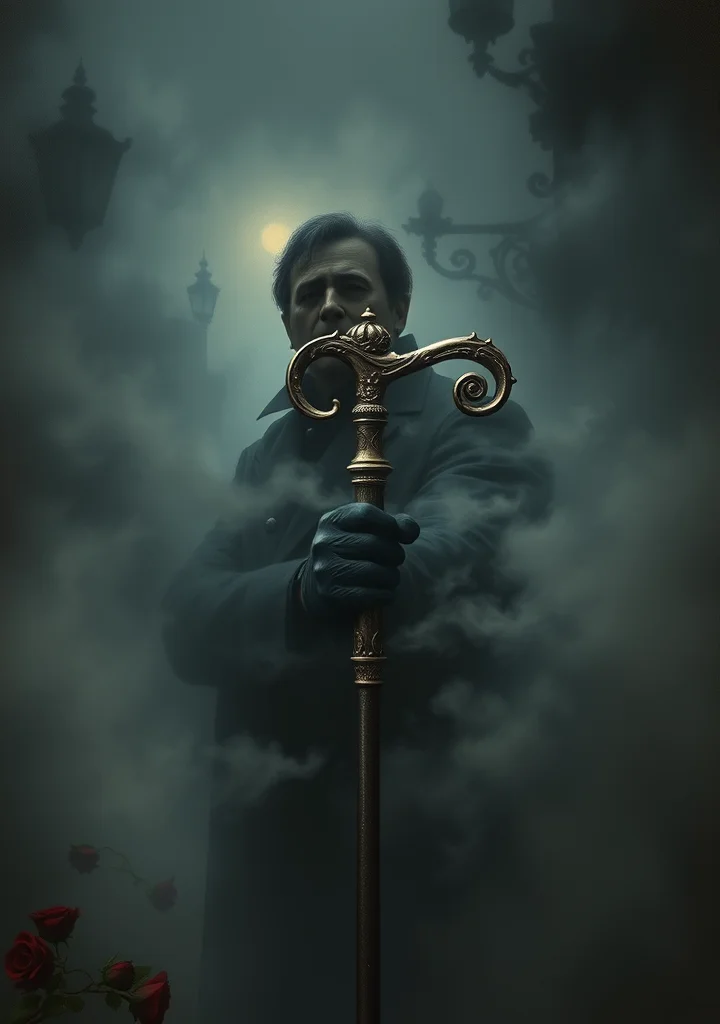
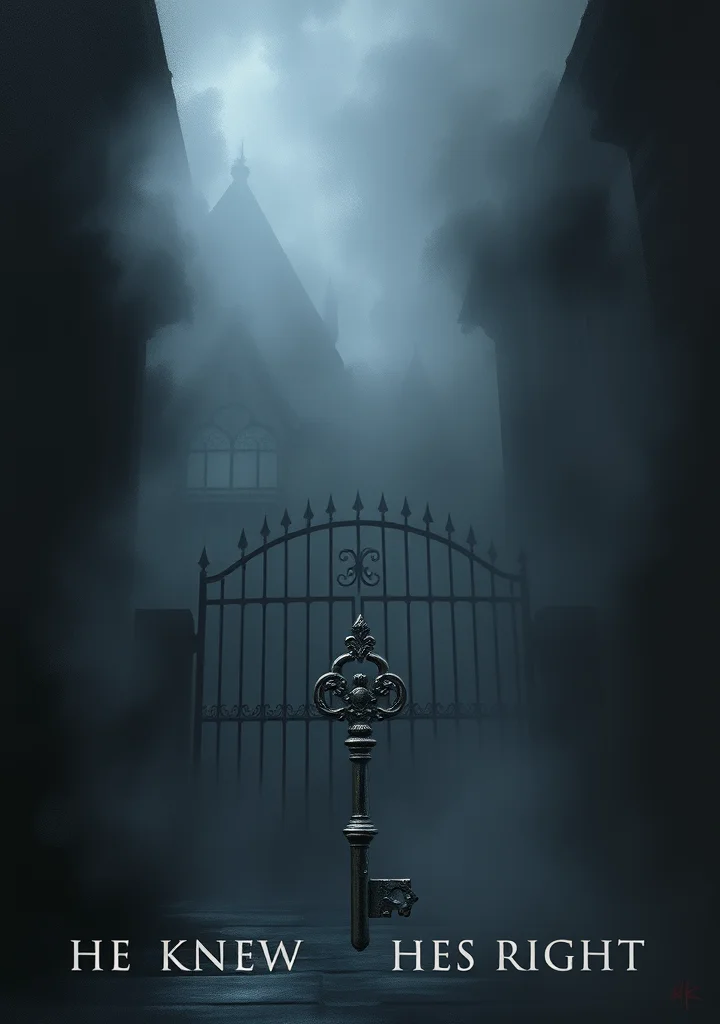
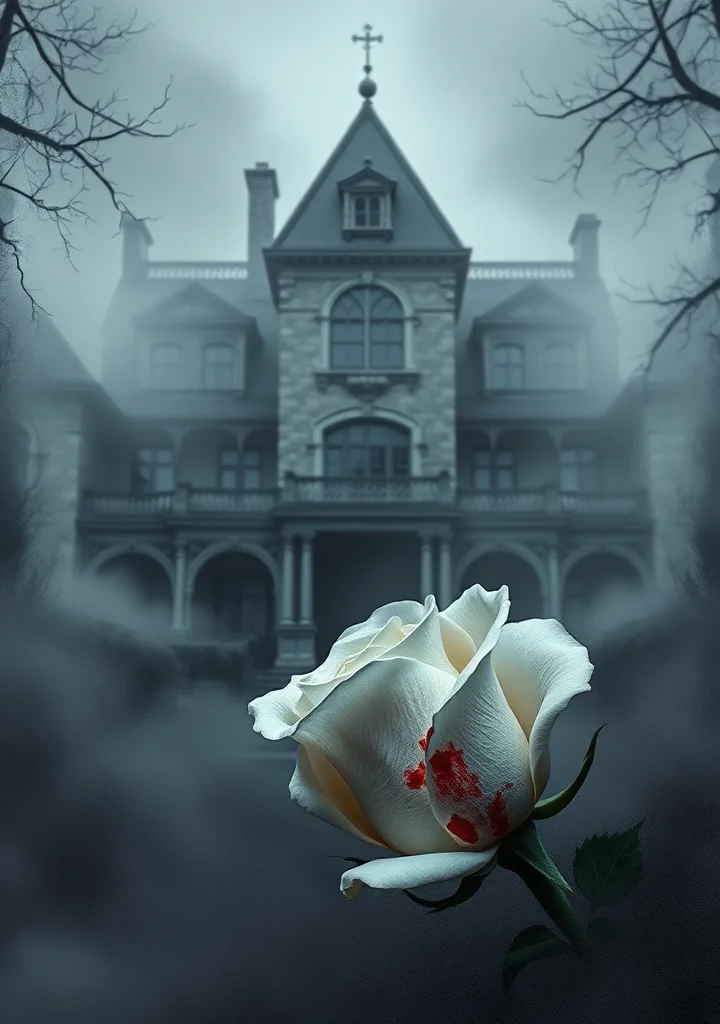
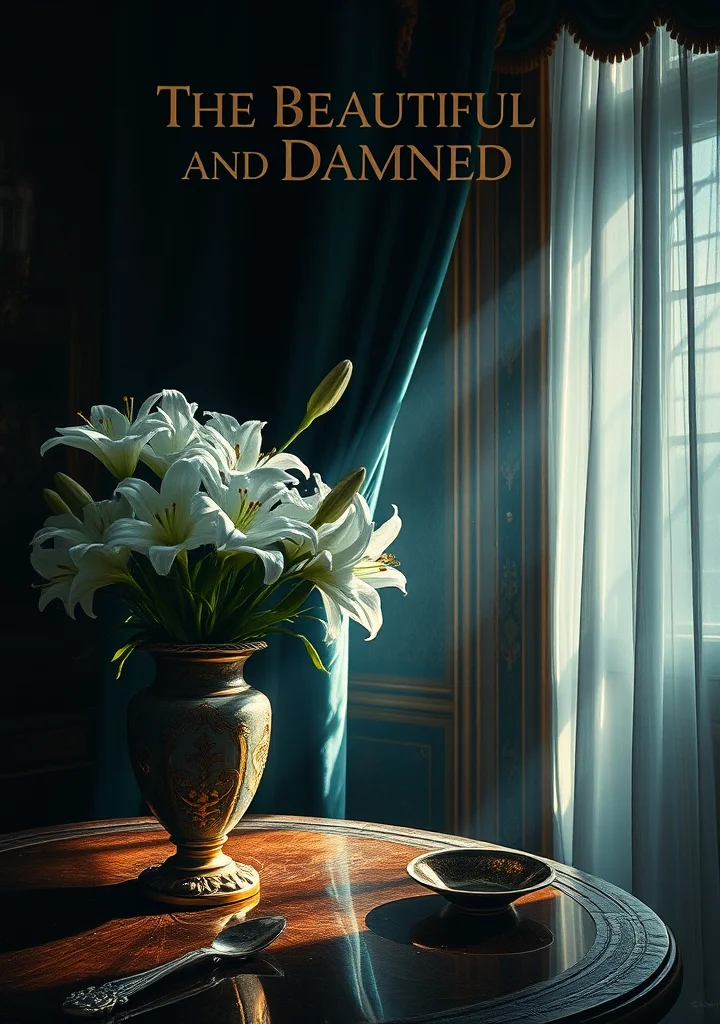
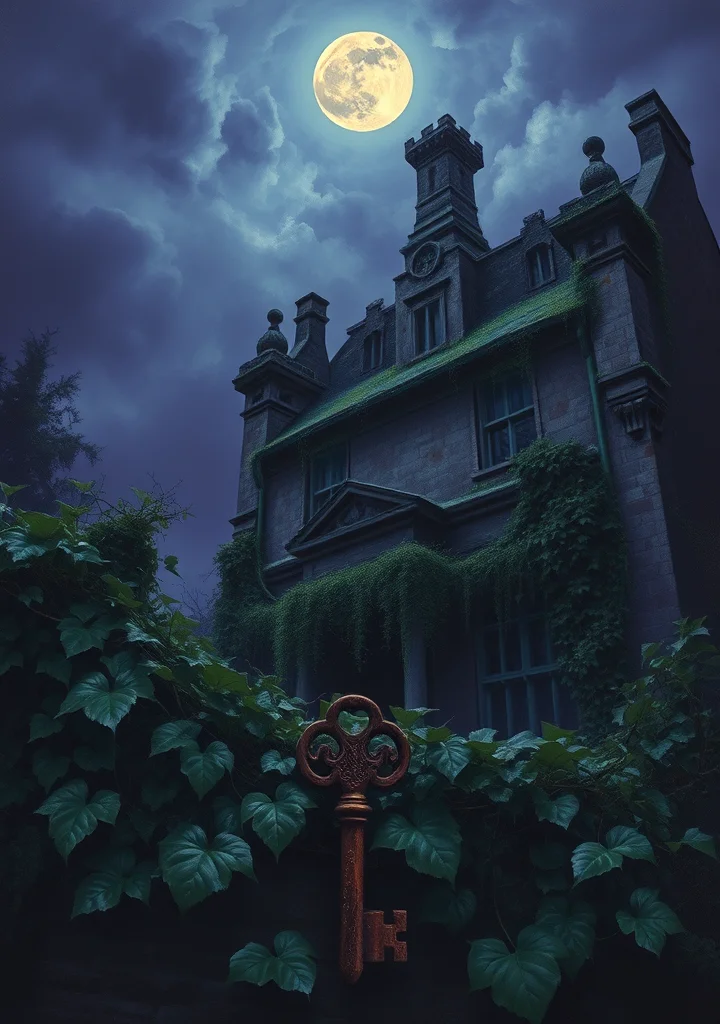
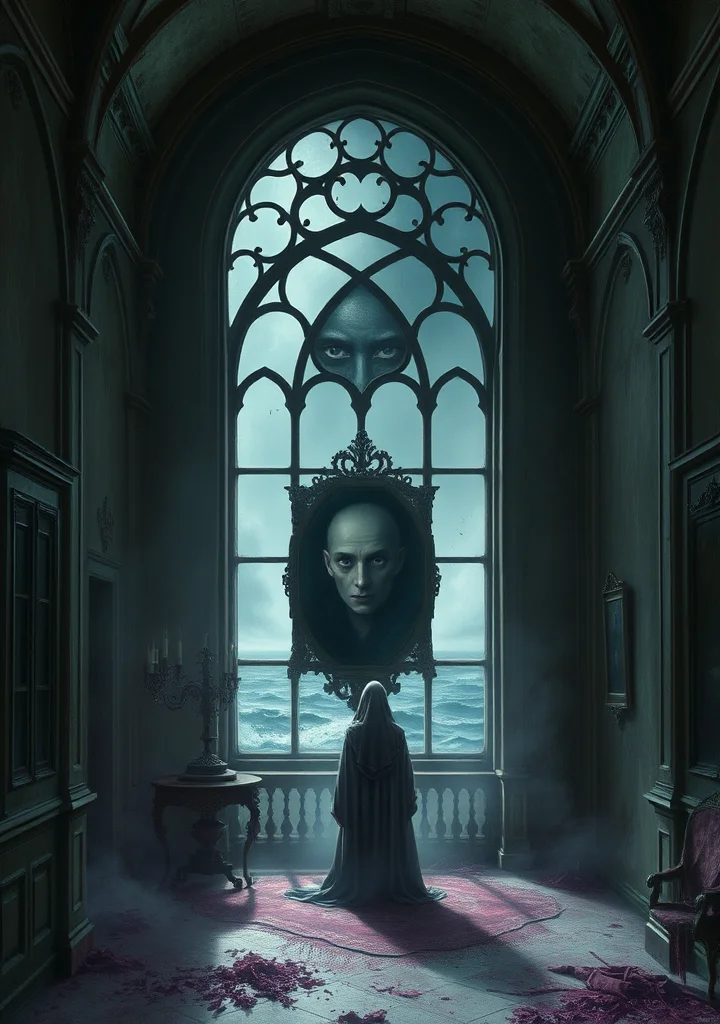
A creeping dread clings to the Baltic shores, mirroring the fractured psyche of its protagonist. Spielhagen weaves a tale steeped in the brine-soaked rot of ancestral homes and the echoing silences of inherited madness. The narrative unravels like sea-bleached linen, revealing a lineage cursed by storms both literal and internal. Within shadowed manor halls, where portraits seem to watch with hollow eyes, a man grapples with the splintering of his own will, driven to the brink by whispers of forgotten inheritances and the suffocating weight of familial expectation.
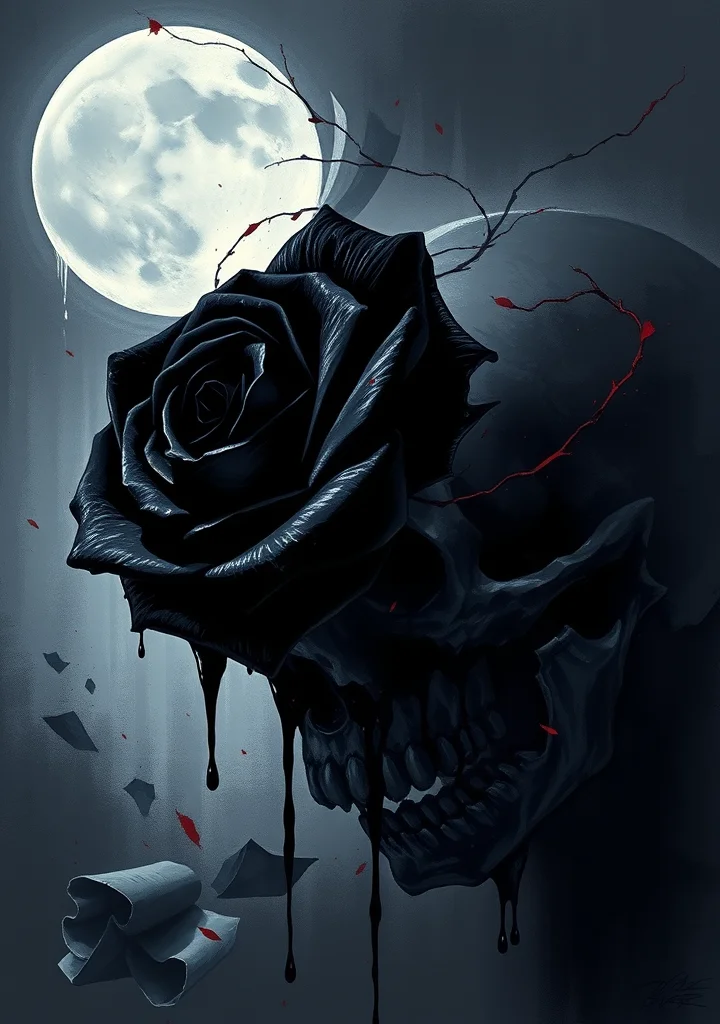
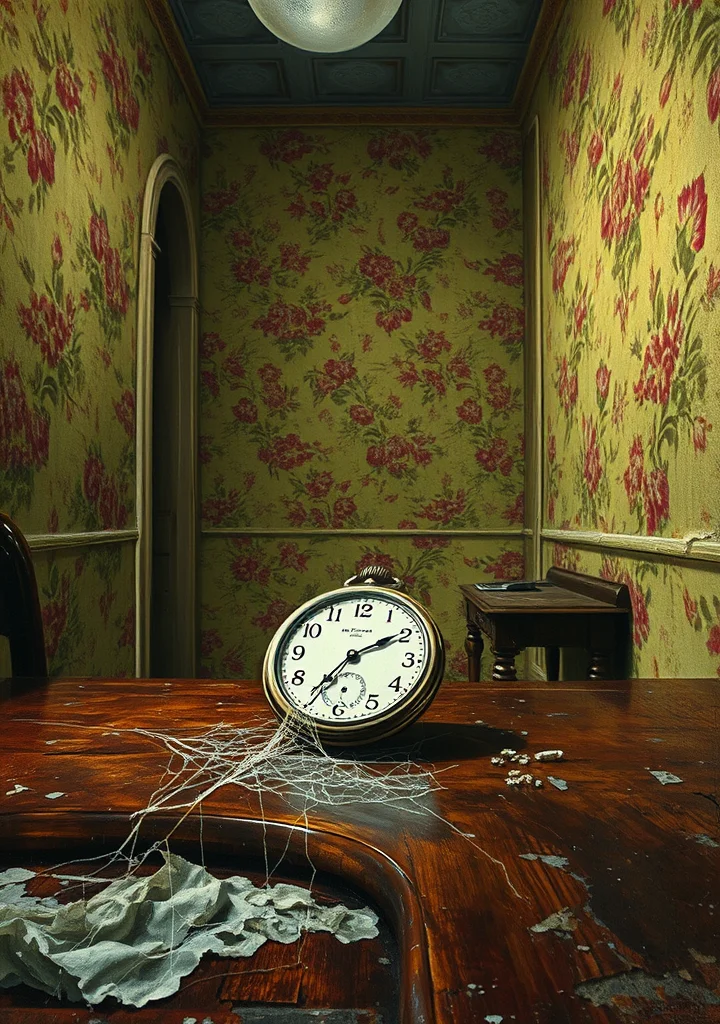
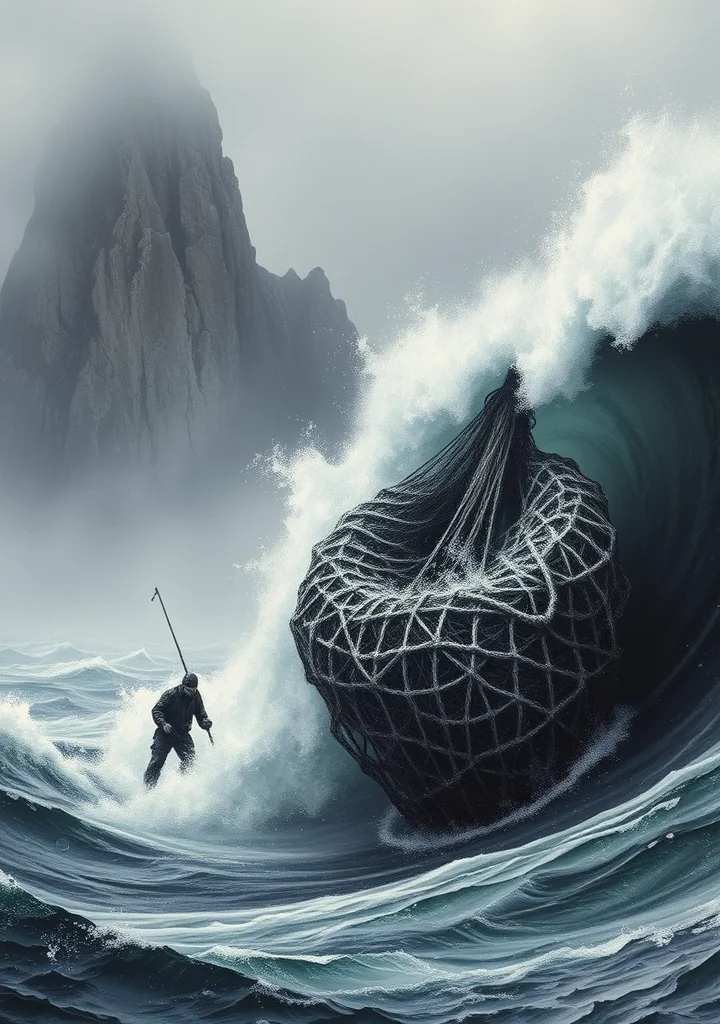
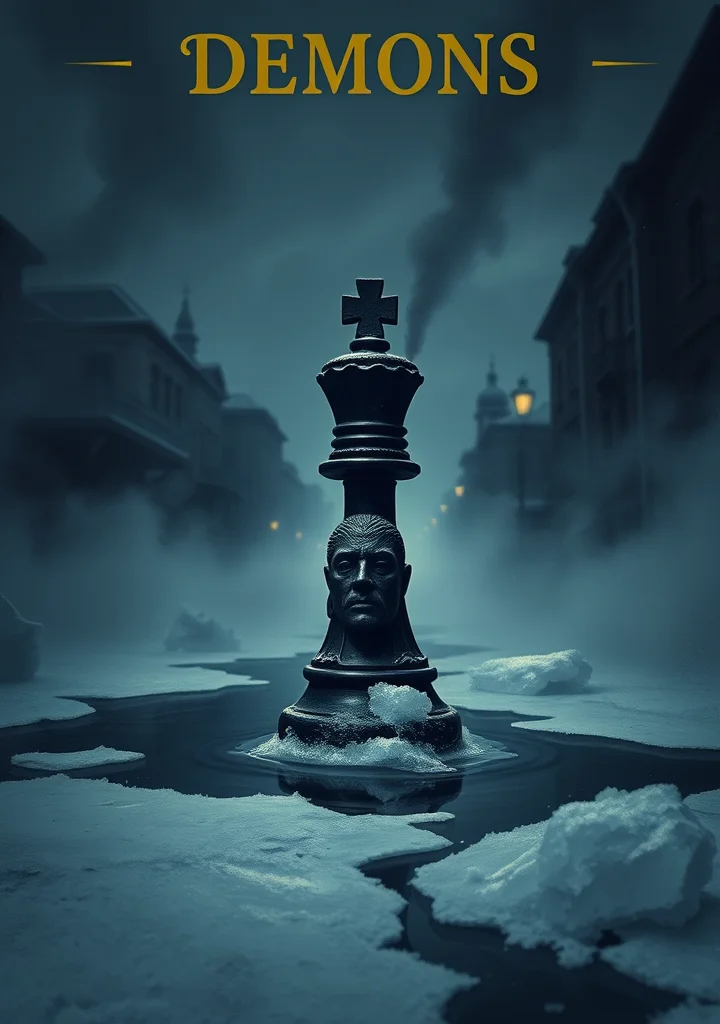
The storm itself is not merely meteorological; it’s a fracturing of the self, a descent into the fractured landscapes of memory and delusion. Each chapter breathes with the damp chill of coastal ruins, the oppressive weight of generational trauma, and the creeping suspicion that the very foundations of reality are eroding. A claustrophobic sense of inevitability permeates the prose – a slow, inexorable pull toward the precipice of ruin, where the boundaries between dream and waking nightmare blur into a single, suffocating terror. The scent of salt and decay lingers long after the final page, a phantom ache of the storm’s breaking within the soul.
Copyright: Public Domain
This license allows anyone to use your story for any purpose, including printing, selling, or adapting it into a film freely.
This license allows anyone to use your story for any purpose, including printing, selling, or adapting it into a film freely.
Chapter List
-
« The Breaking of the Storm »📖 Continue Reading
-
« I »
-
« II »
-
« III »
-
« IV »
-
« V »
-
« VI »
-
« VII »
-
« VIII »
-
« IX »
-
« X »
-
« XI »
-
« XII »
-
« I »
-
« II »
-
« III »
-
« IV »
-
« V »
-
« VI »
-
« VII »
-
« VIII »
-
« IX »
-
« X »
-
« XI »
-
« XII »
-
« XIII »
-
« XIV »
-
« XV »
-
« I »
-
« II »
-
« III »
-
« IV »
-
« V »
-
« VI »
-
« VII »
-
« VIII »
-
« IX »
-
« X »
-
« XI »
-
« XII »
-
« XIII »
-
« I »
-
« II »
-
« III »
-
« IV »
-
« V »
-
« VI »
-
« VII »
-
« VIII »
-
« IX »
-
« X »
-
« XI »
-
« XII »
-
« XIII »
-
« I »
-
« II »
-
« III »
-
« IV »
-
« V »
-
« VI »
-
« I »
-
« II »
-
« III »
-
« IV »
-
« V »
-
« VI »
-
« VII »
-
« VIII »
-
« IX »
-
« X »
-
« XI »
-
« XII »
-
« XIII »
-
« XIV »
-
« XV »
75
-
« The Breaking of the Storm »
-
« I »
-
« II »
-
« III »
-
« IV »
-
« V »
-
« VI »
-
« VII »
-
« VIII »
-
« IX »
-
« X »
-
« XI »
-
« XII »
-
« I »
-
« II »
-
« III »
-
« IV »
-
« V »
-
« VI »
-
« VII »
-
« VIII »
-
« IX »
-
« X »
-
« XI »
-
« XII »
-
« XIII »
-
« XIV »
-
« XV »
-
« I »
-
« II »
-
« III »
-
« IV »
-
« V »
-
« VI »
-
« VII »
-
« VIII »
-
« IX »
-
« X »
-
« XI »
-
« XII »
-
« XIII »
-
« I »
-
« II »
-
« III »
-
« IV »
-
« V »
-
« VI »
-
« VII »
-
« VIII »
-
« IX »
-
« X »
-
« XI »
-
« XII »
-
« XIII »
-
« I »
-
« II »
-
« III »
-
« IV »
-
« V »
-
« VI »
-
« I »
-
« II »
-
« III »
-
« IV »
-
« V »
-
« VI »
-
« VII »
-
« VIII »
-
« IX »
-
« X »
-
« XI »
-
« XII »
-
« XIII »
-
« XIV »
-
« XV »
More like this