
Salammbô
  • 43
  • 0
  • 16
  • Reads 43
  • 0
  • Part 16
Completed, First published Mar 02, 2026

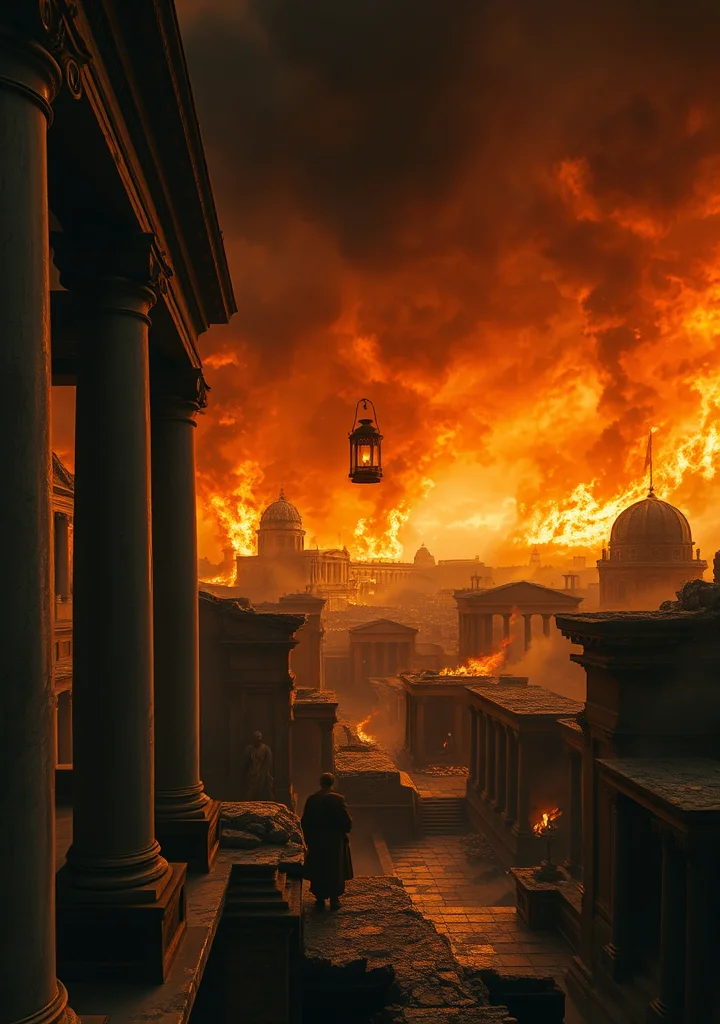
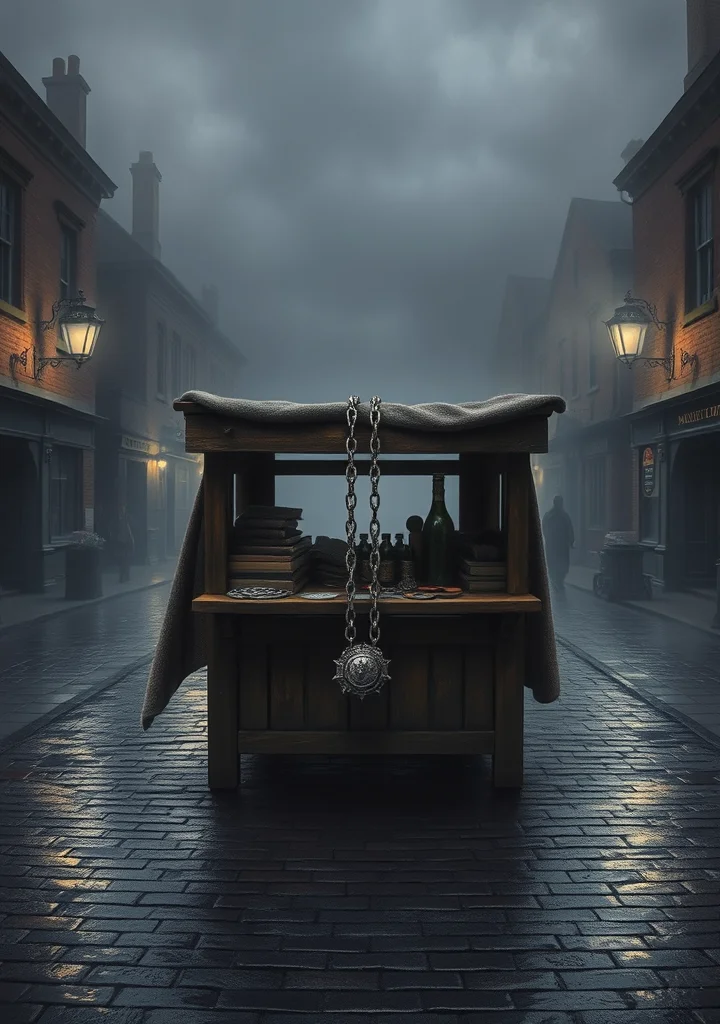
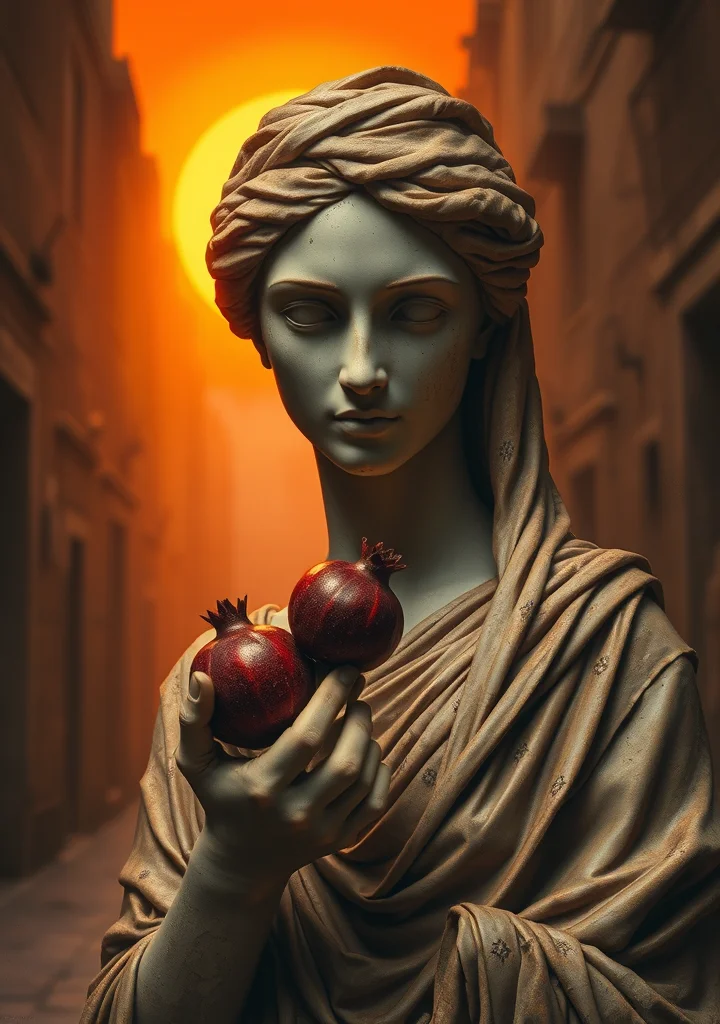
Dust hangs heavy in the air of Carthage, thick with the scent of brine and decay. Salammbô unfolds not as a story of triumph, but as a slow, exquisite unraveling. The heat bleeds the color from everything – the marble columns, the crimson banners, the faces of men consumed by a thirst for rebellion. This is a world steeped in ritual, where prophecy whispers through the market stalls and the shadows cling to the labyrinthine alleys. The narrative isn't driven by plot, but by a creeping dread, a sense of inevitable doom clinging to Matho’s mercenary heart. The city breathes with a suffocating grandeur, its beauty a gilded cage for a violence simmering just beneath the surface. Each victory feels like another nail hammered into a coffin, each feast stained with the premonition of ash. Salammbô herself is not a queen, but an omen—a pale flame flickering against a rising tide of barbarism. The desert presses in, a silent, predatory beast that mirrors the corruption gnawing at Carthage’s core. The prose itself is a slow burn, mimicking the desert sun, until the narrative collapses into a fever dream of blood and sand, leaving only the echoing cries of a doomed empire and the haunting specter of a love that promises only oblivion.


Copyright: Public Domain
This license allows anyone to use your story for any purpose, including printing, selling, or adapting it into a film freely.
Recommended for you
38 Part
A shadowed inheritance. The scent of magnolia and decay clings to the Louisiana plantation where Iola Leroy, a woman passing for white, is drawn into a web of concealed histories and simmering resentments. She moves as a phantom through drawing rooms lit with candelabra fire, her own past a carefully constructed illusion. The air thickens with the whispers of those she has left behind—the mother she can barely recall, the stolen childhood, the weight of a lineage fractured by the auction block. But the house itself breathes with a history far older than its owners, a history woven into the very timbers and draped in the Spanish moss that suffocates the grounds. Every chipped porcelain doll, every tarnished silver frame, seems to watch her with vacant, accusing eyes. Iola’s every kindness is met with a chilling politeness that hides a predatory hunger. The narrative unravels like a tapestry frayed by moths—fragments of letters, snatched conversations overheard in darkened hallways, the slow, deliberate reveal of a secret that threatens to consume Iola’s fragile composure. A sense of creeping dread permeates the narrative, born not from overt violence, but from the stifling weight of expectation, the suffocating silence of complicity, and the ever-present fear of exposure. The garden blooms with poisonous beauty, mirroring the delicate lies upon which Iola’s existence is built. The novel is a slow descent into a haunted landscape of the heart, where the boundaries between self and shadow blur, and the price of freedom is measured in stolen breaths and half-truths.
38 Part
A creeping dread clings to the shores of a dying world. The sun bleeds crimson into a sea choked with silence, where the last echoes of humanity drift amongst the ruins of a forgotten paradise. This is not a tale of monstrous creation, but of monstrous *extinction*. A plague, born not of fever or rot, but of a profound and suffocating ennui, has withered the passions of men and women, leaving them listless, hollowed by a grief they cannot name. The narrative unfolds through journals discovered within a desolate, abandoned fortress – fragmented accounts of a scholar, Lionel, who watches the last vestiges of civilization crumble into dust. His observations are steeped in a melancholic beauty, documenting the slow, insidious unraveling of desire, ambition, even the will to *remember*. The air is thick with the scent of decay, not just of bodies, but of ideals. Every stone whispers of loss, every shadow holds the weight of a forgotten generation. Lionel’s desperate attempts to preserve memory – to catalogue the last songs, the last stories, the last faces – are rendered all the more agonizing by the realization that even *he* is fading, becoming a ghost amongst ghosts. The sea, a constant, mournful presence, mirrors the encroaching nothingness. It is a world adrift, haunted by the ghosts of its own futility, where the final act is not a dramatic struggle, but a quiet surrender to the encroaching darkness, a slow, deliberate letting go of everything that once made life worth living. The final man is not a hero, but a witness, documenting the last, shuddering breaths of a species consumed by its own emptiness.
22 Part
Dust motes dance in perpetual twilight within the shadowed halls of Misselton House, a boarding school steeped in the chill of London fog and the whispers of forgotten childhoods. Young Sara Crewe arrives, gilded in privilege, yet swiftly descends into a labyrinth of grey routine and stifled grief. Her father’s disappearance casts a pall over her days, mirroring the encroaching damp that clings to the stone walls and seeps into the very marrow of her bones. The narrative isn’t one of grand horrors, but of a slow, creeping despair, a brittle beauty blooming within a landscape of neglect. The grandeur of Sara’s past becomes a phantom limb, haunting her every waking moment. Each stolen moment of imagination, each ragged scrap of kindness offered in the attic, is lit by a flickering candle against the encroaching darkness. The air thickens with the scent of coal smoke and the stifled cries of lonely children, their stories swallowed by the vast, indifferent house. It’s a story not of monsters under the bed, but of the monstrous indifference of the world, and the fragile, tenacious flame of hope flickering against the wind. The very silence of the house feels alive with unspoken sorrows, and the gardens, glimpsed through frost-rimed windows, feel less like escape than extensions of a creeping, melancholic embrace. Even the smallest acts of cruelty feel like shards of glass in a winter wind, leaving Sara bleeding not with wounds, but with a chilling awareness of her own vulnerability. The world narrows to the dimensions of a forgotten room, and the narrative breathes with the same slow, suffocating rhythm as a heart breaking in the shadows.