
-
Read 982
-
0
-
Part 56
Completed, First published Mar 02, 2026
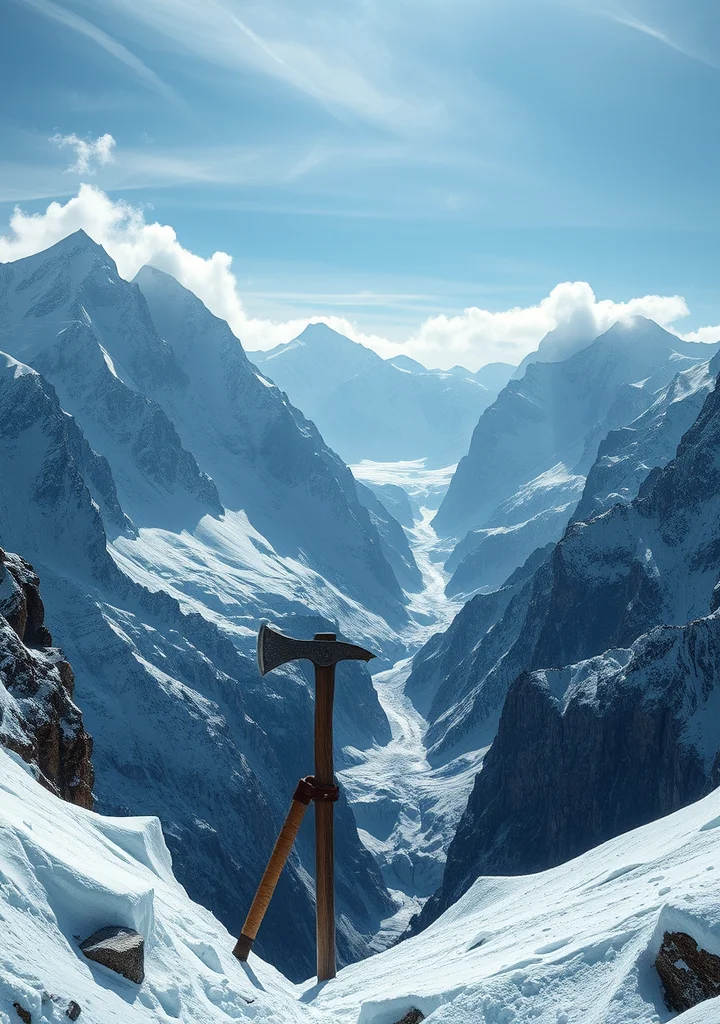
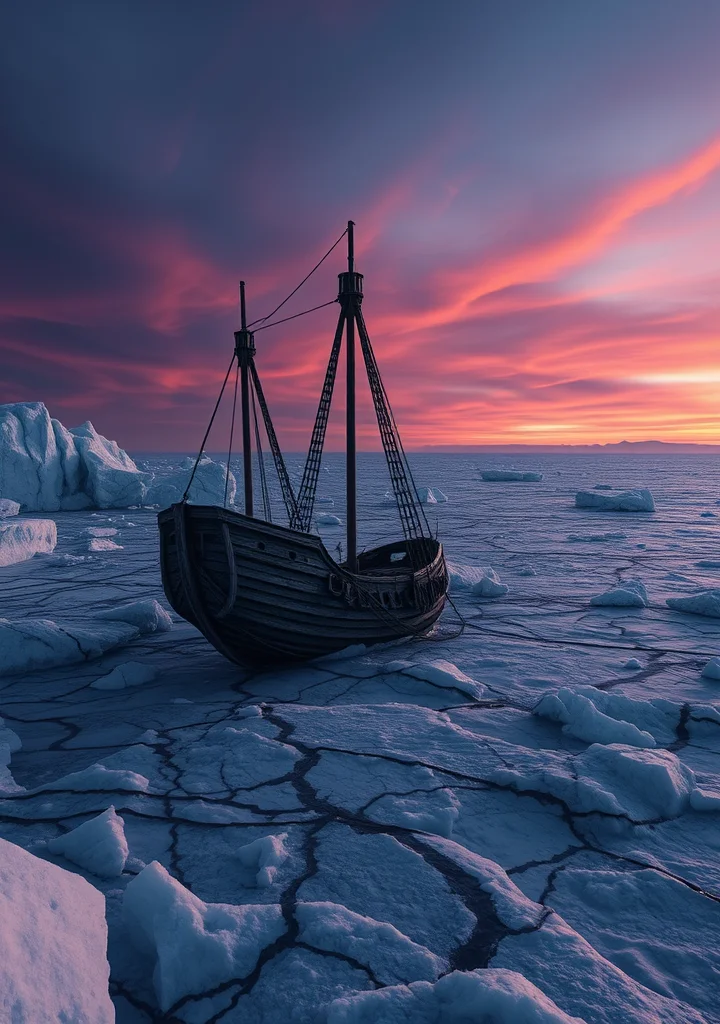
The Antarctic bleeds into the soul. A white, echoing silence where the horizon is not a boundary, but a closing vise. This is not a tale of heroism, but of attrition—a slow, exquisite unraveling of men against a landscape that doesn’t care for their ambitions. The narrative chills not with frostbite, but with the creeping dread of being utterly, irrevocably *small*. Each mile carved from the ice is a fracture in sanity, mirroring the splintering of the ship's timbers and the fracturing of hope within men’s chests.
The darkness isn’t merely polar night; it’s a suffocating weight pressing down on the lungs, a tangible thing that clings to the fur and seeps into dreams. The descriptions are not of survival, but of exquisite, agonizing failure. Every crack in the ice sings with the promise of oblivion. The journey itself is a descent into a frozen mausoleum, where the boundaries between the living and the dead blur with each blizzard. It is a testament to endurance, yes, but a terrible, beautiful endurance born not of strength, but of the quiet desperation of men staring into the abyss—and finding the abyss staring back. The scent of failure hangs in the air as tangibly as the salt spray, a spectral frost that lingers long after the thaw.
Copyright: Public Domain
This license allows anyone to use your story for any purpose, including printing, selling, or adapting it into a film freely.
This license allows anyone to use your story for any purpose, including printing, selling, or adapting it into a film freely.
Chapter List
-
« The Worst Journey in the World »📖 Continue Reading
-
« Chapter_3 »
-
« Preface »
-
« Introduction »
-
« The Worst Journey in the World »
-
« Chapter_7 »
-
« II »
-
« Chapter_9 »
-
« Chapter_10 »
-
« The Return of the Pony Party from One Ton Depot »
-
« Chapter_14 »
-
« Appendix »
-
« Appendix »
-
« VIII »
-
« Chapter_18 »
-
« I »
-
« I »
-
« II »
-
« II »
-
« III »
-
« III »
-
« Chapter_25 »
-
« Chapter_26 »
-
« IV »
-
« IV »
-
« Chapter_29 »
-
« Chapter_30 »
-
« Chapter_31 »
-
« Chapter_32 »
-
« Chapter_33 »
-
« Note »
-
« Chapter_35 »
-
« Chapter_36 »
-
« Note »
-
« Chapter_38 »
-
« Chapter_39 »
-
« Chapter_40 »
-
« Chapter_41 »
-
« V »
-
« V »
-
« Chapter_44 »
-
« Chapter_45 »
-
« Chapter_46 »
-
« Chapter_47 »
-
« Chapter_48 »
-
« Chapter_49 »
-
« Chapter_50 »
-
« VI »
-
« VI »
-
« Chapter_53 »
-
« Chapter_54 »
-
« Chapter_55 »
-
« Chapter_56 »
-
« Chapter_57 »
-
« Chapter_58 »
-
« Glossary »
56
-
« The Worst Journey in the World »
-
« Chapter_3 »
-
« Preface »
-
« Introduction »
-
« The Worst Journey in the World »
-
« Chapter_7 »
-
« II »
-
« Chapter_9 »
-
« Chapter_10 »
-
« The Return of the Pony Party from One Ton Depot »
-
« Chapter_14 »
-
« Appendix »
-
« Appendix »
-
« VIII »
-
« Chapter_18 »
-
« I »
-
« I »
-
« II »
-
« II »
-
« III »
-
« III »
-
« Chapter_25 »
-
« Chapter_26 »
-
« IV »
-
« IV »
-
« Chapter_29 »
-
« Chapter_30 »
-
« Chapter_31 »
-
« Chapter_32 »
-
« Chapter_33 »
-
« Note »
-
« Chapter_35 »
-
« Chapter_36 »
-
« Note »
-
« Chapter_38 »
-
« Chapter_39 »
-
« Chapter_40 »
-
« Chapter_41 »
-
« V »
-
« V »
-
« Chapter_44 »
-
« Chapter_45 »
-
« Chapter_46 »
-
« Chapter_47 »
-
« Chapter_48 »
-
« Chapter_49 »
-
« Chapter_50 »
-
« VI »
-
« VI »
-
« Chapter_53 »
-
« Chapter_54 »
-
« Chapter_55 »
-
« Chapter_56 »
-
« Chapter_57 »
-
« Chapter_58 »
-
« Glossary »
More like this