
-
Read 1.5K
-
0
-
Part 119
Completed, First published Mar 02, 2026
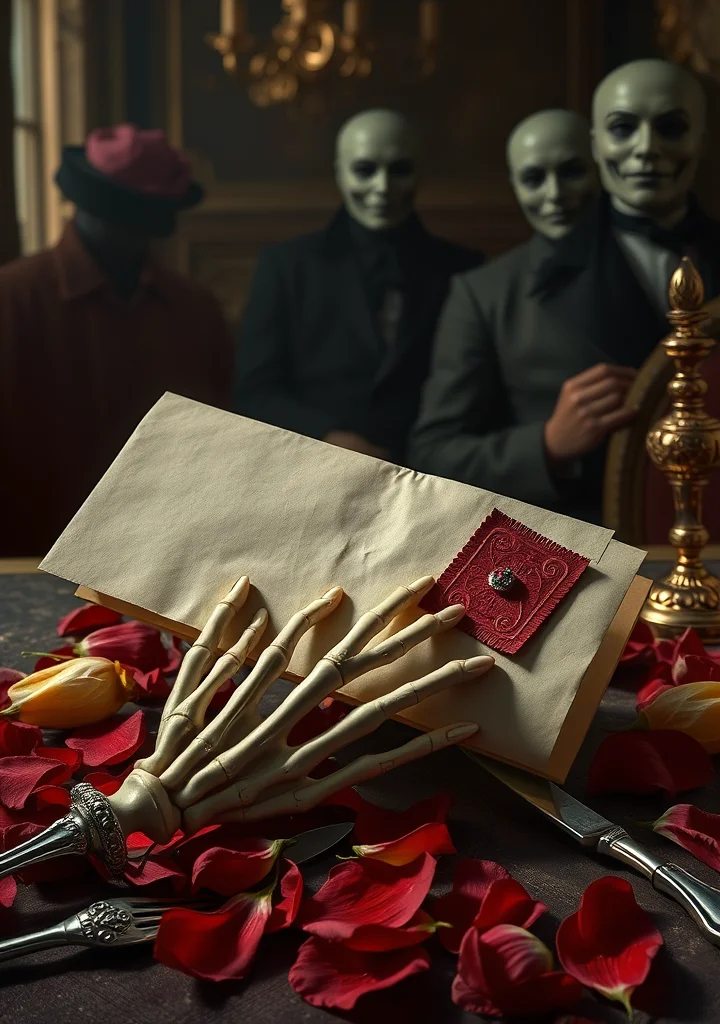
A creeping fog clings to the cobblestones of Revolutionary France, mirroring the suffocating dread that grips the aristocracy. Though the guillotine’s shadow looms, a defiant flame flickers in the heart of Sir Percy Casson – a man society dismisses as a foppish dandy, yet who orchestrates audacious rescues of condemned nobles with a breathtaking audacity. Each vanished name, each phantom reprieve, is signed with the scarlet pimpernel, a taunting symbol of royalist resistance. But the air thickens with suspicion, and a relentless, obsessive pursuit by the shrewd agent Chauvelin threatens to unravel Percy’s carefully constructed facade. The narrative breathes with stolen glances across masked balls, whispered plots in shadowed parlors, and the chilling precision of escape routes carved through darkness. A brittle elegance masks the desperation beneath, the constant risk of exposure clinging like a shroud. The scent of roses and gunpowder mingle in a world where loyalty is a gilded cage and every heartbeat echoes with the threat of betrayal. It’s a breathless dance between brilliance and ruin, played out against a backdrop of simmering violence and the intoxicating allure of danger, where the line between hero and gambler blurs with each daring act.
Copyright: Public Domain
This license allows anyone to use your story for any purpose, including printing, selling, or adapting it into a film freely.
This license allows anyone to use your story for any purpose, including printing, selling, or adapting it into a film freely.
Chapter List
-
« The Triumph of the Scarlet Pimpernel »📖 Continue Reading
-
« I »
-
« I »
-
« II »
-
« II »
-
« I »
-
« II »
-
« III »
-
« III »
-
« I »
-
« II »
-
« III »
-
« IV »
-
« IV »
-
« I »
-
« II »
-
« V »
-
« I »
-
« II »
-
« III »
-
« IV »
-
« VI »
-
« I »
-
« II »
-
« VII »
-
« I »
-
« II »
-
« VIII »
-
« I »
-
« II »
-
« III »
-
« IX »
-
« I »
-
« II »
-
« III »
-
« X »
-
« I »
-
« II »
-
« XI »
-
« I »
-
« II »
-
« XII »
-
« XIII »
-
« I »
-
« II »
-
« III »
-
« IV »
-
« XIV »
-
« I »
-
« II »
-
« XV »
-
« I »
-
« II »
-
« III »
-
« XVI »
-
« XVII »
-
« I »
-
« II »
-
« XVIII »
-
« I »
-
« II »
-
« III »
-
« XIX »
-
« I »
-
« II »
-
« III »
-
« IV »
-
« XX »
-
« I »
-
« II »
-
« III »
-
« XXI »
-
« I »
-
« II »
-
« III »
-
« XXII »
-
« I »
-
« II »
-
« XXIII »
-
« I »
-
« II »
-
« III »
-
« XXIV »
-
« I »
-
« II »
-
« III »
-
« IV »
-
« V »
-
« XXV »
-
« XXVI »
-
« XXVII »
-
« XXVIII »
-
« I »
-
« II »
-
« XXIX »
-
« I »
-
« II »
-
« XXX »
-
« I »
-
« II »
-
« III »
-
« XXXI »
-
« I »
-
« II »
-
« XXXII »
-
« I »
-
« II »
-
« XXXIII »
-
« I »
-
« II »
-
« III »
-
« XXXIV »
-
« I »
-
« II »
-
« III »
-
« IV »
-
« V »
-
« VI »
-
« VII »
119
-
« The Triumph of the Scarlet Pimpernel »
-
« I »
-
« I »
-
« II »
-
« II »
-
« I »
-
« II »
-
« III »
-
« III »
-
« I »
-
« II »
-
« III »
-
« IV »
-
« IV »
-
« I »
-
« II »
-
« V »
-
« I »
-
« II »
-
« III »
-
« IV »
-
« VI »
-
« I »
-
« II »
-
« VII »
-
« I »
-
« II »
-
« VIII »
-
« I »
-
« II »
-
« III »
-
« IX »
-
« I »
-
« II »
-
« III »
-
« X »
-
« I »
-
« II »
-
« XI »
-
« I »
-
« II »
-
« XII »
-
« XIII »
-
« I »
-
« II »
-
« III »
-
« IV »
-
« XIV »
-
« I »
-
« II »
-
« XV »
-
« I »
-
« II »
-
« III »
-
« XVI »
-
« XVII »
-
« I »
-
« II »
-
« XVIII »
-
« I »
-
« II »
-
« III »
-
« XIX »
-
« I »
-
« II »
-
« III »
-
« IV »
-
« XX »
-
« I »
-
« II »
-
« III »
-
« XXI »
-
« I »
-
« II »
-
« III »
-
« XXII »
-
« I »
-
« II »
-
« XXIII »
-
« I »
-
« II »
-
« III »
-
« XXIV »
-
« I »
-
« II »
-
« III »
-
« IV »
-
« V »
-
« XXV »
-
« XXVI »
-
« XXVII »
-
« XXVIII »
-
« I »
-
« II »
-
« XXIX »
-
« I »
-
« II »
-
« XXX »
-
« I »
-
« II »
-
« III »
-
« XXXI »
-
« I »
-
« II »
-
« XXXII »
-
« I »
-
« II »
-
« XXXIII »
-
« I »
-
« II »
-
« III »
-
« XXXIV »
-
« I »
-
« II »
-
« III »
-
« IV »
-
« V »
-
« VI »
-
« VII »
More like this