
-
Read 1K
-
0
-
Part 63
Completed, First published Mar 02, 2026
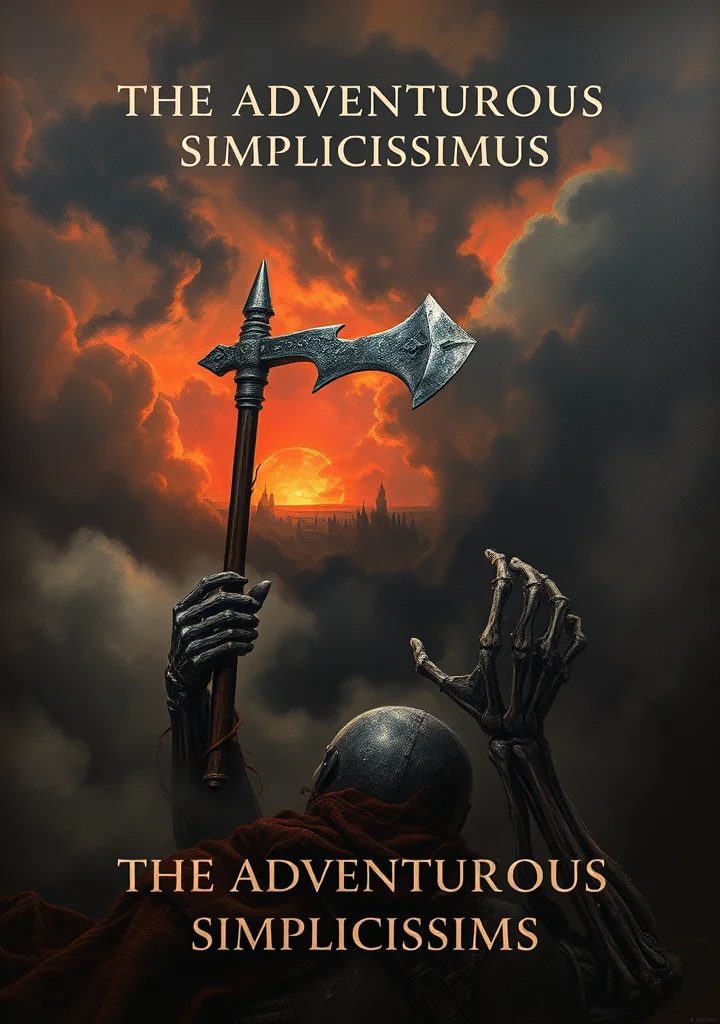
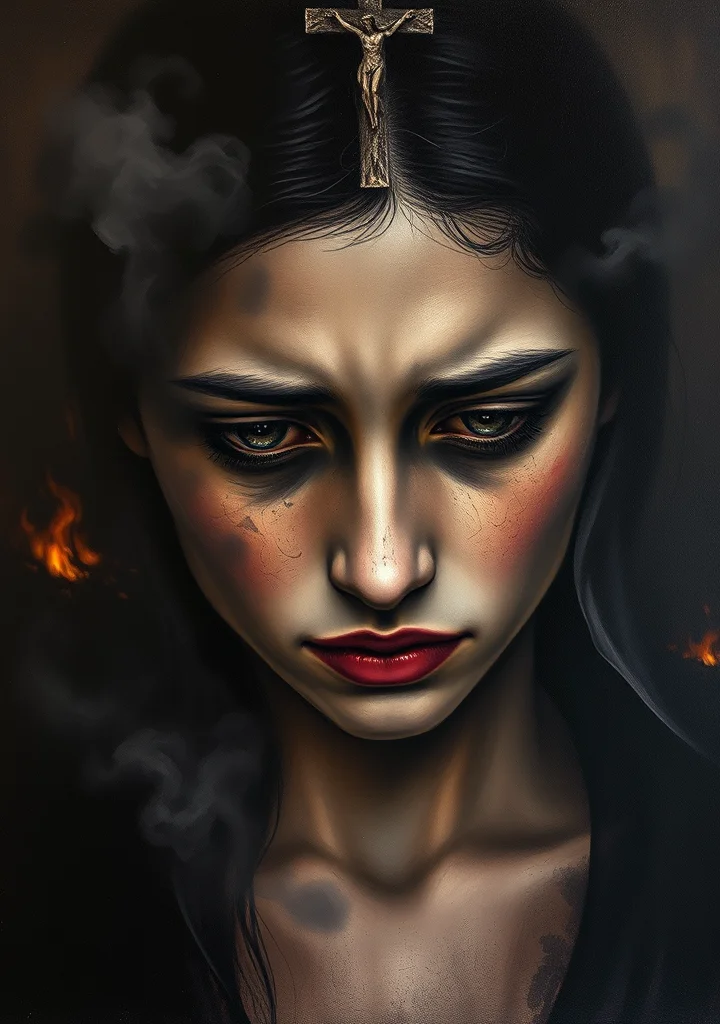
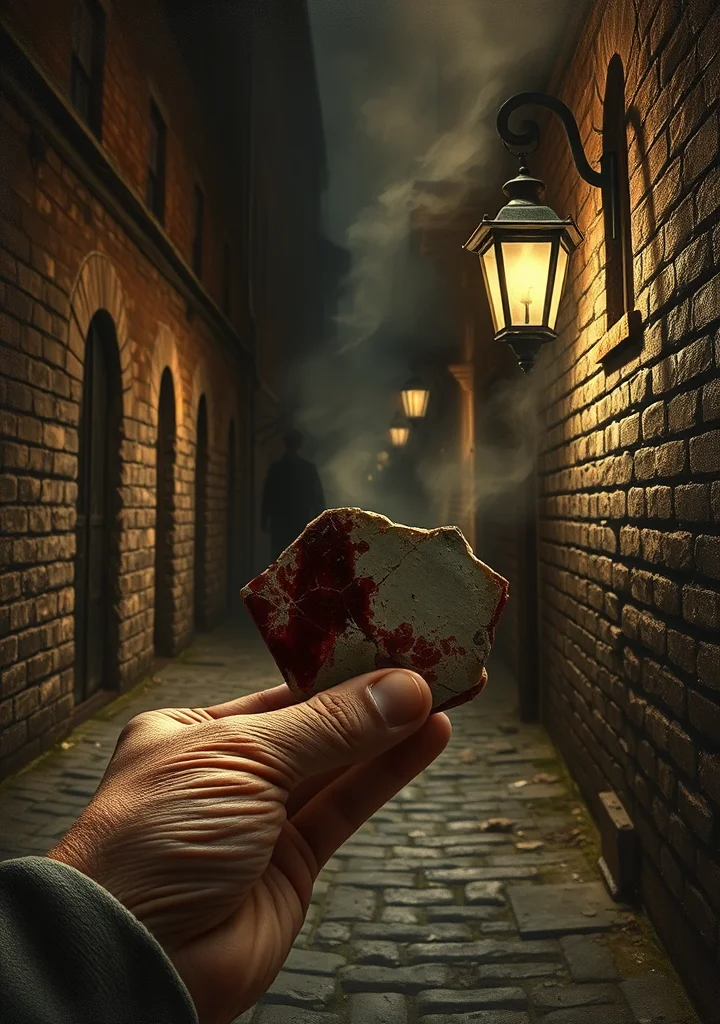
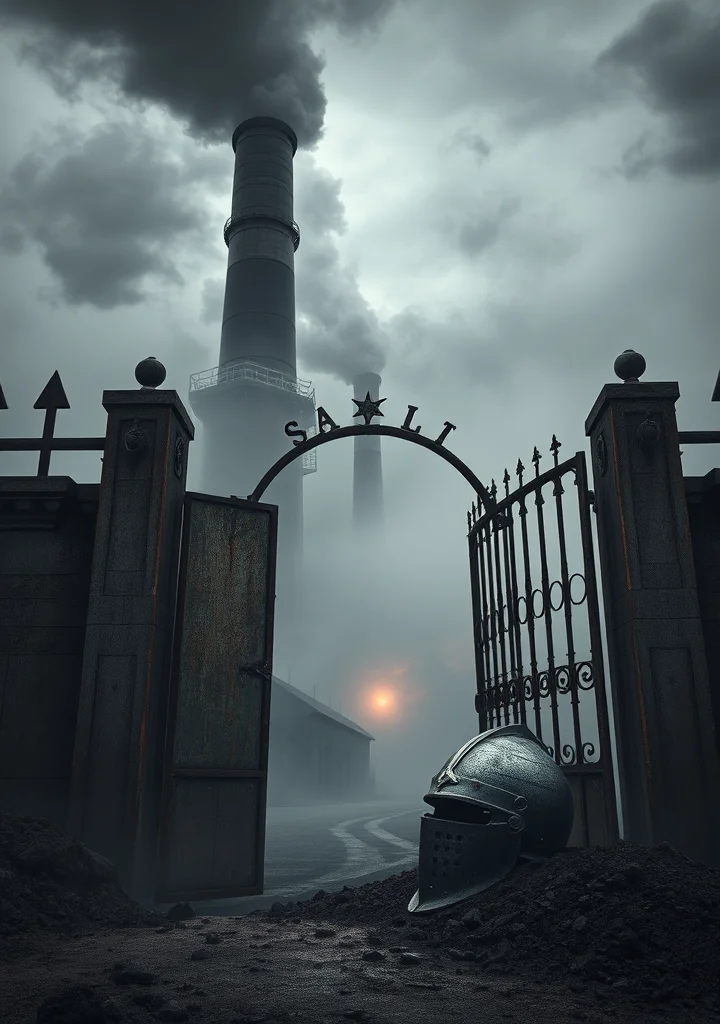
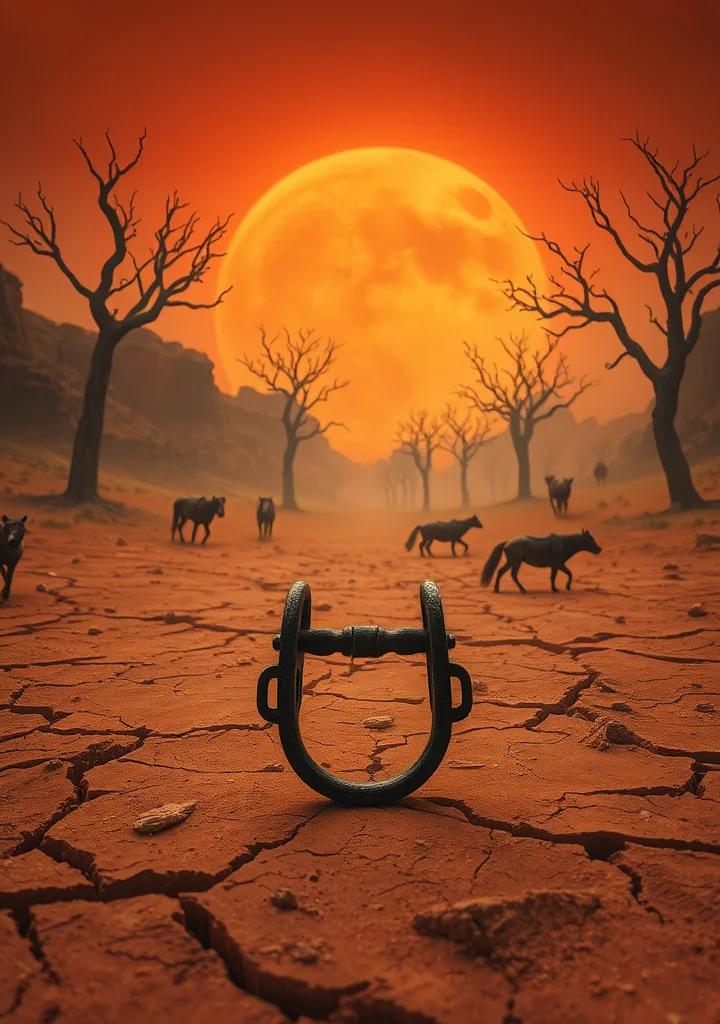
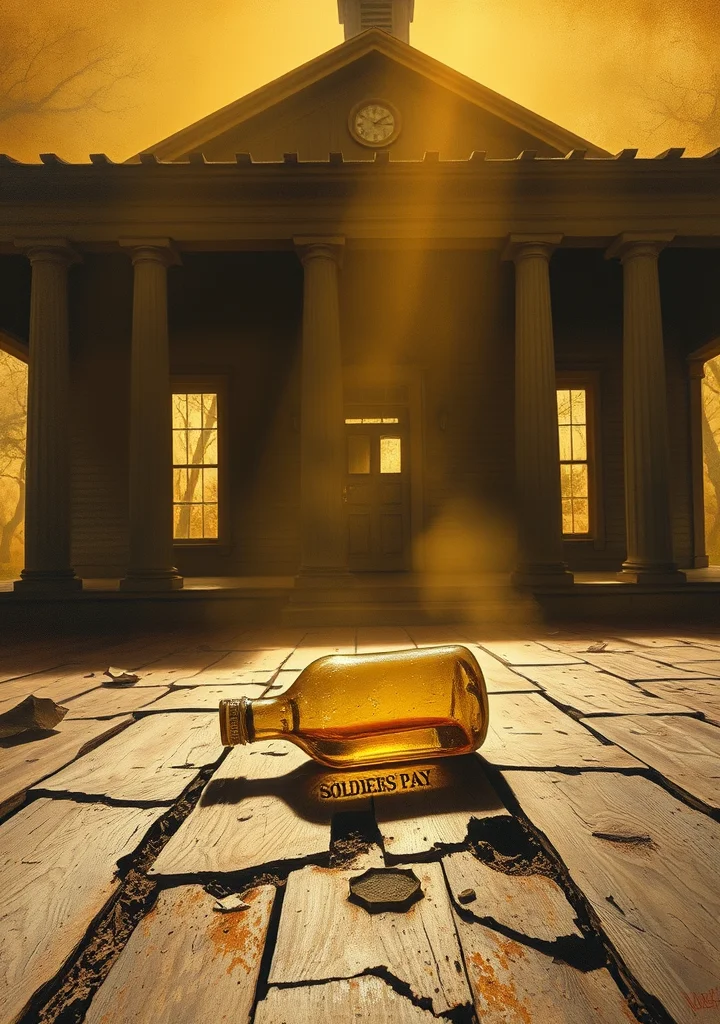
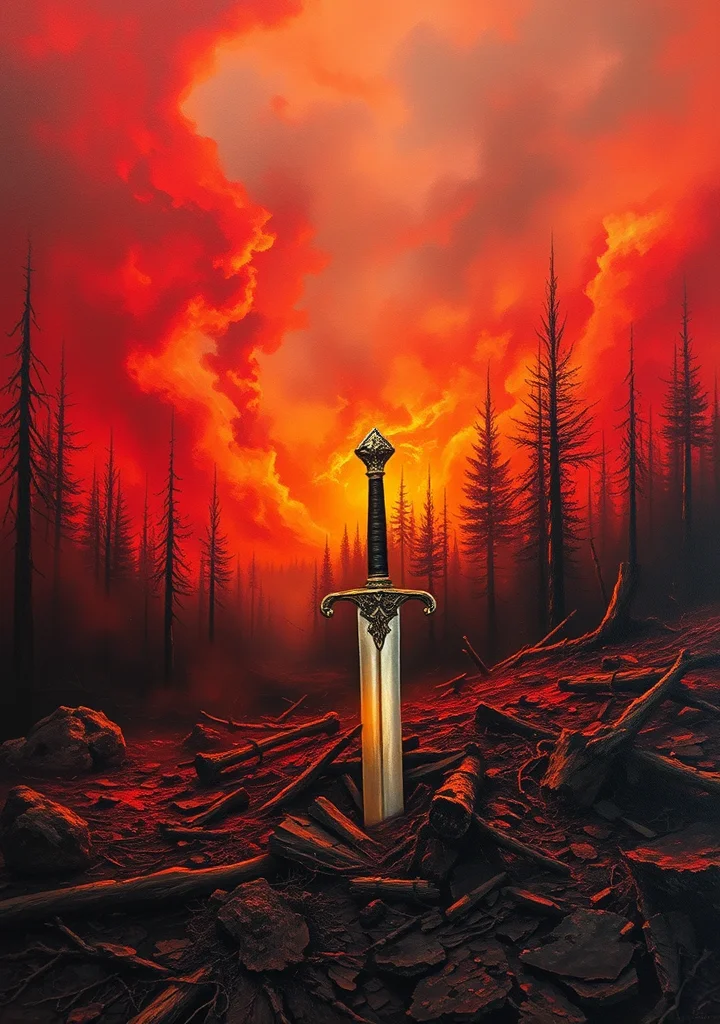
A haze of smoke and crimson clings to the Polish landscape, mirroring the blood that stains the earth beneath the hooves of charging cavalry. The air itself tastes of ash and defiance. Here, amidst the sprawling, shadowed forests and crumbling manor houses, a brutal beauty festers. It is a world where loyalty is measured in spilled ichor, and honour is a flickering candle in a storm of Cossack raids. Every dawn reveals a fresh layer of sorrow etched into the faces of those who survive, haunted by the ghosts of burning villages and the whispers of lost loves. The narrative coils like a serpent through the ravaged countryside, a tapestry woven from the steel of sabres, the stench of gunpowder, and the desperate prayers of women left to fend for themselves against a rising tide of barbarity. It is not merely a recounting of conflict, but a descent into the heart of a darkness where the line between saviour and butcher blurs with each swing of the axe. A suffocating weight of vengeance hangs over every page, and the scent of pine needles and damp earth cannot quite mask the pervasive aroma of decay. The echoes of screams linger long after the fires have died down, and the very stones seem to weep for a lost age of glory. It is a land where the sword is not just wielded, but *breathed* – where the flames of ambition consume all that is left of grace.
Copyright: Public Domain
This license allows anyone to use your story for any purpose, including printing, selling, or adapting it into a film freely.
This license allows anyone to use your story for any purpose, including printing, selling, or adapting it into a film freely.
Chapter List
-
« I »📖 Continue Reading
-
« II »
-
« III »
-
« IV »
-
« V »
-
« VI »
-
« VII »
-
« VIII »
-
« IX »
-
« X »
-
« XI »
-
« XII »
-
« XIII »
-
« XIV »
-
« XV »
-
« XVI »
-
« XVII »
-
« XVIII »
-
« XIX »
-
« XX »
-
« XXI »
-
« XXII »
-
« XXIII »
-
« XXIV »
-
« XXV »
-
« XXVI »
-
« XXVII »
-
« XXVIII »
-
« XXIX »
-
« XXX »
-
« XXXI »
-
« XXXII »
-
« XXXIII »
-
« XXXIV »
-
« XXXV »
-
« XXXVI »
-
« XXXVII »
-
« XXXVIII »
-
« XXXIX »
-
« XL »
-
« XLI »
-
« XLII »
-
« XLIII »
-
« XLIV »
-
« XLV »
-
« XLVI »
-
« XLVII »
-
« XLVIII »
-
« XLIX »
-
« L »
-
« LI »
-
« LII »
-
« LIII »
-
« LIV »
-
« LV »
-
« LVI »
-
« LVII »
-
« LVIII »
-
« LIX »
-
« LX »
-
« LXI »
-
« LXII »
-
« LXIII »
63
-
« I »
-
« II »
-
« III »
-
« IV »
-
« V »
-
« VI »
-
« VII »
-
« VIII »
-
« IX »
-
« X »
-
« XI »
-
« XII »
-
« XIII »
-
« XIV »
-
« XV »
-
« XVI »
-
« XVII »
-
« XVIII »
-
« XIX »
-
« XX »
-
« XXI »
-
« XXII »
-
« XXIII »
-
« XXIV »
-
« XXV »
-
« XXVI »
-
« XXVII »
-
« XXVIII »
-
« XXIX »
-
« XXX »
-
« XXXI »
-
« XXXII »
-
« XXXIII »
-
« XXXIV »
-
« XXXV »
-
« XXXVI »
-
« XXXVII »
-
« XXXVIII »
-
« XXXIX »
-
« XL »
-
« XLI »
-
« XLII »
-
« XLIII »
-
« XLIV »
-
« XLV »
-
« XLVI »
-
« XLVII »
-
« XLVIII »
-
« XLIX »
-
« L »
-
« LI »
-
« LII »
-
« LIII »
-
« LIV »
-
« LV »
-
« LVI »
-
« LVII »
-
« LVIII »
-
« LIX »
-
« LX »
-
« LXI »
-
« LXII »
-
« LXIII »
More like this