
-
Read 1K
-
0
-
Part 63
Completed, First published Mar 02, 2026
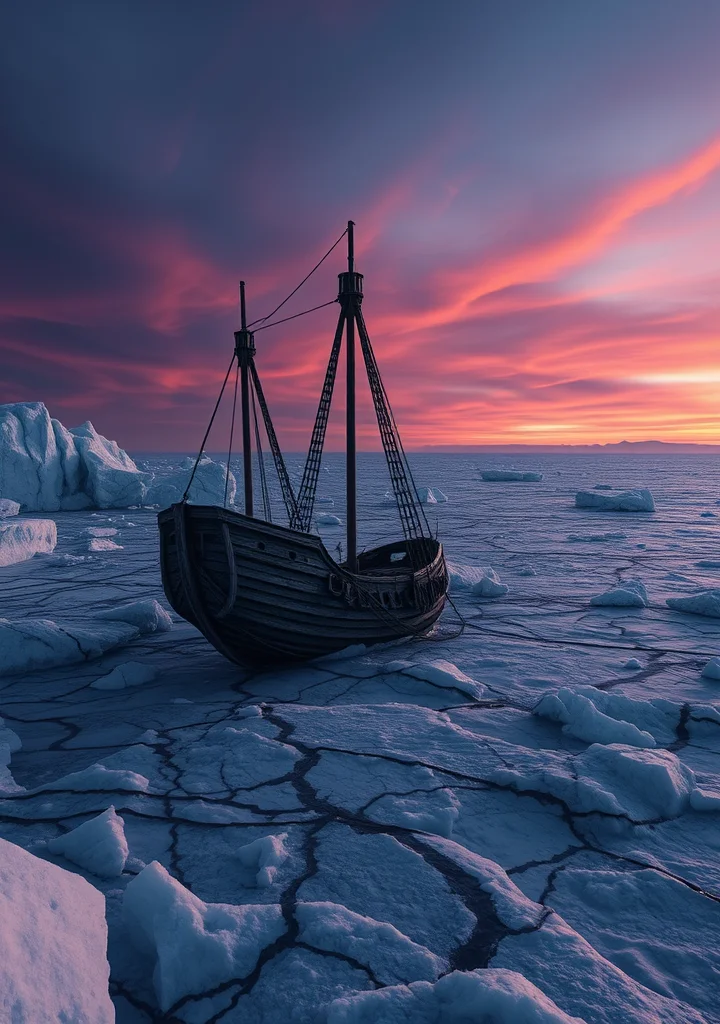
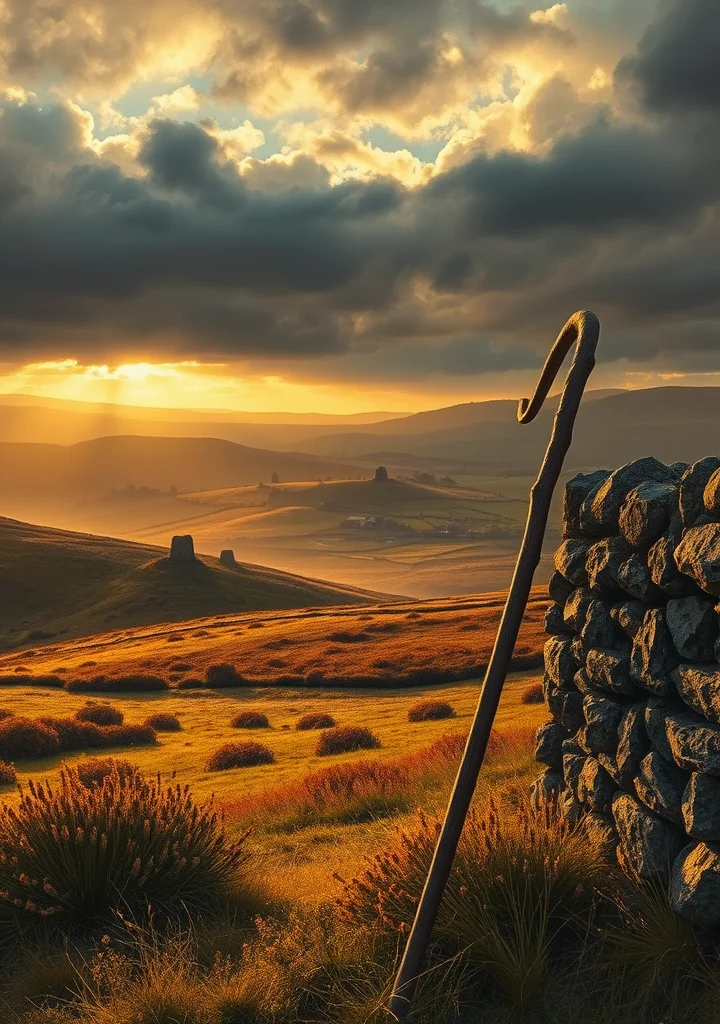
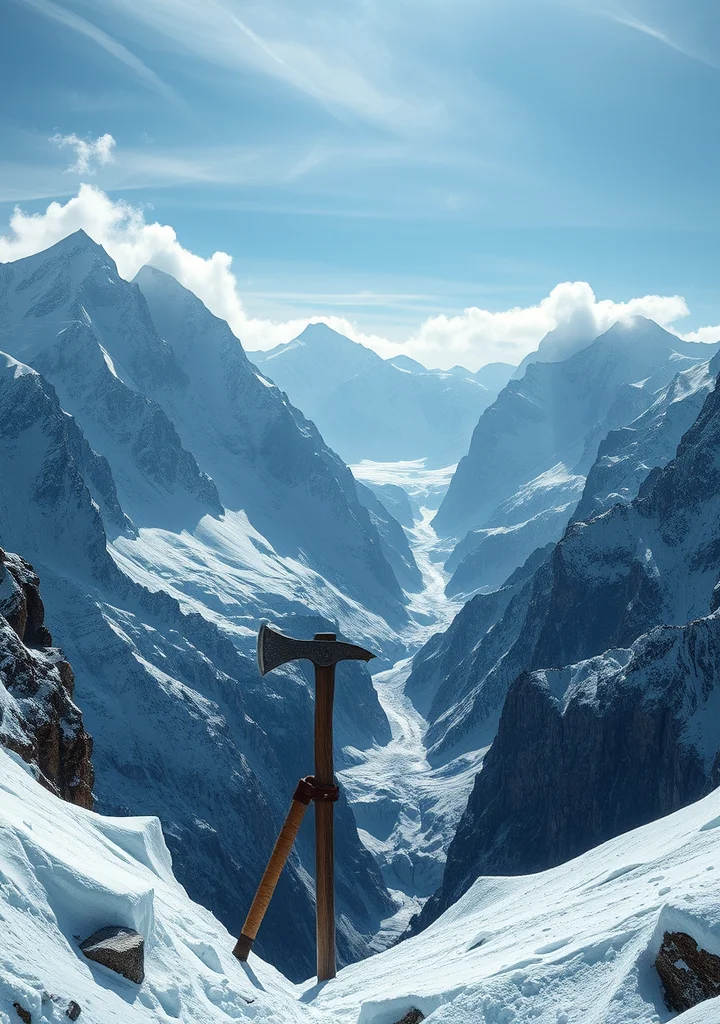
The air hangs thin and brittle, scented with pine and the ghosts of shattered ice. This is not a chronicle of conquest, but of obsession—a descent into the white, unforgiving heart of the Alps as witnessed by a man consumed by their granite teeth. Each ascent detailed is less a triumph of skill than a surrender to the mountain’s cold will, shadowed by the creeping dread of those who vanished into its crevasses.
Whymper doesn’t offer heroism, but a meticulous catalog of failures: the snap of a rope, the sickening crunch of a fall, the hollow echo of bodies claimed by the void. The narrative is laced with a peculiar detachment, a clinical observation of men fracturing against stone, their cries swallowed by the glacial winds.
A sense of premonition permeates every page, a slow burn of inevitability as the author details the escalating stakes—not just of survival, but of a creeping madness born of altitude and solitude. The Alps become a character in their own right, a silent, glacial judge meting out fate with glacial indifference. It's a testament to the beauty of oblivion, the allure of a final, crystalline fall into a landscape indifferent to the cries of men. The book isn’t merely *about* climbing; it *is* the chill of the wind on a frostbitten face, the echoing emptiness of a broken line, and the slow, creeping realization that some peaks demand a sacrifice.
Copyright: Public Domain
This license allows anyone to use your story for any purpose, including printing, selling, or adapting it into a film freely.
This license allows anyone to use your story for any purpose, including printing, selling, or adapting it into a film freely.
Chapter List
-
« Scrambles Amongst the Alps in the Years 1860-69 »📖 Continue Reading
-
« Preface »
-
« Notes to the Preface of the Fifth Edition »
-
« Chapter_5 »
-
« Chapter_6 »
-
« Chapter_7 »
-
« Chapter_8 »
-
« Chapter_9 »
-
« Chapter_10 »
-
« Chapter_11 »
-
« Scrambles Amongst the Alps in the Years 1860–69 »
-
« I »
-
« Chapter_14 »
-
« III »
-
« Chapter_16 »
-
« Chapter_17 »
-
« Chapter_18 »
-
« Chapter_19 »
-
« Chapter_20 »
-
« Chapter_21 »
-
« Chapter_22 »
-
« Chapter_23 »
-
« Chapter_24 »
-
« Chapter_25 »
-
« Chapter_26 »
-
« Chapter_27 »
-
« Chapter_28 »
-
« Chapter_29 »
-
« Chapter_30 »
-
« Chapter_31 »
-
« Chapter_32 »
-
« Chapter_33 »
-
« Chapter_34 »
-
« Chapter_35 »
-
« Chapter_36 »
-
« Chapter_37 »
-
« Chapter_38 »
-
« Chapter_39 »
-
« Chapter_40 »
-
« Chapter_41 »
-
« Chapter_42 »
-
« Chapter_43 »
-
« Chapter_44 »
-
« Chapter_45 »
-
« Chapter_46 »
-
« Chapter_47 »
-
« Chapter_48 »
-
« Chapter_49 »
-
« XXII »
-
« A »
-
« B »
-
« C »
-
« Chapter_54 »
-
« Chapter_55 »
-
« Chapter_56 »
-
« D »
-
« E »
-
« F »
-
« Chapter_60 »
-
« Chapter_61 »
-
« G »
-
« H »
-
« Maps »
63
-
« Scrambles Amongst the Alps in the Years 1860-69 »
-
« Preface »
-
« Notes to the Preface of the Fifth Edition »
-
« Chapter_5 »
-
« Chapter_6 »
-
« Chapter_7 »
-
« Chapter_8 »
-
« Chapter_9 »
-
« Chapter_10 »
-
« Chapter_11 »
-
« Scrambles Amongst the Alps in the Years 1860–69 »
-
« I »
-
« Chapter_14 »
-
« III »
-
« Chapter_16 »
-
« Chapter_17 »
-
« Chapter_18 »
-
« Chapter_19 »
-
« Chapter_20 »
-
« Chapter_21 »
-
« Chapter_22 »
-
« Chapter_23 »
-
« Chapter_24 »
-
« Chapter_25 »
-
« Chapter_26 »
-
« Chapter_27 »
-
« Chapter_28 »
-
« Chapter_29 »
-
« Chapter_30 »
-
« Chapter_31 »
-
« Chapter_32 »
-
« Chapter_33 »
-
« Chapter_34 »
-
« Chapter_35 »
-
« Chapter_36 »
-
« Chapter_37 »
-
« Chapter_38 »
-
« Chapter_39 »
-
« Chapter_40 »
-
« Chapter_41 »
-
« Chapter_42 »
-
« Chapter_43 »
-
« Chapter_44 »
-
« Chapter_45 »
-
« Chapter_46 »
-
« Chapter_47 »
-
« Chapter_48 »
-
« Chapter_49 »
-
« XXII »
-
« A »
-
« B »
-
« C »
-
« Chapter_54 »
-
« Chapter_55 »
-
« Chapter_56 »
-
« D »
-
« E »
-
« F »
-
« Chapter_60 »
-
« Chapter_61 »
-
« G »
-
« H »
-
« Maps »
More like this