
-
Read 1K
-
0
-
Part 78
Completed, First published Mar 02, 2026
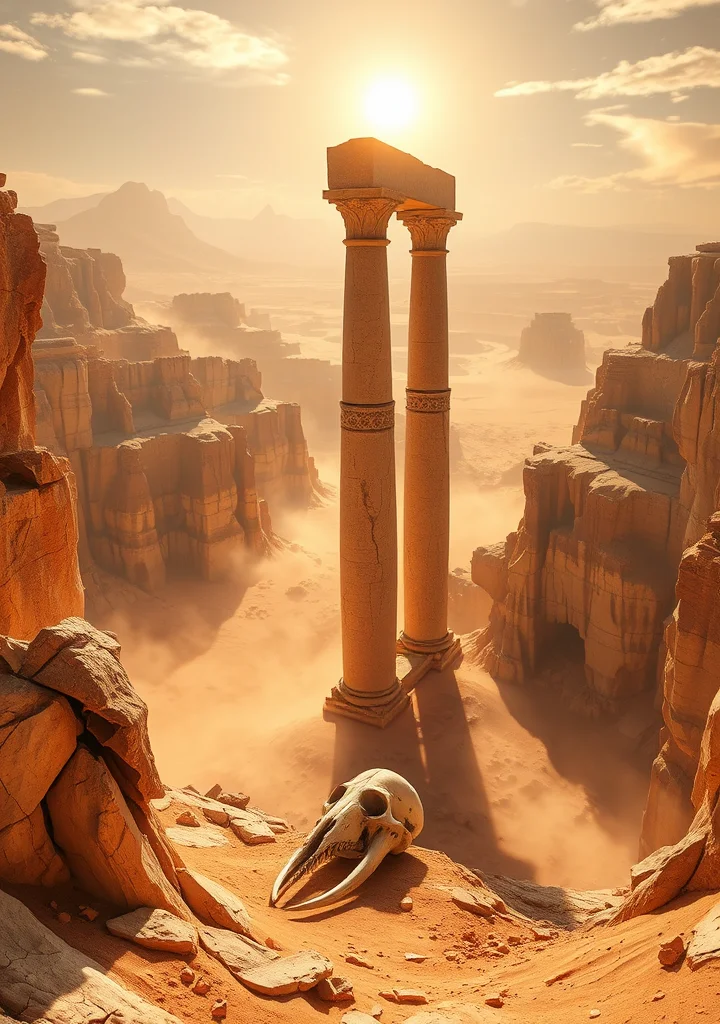
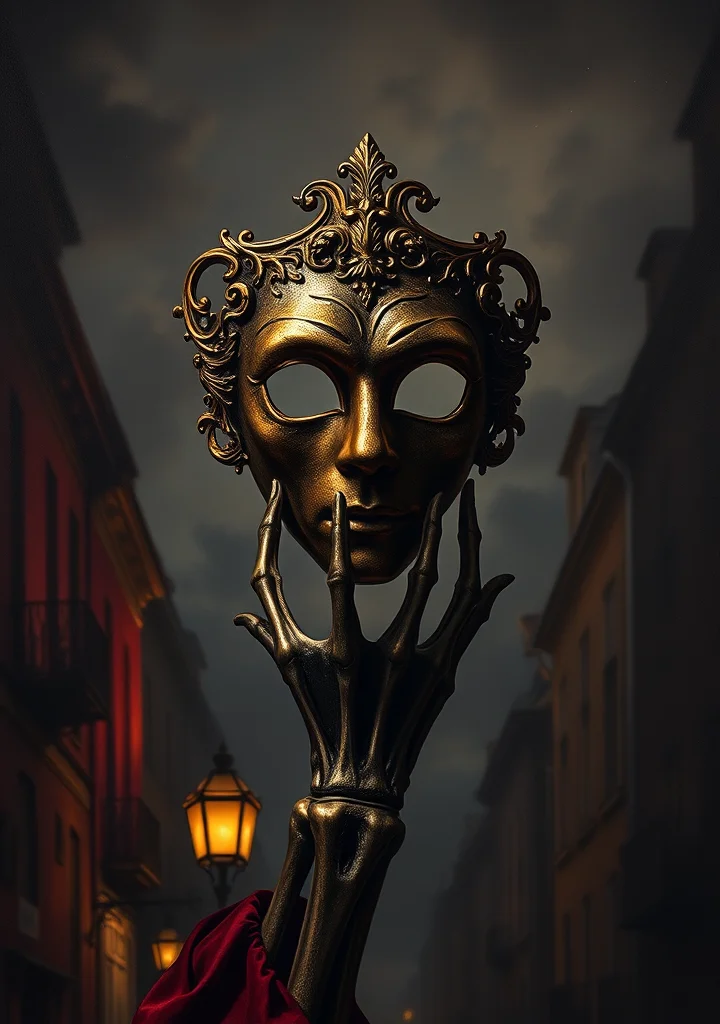
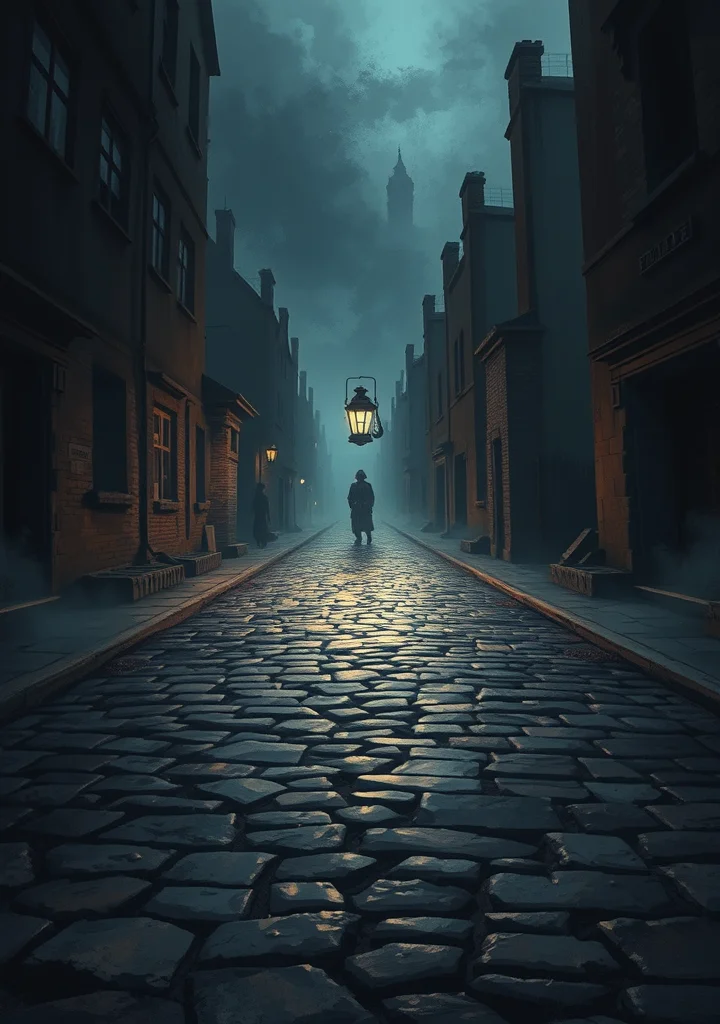
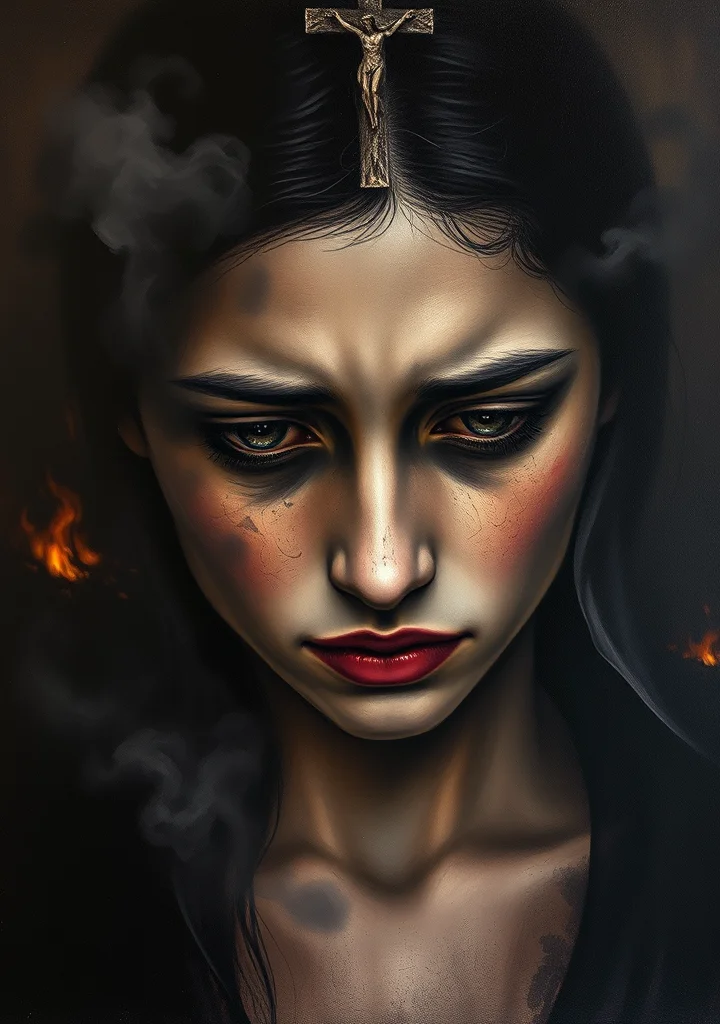
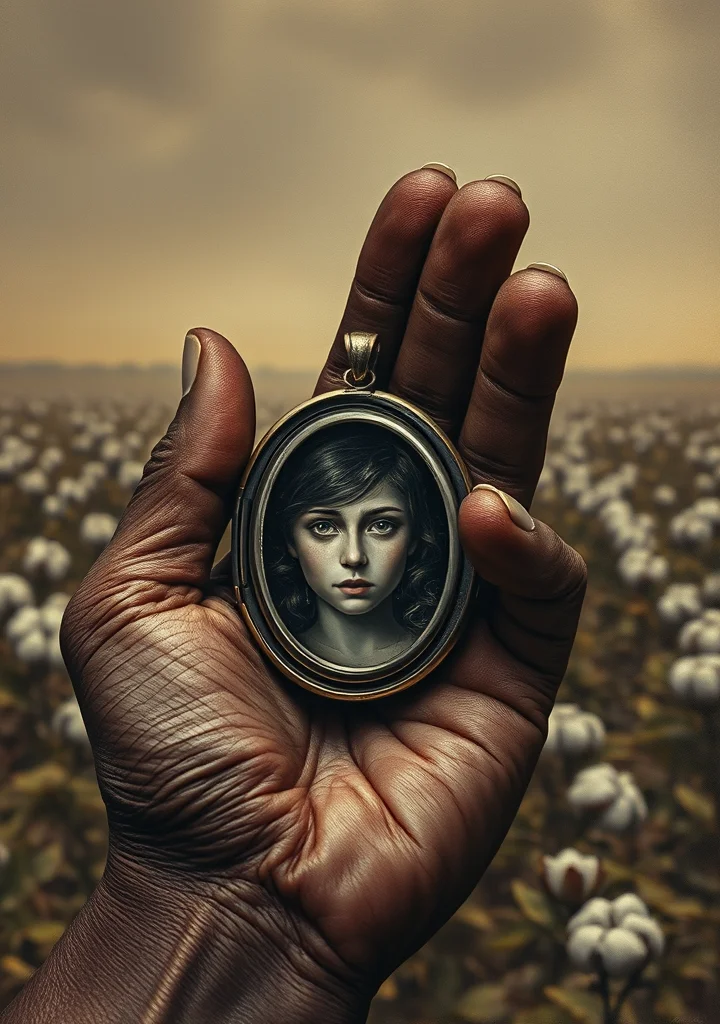
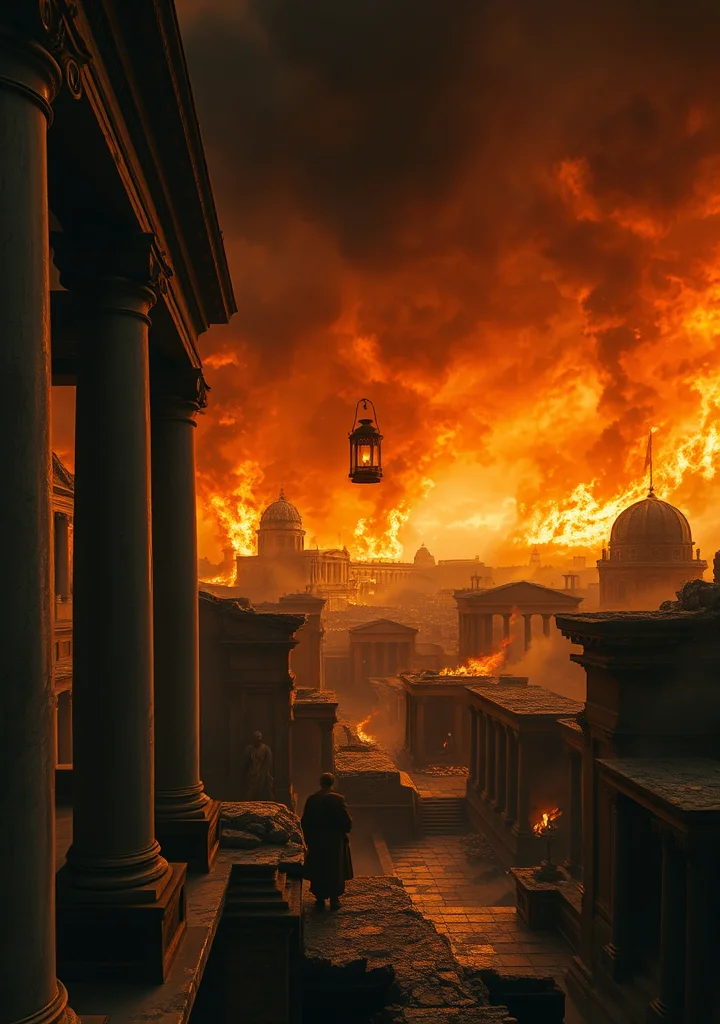
Dust motes dance in the suffocating heat of Nero’s Rome, a city choked with incense and ambition, where marble gleams with the sweat of slaves and whispers of conspiracy cling to every shadowed alley. A world unravels around Vinicius, a Roman patrician returned from the Dacia wars, haunted by a loyalty bought with blood and a longing for a faith he doesn’t understand. His pursuit of Lygdia, a woman promised to another, draws him into the hidden world of Christians, their gatherings lit by flickering candlelight and shadowed by the ever-present threat of the arena. Each stolen glance at Ursus, the hulking Christian slave, is a glimpse into a devotion that burns with a fervor Vinicius can only begin to comprehend. The narrative bleeds with the stench of burning flesh and the scent of myrrh, a relentless descent into a Rome obsessed with spectacle and shadowed by a creeping darkness. The air vibrates with the clash of gladiatorial combat, the fevered prayers of the faithful, and the chilling echo of lions pacing in their cages. It is a world where love is measured in acts of cruelty, and redemption is found not in power, but in the quiet defiance of a broken heart—a world where the stones themselves remember every scream. The journey is not merely to find a woman, but to witness the crumbling foundations of an empire, and the birth of a new world born from ashes and the unwavering gaze of the crucified.
Copyright: Public Domain
This license allows anyone to use your story for any purpose, including printing, selling, or adapting it into a film freely.
This license allows anyone to use your story for any purpose, including printing, selling, or adapting it into a film freely.
Chapter List
-
« Quo Vadis »📖 Continue Reading
-
« Chapter_3 »
-
« Introductory »
-
« Quo Vadis »
-
« I »
-
« II »
-
« III »
-
« IV »
-
« V »
-
« VI »
-
« VII »
-
« VIII »
-
« IX »
-
« X »
-
« XI »
-
« XII »
-
« XIII »
-
« XIV »
-
« XV »
-
« XVI »
-
« XVII »
-
« XVIII »
-
« XIX »
-
« XX »
-
« XXI »
-
« XXII »
-
« XXIII »
-
« XXIV »
-
« XXV »
-
« XXVI »
-
« XXVII »
-
« XXVIII »
-
« XXIX »
-
« XXX »
-
« XXXI »
-
« XXXII »
-
« XXXIII »
-
« XXXIV »
-
« XXXV »
-
« XXXVI »
-
« XXXVII »
-
« XXXVIII »
-
« XXXIX »
-
« XL »
-
« XLI »
-
« XLII »
-
« XLIII »
-
« XLIV »
-
« XLV »
-
« XLVI »
-
« XLVII »
-
« XLVIII »
-
« XLIX »
-
« L »
-
« LI »
-
« LII »
-
« LIII »
-
« LIV »
-
« LV »
-
« LVI »
-
« LVII »
-
« LVIII »
-
« LIX »
-
« LX »
-
« LXI »
-
« LXII »
-
« LXIII »
-
« LXIV »
-
« LXV »
-
« LXVI »
-
« LXVII »
-
« LXVIII »
-
« LXIX »
-
« LXX »
-
« LXXI »
-
« LXXII »
-
« LXXIII »
-
« Epilogue »
78
-
« Quo Vadis »
-
« Chapter_3 »
-
« Introductory »
-
« Quo Vadis »
-
« I »
-
« II »
-
« III »
-
« IV »
-
« V »
-
« VI »
-
« VII »
-
« VIII »
-
« IX »
-
« X »
-
« XI »
-
« XII »
-
« XIII »
-
« XIV »
-
« XV »
-
« XVI »
-
« XVII »
-
« XVIII »
-
« XIX »
-
« XX »
-
« XXI »
-
« XXII »
-
« XXIII »
-
« XXIV »
-
« XXV »
-
« XXVI »
-
« XXVII »
-
« XXVIII »
-
« XXIX »
-
« XXX »
-
« XXXI »
-
« XXXII »
-
« XXXIII »
-
« XXXIV »
-
« XXXV »
-
« XXXVI »
-
« XXXVII »
-
« XXXVIII »
-
« XXXIX »
-
« XL »
-
« XLI »
-
« XLII »
-
« XLIII »
-
« XLIV »
-
« XLV »
-
« XLVI »
-
« XLVII »
-
« XLVIII »
-
« XLIX »
-
« L »
-
« LI »
-
« LII »
-
« LIII »
-
« LIV »
-
« LV »
-
« LVI »
-
« LVII »
-
« LVIII »
-
« LIX »
-
« LX »
-
« LXI »
-
« LXII »
-
« LXIII »
-
« LXIV »
-
« LXV »
-
« LXVI »
-
« LXVII »
-
« LXVIII »
-
« LXIX »
-
« LXX »
-
« LXXI »
-
« LXXII »
-
« LXXIII »
-
« Epilogue »
More like this