
-
Read 1.1K
-
0
-
Part 79
Completed, First published Mar 02, 2026
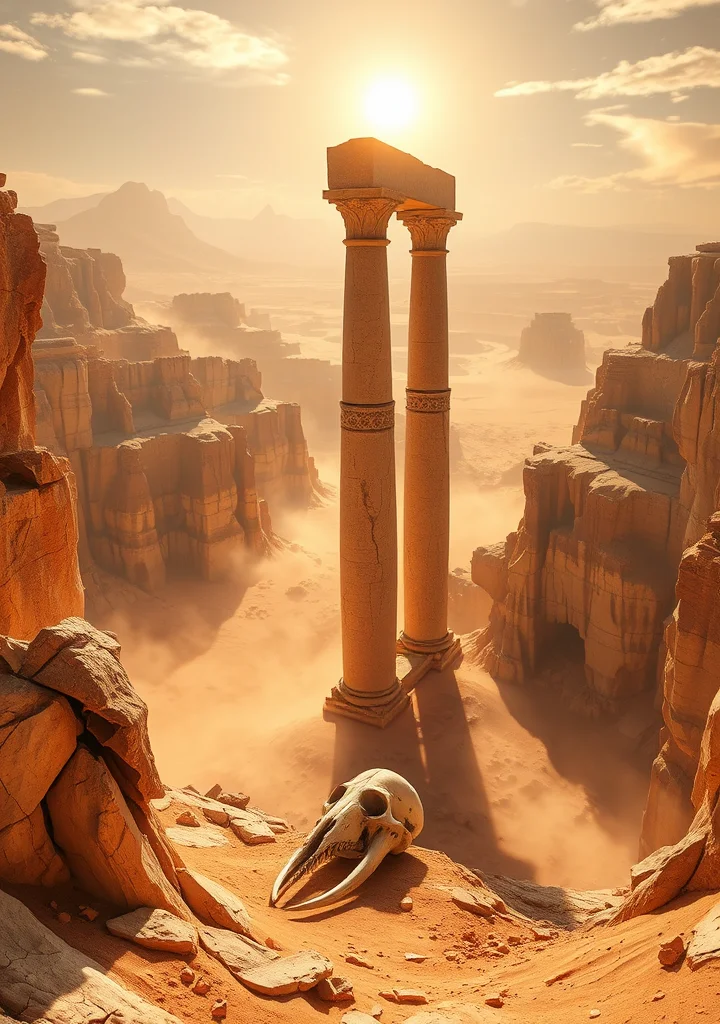
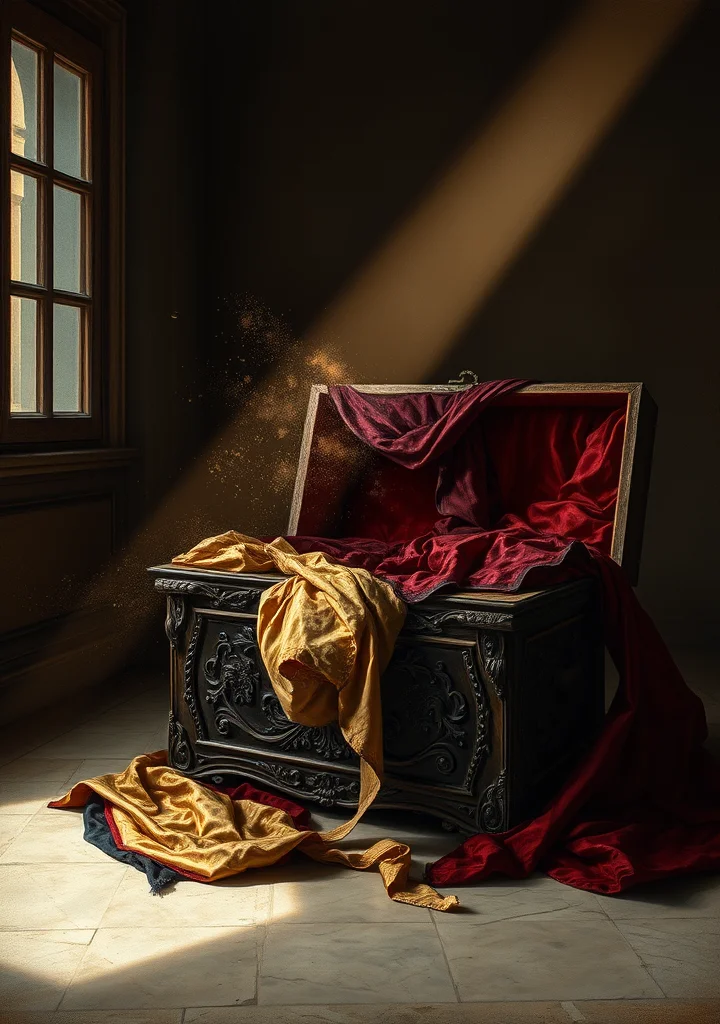
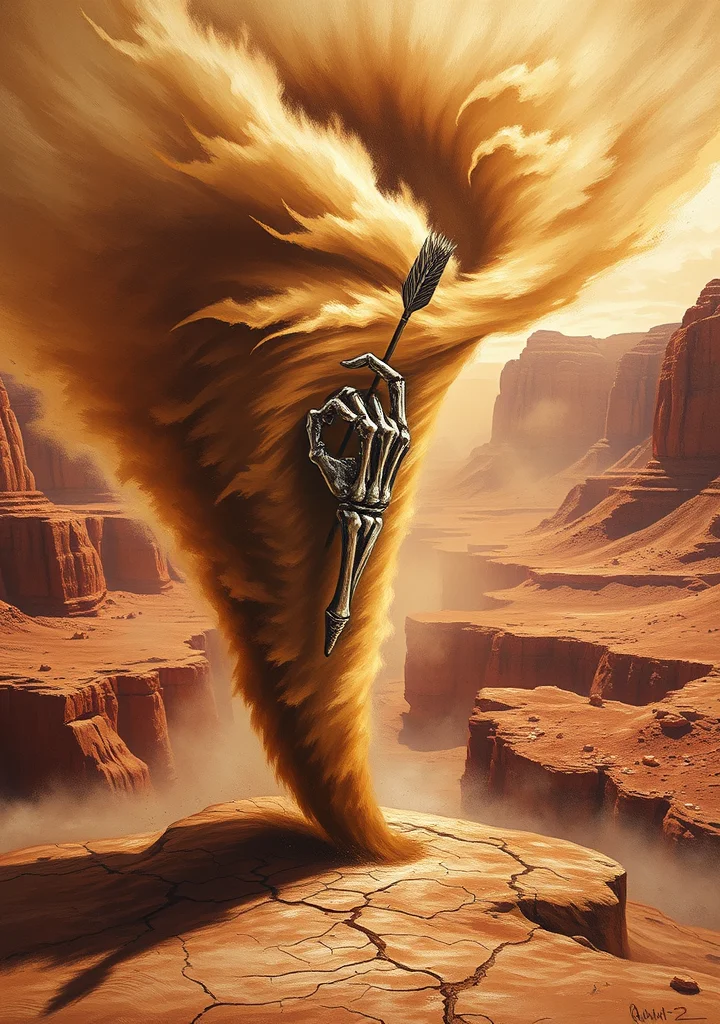
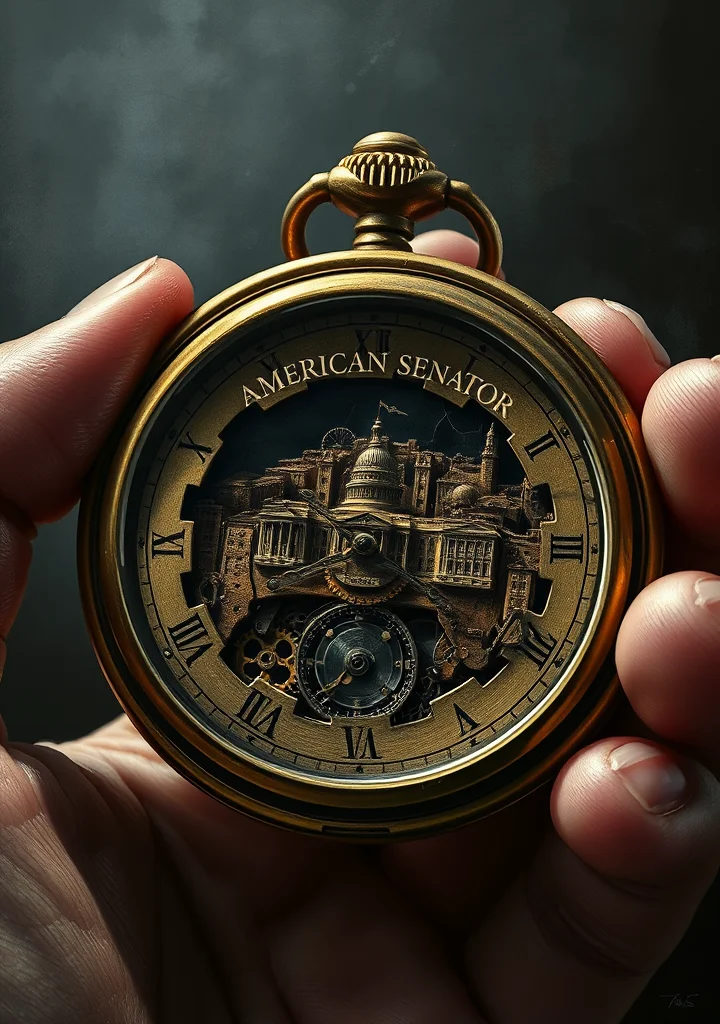
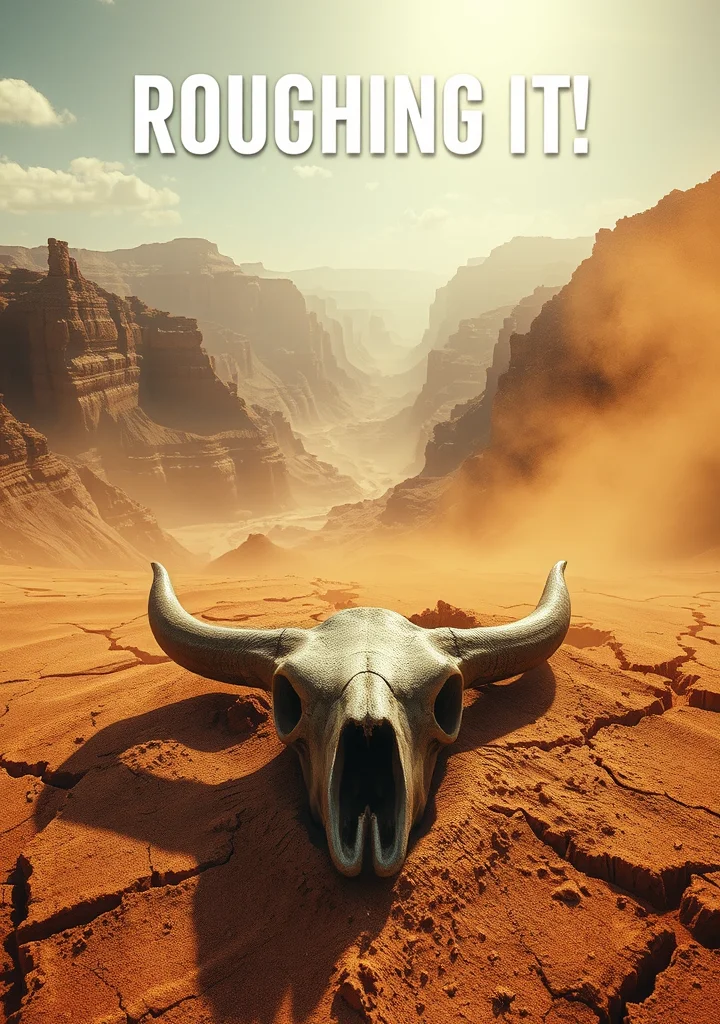
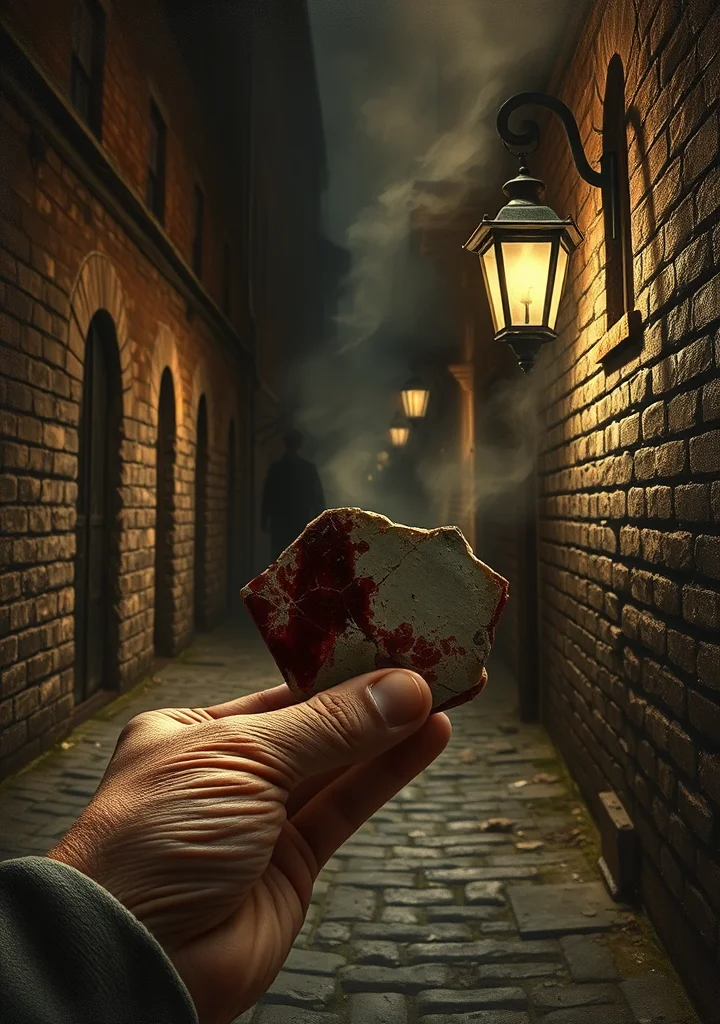
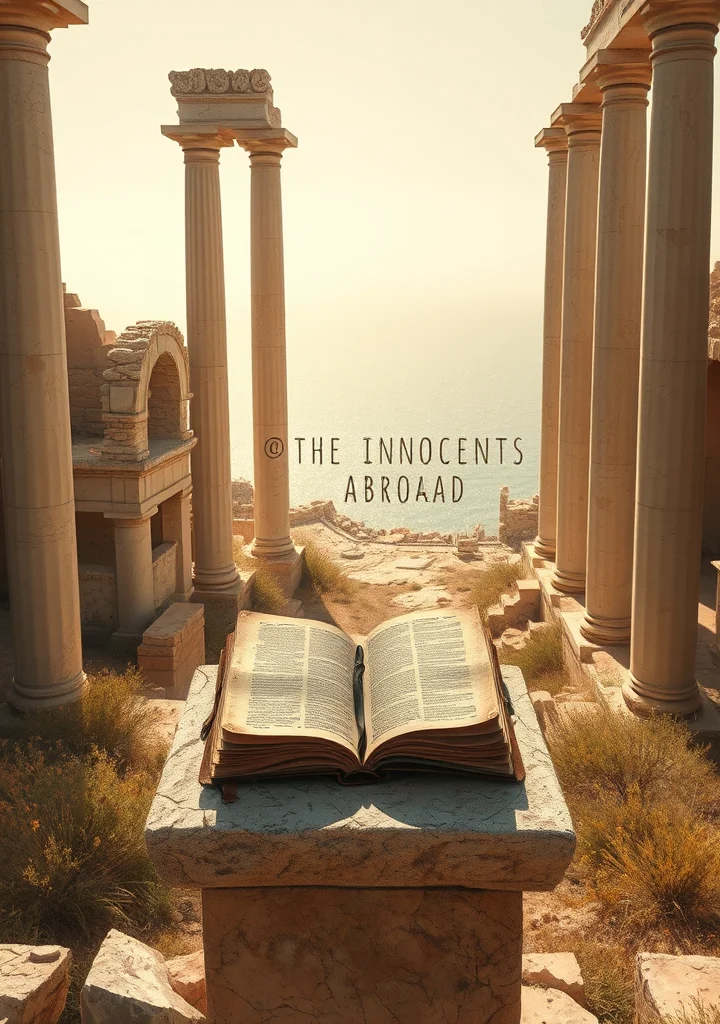
Dust motes dance in the sun-bleached ruins of expectation. A brittle, ironic heat hangs over the Mediterranean, mirroring the slow decay of American idealism. These are not pilgrims seeking salvation, but specters adrift in a land of ancient shadows, their grand tour a procession of naive collisions with the ghosts of empires past. The air itself seems to mock their earnest inquiries, whispering of forgotten gods and the corrosive weight of history. Each meticulously chronicled observation, each well-intentioned jest, is a chipped tile in a crumbling mosaic of delusion.
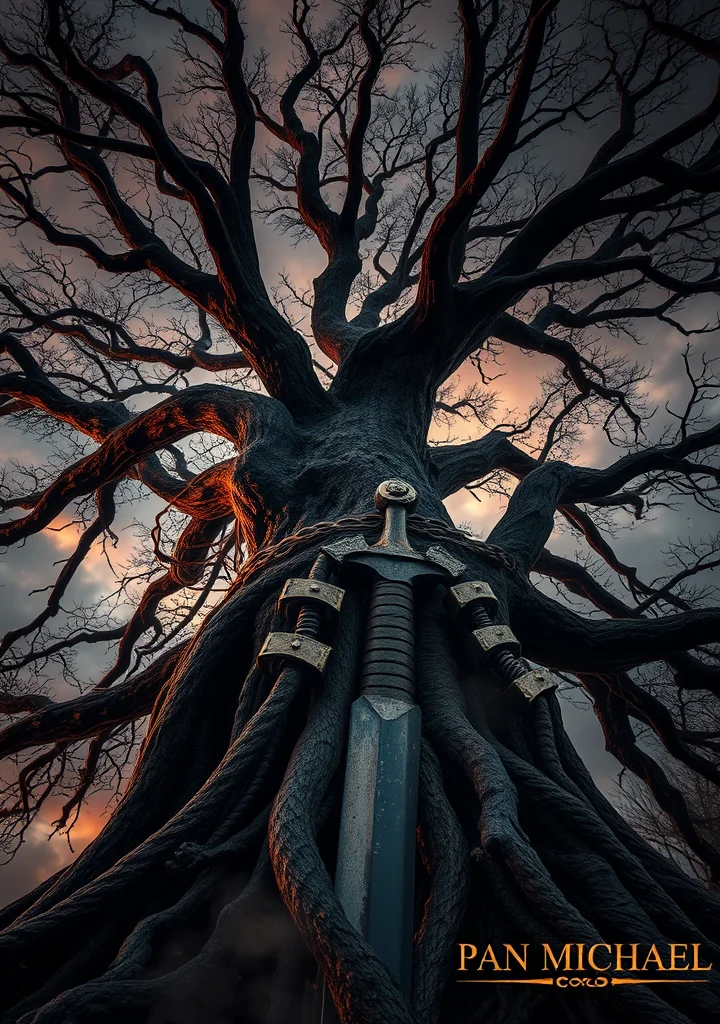
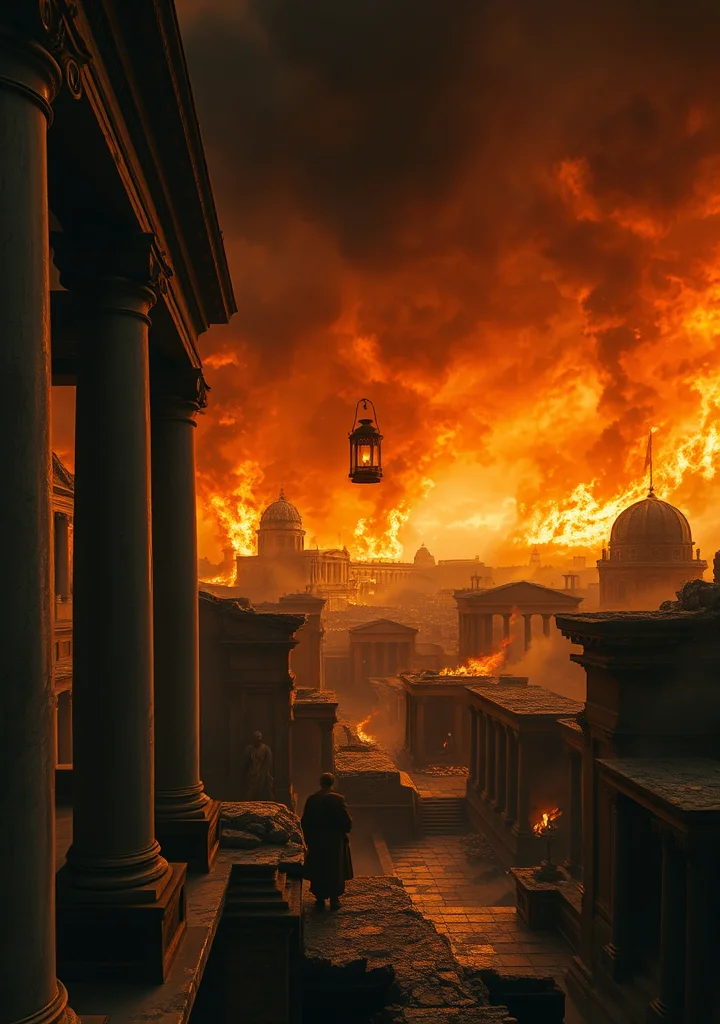
A creeping unease settles amongst the travelers as the landscape bleeds into their souls—a sickness of wonder and disappointment. The catacombs breathe secrets onto their faces, the Roman ruins echo with the laughter of long-dead emperors at their folly, and the very stones of Jerusalem seem to judge their presumptions. They are haunted by the silence of centuries, the weight of stone, and the hollow echo of their own unfulfilled desires.
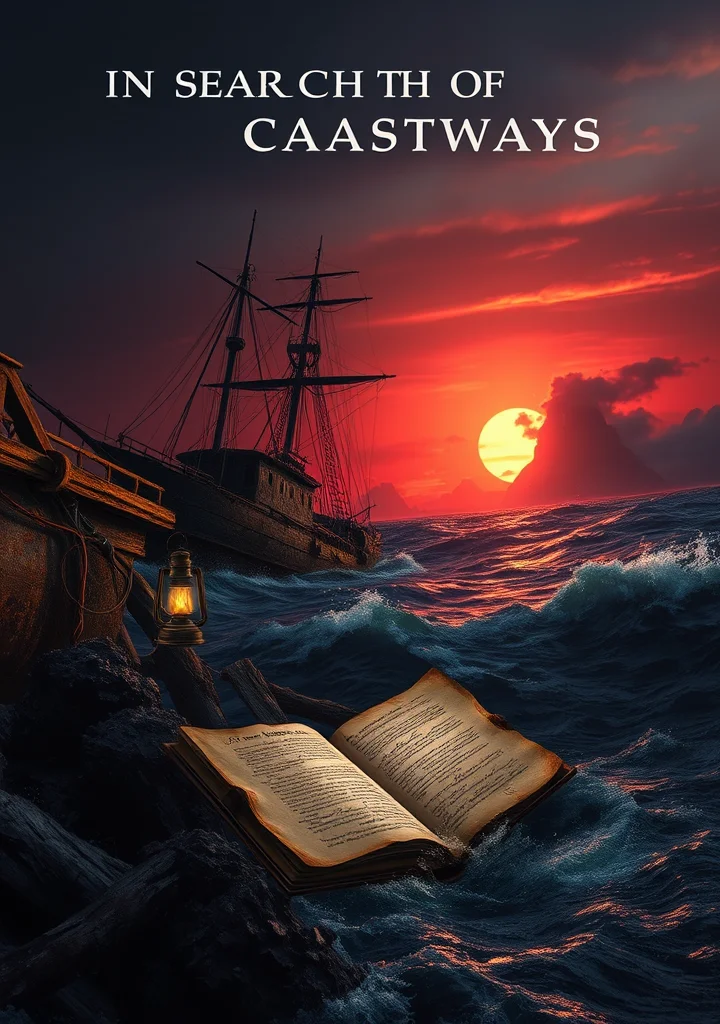
The Innocents, adrift on a sea of expectation, find themselves mirrored in the hollow eyes of ancient statues—each a testament to the futility of human ambition. The sun scorches not only the earth but also the fragile veneer of their optimism, revealing the creeping rot beneath the polished surfaces of their faith. This journey is not a revelation, but an excavation of the heart’s own barren landscape. It is a slow descent into the sepulcher of lost innocence, where the only monuments are the ruins of their own making.
Copyright: Public Domain
This license allows anyone to use your story for any purpose, including printing, selling, or adapting it into a film freely.
This license allows anyone to use your story for any purpose, including printing, selling, or adapting it into a film freely.
Chapter List
-
« The Innocents Abroad »📖 Continue Reading
-
« Chapter_3 »
-
« Preface »
-
« The Innocents Abroad »
-
« Chapter_6 »
-
« Chapter_7 »
-
« Chapter_8 »
-
« Chapter_9 »
-
« Chapter_10 »
-
« Chapter_11 »
-
« Chapter_12 »
-
« Chapter_13 »
-
« Chapter_14 »
-
« Chapter_15 »
-
« Chapter_16 »
-
« Chapter_17 »
-
« Chapter_18 »
-
« Chapter_19 »
-
« Chapter_20 »
-
« Chapter_21 »
-
« Chapter_22 »
-
« Chapter_23 »
-
« Chapter_24 »
-
« Chapter_25 »
-
« Chapter_26 »
-
« Chapter_27 »
-
« Chapter_28 »
-
« Chapter_29 »
-
« Chapter_30 »
-
« Chapter_31 »
-
« Chapter_32 »
-
« Chapter_33 »
-
« Chapter_34 »
-
« Chapter_35 »
-
« Chapter_36 »
-
« Chapter_37 »
-
« Chapter_38 »
-
« Chapter_39 »
-
« Chapter_40 »
-
« Chapter_41 »
-
« Chapter_42 »
-
« Chapter_43 »
-
« Chapter_44 »
-
« Chapter_45 »
-
« Chapter_46 »
-
« Chapter_47 »
-
« Chapter_48 »
-
« Chapter_49 »
-
« Chapter_50 »
-
« Chapter_51 »
-
« Chapter_52 »
-
« Chapter_53 »
-
« Chapter_54 »
-
« Chapter_55 »
-
« Chapter_56 »
-
« Chapter_57 »
-
« Chapter_58 »
-
« Chapter_59 »
-
« Chapter_60 »
-
« Chapter_61 »
-
« Chapter_62 »
-
« Chapter_63 »
-
« Chapter_64 »
-
« Chapter_65 »
-
« Chapter_66 »
-
« Chapter_67 »
-
« Chapter_68 »
-
« Chapter_69 »
-
« Chapter_70 »
-
« Chapter_71 »
-
« Chapter_72 »
-
« Chapter_73 »
-
« Chapter_74 »
-
« Chapter_75 »
-
« Chapter_76 »
-
« Chapter_77 »
-
« Chapter_78 »
-
« LXI »
-
« Conclusion »
79
-
« The Innocents Abroad »
-
« Chapter_3 »
-
« Preface »
-
« The Innocents Abroad »
-
« Chapter_6 »
-
« Chapter_7 »
-
« Chapter_8 »
-
« Chapter_9 »
-
« Chapter_10 »
-
« Chapter_11 »
-
« Chapter_12 »
-
« Chapter_13 »
-
« Chapter_14 »
-
« Chapter_15 »
-
« Chapter_16 »
-
« Chapter_17 »
-
« Chapter_18 »
-
« Chapter_19 »
-
« Chapter_20 »
-
« Chapter_21 »
-
« Chapter_22 »
-
« Chapter_23 »
-
« Chapter_24 »
-
« Chapter_25 »
-
« Chapter_26 »
-
« Chapter_27 »
-
« Chapter_28 »
-
« Chapter_29 »
-
« Chapter_30 »
-
« Chapter_31 »
-
« Chapter_32 »
-
« Chapter_33 »
-
« Chapter_34 »
-
« Chapter_35 »
-
« Chapter_36 »
-
« Chapter_37 »
-
« Chapter_38 »
-
« Chapter_39 »
-
« Chapter_40 »
-
« Chapter_41 »
-
« Chapter_42 »
-
« Chapter_43 »
-
« Chapter_44 »
-
« Chapter_45 »
-
« Chapter_46 »
-
« Chapter_47 »
-
« Chapter_48 »
-
« Chapter_49 »
-
« Chapter_50 »
-
« Chapter_51 »
-
« Chapter_52 »
-
« Chapter_53 »
-
« Chapter_54 »
-
« Chapter_55 »
-
« Chapter_56 »
-
« Chapter_57 »
-
« Chapter_58 »
-
« Chapter_59 »
-
« Chapter_60 »
-
« Chapter_61 »
-
« Chapter_62 »
-
« Chapter_63 »
-
« Chapter_64 »
-
« Chapter_65 »
-
« Chapter_66 »
-
« Chapter_67 »
-
« Chapter_68 »
-
« Chapter_69 »
-
« Chapter_70 »
-
« Chapter_71 »
-
« Chapter_72 »
-
« Chapter_73 »
-
« Chapter_74 »
-
« Chapter_75 »
-
« Chapter_76 »
-
« Chapter_77 »
-
« Chapter_78 »
-
« LXI »
-
« Conclusion »
More like this