
-
Read 877
-
0
-
Part 62
Completed, First published Mar 02, 2026
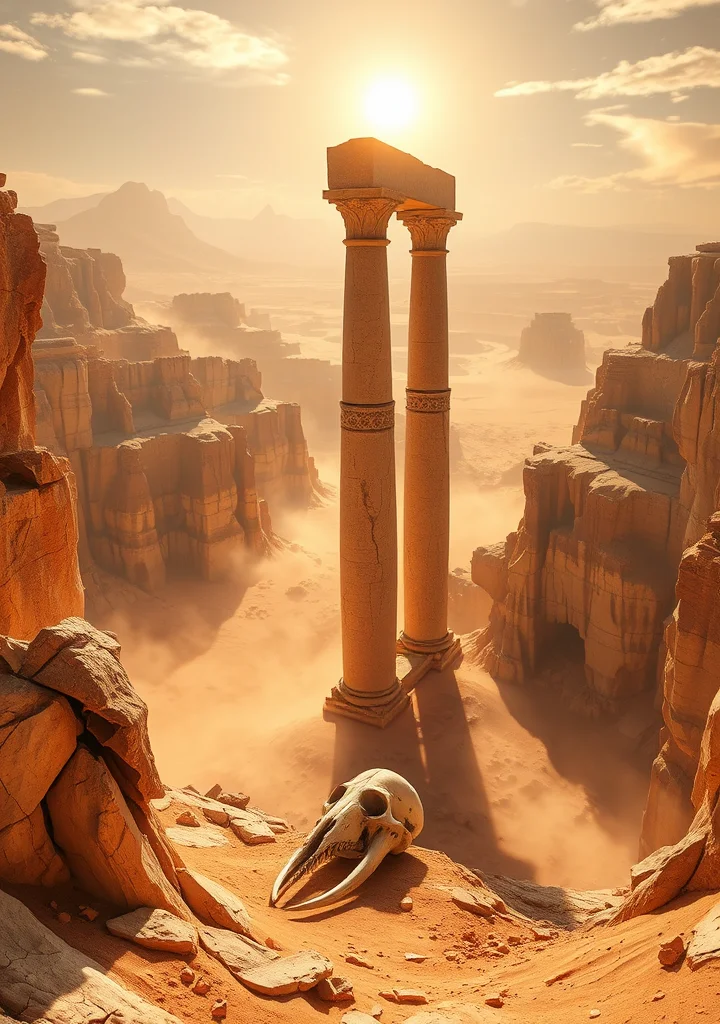
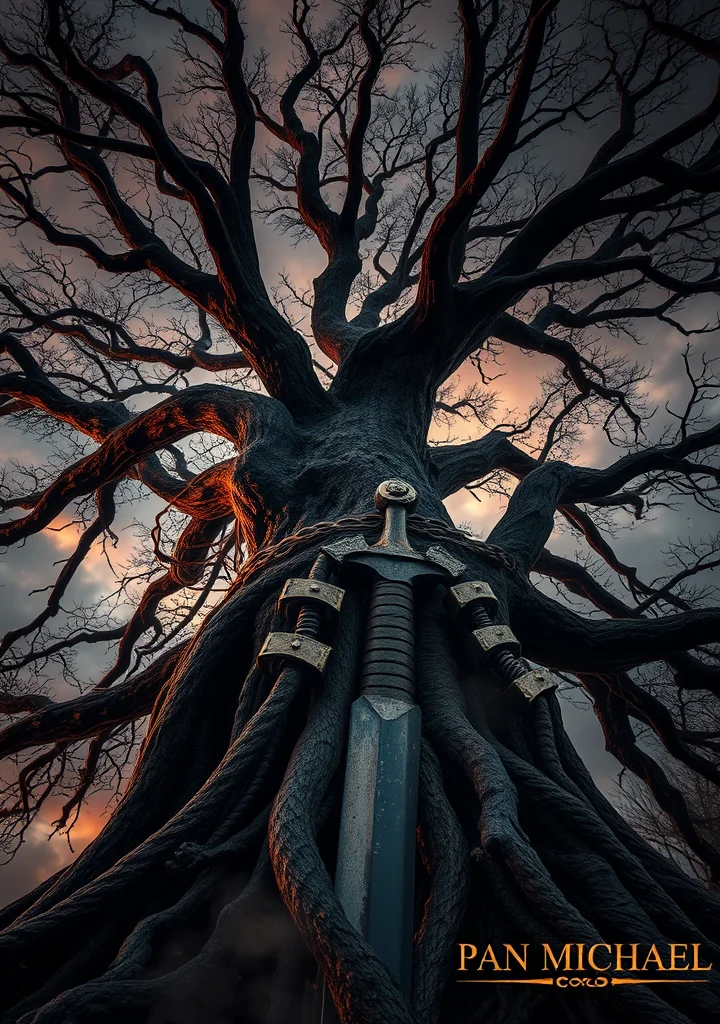
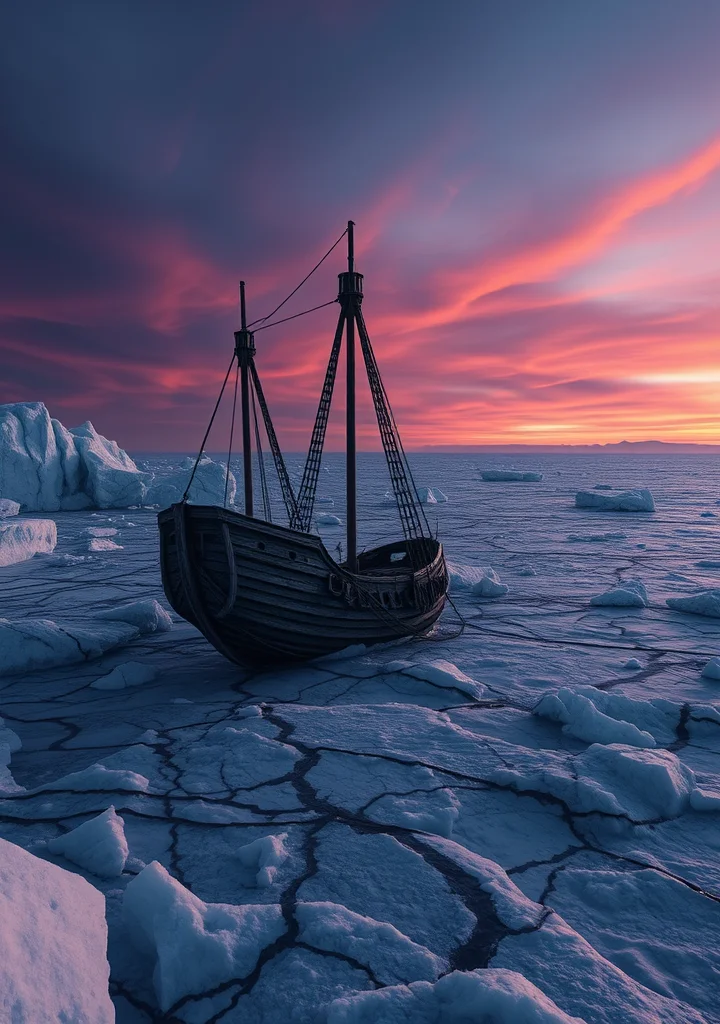
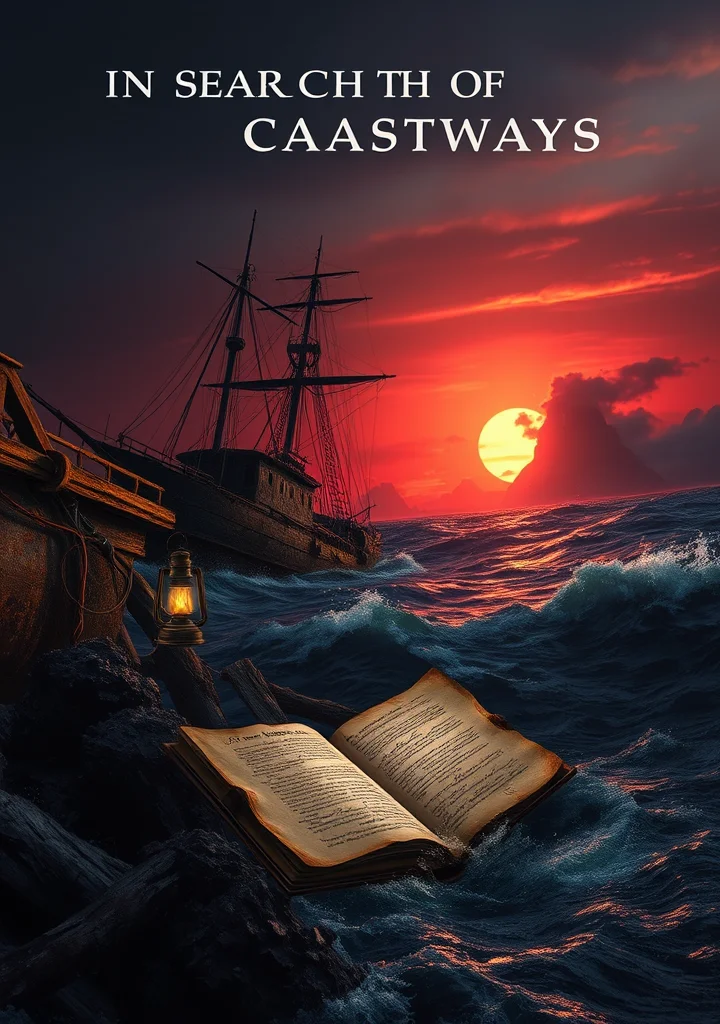
The salt-laced air hangs thick with regret, clinging to the rusted iron of the *Victoria’s* salvaged remnants. Verne doesn’t offer adventure, but a creeping dread born of isolation. This is not a tale of rescue, but of witnessing the slow unraveling of men haunted by their own making. The Dutch colony of the phantom island, a volcanic scar upon the Pacific, breathes with a stifled sorrow. Each salvaged timber whispers of desperation, each recovered journal a confession scrawled in fading ink. The narrative coils around the obsession of Captain Hatteras, a man driven not by glory but by a melancholic hunger for what’s lost – not treasure, but the *feeling* of finding. The castaways aren’t merely stranded; they’re entombed within their own meticulous, failing civilization. Sun-blasted sand dunes swallow the vestiges of their ambition, and the air itself tastes of decay. It’s a story less about survival, and more about the exquisite, agonizing process of becoming ghosts within a paradise built on the bones of impossible hope. The true horror isn’t the storm that wrecked them, but the quiet, methodical erosion of their humanity as they wait for a salvation that will never come. The island doesn’t break them; it *polishes* them, revealing the brittle, tarnished core beneath the veneer of civilization.
Copyright: Public Domain
This license allows anyone to use your story for any purpose, including printing, selling, or adapting it into a film freely.
This license allows anyone to use your story for any purpose, including printing, selling, or adapting it into a film freely.
Chapter List
-
« In Search of the Castaways »📖 Continue Reading
-
« I »
-
« II »
-
« III »
-
« IV »
-
« V »
-
« VI »
-
« VII »
-
« VIII »
-
« IX »
-
« X »
-
« XI »
-
« XII »
-
« XIII »
-
« XIV »
-
« XV »
-
« XVI »
-
« XVII »
-
« XVIII »
-
« XIX »
-
« XX »
-
« XXI »
-
« XXII »
-
« XXIII »
-
« XXIV »
-
« XXV »
-
« XXVI »
-
« XXVII »
-
« XXVIII »
-
« XXIX »
-
« XXX »
-
« XXXI »
-
« XXXII »
-
« XXXIII »
-
« XXXIV »
-
« XXXV »
-
« XXXVI »
-
« XXXVII »
-
« XXXVIII »
-
« XXXIX »
-
« XL »
-
« XLI »
-
« XLII »
-
« XLIII »
-
« XLIV »
-
« XLV »
-
« XLVI »
-
« XLVII »
-
« XLVIII »
-
« XLIX »
-
« L »
-
« LI »
-
« LII »
-
« LIII »
-
« LIV »
-
« LV »
-
« LVI »
-
« LVII »
-
« LVIII »
-
« LIX »
-
« LX »
-
« LXI »
62
-
« In Search of the Castaways »
-
« I »
-
« II »
-
« III »
-
« IV »
-
« V »
-
« VI »
-
« VII »
-
« VIII »
-
« IX »
-
« X »
-
« XI »
-
« XII »
-
« XIII »
-
« XIV »
-
« XV »
-
« XVI »
-
« XVII »
-
« XVIII »
-
« XIX »
-
« XX »
-
« XXI »
-
« XXII »
-
« XXIII »
-
« XXIV »
-
« XXV »
-
« XXVI »
-
« XXVII »
-
« XXVIII »
-
« XXIX »
-
« XXX »
-
« XXXI »
-
« XXXII »
-
« XXXIII »
-
« XXXIV »
-
« XXXV »
-
« XXXVI »
-
« XXXVII »
-
« XXXVIII »
-
« XXXIX »
-
« XL »
-
« XLI »
-
« XLII »
-
« XLIII »
-
« XLIV »
-
« XLV »
-
« XLVI »
-
« XLVII »
-
« XLVIII »
-
« XLIX »
-
« L »
-
« LI »
-
« LII »
-
« LIII »
-
« LIV »
-
« LV »
-
« LVI »
-
« LVII »
-
« LVIII »
-
« LIX »
-
« LX »
-
« LXI »
More like this