
-
Read 943
-
0
-
Part 49
Completed, First published Mar 02, 2026
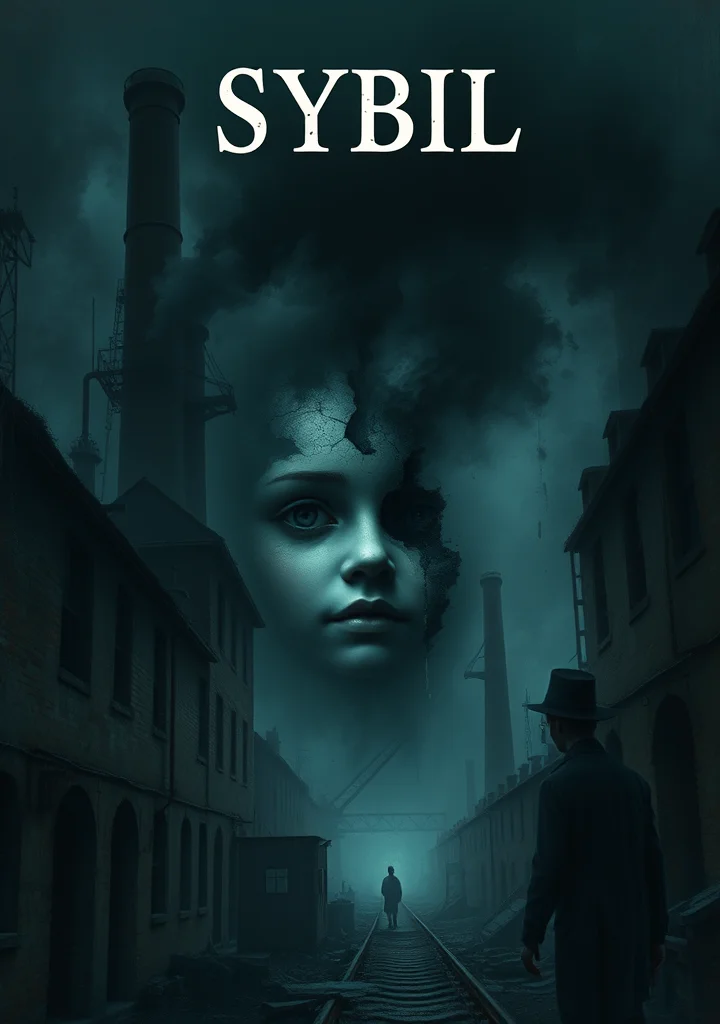
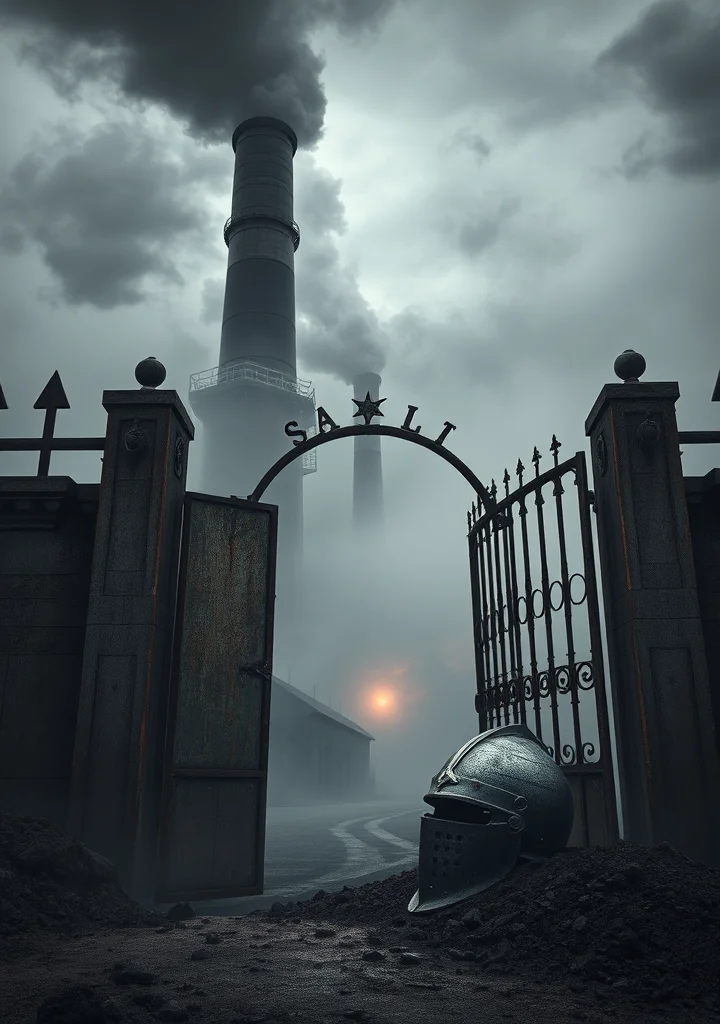
A creeping fog clings to the stone of Camelot, not from the mists of Avalon, but the grit of coal dust blown across centuries. The clash of steel feels strangely muted, overlaid with the echo of factory whistles and the phantom scent of machine oil. It is a world where chivalry curdles into obsolescence, where the gleam of a knight’s armor is tarnished by the shadow of a factory’s looming smokestacks. A man ripped from his own time—a Yankee—doesn’t bring progress; he unveils the rot beneath the gilded age of Arthur’s reign. The air thickens with the iron tang of discontent, a silent rebellion brewing not in whispered plots, but in the cold mathematics of efficiency. The forests breathe with a new, mechanical dread, as forests are felled to build not castles, but furnaces. A darkness descends, not from Mordred’s treachery, but from the slow, grinding inevitability of a world remade in the image of its own relentless, unforgiving ambition. It is a world where magic is not vanquished, but simply…outstripped. The very stones weep with the despair of obsolescence, as a new god—the god of industry—forges a kingdom from the ashes of legend. The narrative winds through haunted castles and shadowed fields, echoing with the dissonance of eras colliding, a relentless march toward a future built on the bones of the past.
Copyright: Public Domain
This license allows anyone to use your story for any purpose, including printing, selling, or adapting it into a film freely.
This license allows anyone to use your story for any purpose, including printing, selling, or adapting it into a film freely.
Chapter List
-
« A Connecticut Yankee in King Arthur’s Court »📖 Continue Reading
-
« Preface »
-
« A Connecticut Yankee in King Arthur’s Court »
-
« A Word of Explanation »
-
« I »
-
« II »
-
« III »
-
« IV »
-
« V »
-
« VI »
-
« VII »
-
« VIII »
-
« IX »
-
« X »
-
« XI »
-
« XII »
-
« XIII »
-
« XIV »
-
« XV »
-
« XVI »
-
« XVII »
-
« XVIII »
-
« XIX »
-
« XX »
-
« XXI »
-
« XXII »
-
« XXIII »
-
« XXIV »
-
« XXV »
-
« XXVI »
-
« XXVII »
-
« XXVIII »
-
« XXIX »
-
« XXX »
-
« XXXI »
-
« XXXII »
-
« XXXIII »
-
« XXXIV »
-
« XXXV »
-
« XXXVI »
-
« XXXVII »
-
« XXXVIII »
-
« XXXIX »
-
« XL »
-
« XLI »
-
« XLII »
-
« XLIII »
-
« XLIV »
-
« FinalP.S.byM. T. »
49
-
« A Connecticut Yankee in King Arthur’s Court »
-
« Preface »
-
« A Connecticut Yankee in King Arthur’s Court »
-
« A Word of Explanation »
-
« I »
-
« II »
-
« III »
-
« IV »
-
« V »
-
« VI »
-
« VII »
-
« VIII »
-
« IX »
-
« X »
-
« XI »
-
« XII »
-
« XIII »
-
« XIV »
-
« XV »
-
« XVI »
-
« XVII »
-
« XVIII »
-
« XIX »
-
« XX »
-
« XXI »
-
« XXII »
-
« XXIII »
-
« XXIV »
-
« XXV »
-
« XXVI »
-
« XXVII »
-
« XXVIII »
-
« XXIX »
-
« XXX »
-
« XXXI »
-
« XXXII »
-
« XXXIII »
-
« XXXIV »
-
« XXXV »
-
« XXXVI »
-
« XXXVII »
-
« XXXVIII »
-
« XXXIX »
-
« XL »
-
« XLI »
-
« XLII »
-
« XLIII »
-
« XLIV »
-
« FinalP.S.byM. T. »
More like this