
-
Read 786
-
0
-
Part 47
Completed, First published Mar 02, 2026
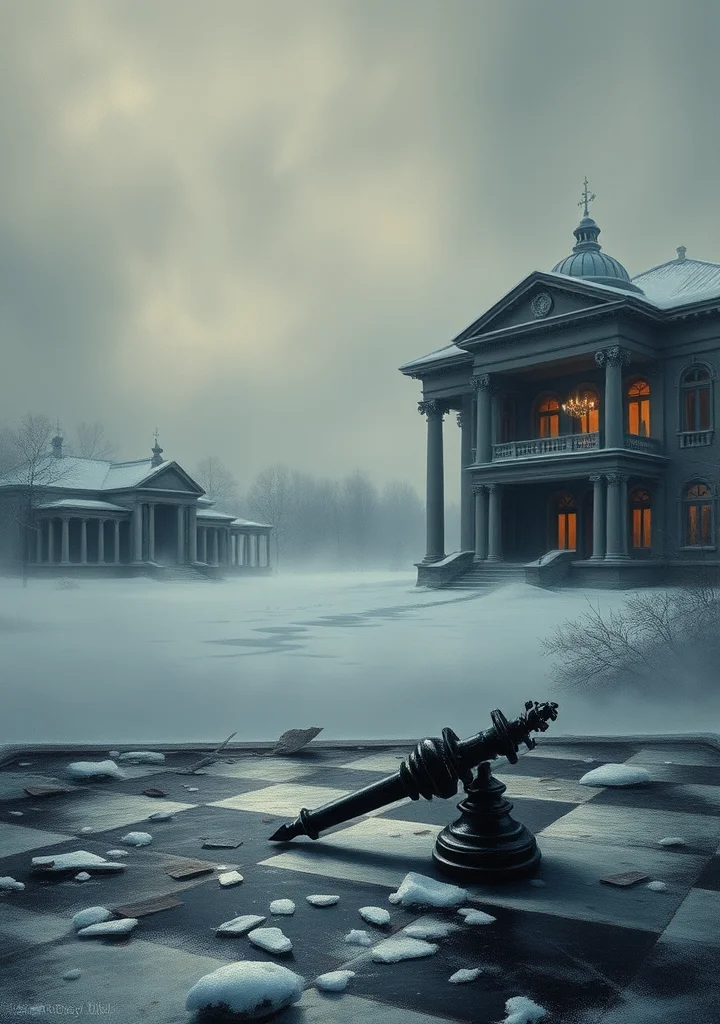
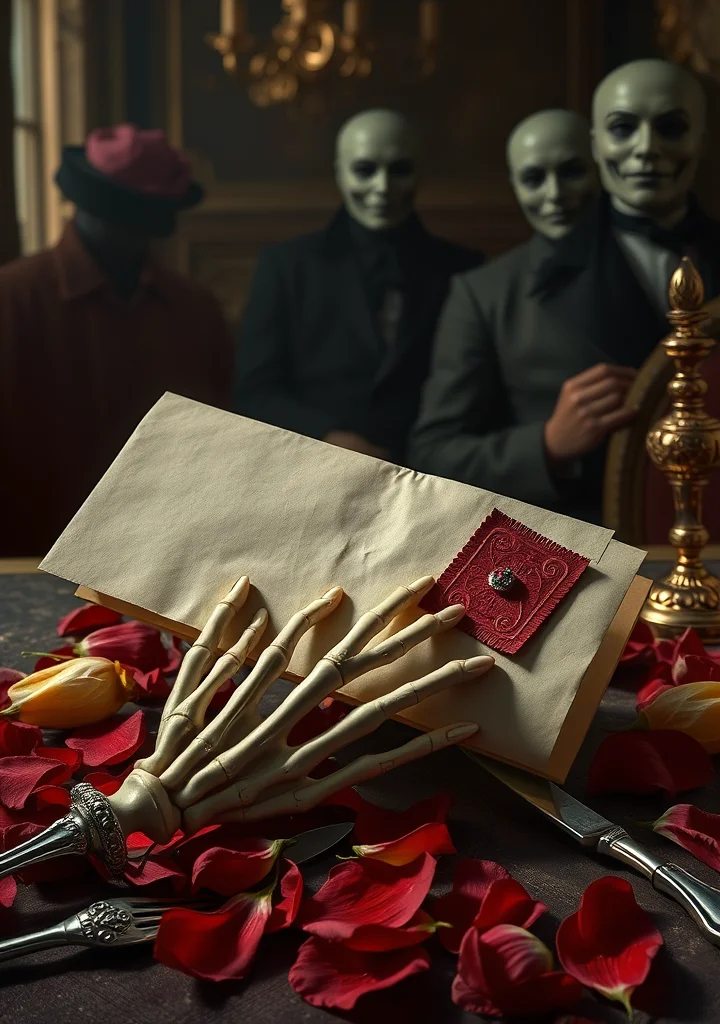
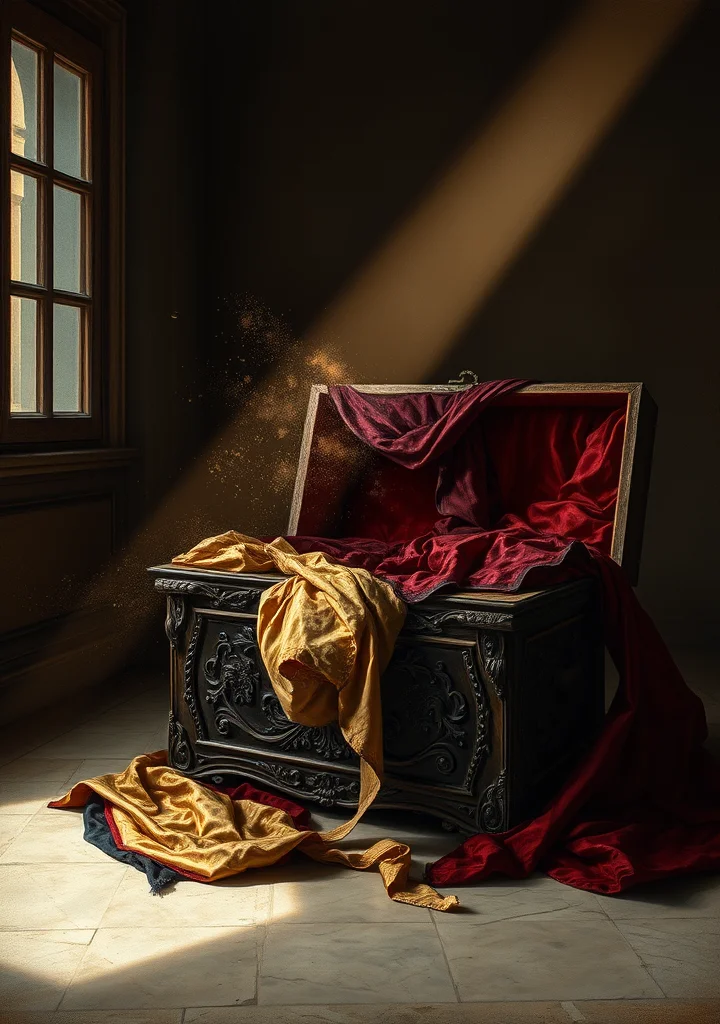
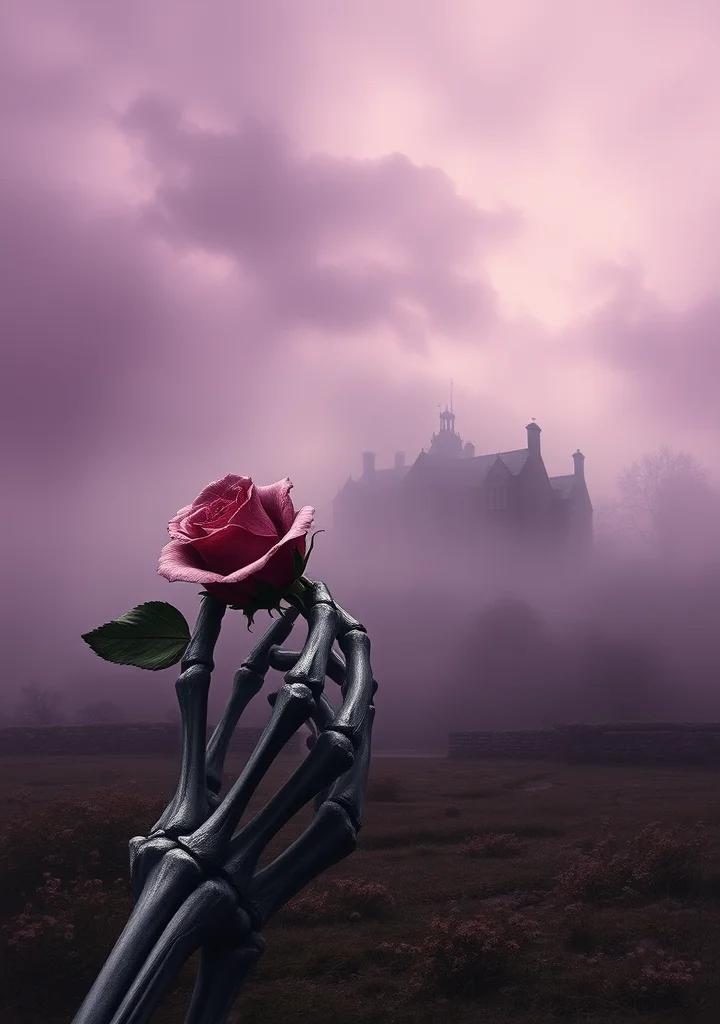
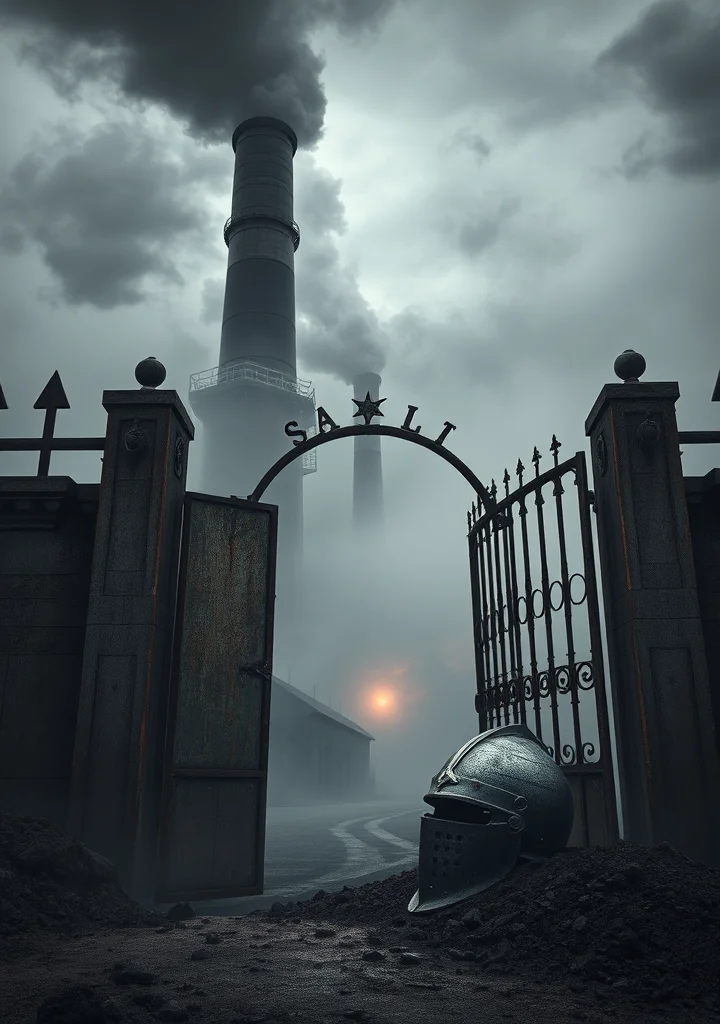
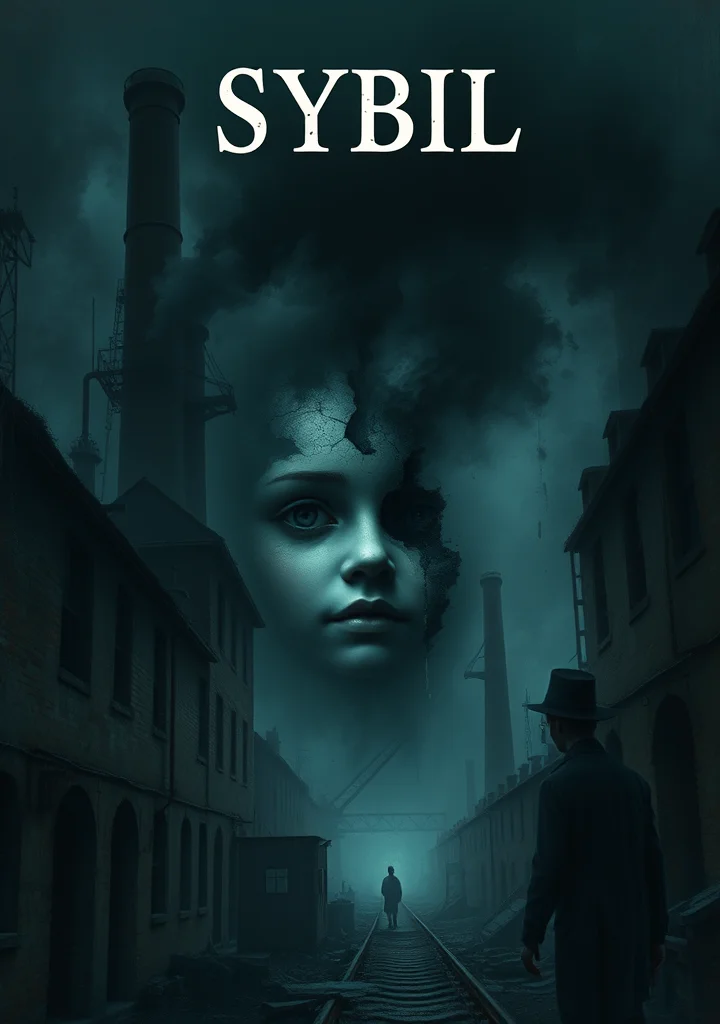
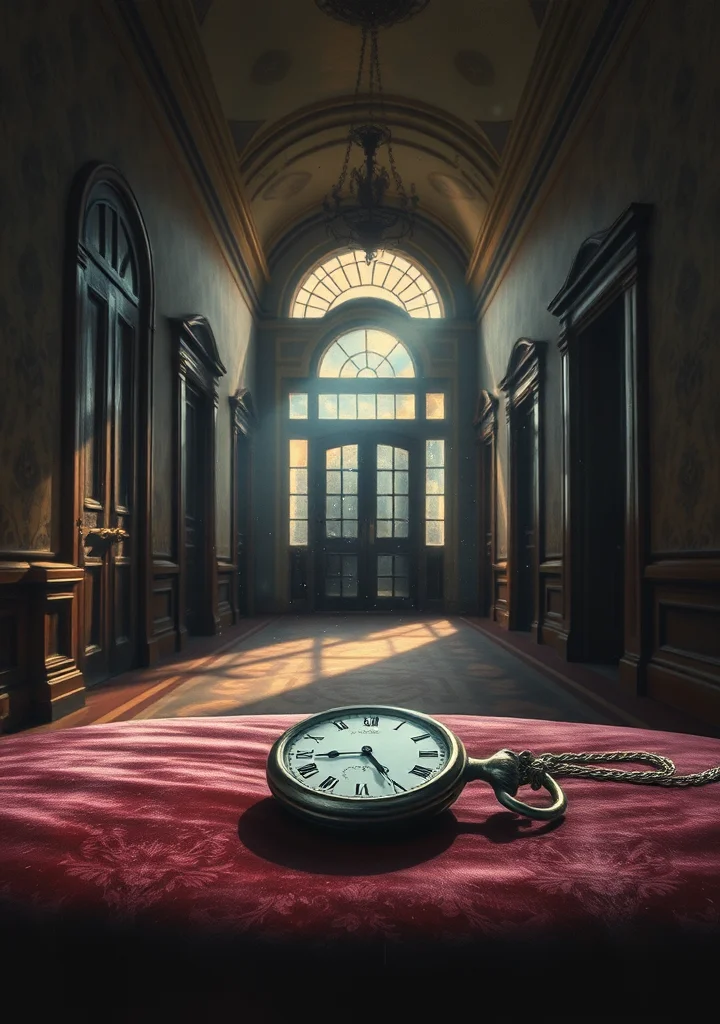
Dust motes dance in the perpetual twilight of the Petrovsky estate, clinging to faded tapestries and the scent of decaying lilies. A stillness hangs heavy, not of peace, but of regret—the quiet rot of a gentry class adrift. Within its shadowed halls, the lives of the Lavrov brothers, Nikolai and Pavel, unfold like a mournful aria, each echoing the other’s unspoken failures. The air is thick with the ghosts of unfulfilled ambition, of love lost to ideological fervor, and the suffocating weight of inherited privilege. Each room breathes with the melancholy of lives spent observing, rather than living.
A creeping dampness seeps into the soul alongside the pervasive grey of the Russian countryside. The narrative drifts through overgrown gardens and echoing libraries, mirroring the fractured hopes of its characters. A sense of isolation is paramount – not merely physical, but a spiritual estrangement that fractures family and love alike. The house itself is a character, absorbing the despair of its inhabitants, its very timbers groaning under the weight of their disillusionment. A subtle, insidious decay permeates every corner, mirroring the slow unraveling of the brothers’ beliefs, their identities dissolving into the vast, indifferent expanse of the Russian landscape. It is a house haunted not by specters of the dead, but by the ghosts of what might have been.
Copyright: Public Domain
This license allows anyone to use your story for any purpose, including printing, selling, or adapting it into a film freely.
This license allows anyone to use your story for any purpose, including printing, selling, or adapting it into a film freely.
Chapter List
-
« A House of Gentlefolk »📖 Continue Reading
-
« I »
-
« II »
-
« III »
-
« IV »
-
« V »
-
« VI »
-
« VII »
-
« VIII »
-
« IX »
-
« X »
-
« XI »
-
« XII »
-
« XIII »
-
« XIV »
-
« XV »
-
« XVI »
-
« XVII »
-
« XVIII »
-
« XIX »
-
« XX »
-
« XXI »
-
« XXII »
-
« XXIII »
-
« XXIV »
-
« XXV »
-
« XXVI »
-
« XXVII »
-
« XXVIII »
-
« XXIX »
-
« XXX »
-
« XXXI »
-
« XXXII »
-
« XXXIII »
-
« XXXIV »
-
« XXXV »
-
« XXXVI »
-
« XXXVII »
-
« XXXVIII »
-
« XXXIX »
-
« XL »
-
« XLI »
-
« XLII »
-
« XLIII »
-
« XLIV »
-
« XLV »
-
« Epilogue »
47
-
« A House of Gentlefolk »
-
« I »
-
« II »
-
« III »
-
« IV »
-
« V »
-
« VI »
-
« VII »
-
« VIII »
-
« IX »
-
« X »
-
« XI »
-
« XII »
-
« XIII »
-
« XIV »
-
« XV »
-
« XVI »
-
« XVII »
-
« XVIII »
-
« XIX »
-
« XX »
-
« XXI »
-
« XXII »
-
« XXIII »
-
« XXIV »
-
« XXV »
-
« XXVI »
-
« XXVII »
-
« XXVIII »
-
« XXIX »
-
« XXX »
-
« XXXI »
-
« XXXII »
-
« XXXIII »
-
« XXXIV »
-
« XXXV »
-
« XXXVI »
-
« XXXVII »
-
« XXXVIII »
-
« XXXIX »
-
« XL »
-
« XLI »
-
« XLII »
-
« XLIII »
-
« XLIV »
-
« XLV »
-
« Epilogue »
More like this