
Pan Michael
  • 276
  • 0
  • 63
  • Reads 276
  • 0
  • Part 63
Completed, First published Mar 02, 2026

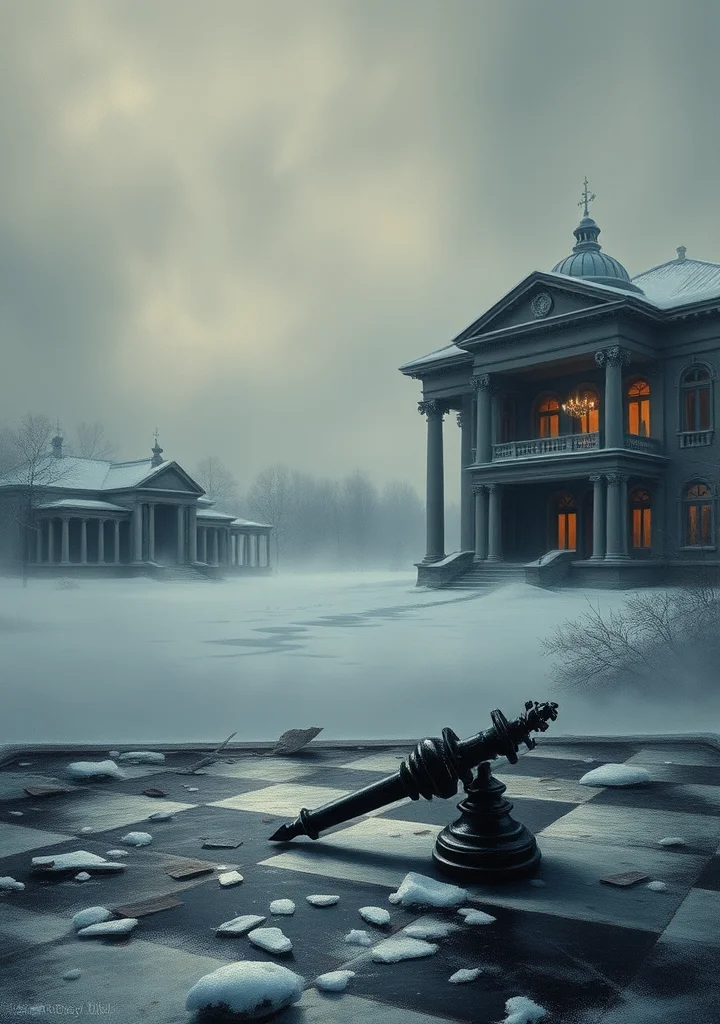
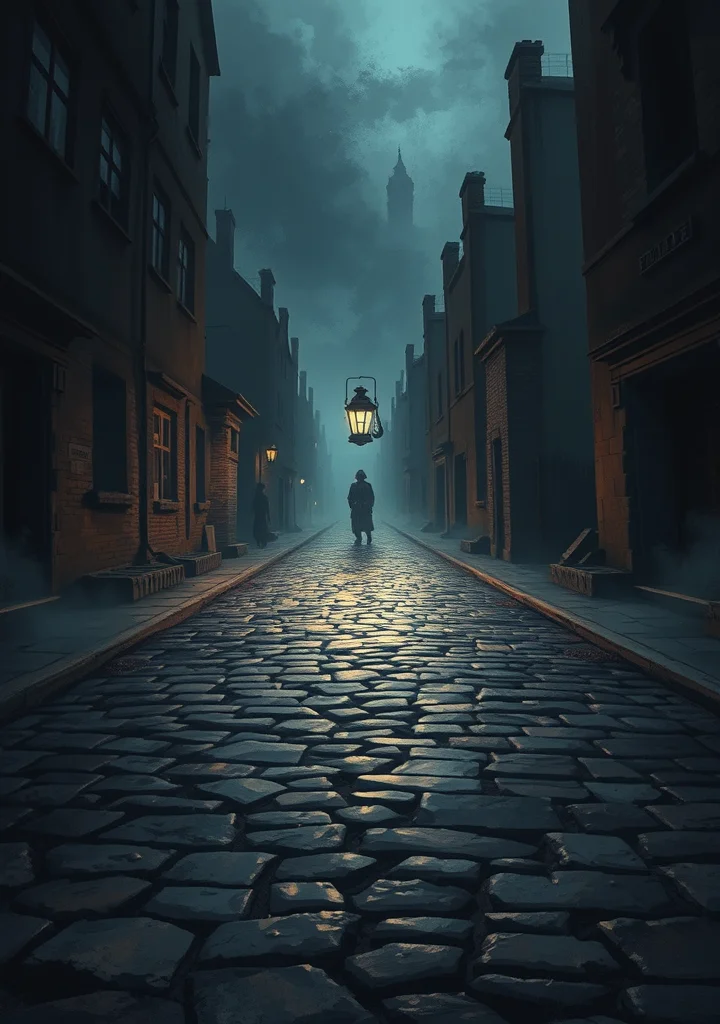
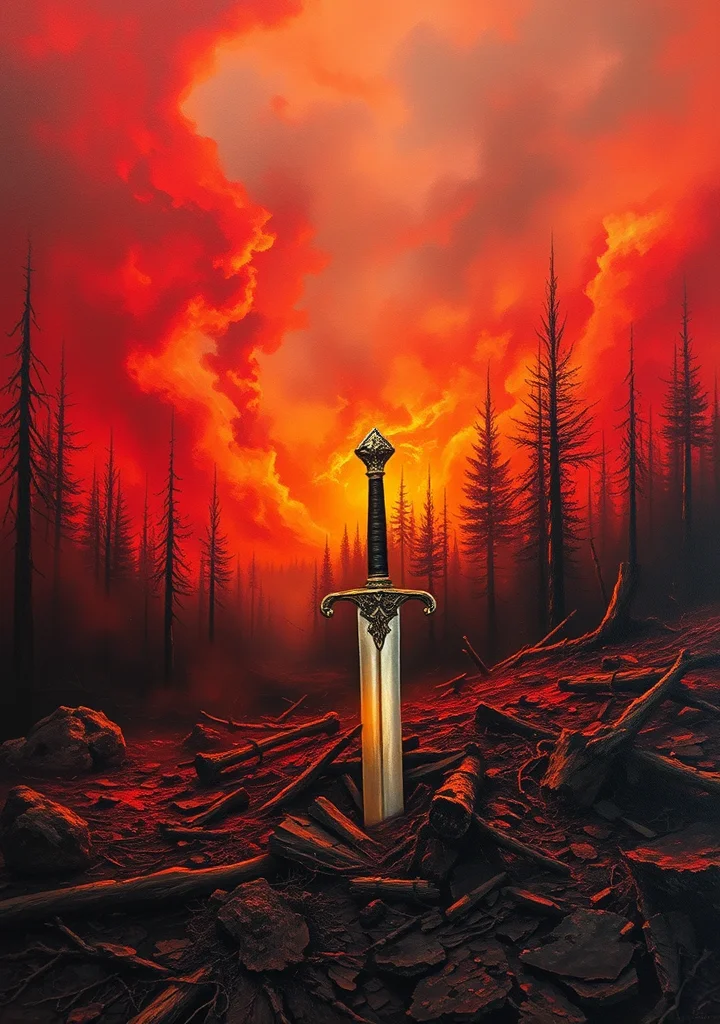
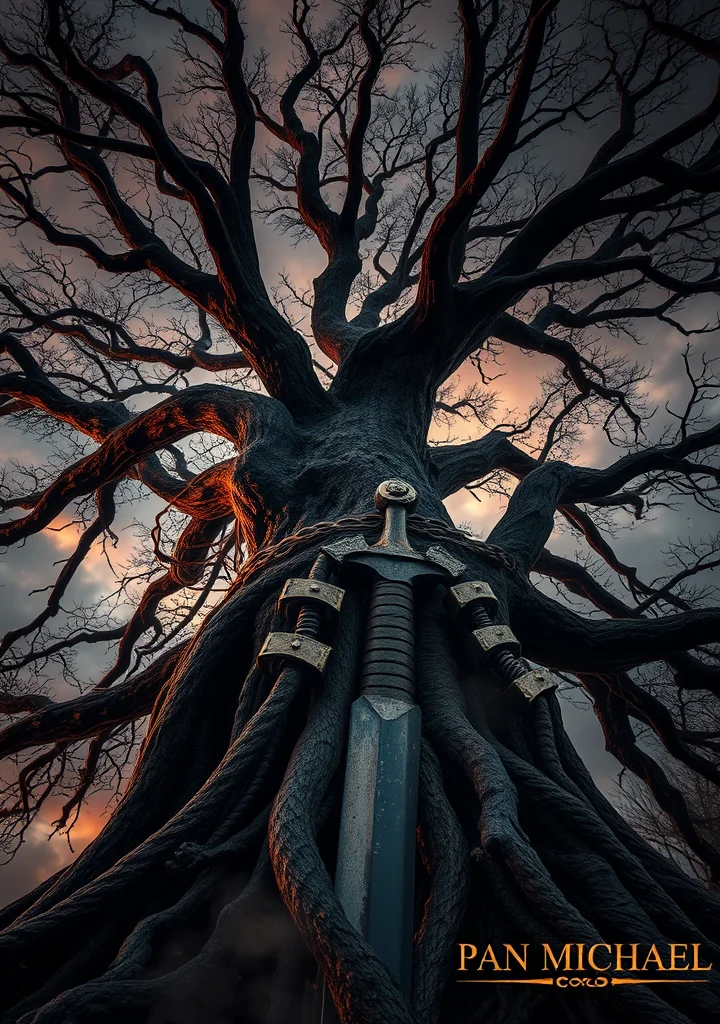
Dust motes dance in the perpetual twilight of a Poland besieged, clinging to the memory of a vanished golden age. The air hangs thick with the scent of woodsmoke and damp earth, mirroring the weight of ancestral oaths and simmering resentments. This is a land where honor is carved in oak and blood, where a single misstep can unravel generations of loyalty. The story unfolds not as a bright charge, but as a creeping shadow lengthening across decaying estates and haunted forests. A master swordsman, a phantom of righteous fury, emerges from the gentry’s slow burn of defiance – a man bound by duty yet haunted by loss. He moves through a landscape of half-ruined castles and whispering barrows, each victory bought with a chilling calculus of sacrifice. The narrative is woven with the rustle of sabres, the creak of leather, the desperate prayers muttered beneath the looming threat of invasion. It’s a world of spectral echoes, where the ghosts of fallen heroes linger in the cold stone walls, and the line between vengeance and despair blurs with every drop of crimson staining the snow. The heart beats not to the rhythm of drums, but to the slow, agonizing drip of a nation bleeding out its last embers of pride.

Copyright: Public Domain
This license allows anyone to use your story for any purpose, including printing, selling, or adapting it into a film freely.
Chapter List

63

Recommended for you
27 Part
A creeping dread clings to the emerald shadows of the jungle, a suffocating humidity that mirrors the suffocating weight of forgotten histories. Burroughs doesn’t merely return Tarzan to his primal kingdom, he delivers him back to a fractured, decaying Eden haunted by the ghosts of his own making. This is not the triumphant lord of the apes we recall, but a man shadowed by loss, driven by a desperate unraveling of alliances both human and bestial. The air hangs thick with the scent of rot and the whisper of ancient, vengeful gods. The narrative bleeds into a fever dream of betrayal amongst the tribes, where the lines between hunter and hunted blur into a crimson smear across the landscape. A malignant presence – a subtle, insidious corruption – festers within the very heart of the jungle, twisting familiar faces into masks of savage intent. The return isn’t a homecoming, it’s an intrusion, a violation of a balance poised on the precipice of collapse. Sun-drenched clearings give way to suffocating, vine-choked ravines, mirroring the descent into the protagonist’s own fractured psyche. Every rustle of leaves, every guttural cry from the depths of the forest, carries the echo of a past that refuses to remain buried. This is a jungle steeped in the residue of violence, where even the most primal instincts are tainted by a creeping, unspoken despair. It is a return not to paradise, but to a tomb of shattered expectations, where Tarzan must confront not just his enemies, but the hollowed-out shell of the man he once was.
62 Part
A creeping dread clings to the shadowed corners of Blackwood Manor, a place where laughter curdles into whispers and the scent of decay hangs heavy in the air. The estate’s master, a man known only as “Mike,” is a phantom draped in privilege and melancholy, his past a labyrinth of broken promises and hushed accusations. Rain lashes against the leaded windows, mirroring the storm brewing within the manor’s ancient walls. Each polished surface reflects not elegance, but a stifled despair, a rot beneath the veneer of wealth. The air is thick with the weight of unspoken secrets, and the estate’s few inhabitants move as ghosts through the dim hallways, their faces gaunt, their eyes haunted by a shared, unspoken terror. A fragile melody, played on a neglected pianoforte, echoes through the house like a dying breath, a mournful lament for a life lost to shadow. The gardens are overgrown, strangled by thorns, mirroring the tendrils of obsession that tighten around Mike’s heart. He is a collector of broken things— shattered dreams, abandoned affections, and the tarnished relics of a forgotten age—each object a shard of his own fractured soul. The manor itself seems to breathe with his sorrow, absorbing the darkness until the very stones weep with regret. A suffocating sense of inevitability descends with each passing hour, a slow, creeping realization that Blackwood Manor, and Mike, are already claimed by something ancient and unforgiving.
62 Part
Dust motes dance in the fading light of provincial chateaux, mirroring the slow decay of ambition and the brittle fragility of hope. These letters, unearthed from forgotten bureaux and damp attics, whisper of two women bound by circumstance and the suffocating weight of societal expectation. One, a bride purchased for lineage, haunted by the spectral echoes of a loveless marriage. The other, a bride of convenience, her youth traded for the preservation of a crumbling estate. The narrative unfolds not in grand pronouncements, but in the tremor of a penned word, the bleed of ink mirroring the slow erosion of their spirits. Each missive is a fragment of a fractured life, stained with the bitter residue of betrayal, the chill of isolation, and the gnawing desperation for a love that exists only in the shadowed corners of their dreams. A pervasive melancholy clings to the pages, thick as the fog that shrouds the ancestral homes. The air hangs heavy with the scent of dying roses and the unspoken resentments that fester beneath layers of silk and lace. The landscapes—bleak vineyards, crumbling manors, and the oppressive silence of shadowed forests—become extensions of the women's internal landscapes: barren, desolate, and haunted by the ghosts of promises broken. The letters themselves are not merely communication, but desperate pleas cast into a void, each echoing with the chilling realization that they are trapped within a labyrinth of obligation and despair, their fates inextricably intertwined with the decaying grandeur of a bygone era.