
-
Read 1.7K
-
0
-
Part 148
Completed, First published Mar 02, 2026
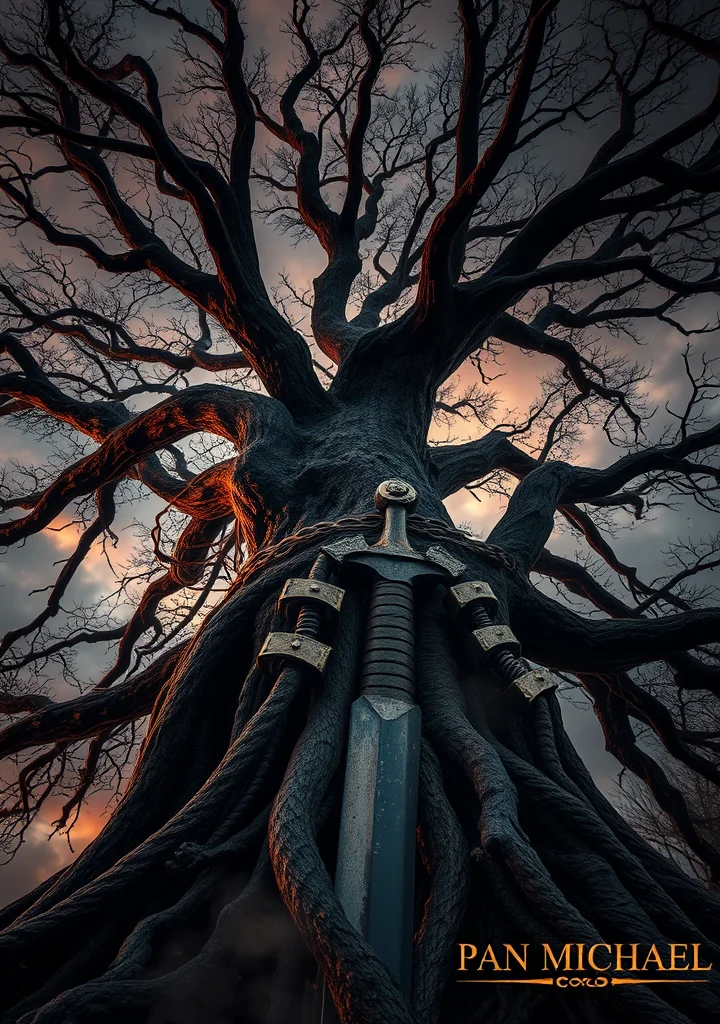
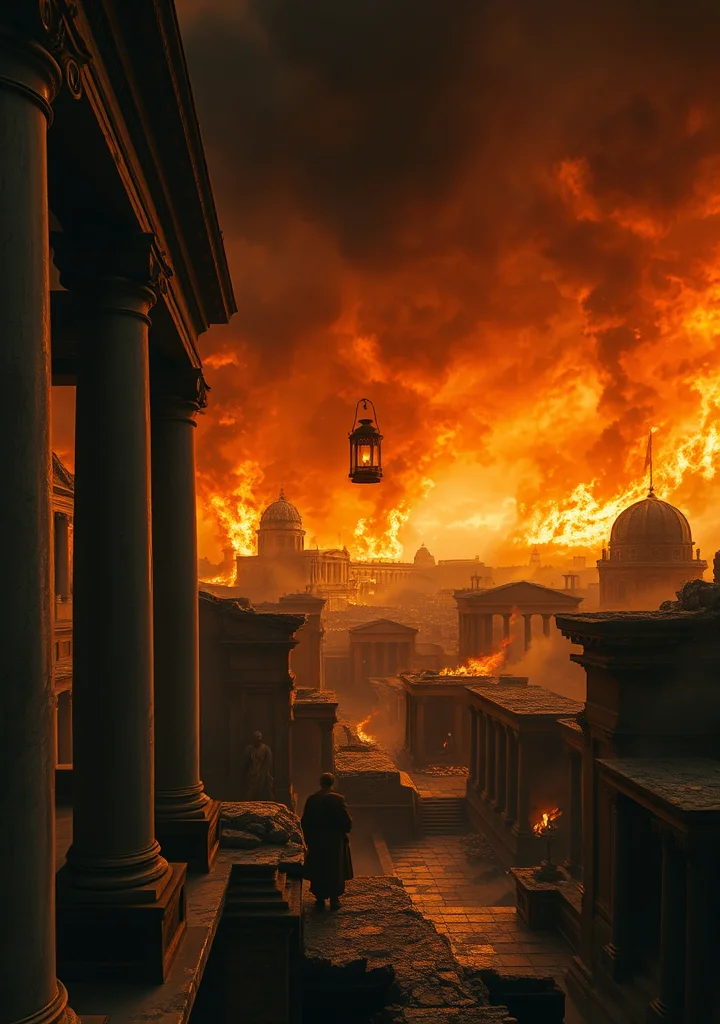
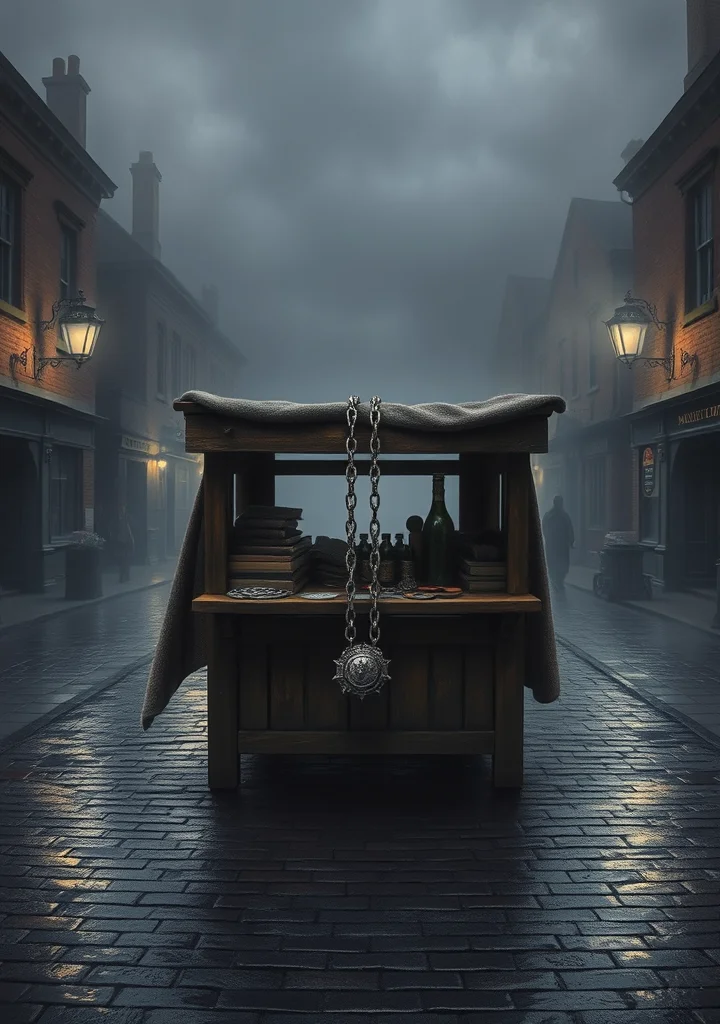
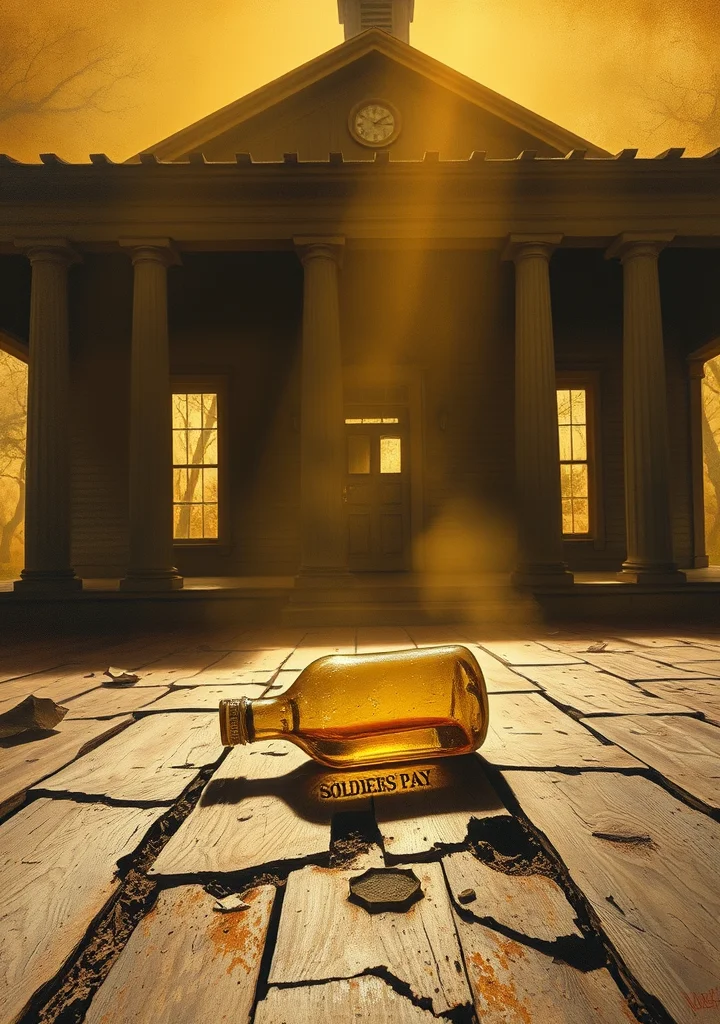
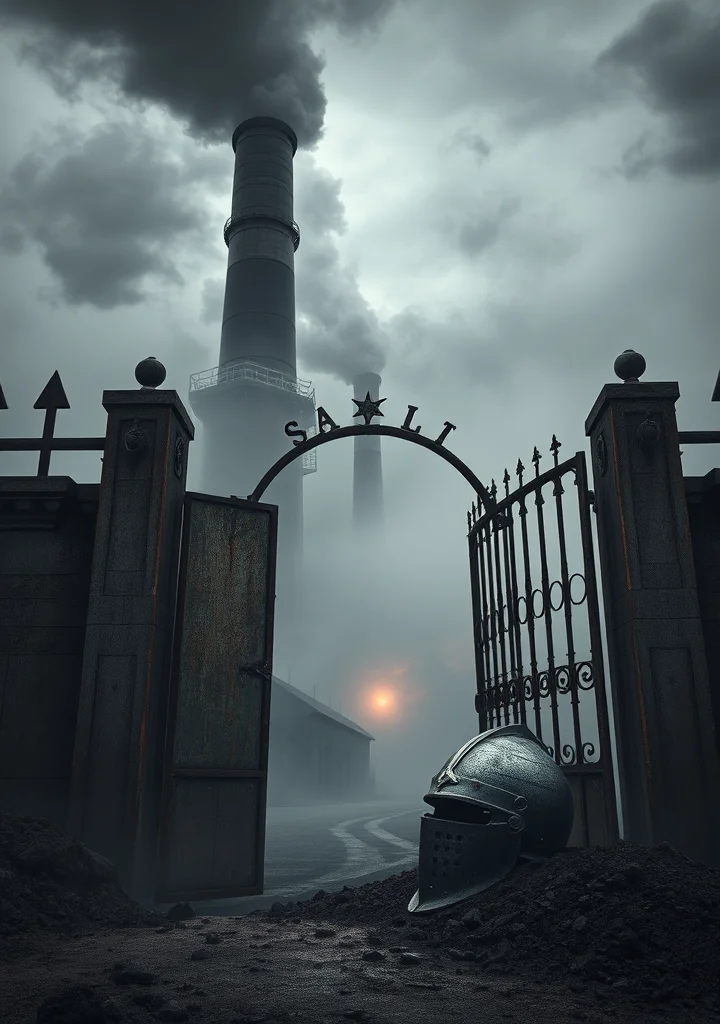
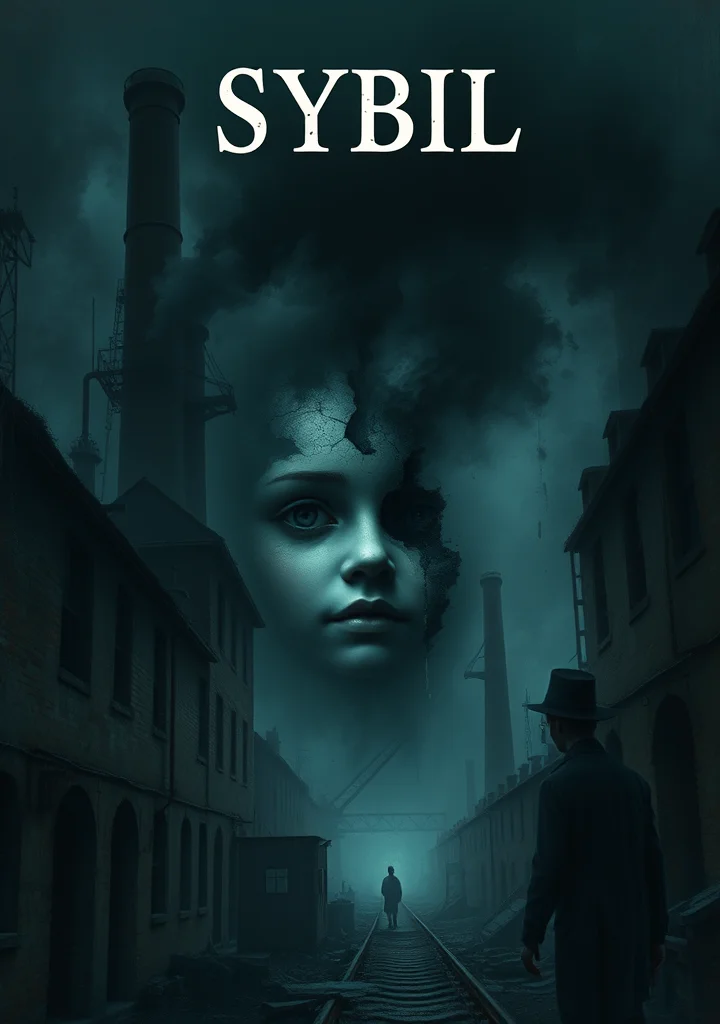
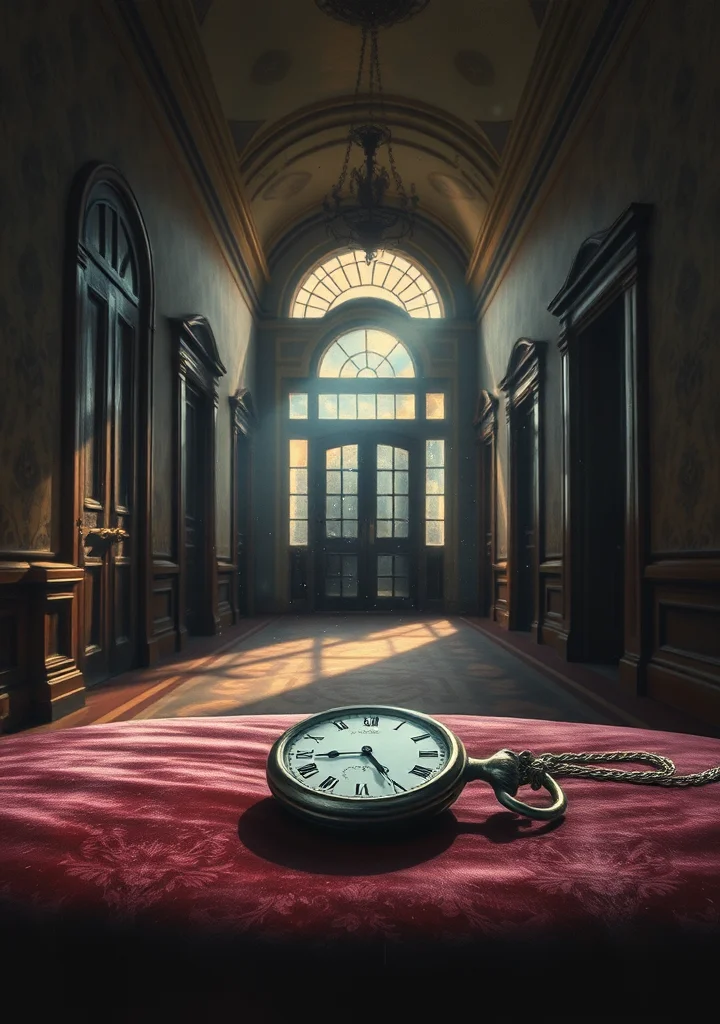
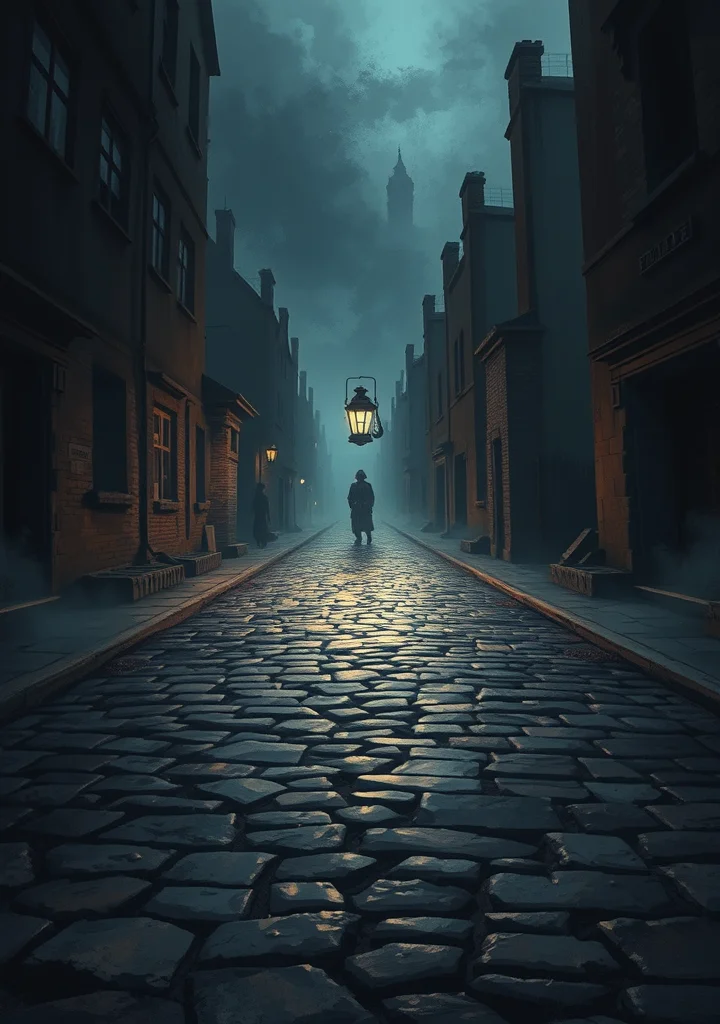
A creeping dread clings to the cobbled streets of a quiet English village as the world fractures along lines unseen. The narrative unfolds not as a heroic saga, but as a slow, insidious unraveling witnessed through the bewildered eyes of a provincial schoolmaster. It is a world haunted by shadows lengthening from the Great War, where the echoes of shattered men and broken empires seep into the very foundations of reality. Wells doesn’t offer explosions of spectacle, but a suffocating claustrophobia as the familiar dissolves into the monstrously new. The air thickens with a sense of cosmic wrongness, a disquieting awareness that the fabric of existence is fraying. Each chapter feels like a descent into a half-remembered nightmare, punctuated by the brittle sanity of a man desperately clinging to reason as the boundaries between life and death, the mundane and the monstrous, blur into an unholy, creeping grey. The novel’s horror isn’t found in gore or overt terror, but in the insidious erosion of certainty, the quiet dread of a world where the unthinkable has not merely occurred, but *become*. It is a world where the everyday is tainted by the impossible, and the only certainty is the growing, suffocating sense of being utterly, irrevocably lost.
Copyright: Public Domain
This license allows anyone to use your story for any purpose, including printing, selling, or adapting it into a film freely.
This license allows anyone to use your story for any purpose, including printing, selling, or adapting it into a film freely.
Chapter List
-
« I »📖 Continue Reading
-
« §1 »
-
« §2 »
-
« §3 »
-
« §4 »
-
« §5 »
-
« §6 »
-
« §7 »
-
« §8 »
-
« §9 »
-
« §10 »
-
« §11 »
-
« §12 »
-
« §1 »
-
« §2 »
-
« §3 »
-
« §4 »
-
« §5 »
-
« §6 »
-
« §7 »
-
« §8 »
-
« §9 »
-
« §10 »
-
« §11 »
-
« §1 »
-
« §2 »
-
« §3 »
-
« §4 »
-
« §5 »
-
« §6 »
-
« §7 »
-
« §8 »
-
« §1 »
-
« §2 »
-
« §3 »
-
« §4 »
-
« §5 »
-
« §6 »
-
« §7 »
-
« §8 »
-
« §1 »
-
« §2 »
-
« §3 »
-
« §4 »
-
« §5 »
-
« §6 »
-
« §7 »
-
« §8 »
-
« §9 »
-
« §10 »
-
« §11 »
-
« §12 »
-
« §13 »
-
« §14 »
-
« §15 »
-
« §1 »
-
« §2 »
-
« §3 »
-
« §4 »
-
« §5 »
-
« §6 »
-
« §7 »
-
« §8 »
-
« §9 »
-
« §10 »
-
« §11 »
-
« §12 »
-
« §13 »
-
« §14 »
-
« §15 »
-
« §16 »
-
« §17 »
-
« §18 »
-
« §1 »
-
« §2 »
-
« §3 »
-
« §4 »
-
« §5 »
-
« §6 »
-
« §7 »
-
« §8 »
-
« §9 »
-
« §10 »
-
« §11 »
-
« §1 »
-
« §2 »
-
« §3 »
-
« §4 »
-
« §5 »
-
« §6 »
-
« §7 »
-
« §8 »
-
« §9 »
-
« §10 »
-
« §11 »
-
« §12 »
-
« §1 »
-
« §2 »
-
« §3 »
-
« §4 »
-
« §5 »
-
« §6 »
-
« §7 »
-
« §8 »
-
« §9 »
-
« §10 »
-
« §11 »
-
« §12 »
-
« §13 »
-
« §14 »
-
« §15 »
-
« §16 »
-
« §17 »
-
« §18 »
-
« §19 »
-
« §20 »
-
« §21 »
-
« §22 »
-
« §23 »
-
« §24 »
-
« §25 »
-
« §26 »
-
« §1 »
-
« §2 »
-
« §3 »
-
« §4 »
-
« §5 »
-
« §6 »
-
« §7 »
-
« §8 »
-
« §9 »
-
« §10 »
-
« §11 »
-
« §12 »
-
« §13 »
-
« §14 »
-
« §1 »
-
« §2 »
-
« §3 »
-
« §4 »
-
« §5 »
-
« §6 »
-
« §7 »
-
« §8 »
-
« §9 »
-
« §10 »
-
« §11 »
-
« §12 »
148
-
« I »
-
« §1 »
-
« §2 »
-
« §3 »
-
« §4 »
-
« §5 »
-
« §6 »
-
« §7 »
-
« §8 »
-
« §9 »
-
« §10 »
-
« §11 »
-
« §12 »
-
« §1 »
-
« §2 »
-
« §3 »
-
« §4 »
-
« §5 »
-
« §6 »
-
« §7 »
-
« §8 »
-
« §9 »
-
« §10 »
-
« §11 »
-
« §1 »
-
« §2 »
-
« §3 »
-
« §4 »
-
« §5 »
-
« §6 »
-
« §7 »
-
« §8 »
-
« §1 »
-
« §2 »
-
« §3 »
-
« §4 »
-
« §5 »
-
« §6 »
-
« §7 »
-
« §8 »
-
« §1 »
-
« §2 »
-
« §3 »
-
« §4 »
-
« §5 »
-
« §6 »
-
« §7 »
-
« §8 »
-
« §9 »
-
« §10 »
-
« §11 »
-
« §12 »
-
« §13 »
-
« §14 »
-
« §15 »
-
« §1 »
-
« §2 »
-
« §3 »
-
« §4 »
-
« §5 »
-
« §6 »
-
« §7 »
-
« §8 »
-
« §9 »
-
« §10 »
-
« §11 »
-
« §12 »
-
« §13 »
-
« §14 »
-
« §15 »
-
« §16 »
-
« §17 »
-
« §18 »
-
« §1 »
-
« §2 »
-
« §3 »
-
« §4 »
-
« §5 »
-
« §6 »
-
« §7 »
-
« §8 »
-
« §9 »
-
« §10 »
-
« §11 »
-
« §1 »
-
« §2 »
-
« §3 »
-
« §4 »
-
« §5 »
-
« §6 »
-
« §7 »
-
« §8 »
-
« §9 »
-
« §10 »
-
« §11 »
-
« §12 »
-
« §1 »
-
« §2 »
-
« §3 »
-
« §4 »
-
« §5 »
-
« §6 »
-
« §7 »
-
« §8 »
-
« §9 »
-
« §10 »
-
« §11 »
-
« §12 »
-
« §13 »
-
« §14 »
-
« §15 »
-
« §16 »
-
« §17 »
-
« §18 »
-
« §19 »
-
« §20 »
-
« §21 »
-
« §22 »
-
« §23 »
-
« §24 »
-
« §25 »
-
« §26 »
-
« §1 »
-
« §2 »
-
« §3 »
-
« §4 »
-
« §5 »
-
« §6 »
-
« §7 »
-
« §8 »
-
« §9 »
-
« §10 »
-
« §11 »
-
« §12 »
-
« §13 »
-
« §14 »
-
« §1 »
-
« §2 »
-
« §3 »
-
« §4 »
-
« §5 »
-
« §6 »
-
« §7 »
-
« §8 »
-
« §9 »
-
« §10 »
-
« §11 »
-
« §12 »
More like this