
-
Read 1K
-
0
-
Part 71
Completed, First published Mar 02, 2026
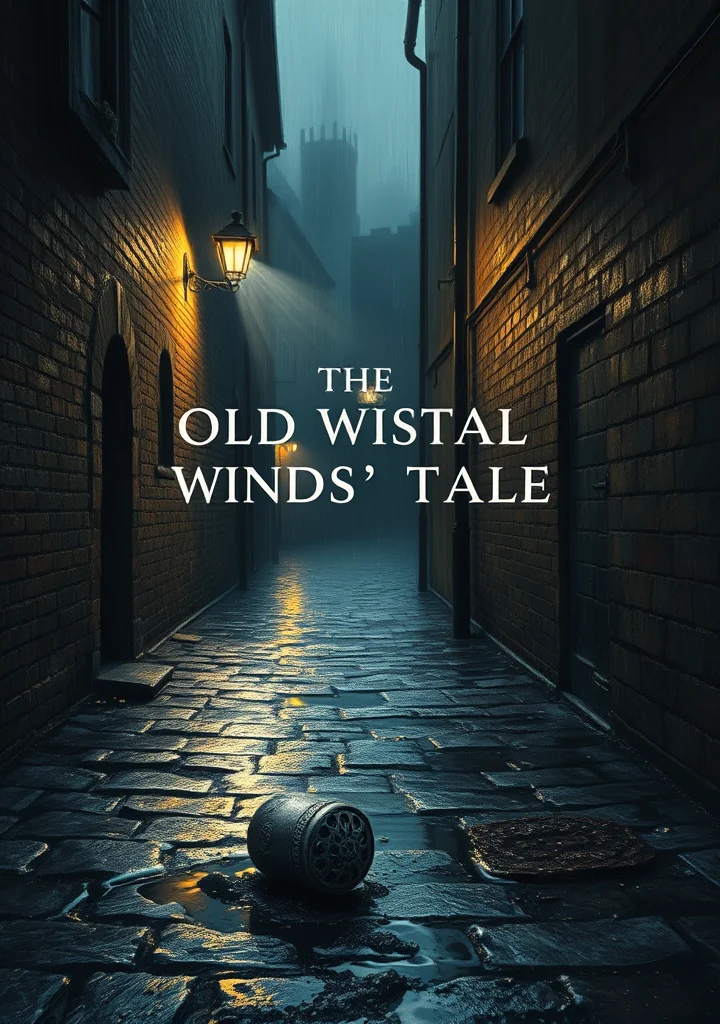
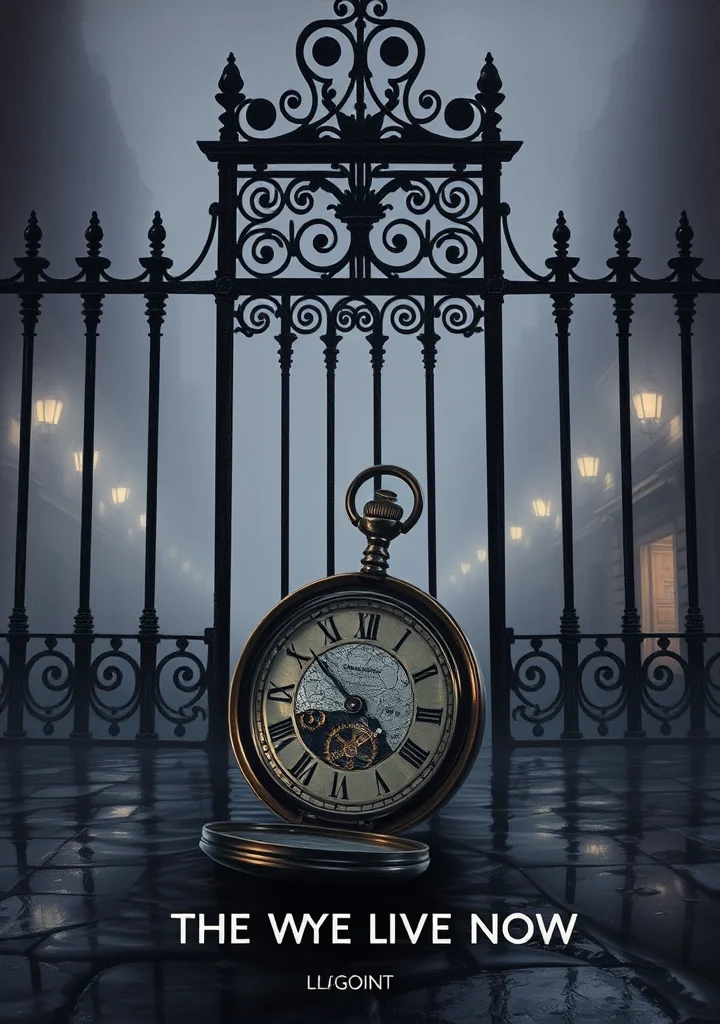
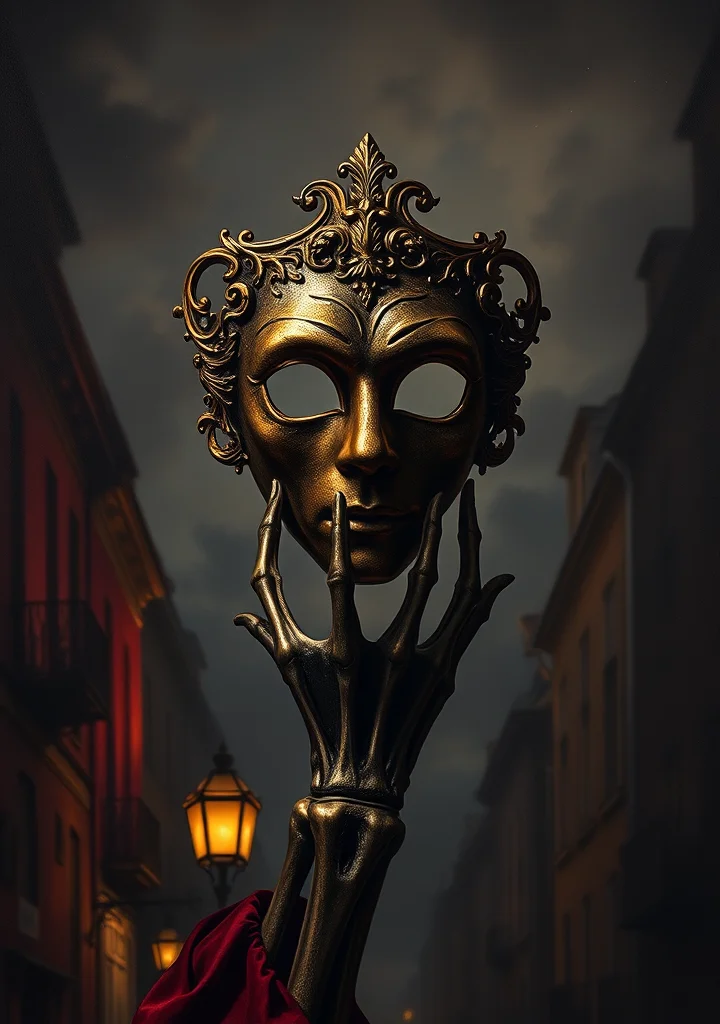
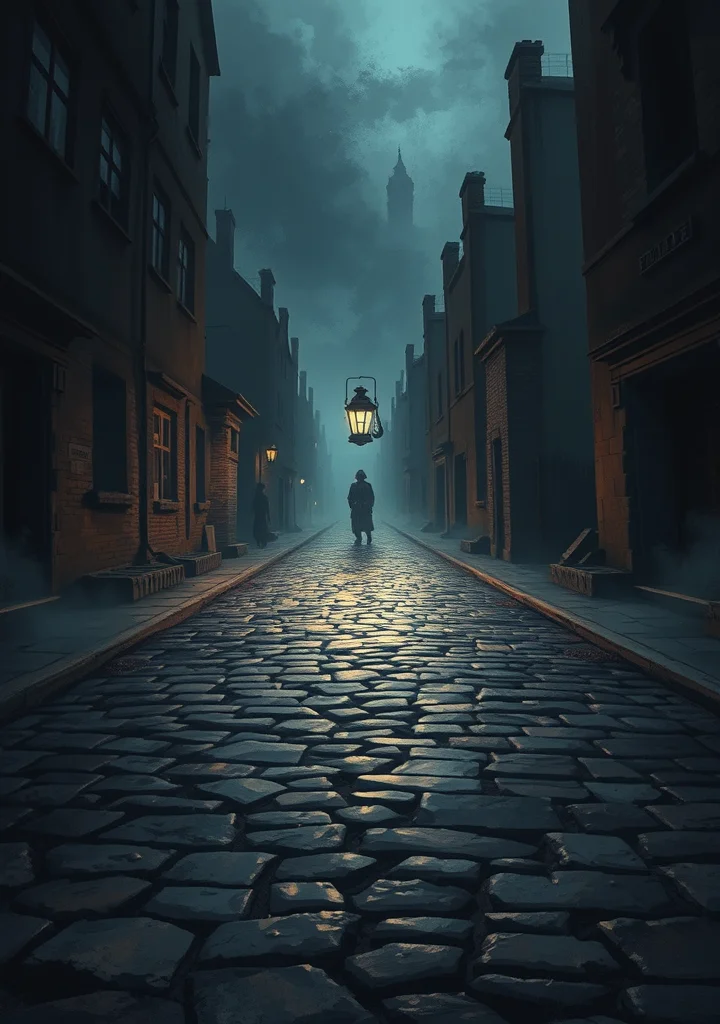
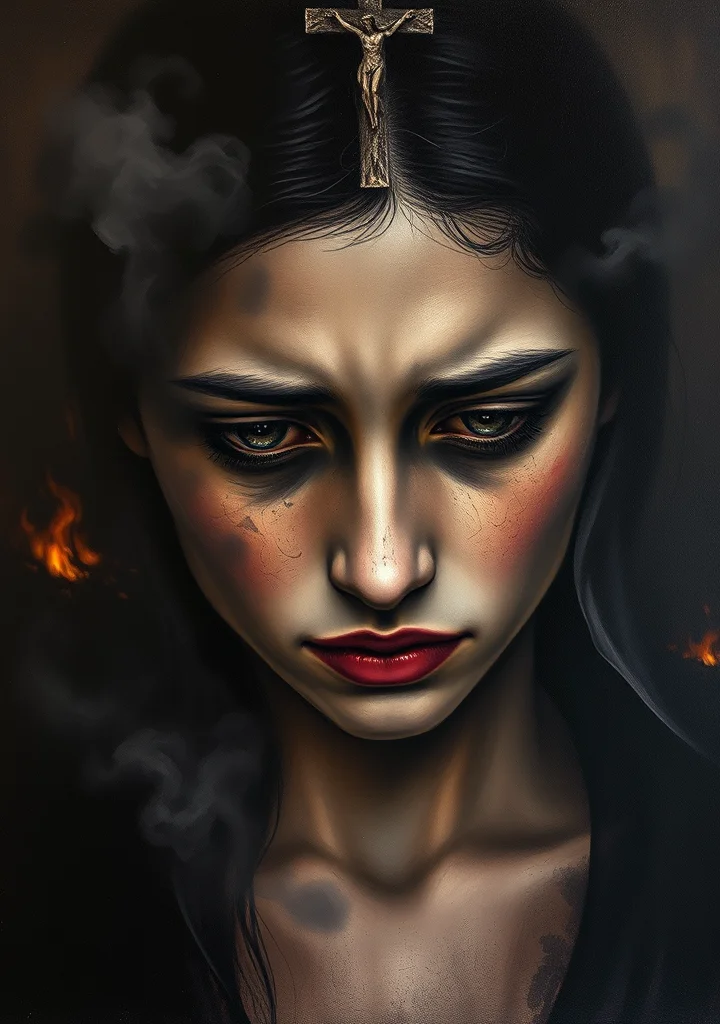
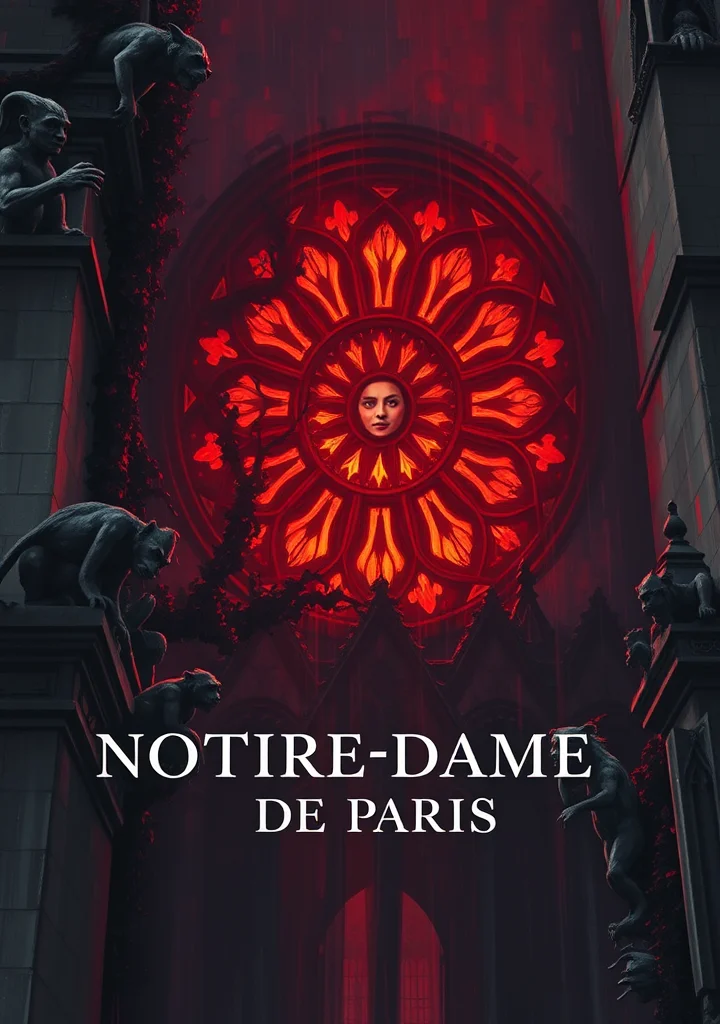
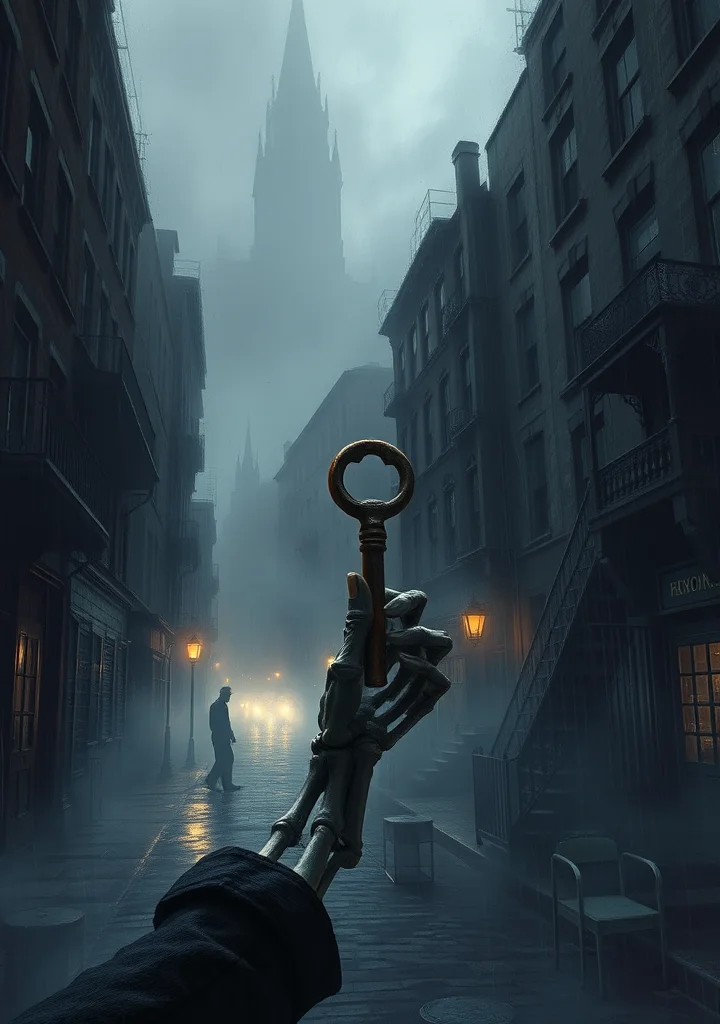
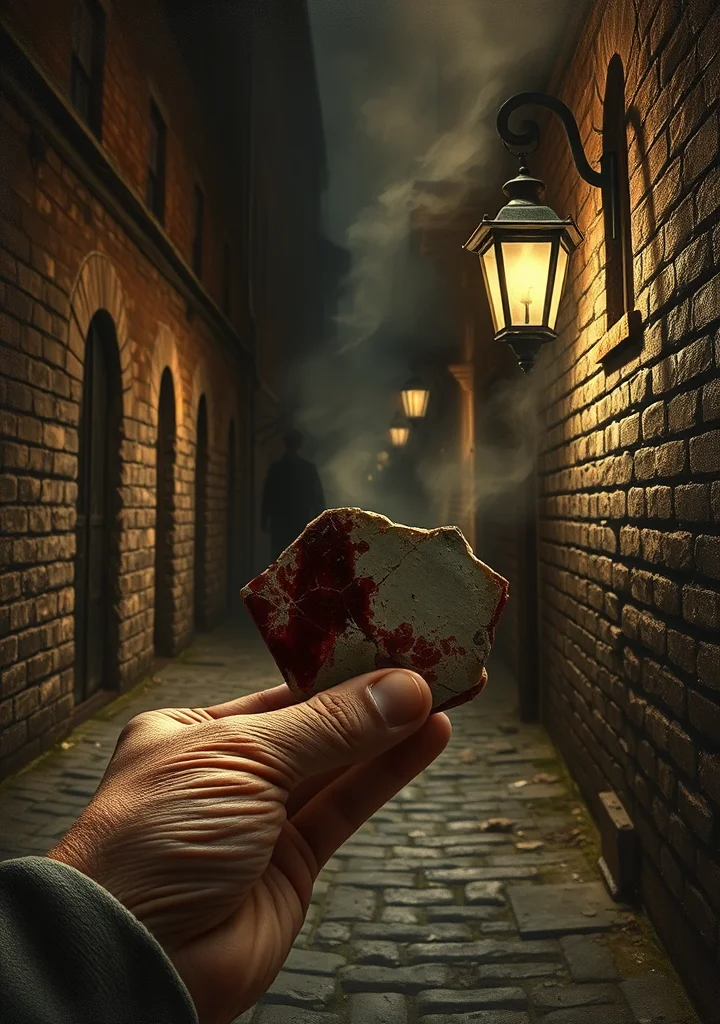
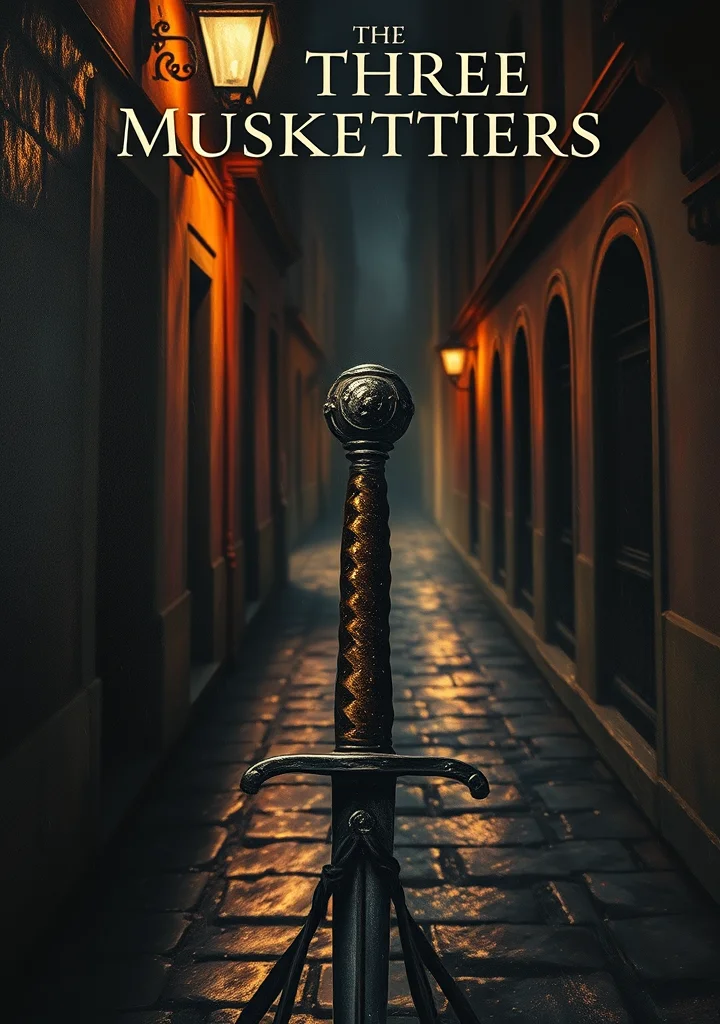
Dust motes dance in the gaslight of Parisian alleyways, mirroring the frantic pulse of a city teetering on the edge of royal intrigue. Shadows cling to the cobblestones, thick with the scent of spilled wine and simmering discontent. A feverish energy grips the narrative, not of grand battles but of whispered accusations, desperate gambits played out in the echoing chambers of power. The musketeers themselves – ghosts haunting the periphery of Louis XIII’s court – are less champions of valor and more creatures of the twilight, bound by loyalty forged in the crucible of near-death. Each duel is a breath held in a suffocating room, each victory a reprieve bought with the currency of recklessness. The Cardinal’s machinations weave a tapestry of paranoia, staining the very stones of the Louvre with suspicion. A pervasive chill settles upon the reader, born not of winter’s grasp, but of the knowledge that every gilded smile masks a treacherous intent. The narrative bleeds into a labyrinth of secret passages, concealed identities, and the constant, gnawing fear of betrayal. It’s a world where honor is a brittle shield against the encroaching darkness, and the clash of steel is but a fleeting spark in the suffocating gloom. The air itself tastes of gunpowder and regret, clinging to the throat like a shroud.
Copyright: Public Domain
This license allows anyone to use your story for any purpose, including printing, selling, or adapting it into a film freely.
This license allows anyone to use your story for any purpose, including printing, selling, or adapting it into a film freely.
Chapter List
-
« The Three Musketeers »📖 Continue Reading
-
« Chapter_3 »
-
« The Three Musketeers »
-
« I »
-
« II »
-
« III »
-
« IV »
-
« V »
-
« VI »
-
« VII »
-
« VIII »
-
« IX »
-
« X »
-
« XI »
-
« XII »
-
« XIII »
-
« XIV »
-
« XV »
-
« XVI »
-
« XVII »
-
« XVIII »
-
« XIX »
-
« XX »
-
« XXI »
-
« XXII »
-
« XXIII »
-
« XXIV »
-
« XXV »
-
« XXVI »
-
« XXVII »
-
« XXVIII »
-
« XXIX »
-
« XXX »
-
« XXXI »
-
« XXXII »
-
« XXXIII »
-
« XXXIV »
-
« XXXV »
-
« XXXVI »
-
« XXXVII »
-
« XXXVIII »
-
« XXXIX »
-
« XL »
-
« XLI »
-
« XLII »
-
« XLIII »
-
« XLIV »
-
« XLV »
-
« XLVI »
-
« XLVII »
-
« XLVIII »
-
« XLIX »
-
« L »
-
« LI »
-
« LII »
-
« LIII »
-
« LIV »
-
« LV »
-
« LVI »
-
« LVII »
-
« LVIII »
-
« LIX »
-
« LX »
-
« LXI »
-
« LXII »
-
« LXIII »
-
« LXIV »
-
« LXV »
-
« LXVI »
-
« LXVII »
-
« Epilogue »
71
-
« The Three Musketeers »
-
« Chapter_3 »
-
« The Three Musketeers »
-
« I »
-
« II »
-
« III »
-
« IV »
-
« V »
-
« VI »
-
« VII »
-
« VIII »
-
« IX »
-
« X »
-
« XI »
-
« XII »
-
« XIII »
-
« XIV »
-
« XV »
-
« XVI »
-
« XVII »
-
« XVIII »
-
« XIX »
-
« XX »
-
« XXI »
-
« XXII »
-
« XXIII »
-
« XXIV »
-
« XXV »
-
« XXVI »
-
« XXVII »
-
« XXVIII »
-
« XXIX »
-
« XXX »
-
« XXXI »
-
« XXXII »
-
« XXXIII »
-
« XXXIV »
-
« XXXV »
-
« XXXVI »
-
« XXXVII »
-
« XXXVIII »
-
« XXXIX »
-
« XL »
-
« XLI »
-
« XLII »
-
« XLIII »
-
« XLIV »
-
« XLV »
-
« XLVI »
-
« XLVII »
-
« XLVIII »
-
« XLIX »
-
« L »
-
« LI »
-
« LII »
-
« LIII »
-
« LIV »
-
« LV »
-
« LVI »
-
« LVII »
-
« LVIII »
-
« LIX »
-
« LX »
-
« LXI »
-
« LXII »
-
« LXIII »
-
« LXIV »
-
« LXV »
-
« LXVI »
-
« LXVII »
-
« Epilogue »
More like this