
-
Read 784
-
0
-
Part 60
Completed, First published Mar 02, 2026
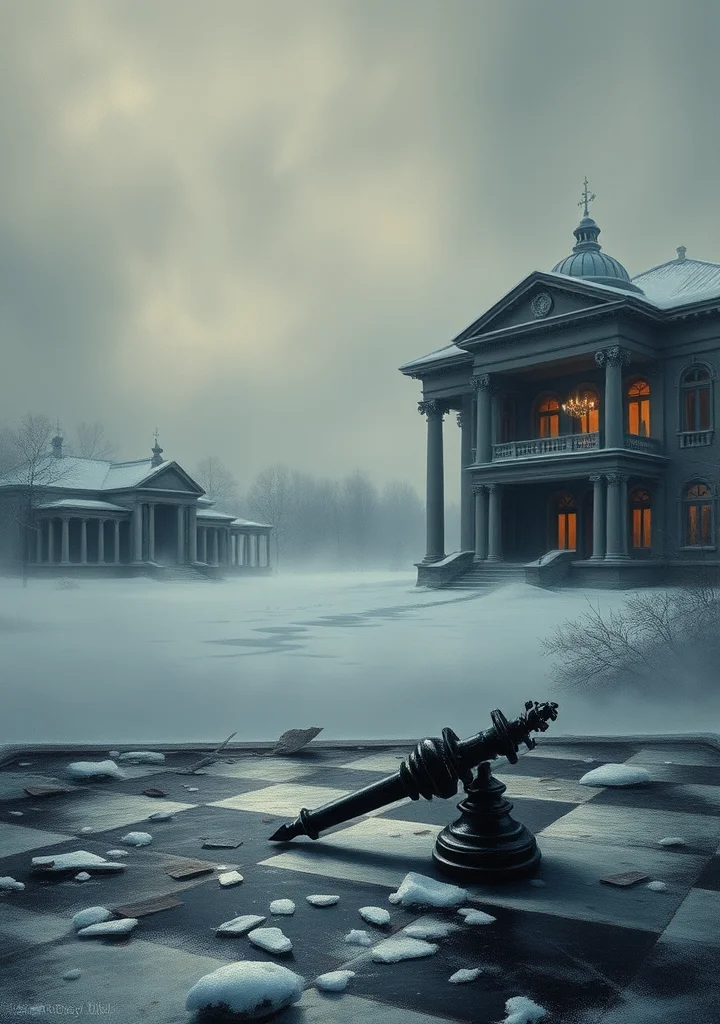
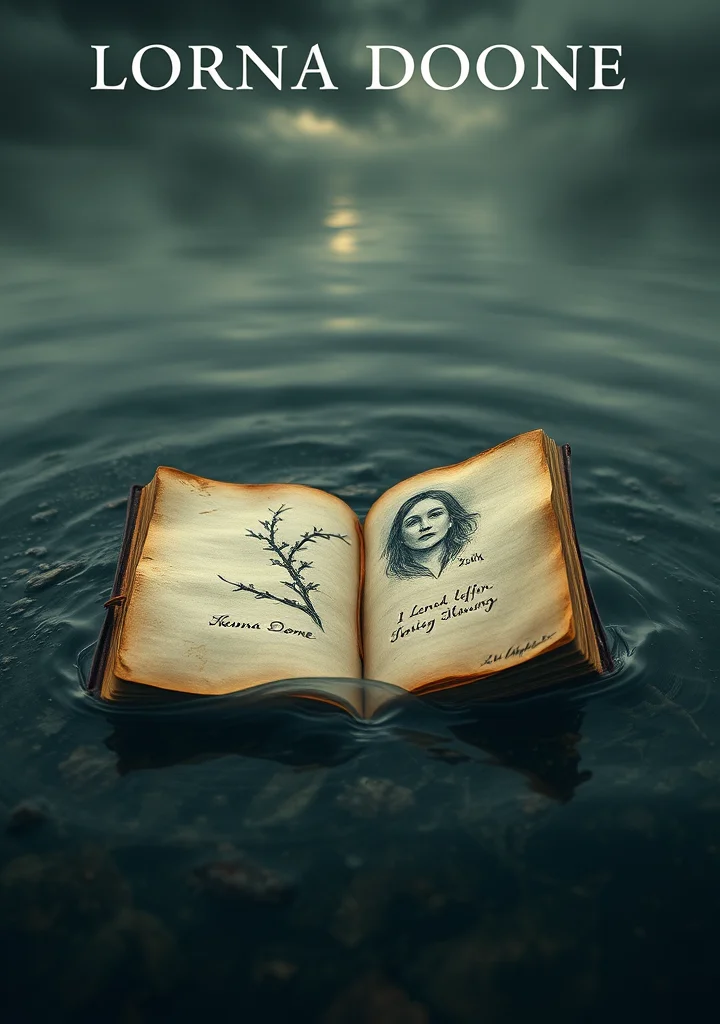
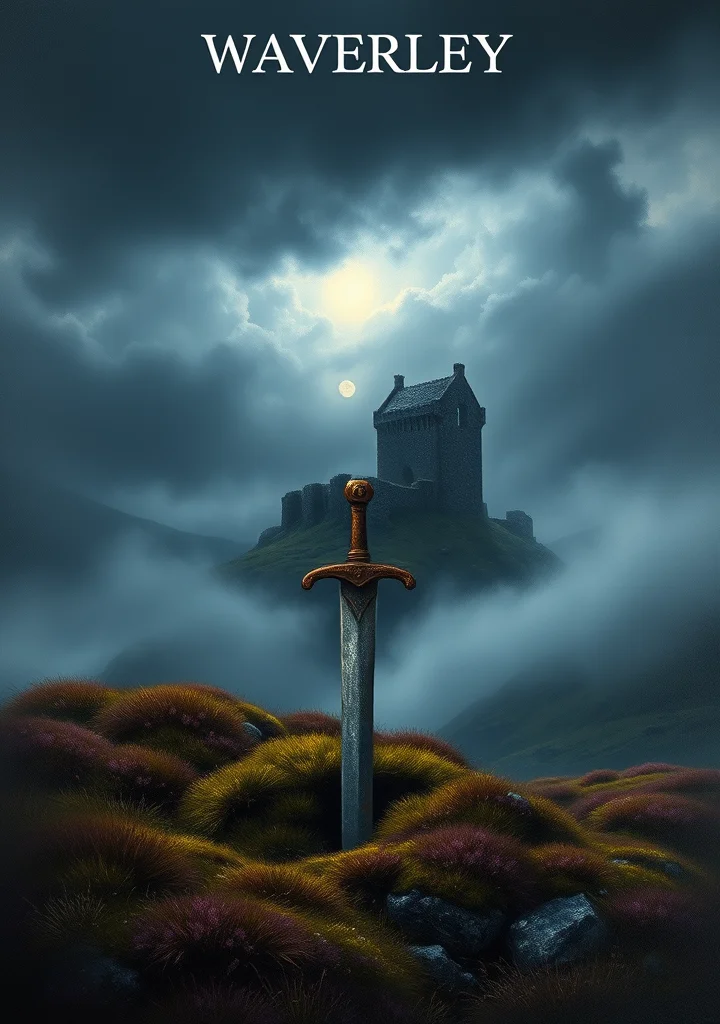
A bruised, autumnal light clings to the Wessex countryside, mirroring the melancholic drift of lives entangled in the shadow of Egdon Heath. Here, amidst the crumbling stone of ancient barrows and the whispering gorse, a young woman’s spirit chafes against the rigid confines of rural expectation. The air hangs thick with the scent of damp earth and woodsmoke, a tangible weight pressing down on every transaction, every glance. It is a world where fortunes are built on the backs of sheep, and where a single, ill-timed gesture can fracture a lineage. The narrative coils like a fog, obscuring motives and leaving intentions bleeding into the peat-browned landscape. A sense of isolation permeates every chapter, not merely of physical distance, but of hearts locked away from understanding. Every harvest, every fair, every stolen moment under the watchful gaze of the stars, feels haunted by a premonition of loss. The story unfolds less as a chronicle of events, and more as an erosion of hope, a slow decay witnessed through rain-streaked windows and the hollow echo of distant bells. It is a world where the boundaries between belonging and exile blur until only the desolate expanse of the heath remains as witness.
Copyright: Public Domain
This license allows anyone to use your story for any purpose, including printing, selling, or adapting it into a film freely.
This license allows anyone to use your story for any purpose, including printing, selling, or adapting it into a film freely.
Chapter List
-
« Far from the Madding Crowd »📖 Continue Reading
-
« Preface »
-
« Far from the Madding Crowd »
-
« I »
-
« II »
-
« III »
-
« IV »
-
« V »
-
« VI »
-
« VII »
-
« VIII »
-
« IX »
-
« X »
-
« XI »
-
« XII »
-
« XIII »
-
« XIV »
-
« XV »
-
« XVI »
-
« XVII »
-
« XVIII »
-
« XIX »
-
« XX »
-
« XXI »
-
« XXII »
-
« XXIII »
-
« XXIV »
-
« XXV »
-
« XXVI »
-
« XXVII »
-
« XXVIII »
-
« XXIX »
-
« XXX »
-
« XXXI »
-
« XXXII »
-
« XXXIII »
-
« XXXIV »
-
« XXXV »
-
« XXXVI »
-
« XXXVII »
-
« XXXVIII »
-
« XXXIX »
-
« XL »
-
« XLI »
-
« XLII »
-
« XLIII »
-
« XLIV »
-
« XLV »
-
« XLVI »
-
« XLVII »
-
« XLVIII »
-
« XLIX »
-
« L »
-
« LI »
-
« LII »
-
« LIII »
-
« LIV »
-
« LV »
-
« LVI »
-
« LVII »
60
-
« Far from the Madding Crowd »
-
« Preface »
-
« Far from the Madding Crowd »
-
« I »
-
« II »
-
« III »
-
« IV »
-
« V »
-
« VI »
-
« VII »
-
« VIII »
-
« IX »
-
« X »
-
« XI »
-
« XII »
-
« XIII »
-
« XIV »
-
« XV »
-
« XVI »
-
« XVII »
-
« XVIII »
-
« XIX »
-
« XX »
-
« XXI »
-
« XXII »
-
« XXIII »
-
« XXIV »
-
« XXV »
-
« XXVI »
-
« XXVII »
-
« XXVIII »
-
« XXIX »
-
« XXX »
-
« XXXI »
-
« XXXII »
-
« XXXIII »
-
« XXXIV »
-
« XXXV »
-
« XXXVI »
-
« XXXVII »
-
« XXXVIII »
-
« XXXIX »
-
« XL »
-
« XLI »
-
« XLII »
-
« XLIII »
-
« XLIV »
-
« XLV »
-
« XLVI »
-
« XLVII »
-
« XLVIII »
-
« XLIX »
-
« L »
-
« LI »
-
« LII »
-
« LIII »
-
« LIV »
-
« LV »
-
« LVI »
-
« LVII »
More like this