
Vanity Fair
  • 365
  • 0
  • 69
  • Reads 365
  • 0
  • Part 69
Completed, First published Mar 02, 2026

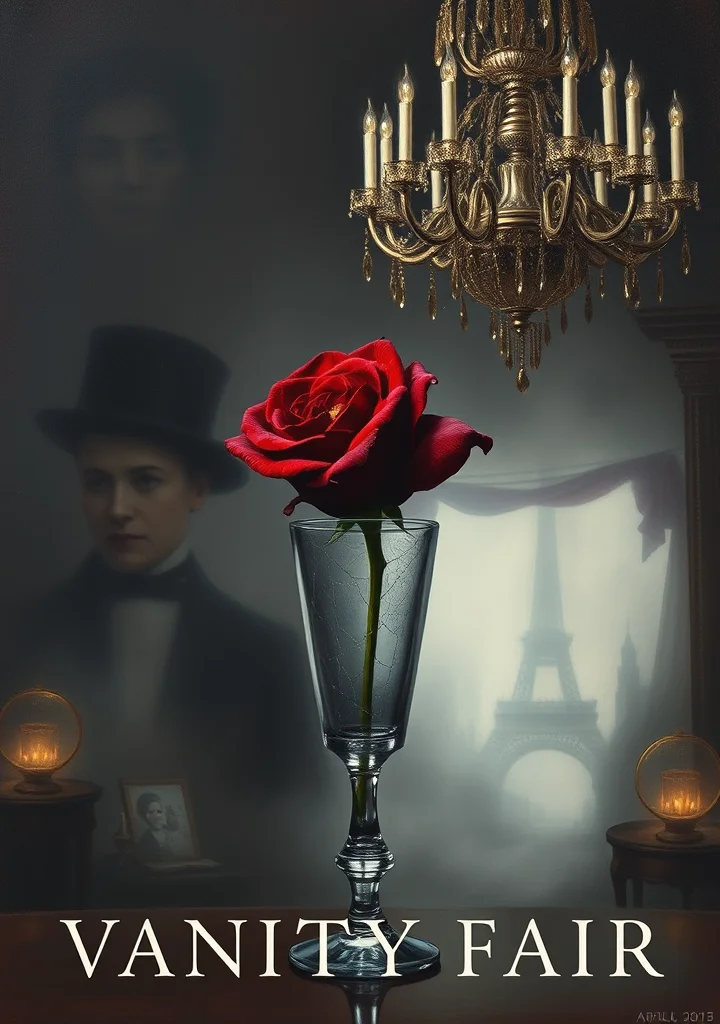
A fog-choked London, glimpsed through the gilded bars of ambition. The air hangs thick with the scent of decaying lace and the whispers of compromised fortunes. Here, characters drift like specters in a grand ballroom, their smiles masking a hunger that gnaws at the edges of propriety. It is a world where birthrights crumble to dust, and a shrewd glance can elevate or annihilate a soul. The narrative weaves through shadowed drawing rooms and bustling, anonymous markets, a relentless mirroring of surfaces—beauty concealing avarice, charm veiling ruin. A creeping melancholy clings to every transaction, every calculated marriage, every desperate plea for social ascension. The story unfolds not as a linear descent into darkness, but as a slow, insidious erosion of morality, a chilling testament to how easily grace can curdle into avarice, and how readily a heart can be swallowed by the vanity of its own making. The very fabric of society feels tainted, haunted by the ghosts of debts unpaid and reputations shattered, leaving a lingering chill long after the final page is turned.
Copyright: Public Domain
This license allows anyone to use your story for any purpose, including printing, selling, or adapting it into a film freely.
Chapter List

69

Recommended for you
59 Part
A creeping fog clings to the ancestral halls of Blandings Castle, not of mist, but of expectation – expectation of scandal, of clandestine engagements, of fortunes lost and won on the whims of porcine deities. The air hangs thick with the scent of prize-winning swine, damp earth, and the simmering discontent of a household teetering on the brink of absurdity. This is a world where shadows stretch long and lean, cast by the imposing figures of Galahad Payn, Lord Blandings, and his perpetually exasperated secretary, Beach. Within this suffocating atmosphere of rural decay, a phantom of indolence drifts: Psmith, a gentleman of exquisite apathy, whose arrival unravels the threads of propriety with a languid smile. He is an observer, a catalyst, a master of the subtly disruptive. His influence seeps into the castle's very stones, stirring up the dust of forgotten grievances and the embers of reckless ambition. The narrative unfolds not as a straightforward progression, but as a slow unraveling – a tapestry of whispered plots, stolen glances, and the unnerving stillness of long afternoons. Every room breathes with the weight of inherited secrets, every garden path conceals a hidden tryst. A sense of looming, mischievous chaos pervades, threatening to engulf the rigid order of Blandings in a tide of good-natured, utterly ruinous delight. The very estate feels haunted by the possibility of a perfectly executed, exquisitely pointless rebellion. It’s a darkness lit by the wry, cynical brilliance of Psmith’s knowing gaze.
23 Part
The bog breathes cold, a peat-thickened air clinging to the stones of the O’Gill cottage. This is a land where the boundaries between worlds blur with the mist, where laughter echoes from hollow hills and shadows dance with a chilling grace. Old Darby, a man woven into the very fabric of the glen, knows the Good People are real – not sprites of childish tales, but ancient, capricious beings demanding respect, and offering glimpses of a beauty that steals the heart and leaves it aching with longing. Each tale is a trespass into their realm, a slow unraveling of the veil. The hearth fire flickers against the encroaching darkness as Darby’s sons, haunted by stolen coins and promises made in the gloaming, begin to understand the cost of bargains struck with eyes of emerald light. The woods themselves become a labyrinth of whispered warnings, of paths that vanish into the heart of the hills, and of a king’s court held in a cavern echoing with forgotten songs. A creeping dread settles with the dew, a sense of being watched by something old and hungry. The narrative is laced with the scent of damp earth and the melancholy chime of fairy bells, building to a final, desperate race against the fading light, where the fate of a family, and perhaps something far older, hangs upon a single, stolen prize. This is a place where kindness can be its own snare, and the most beautiful things are born of a chilling, otherworldly bargain.
17 Part
The crumbling grandeur of Old Chicago bleeds into the shadowed alleys where ghosts of ambition and regret cling to brick and steel. Leiber’s Big Time isn’t a future of chrome and efficiency, but a slow rot of decay masking a desperate, fractured empire. The air hangs thick with the metallic tang of ozone and the phantom scent of long-dead gods. Every shadowed doorway promises a bargain struck with entities older than humanity, deals paid for in stolen years and fractured sanity. This isn't about conquest, but about scavenging for scraps of power in a landscape where the lines between reality and illusion blur with each passing hour. The city itself is a wound, pulsing with the fever dreams of those who clawed their way to the top, only to find the view from the penthouse a desolate vista of echoing emptiness. The narrative unfolds in a twilight of collapsing timelines and borrowed lives, where identities are traded like trinkets and the cost of immortality is measured in lost souls. The narrative breathes with a suffocating claustrophobia, the weight of the city pressing down, threatening to swallow its inhabitants whole. It’s a world where every victory is tainted by loss, every alliance forged in treachery, and the only certainty is the creeping dread of something ancient and hungry stirring in the ruins. The shadows don’t just hide monsters; they *are* the monsters, woven into the very fabric of this decaying, timeless metropolis.

14 Part
A creeping fog clings to the cobblestones of London, mirroring the moral murk that settles upon Major Barbara’s soul. The Salvation Army’s fiery convert, once a zealous evangelist, finds her convictions fracturing amidst the grimy machinery of industrial capitalism. Shaw’s London isn’t of grand estates and drawing-room dramas, but of match factories and the hollow-eyed children they bleed into profit. The air tastes of sulfur and desperation, thick with the stench of poverty masquerading as piety. Barbara’s transformation is a slow burn, less a fall from grace than a corrosion of faith. The narrative winds through shadowed alleys where the stench of gin mingles with the desperate prayers of the damned. Each act of charity feels less a divine act, and more a grim transaction, a gilded cage for souls starved for light. The novel breathes with the rhythmic clang of factory wheels and the mournful cries of debtors. It is a world where salvation is bartered for shillings, and the very foundations of faith crumble beneath the weight of practical concerns. The looming presence of Undershaft, a munitions magnate who claims to fund virtue through vice, casts a pall over every scene. His philosophy seeps into the narrative like a creeping poison, turning the bright promises of the Army into twisted, metallic echoes. The narrative doesn’t offer solace, but a cold, unflinching gaze at the compromises made in the pursuit of a better world, where even the most righteous find themselves stained by the grime of survival.