
A Midsummer Night’s Dream
  • 115
  • 0
  • 17
  • Reads 115
  • 0
  • Part 17
Completed, First published Mar 02, 2026

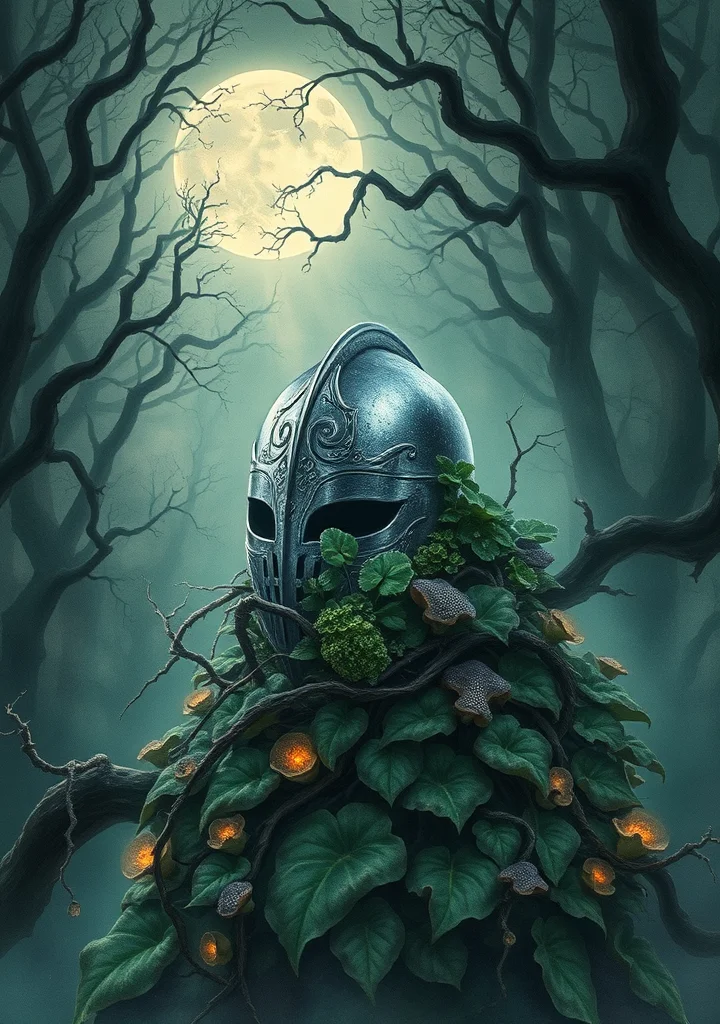
A creeping twilight descends upon the Athenian wood, thick with the scent of honeysuckle and shadowed by ancient oaks. Not moonlight, but a sickly luminescence clings to the tangled vines and moss-covered stones, reflecting in the fever-bright eyes of fairy folk. Here, reason unravels like silken thread caught on thorns. Lovers stumble through a labyrinth of illusion, their desires warped by mischievous sprites and the capricious whims of a fairy king. The air vibrates with whispers – not of solace, but of fractured identities and stolen affections. A gilded cage of enchantment, where the boundaries between waking and dreaming blur, and the heart’s true name is lost in a chorus of echoing laughter. It is a world where shadows dance with madness, and the sweetest blooms conceal thorns dripping with poison. The forest holds its breath, waiting to claim those who dare to wander too deep into its verdant, suffocating embrace. A chilling beauty, woven with the threads of obsession and the promise of a night that will unravel the very fabric of reality.
Copyright: Public Domain
This license allows anyone to use your story for any purpose, including printing, selling, or adapting it into a film freely.

Recommended for you
58 Part
Dust motes dance in the perpetual twilight of Palazzo Rucce, mirroring the slow decay of innocence within its shadowed halls. The air hangs thick with the scent of dying roses and the hushed whispers of Venetian canals, a city built on secrets and submerged desires. A young American, emboldened by naive ambition and a thirst for European refinement, finds herself drawn into the orbit of a charismatic expatriate, a master of veiled intentions. But beneath the polished veneer of Italian society, a predatory elegance unfolds. The palazzo itself breathes with a suffocating beauty, its marble floors cold beneath bare feet, its gilded mirrors reflecting not truth, but distorted fragments of a soul unraveling. A creeping sense of enclosure permeates every gilded room, a gilded cage for a heart ensnared by its own longing. The narrative isn't one of grand gestures, but of insidious erosion—the slow leaching of vitality from a spirit starved for passion, yet fed only with polite deceits. Each encounter is a tightening coil, a subtle shift in the balance of power, veiled in courteous conversation. The weight of unacknowledged expectation, the sting of unfulfilled promises, settles like a frost upon the bones. It is a portrait not of a lady’s triumph, but of her exquisite, agonizing unraveling—a descent into a gilded ruin where ambition is measured in the currency of lost futures and the only escape lies in the hollow echo of what might have been. The pallid light of waning hope casts long shadows on the marble busts, silent witnesses to a tragedy unfolding with the languid grace of a dying swan.
31 Part
Dust motes dance in perpetual twilight within Blackwood House, a manor steeped in the scent of decay and regret. Old Silas Blackwood, a recluse haunted by spectral debts, has summoned a charwoman – Mrs. Witherly – not for cleaning, but for witnessing. For the shadows in Blackwood House possess a peculiar hunger, a craving for observation, and Mrs. Witherly is to be their silent, unwilling audience. Each scrubbed floorboard, each polished brass knocker, unveils not cleanliness, but glimpses of lives lost to the manor’s suffocating embrace. The air chills with the whispers of forgotten servants, their grievances woven into the very fabric of the walls. Mrs. Witherly’s tasks become rituals of dread, each sweep of her brush revealing fragments of past tragedies – a lover’s stolen kiss reflected in a clouded mirror, a child’s laughter echoing from empty nurseries. The house itself breathes, its timbers groaning with the weight of its secrets, pressing down on Mrs. Witherly until she’s indistinguishable from the shadows she’s meant to observe. But the true horror isn't in what she *sees*, but in what the shadows begin to *show* her – reflections of her own hidden griefs, the slow unraveling of her sanity as Blackwood House claims not just her labor, but her very soul. The charwoman’s shadow doesn’t follow *her*; it *becomes* her, a chilling testament to the manor’s power to consume all light, leaving only an echoing void where a life once was.
45 Part
A fog-choked New York winter yields not just snow, but a corpse—a wealthy lawyer found shot dead in his locked study, a single playing card, the queen of spades, resting upon his breast. The chill seeps into the grand brownstone of Leavenworth, a house steeped in secrets and shadowed by a family fractured by greed. A web of suspicion tightens around a cast of unsettlingly polite, yet subtly desperate characters: a grieving, yet strangely composed widow; a nephew burdened by debt and ambition; a stoic, watchful butler whose silence feels like a confession. The investigation unfolds not with brute force, but with a meticulous unraveling of domestic rituals, overheard whispers, and the delicate, deceptive language of inheritance. Every polished surface reflects a hidden motive, every shadowed corner a potential crime. The reader is drawn into a claustrophobic dance of deduction, guided by a shrewd, observant narrator who understands that the most damning evidence is often found not in what is said, but in what is *not*. The air hangs heavy with the scent of lilies and regret, the rhythmic tick of grandfather clocks marking the slow decay of trust. As the snow falls and the city darkens, the true horror isn’t the act of murder itself, but the insidious rot of family obligation and the chilling realization that even the most respectable facades conceal a darkness capable of swallowing a man whole. The Leavenworth Case is a study in how easily a life, and a fortune, can be extinguished within the suffocating elegance of a gilded age.
30 Part
A creeping dread clings to the crumbling chateau of Orcival, where shadows dance with secrets and the scent of decay permeates every stone. The narrative unfolds like a slow unraveling, a tapestry woven with whispers of madness and the weight of ancestral sins. Fog-choked valleys conceal not only the estate, but a legacy of betrayal that festers within the bloodline of the de Orcival family. Each room breathes with the ghosts of forgotten tragedies, the air thick with the suffocating loneliness of its sole inhabitant, the enigmatic marquis. The story is not one of swift action, but of insidious unraveling, of a mind fractured by isolation and haunted by a past it can no longer comprehend. Sunlight seems to recoil from Orcival’s walls, replaced by a perpetual twilight that mirrors the marquis’s descent into a labyrinth of delusion. Witnesses are scarce, and those who venture near the estate do so under the pallid glow of a waning moon, their testimony fragmented and laced with the chilling certainty of witnessing something utterly…wrong. The true mystery isn't a single crime, but the suffocating atmosphere itself—a suffocating dread that clings to the reader like cobwebs, leaving one questioning whether the horror resides within the chateau, or within the very heart of the man who dwells within. It is a story steeped in the gothic tradition, where the architecture itself is a character, and every shadow holds a piece of a fragmented truth.