
-
Read 629
-
0
-
Part 40
Completed, First published Mar 02, 2026
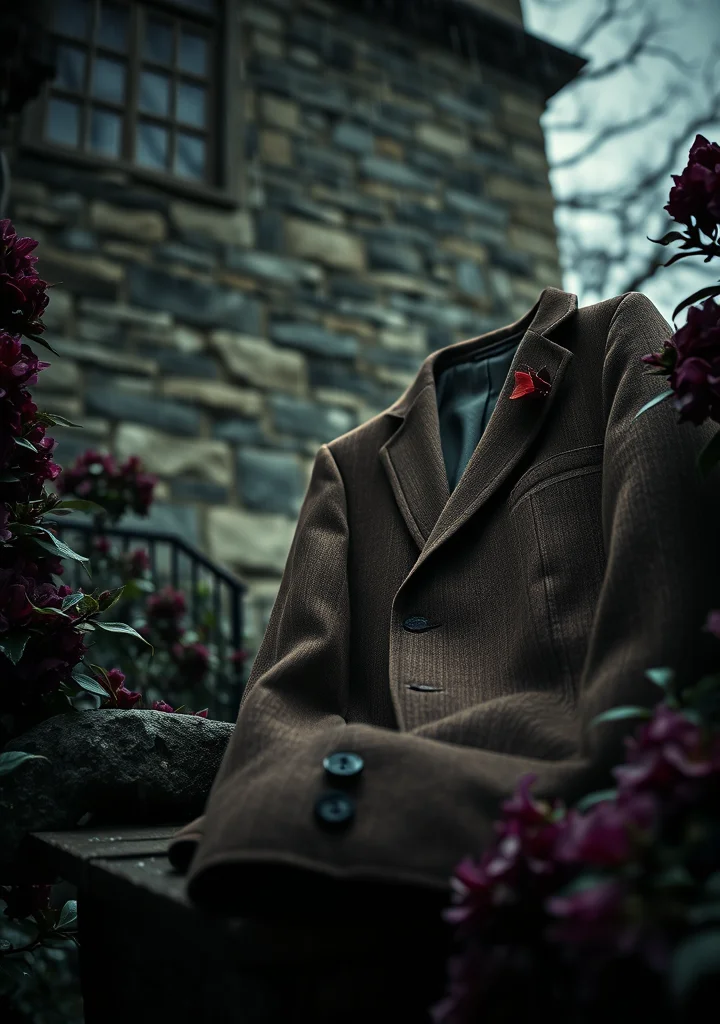
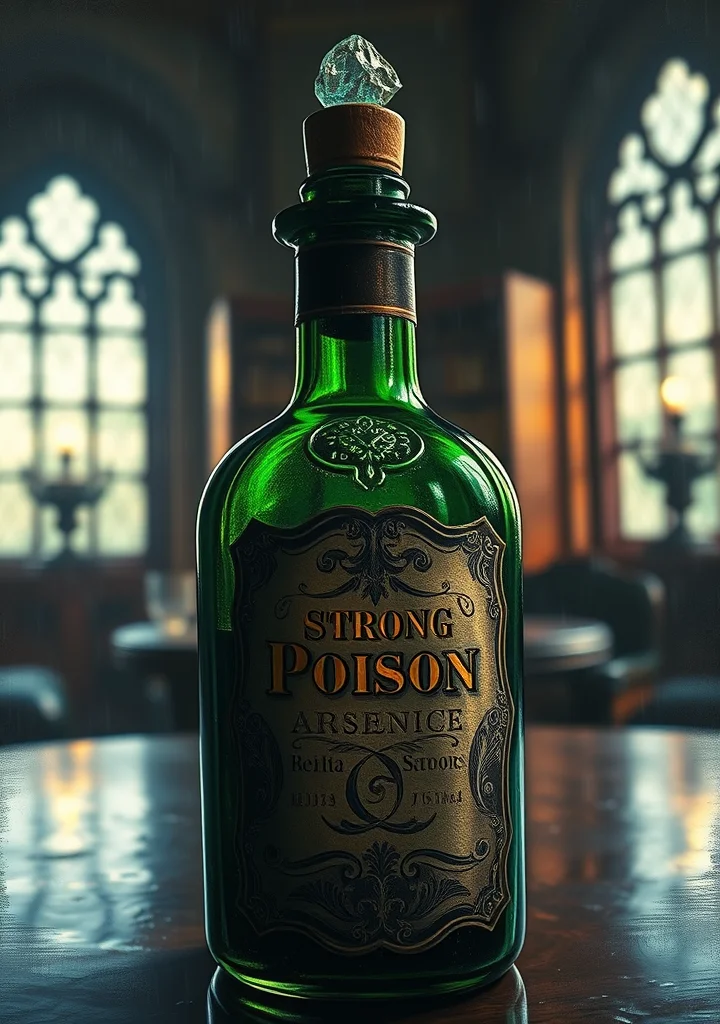
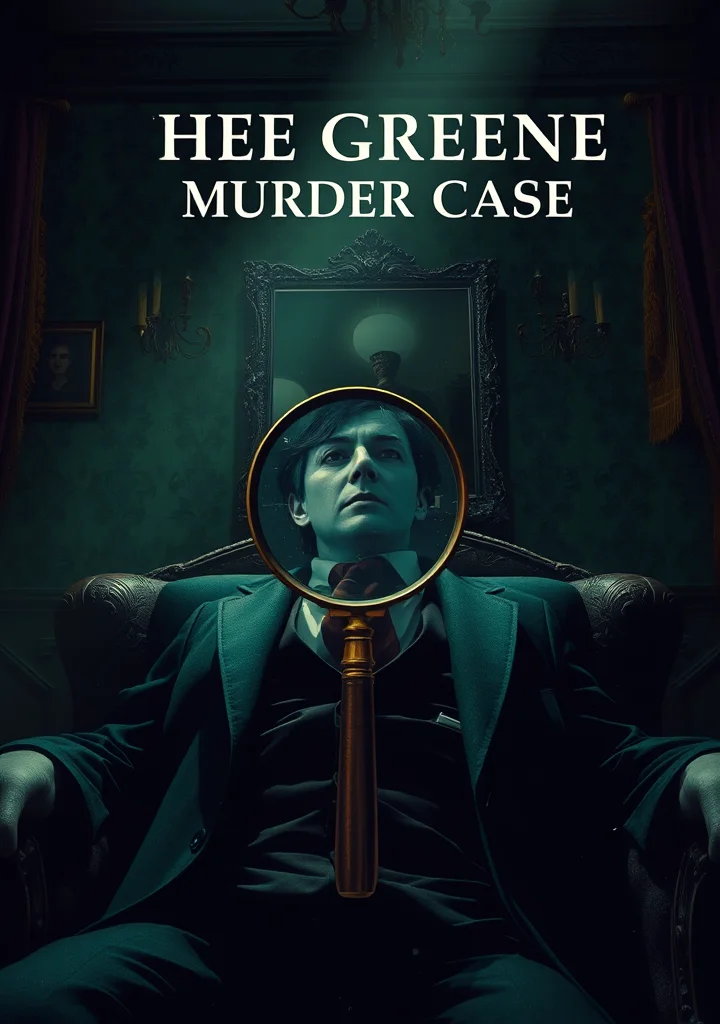
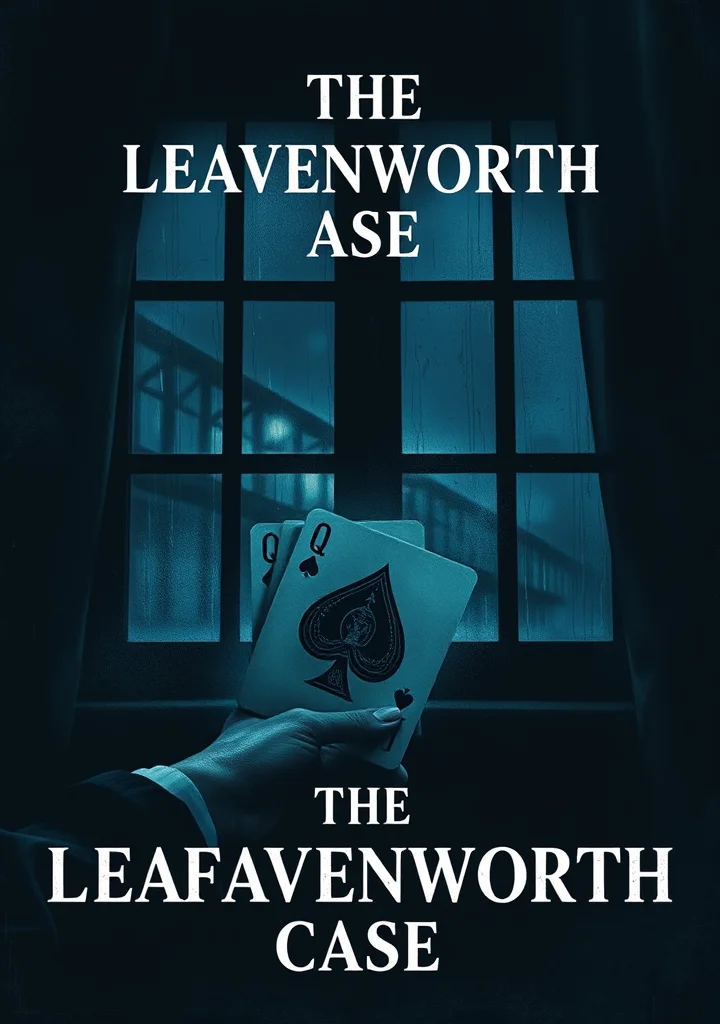
A fog-choked New York winter yields not just snow, but a corpse—a wealthy lawyer found shot dead in his locked study, a single playing card, the queen of spades, resting upon his breast. The chill seeps into the grand brownstone of Leavenworth, a house steeped in secrets and shadowed by a family fractured by greed. A web of suspicion tightens around a cast of unsettlingly polite, yet subtly desperate characters: a grieving, yet strangely composed widow; a nephew burdened by debt and ambition; a stoic, watchful butler whose silence feels like a confession.
The investigation unfolds not with brute force, but with a meticulous unraveling of domestic rituals, overheard whispers, and the delicate, deceptive language of inheritance. Every polished surface reflects a hidden motive, every shadowed corner a potential crime. The reader is drawn into a claustrophobic dance of deduction, guided by a shrewd, observant narrator who understands that the most damning evidence is often found not in what is said, but in what is *not*.
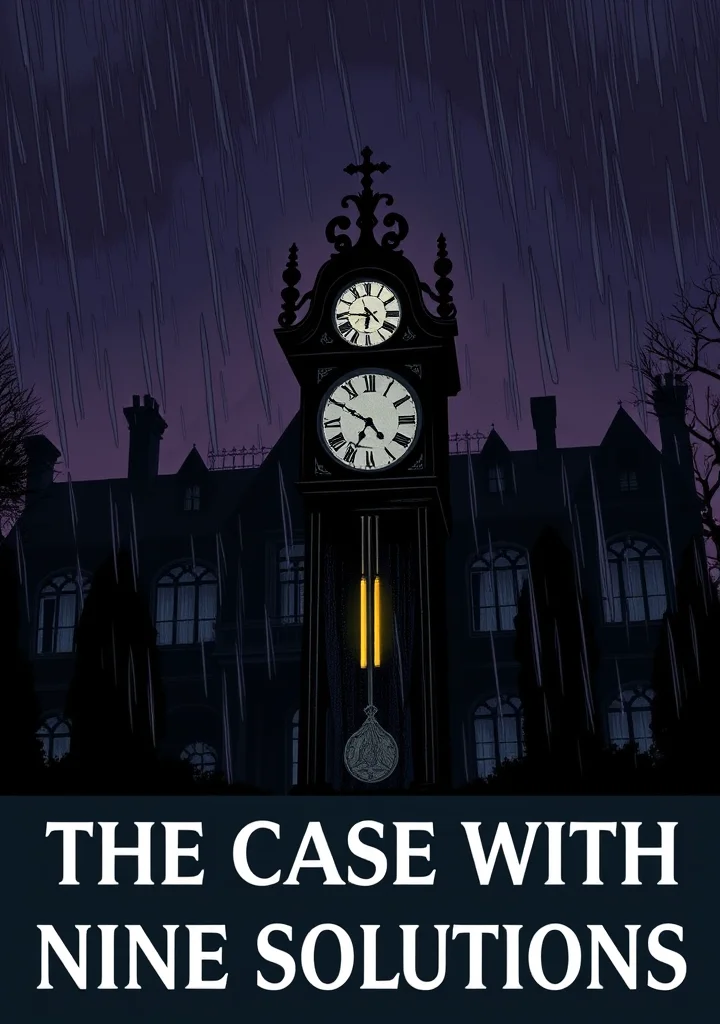
The air hangs heavy with the scent of lilies and regret, the rhythmic tick of grandfather clocks marking the slow decay of trust. As the snow falls and the city darkens, the true horror isn’t the act of murder itself, but the insidious rot of family obligation and the chilling realization that even the most respectable facades conceal a darkness capable of swallowing a man whole. The Leavenworth Case is a study in how easily a life, and a fortune, can be extinguished within the suffocating elegance of a gilded age.
Copyright: Public Domain
This license allows anyone to use your story for any purpose, including printing, selling, or adapting it into a film freely.
This license allows anyone to use your story for any purpose, including printing, selling, or adapting it into a film freely.
Chapter List
-
« The Leavenworth Case »📖 Continue Reading
-
« Chapter_4 »
-
« Chapter_5 »
-
« Chapter_6 »
-
« Chapter_7 »
-
« Chapter_8 »
-
« Chapter_9 »
-
« Chapter_10 »
-
« Chapter_11 »
-
« Chapter_12 »
-
« Chapter_13 »
-
« Chapter_14 »
-
« Chapter_15 »
-
« Chapter_16 »
-
« Chapter_18 »
-
« Chapter_19 »
-
« Chapter_20 »
-
« Chapter_21 »
-
« Chapter_22 »
-
« Chapter_23 »
-
« Chapter_24 »
-
« Chapter_25 »
-
« Chapter_26 »
-
« Chapter_27 »
-
« Chapter_28 »
-
« Chapter_29 »
-
« Chapter_30 »
-
« Chapter_32 »
-
« Chapter_33 »
-
« Chapter_34 »
-
« Chapter_35 »
-
« Chapter_36 »
-
« Chapter_37 »
-
« Chapter_38 »
-
« Chapter_40 »
-
« Chapter_41 »
-
« Chapter_42 »
-
« Chapter_43 »
-
« Chapter_44 »
-
« Chapter_45 »
40
-
« The Leavenworth Case »
-
« Chapter_4 »
-
« Chapter_5 »
-
« Chapter_6 »
-
« Chapter_7 »
-
« Chapter_8 »
-
« Chapter_9 »
-
« Chapter_10 »
-
« Chapter_11 »
-
« Chapter_12 »
-
« Chapter_13 »
-
« Chapter_14 »
-
« Chapter_15 »
-
« Chapter_16 »
-
« Chapter_18 »
-
« Chapter_19 »
-
« Chapter_20 »
-
« Chapter_21 »
-
« Chapter_22 »
-
« Chapter_23 »
-
« Chapter_24 »
-
« Chapter_25 »
-
« Chapter_26 »
-
« Chapter_27 »
-
« Chapter_28 »
-
« Chapter_29 »
-
« Chapter_30 »
-
« Chapter_32 »
-
« Chapter_33 »
-
« Chapter_34 »
-
« Chapter_35 »
-
« Chapter_36 »
-
« Chapter_37 »
-
« Chapter_38 »
-
« Chapter_40 »
-
« Chapter_41 »
-
« Chapter_42 »
-
« Chapter_43 »
-
« Chapter_44 »
-
« Chapter_45 »
More like this