
-
Read 543
-
0
-
Part 46
Completed, First published Mar 02, 2026
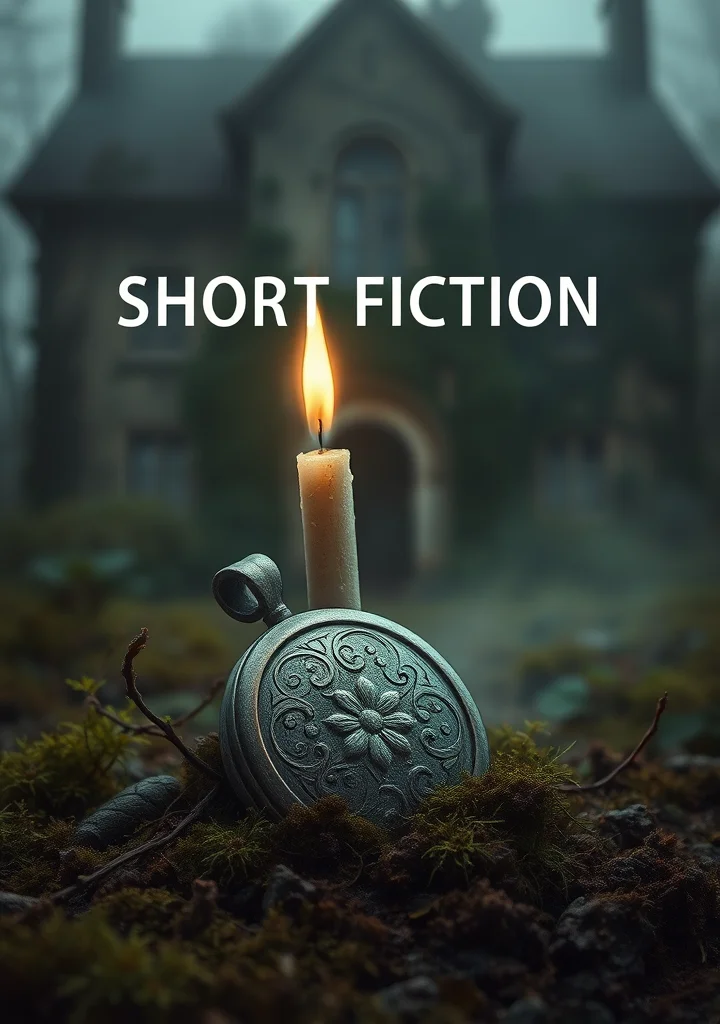
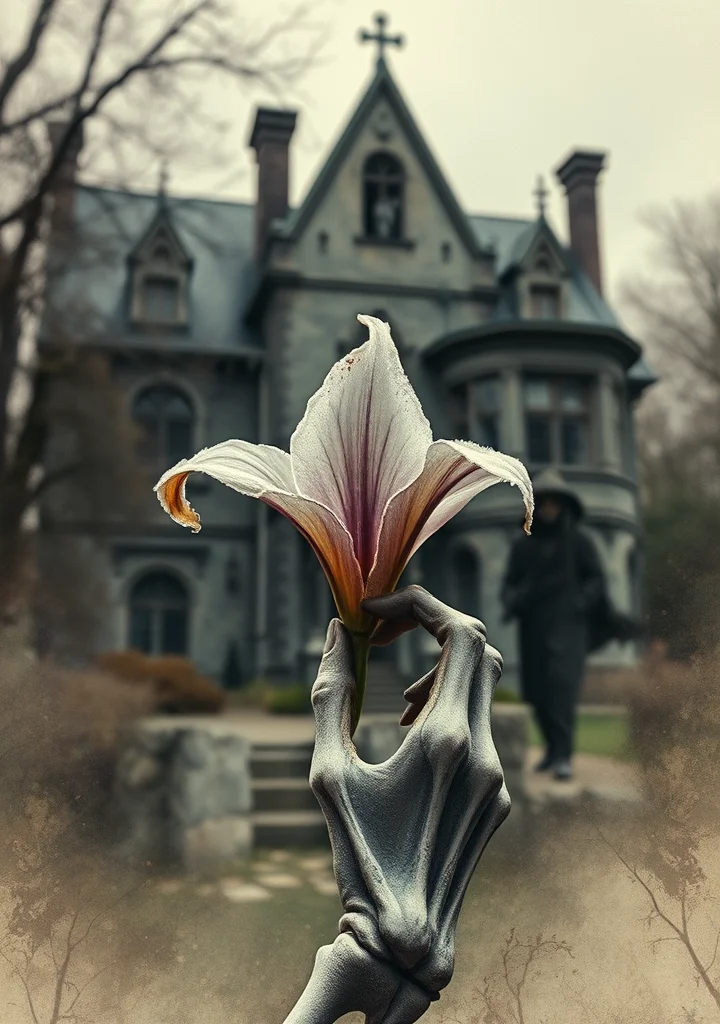
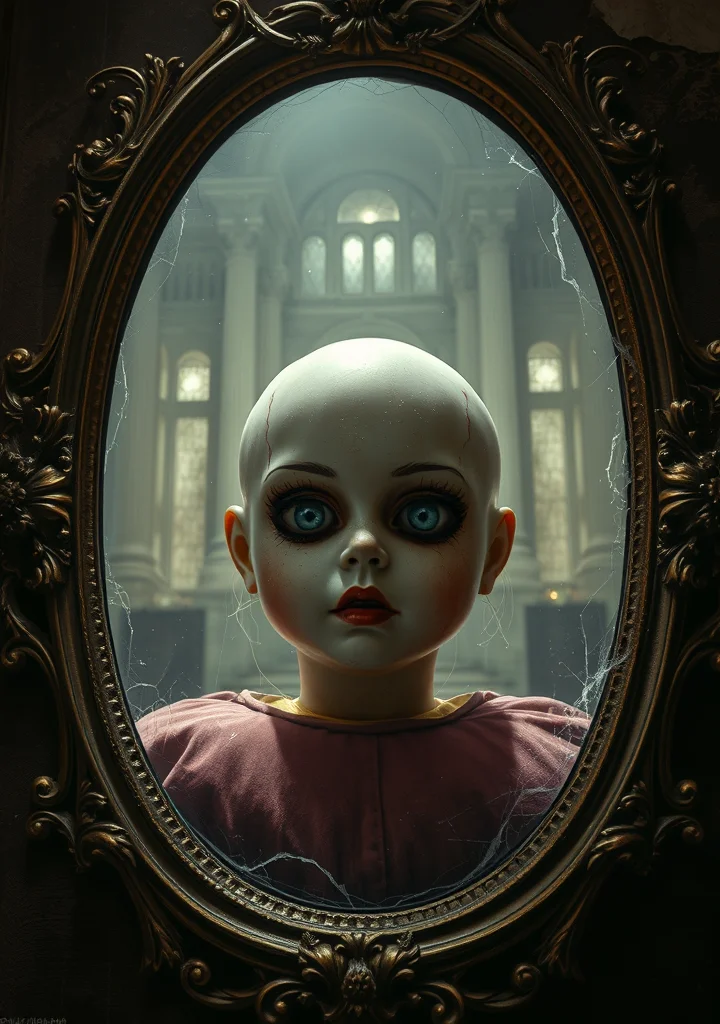
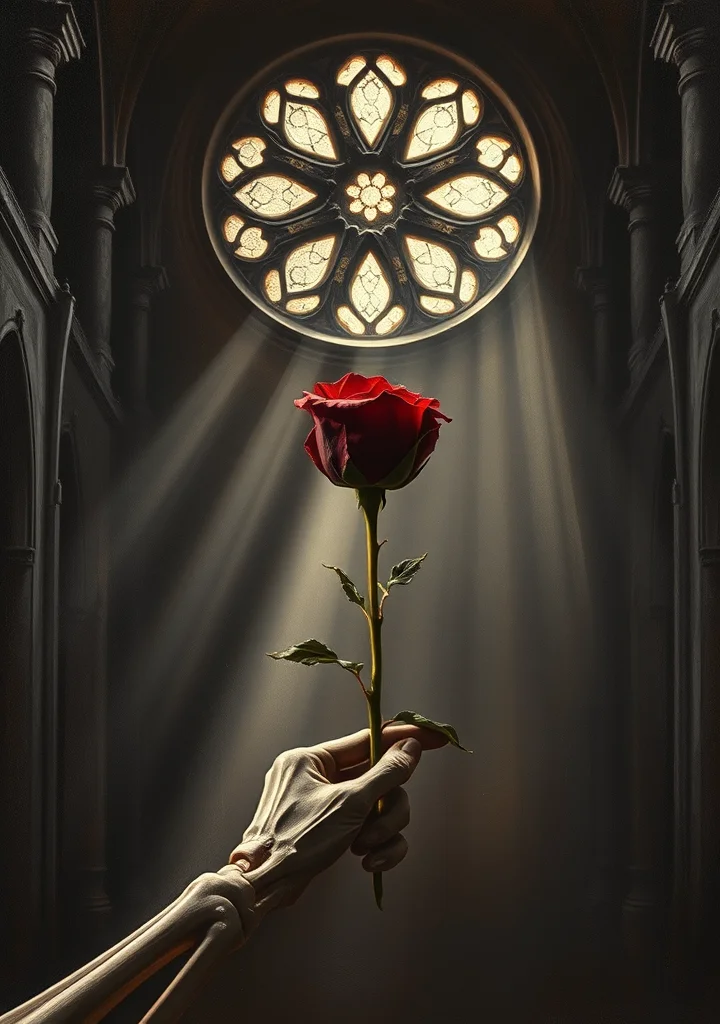
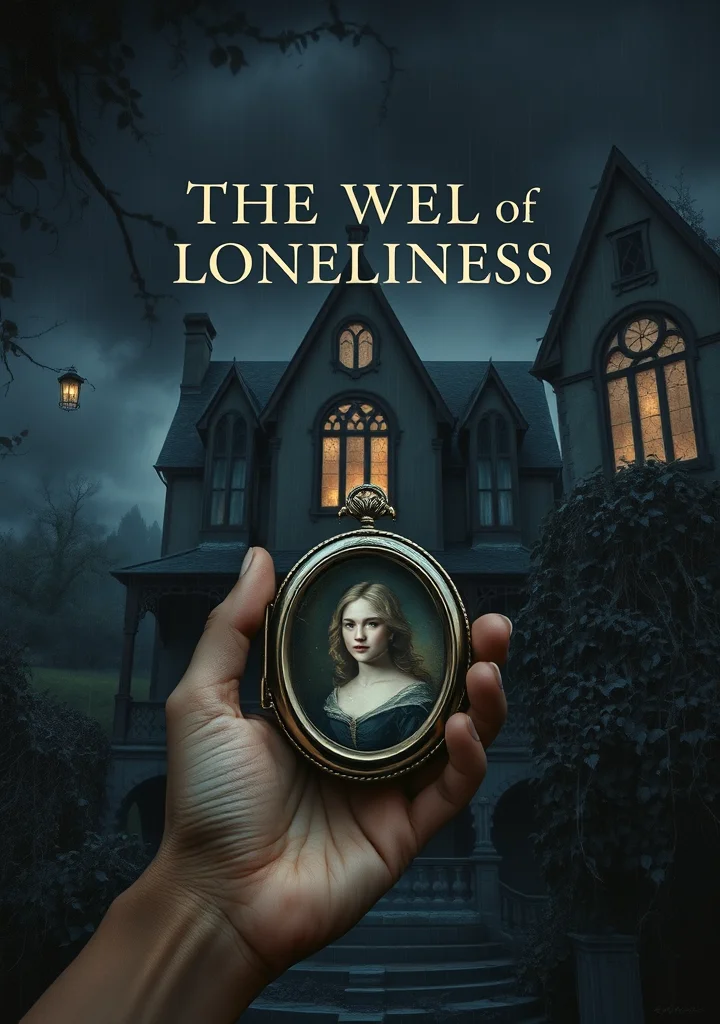
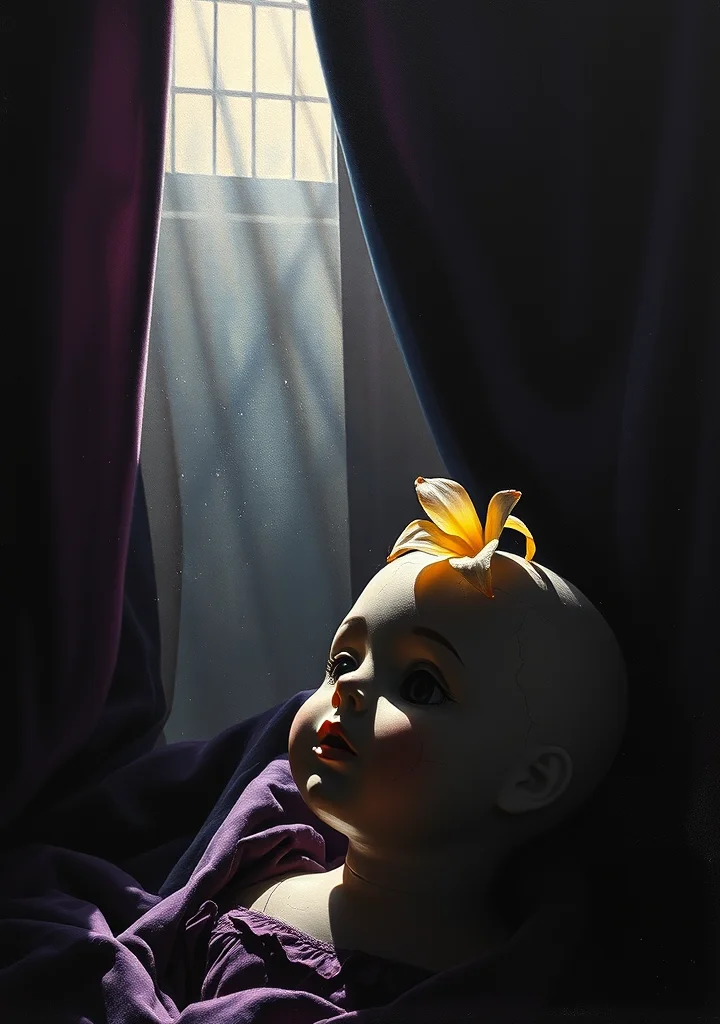
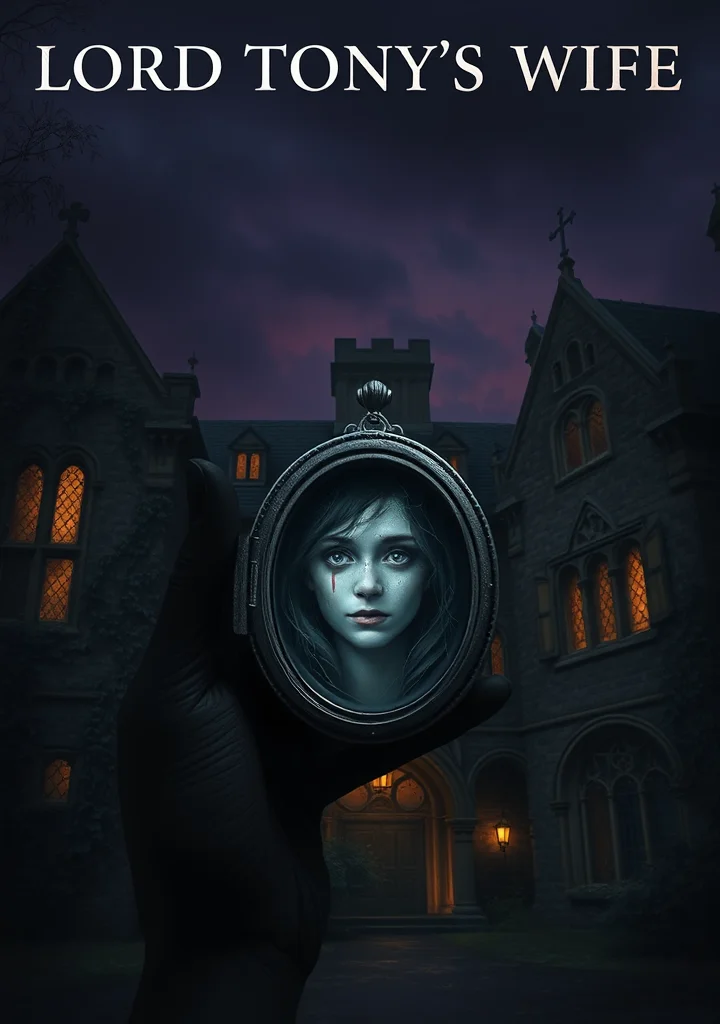
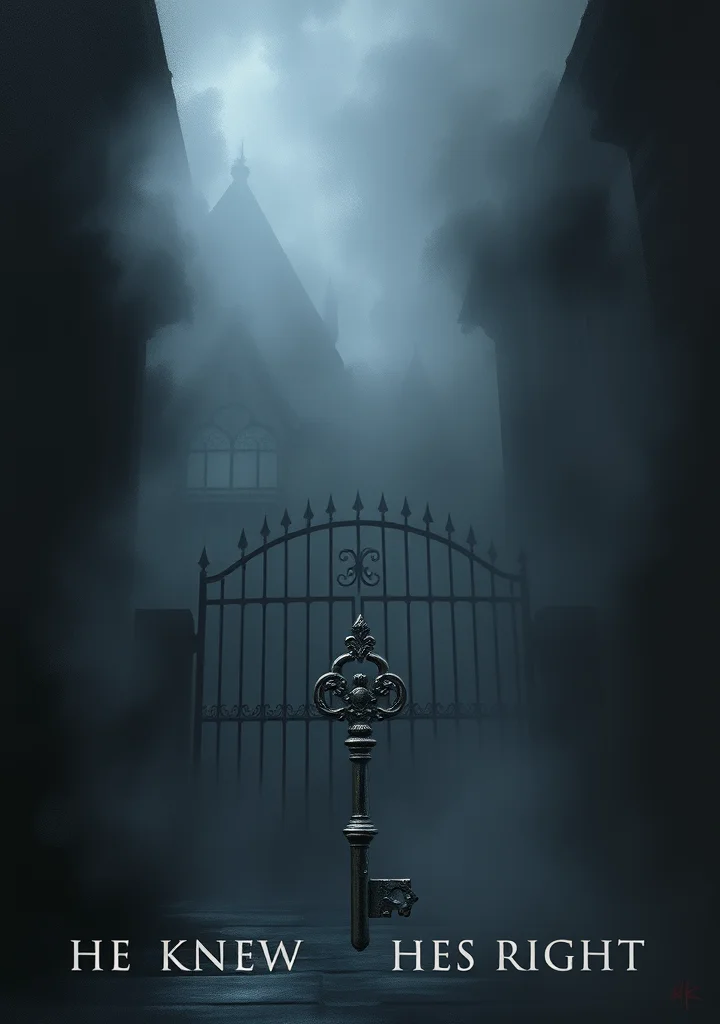
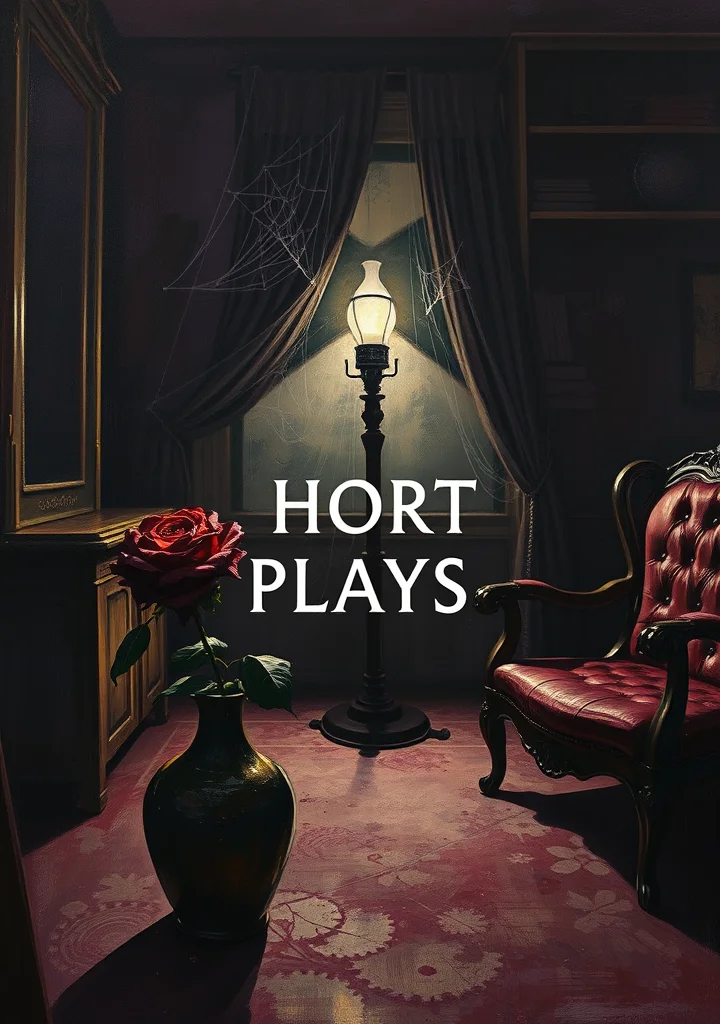
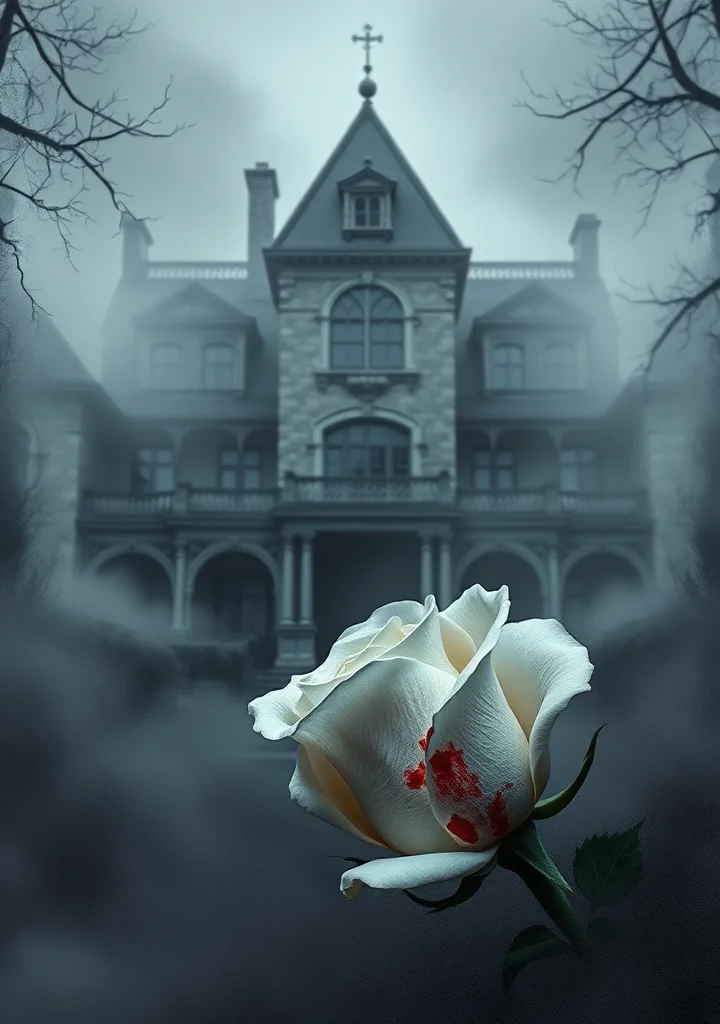
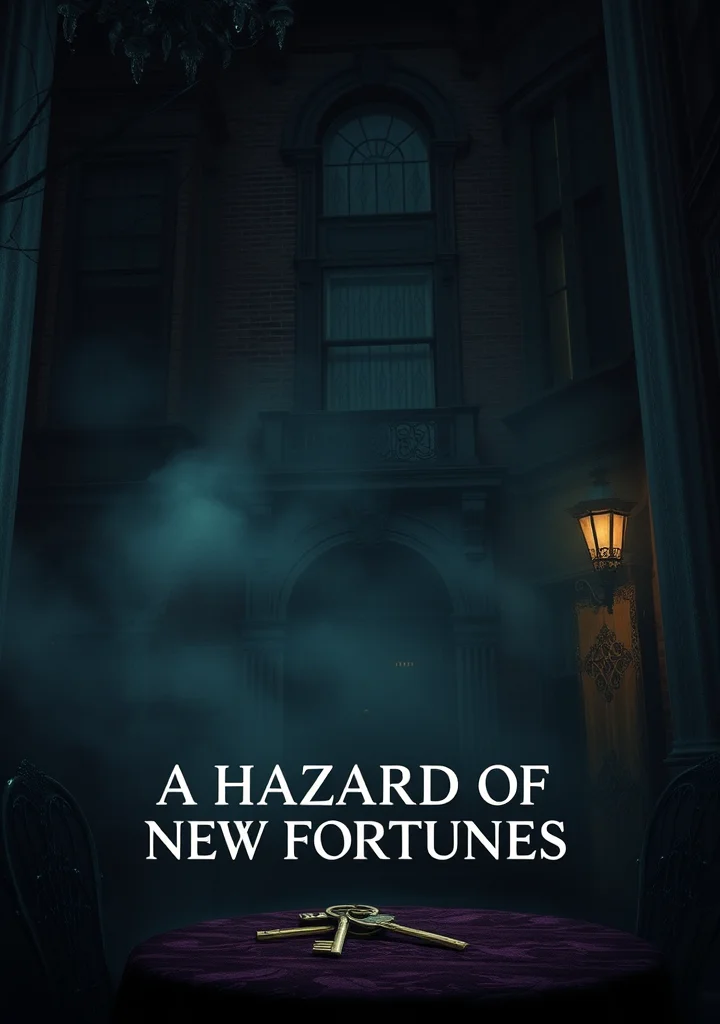
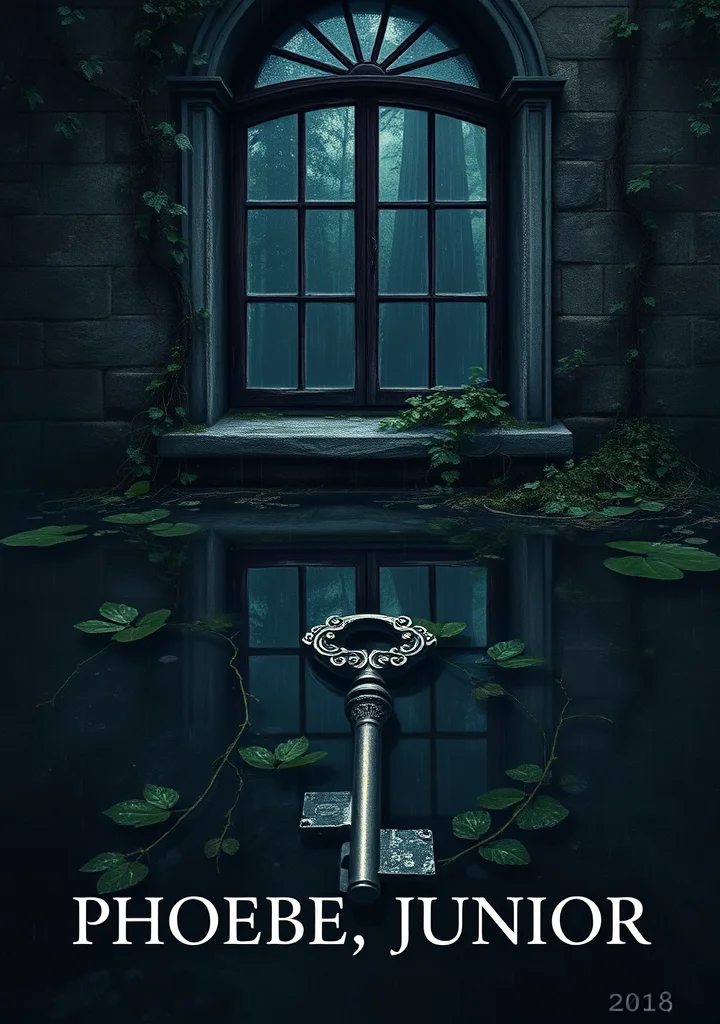
A creeping dread settles over the ancient manor of Little Monkham, a dampness not just of stone and rain but of unspoken anxieties. Young Phoebe, orphaned and thrust into the stifling orbit of her elder sister, finds the house itself a breathing entity, echoing with the weight of generations past and the chill of their unfulfilled desires. The narrative unfolds like a slow unraveling, steeped in the suffocating politeness of provincial life where every gesture is measured, every silence pregnant with hidden resentments.
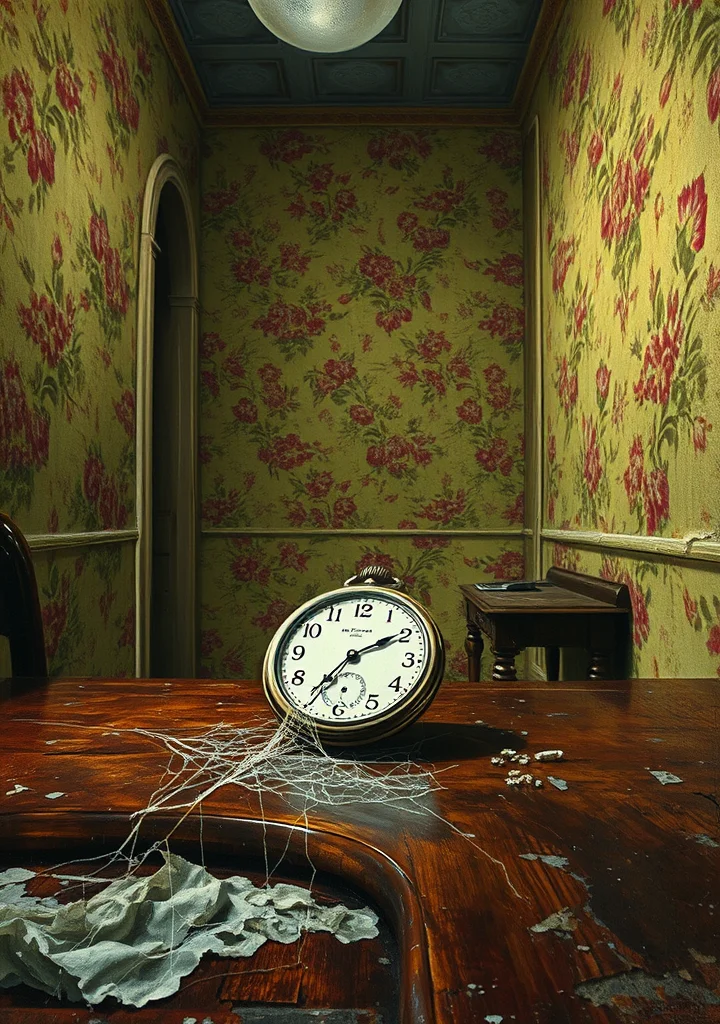
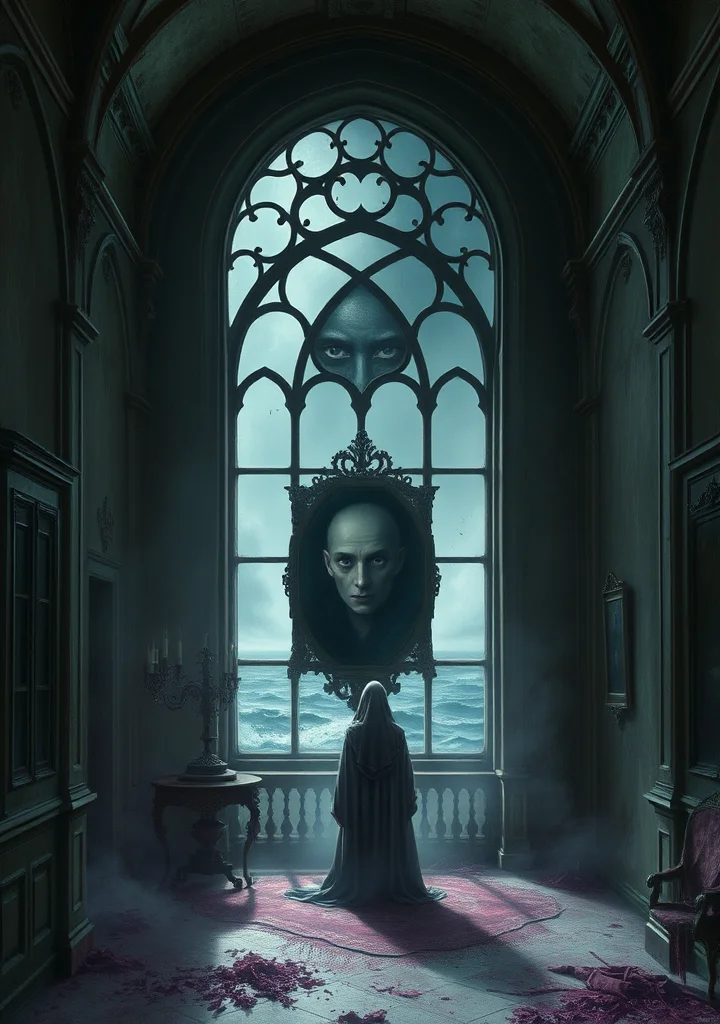
Sunlight barely penetrates the shadowed hallways, and a pervasive sense of waiting clings to the floral wallpaper and dust-motes dancing in the dim light. The story is not one of grand horrors, but of insidious decay – a crumbling of spirit, a tightening of control, and the unsettling realization that Phoebe’s fragile existence is less a life lived than a quiet, meticulous confinement. The air is thick with the scent of lavender and decay, and the very foundations of Little Monkham seem to whisper of secrets best left undisturbed, secrets that threaten to bloom within Phoebe’s timid heart like a poisonous flower. A haunting stillness pervades, where every glance feels like an accusation and the boundaries of sanity blur within the oppressive embrace of the house.
Copyright: Public Domain
This license allows anyone to use your story for any purpose, including printing, selling, or adapting it into a film freely.
This license allows anyone to use your story for any purpose, including printing, selling, or adapting it into a film freely.
Chapter List
-
« Phoebe, Junior »📖 Continue Reading
-
« I »
-
« II »
-
« III »
-
« IV »
-
« V »
-
« VI »
-
« VII »
-
« VIII »
-
« IX »
-
« X »
-
« XI »
-
« XII »
-
« XIII »
-
« XIV »
-
« XV »
-
« XVI »
-
« XVII »
-
« XVIII »
-
« XIX »
-
« XX »
-
« XXI »
-
« XXII »
-
« XXIII »
-
« XXIV »
-
« XXV »
-
« XXVI »
-
« XXVII »
-
« XXVIII »
-
« XXIX »
-
« XXX »
-
« XXXI »
-
« XXXII »
-
« XXXIII »
-
« XXXIV »
-
« XXXV »
-
« XXXVI »
-
« XXXVII »
-
« XXXVIII »
-
« XXXIX »
-
« XL »
-
« XLI »
-
« XLII »
-
« XLIII »
-
« XLIV »
-
« XLV »
46
-
« Phoebe, Junior »
-
« I »
-
« II »
-
« III »
-
« IV »
-
« V »
-
« VI »
-
« VII »
-
« VIII »
-
« IX »
-
« X »
-
« XI »
-
« XII »
-
« XIII »
-
« XIV »
-
« XV »
-
« XVI »
-
« XVII »
-
« XVIII »
-
« XIX »
-
« XX »
-
« XXI »
-
« XXII »
-
« XXIII »
-
« XXIV »
-
« XXV »
-
« XXVI »
-
« XXVII »
-
« XXVIII »
-
« XXIX »
-
« XXX »
-
« XXXI »
-
« XXXII »
-
« XXXIII »
-
« XXXIV »
-
« XXXV »
-
« XXXVI »
-
« XXXVII »
-
« XXXVIII »
-
« XXXIX »
-
« XL »
-
« XLI »
-
« XLII »
-
« XLIII »
-
« XLIV »
-
« XLV »
More like this