
-
Read 2.3K
-
0
-
Part 240
Completed, First published Mar 02, 2026
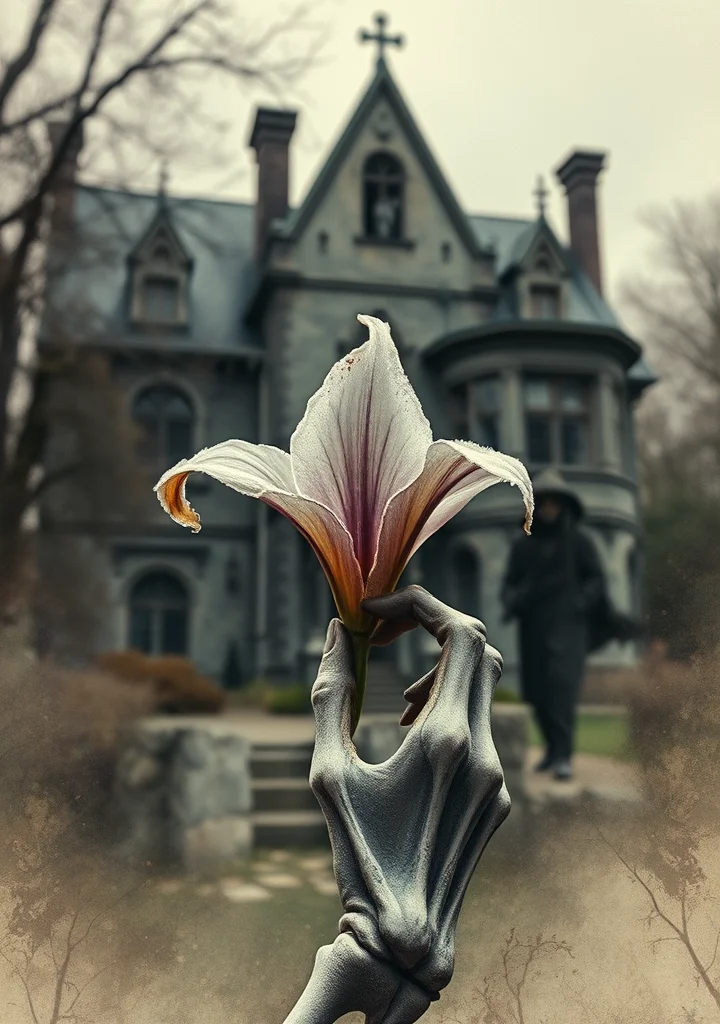
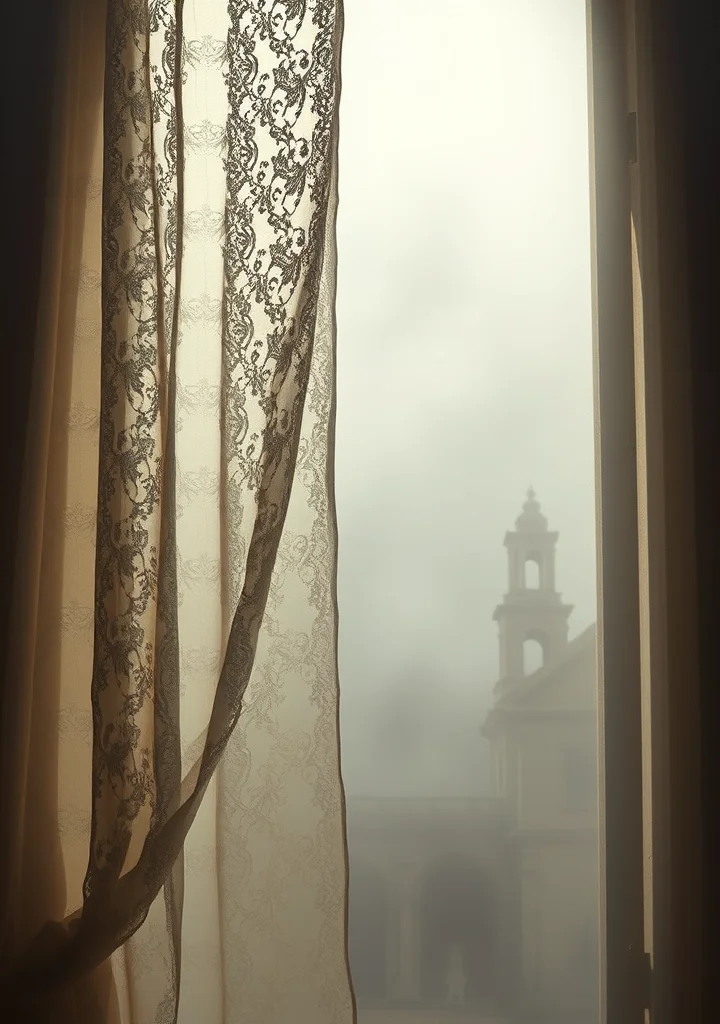
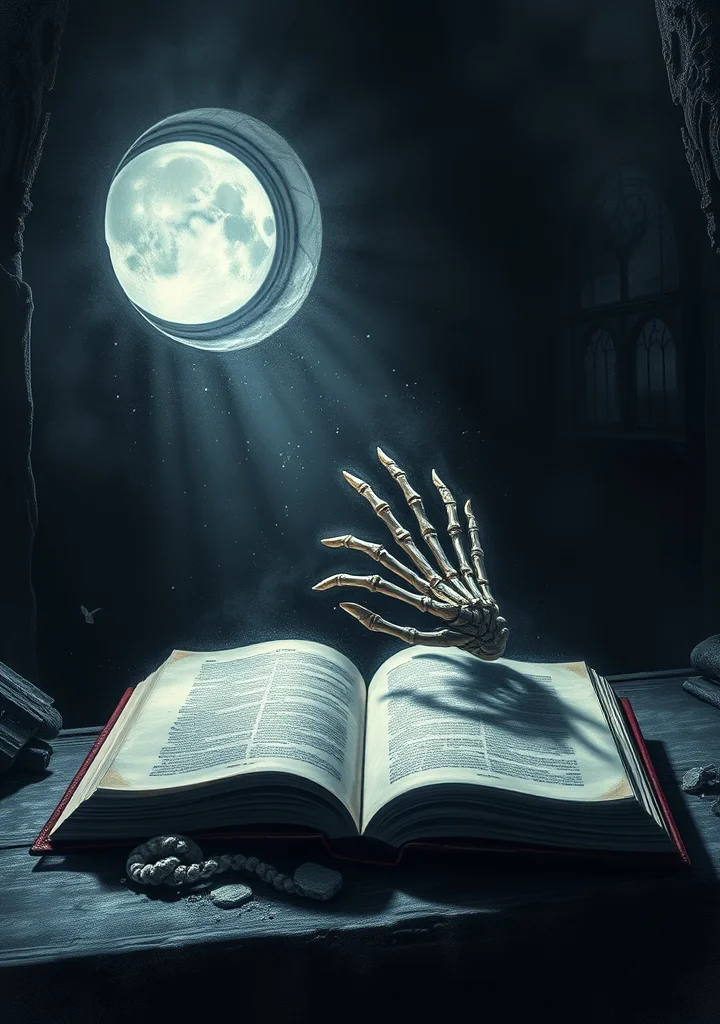
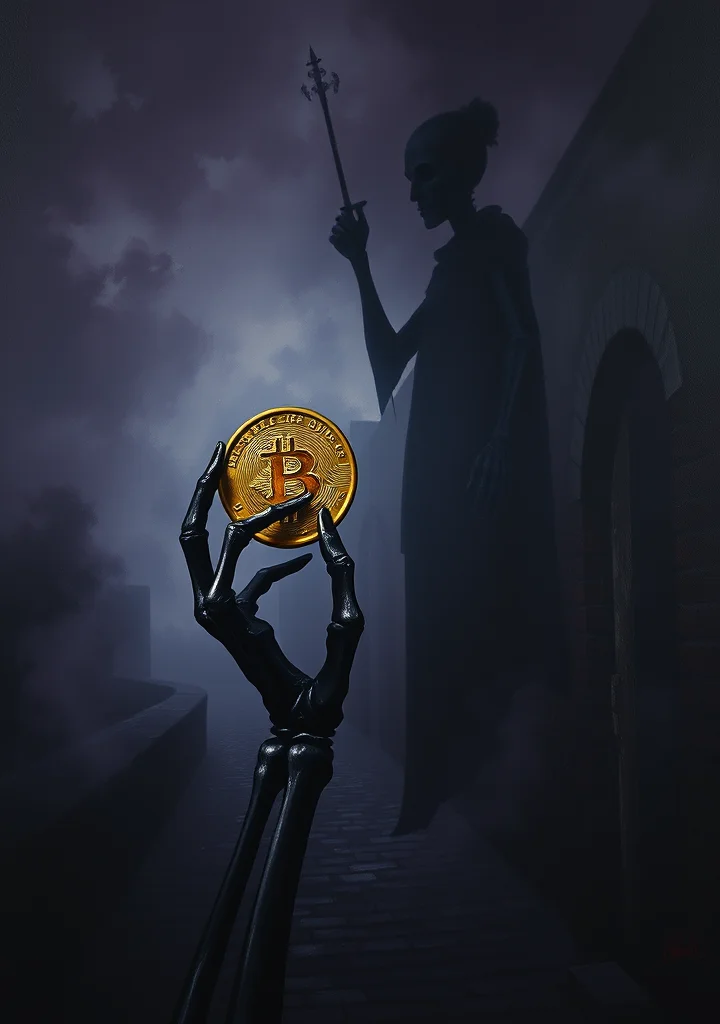
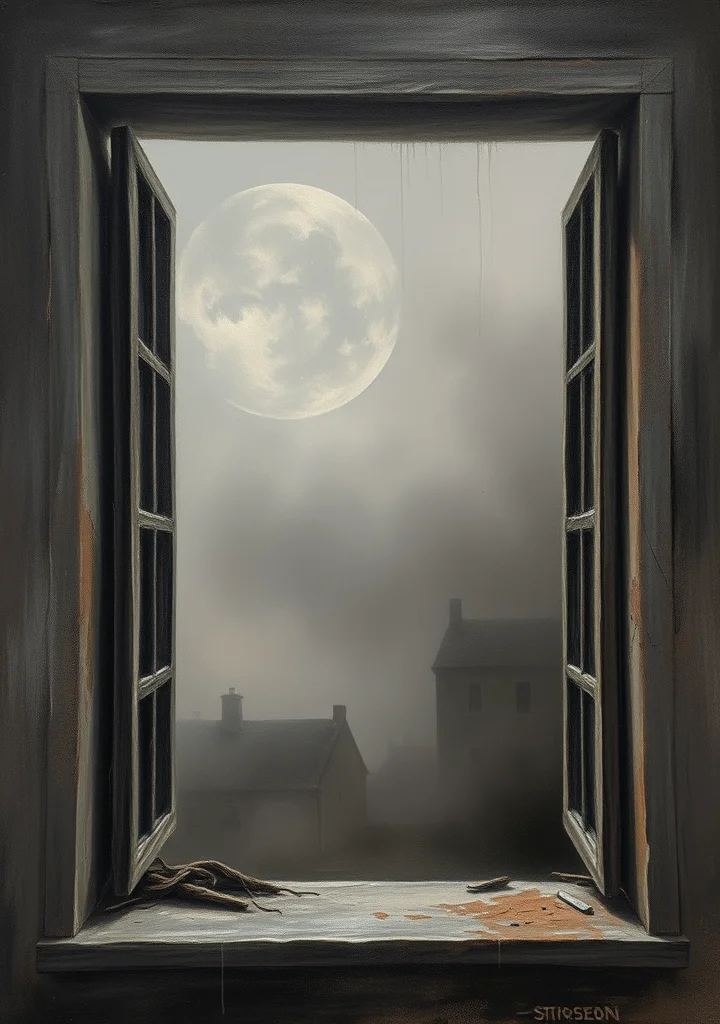
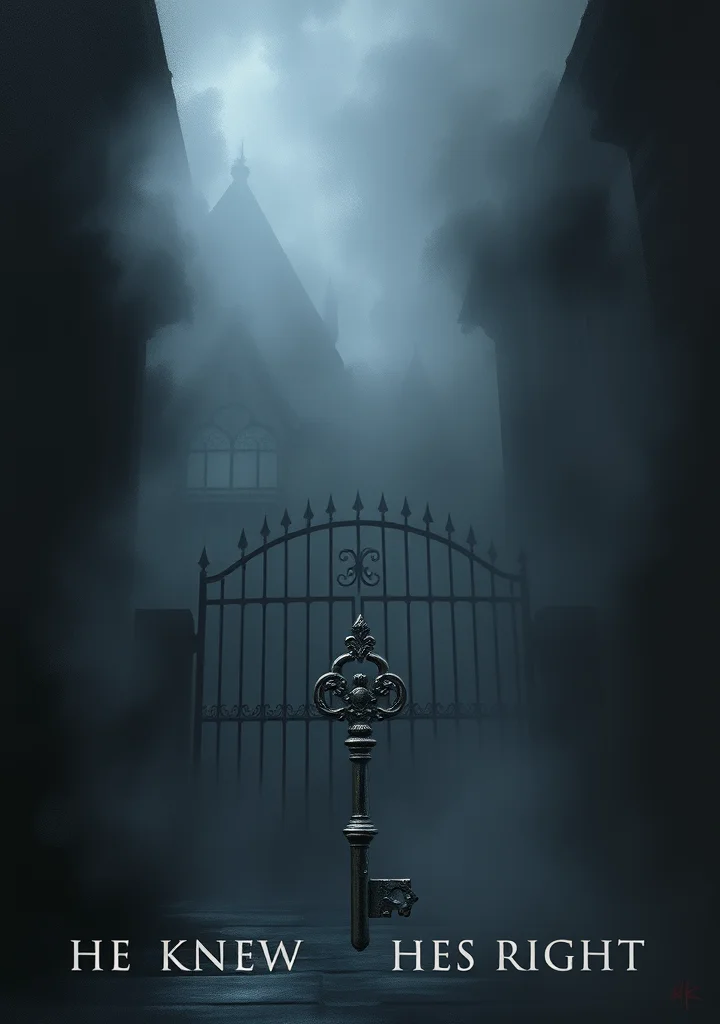
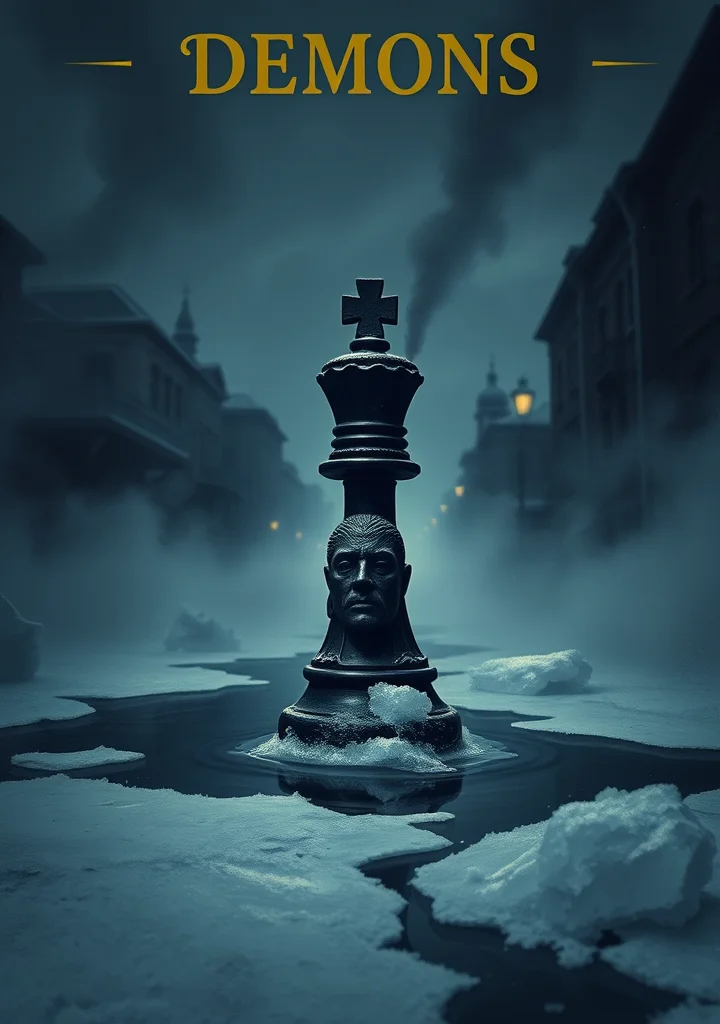
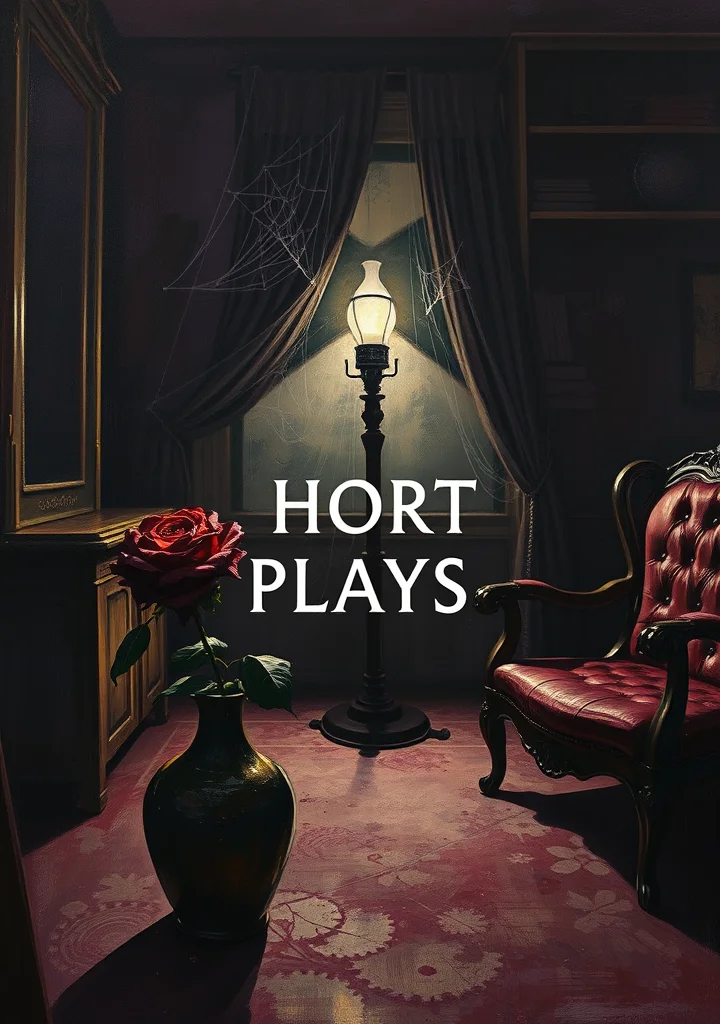
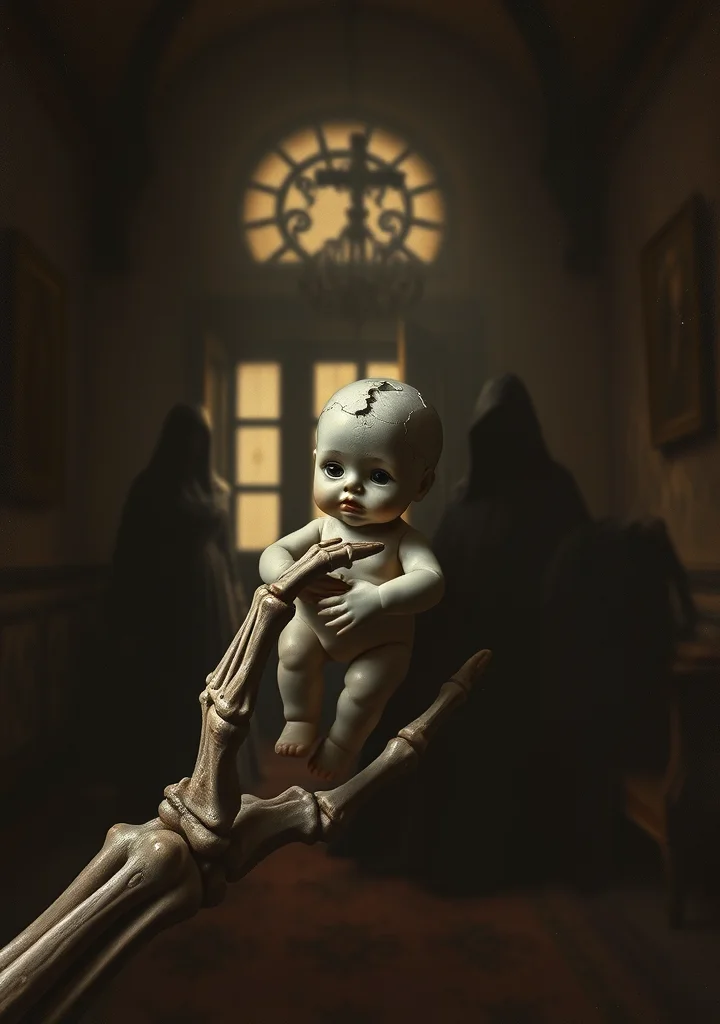
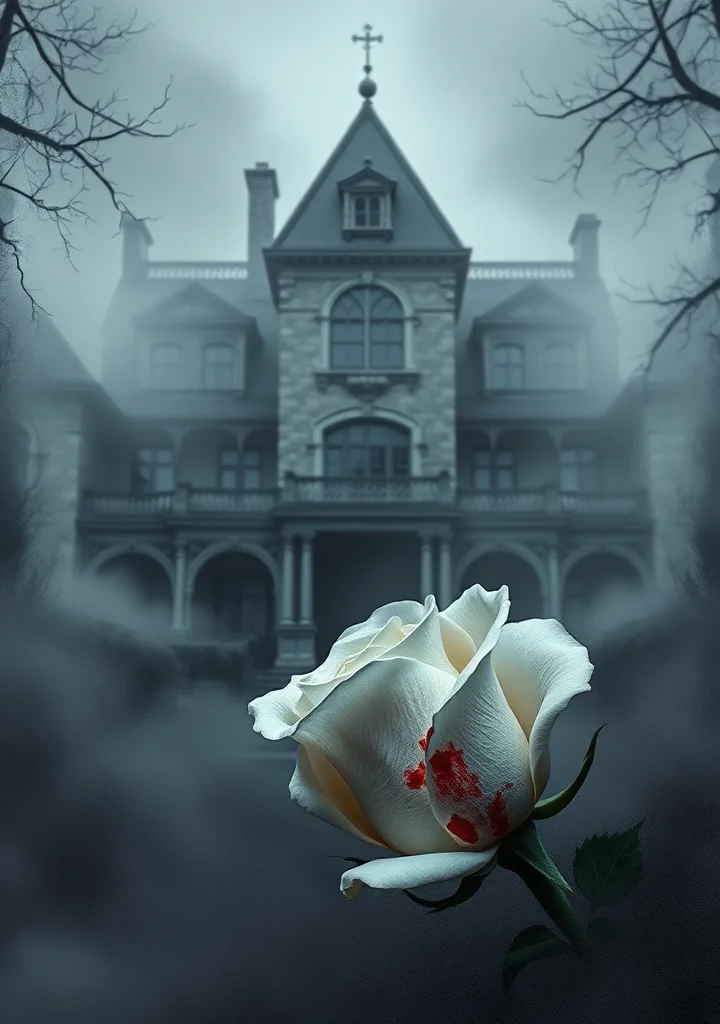
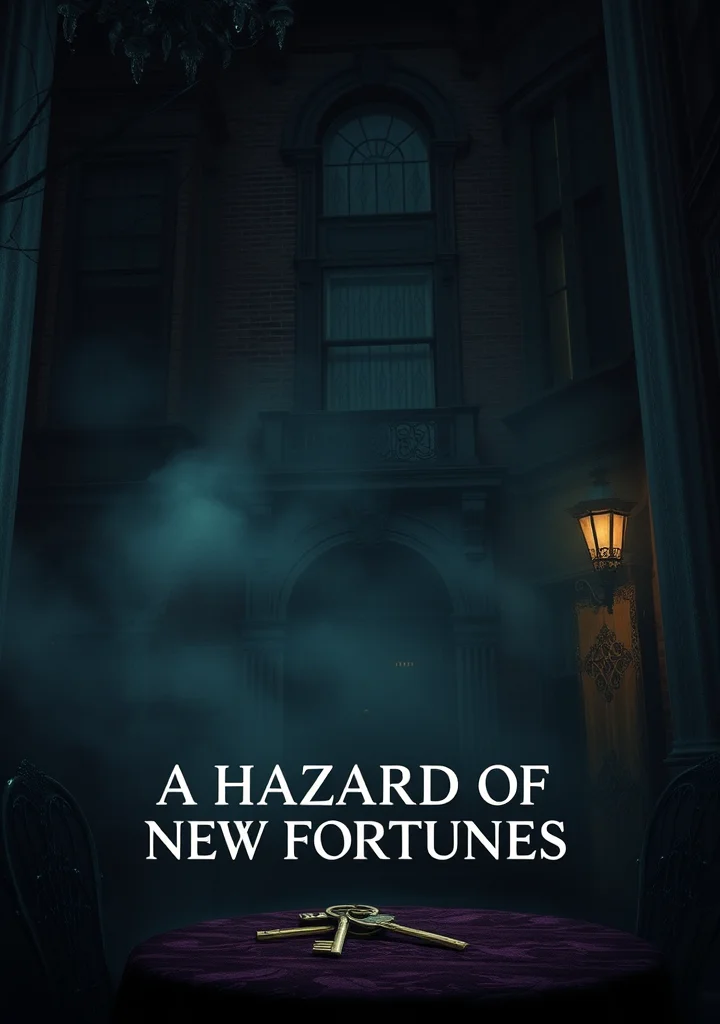
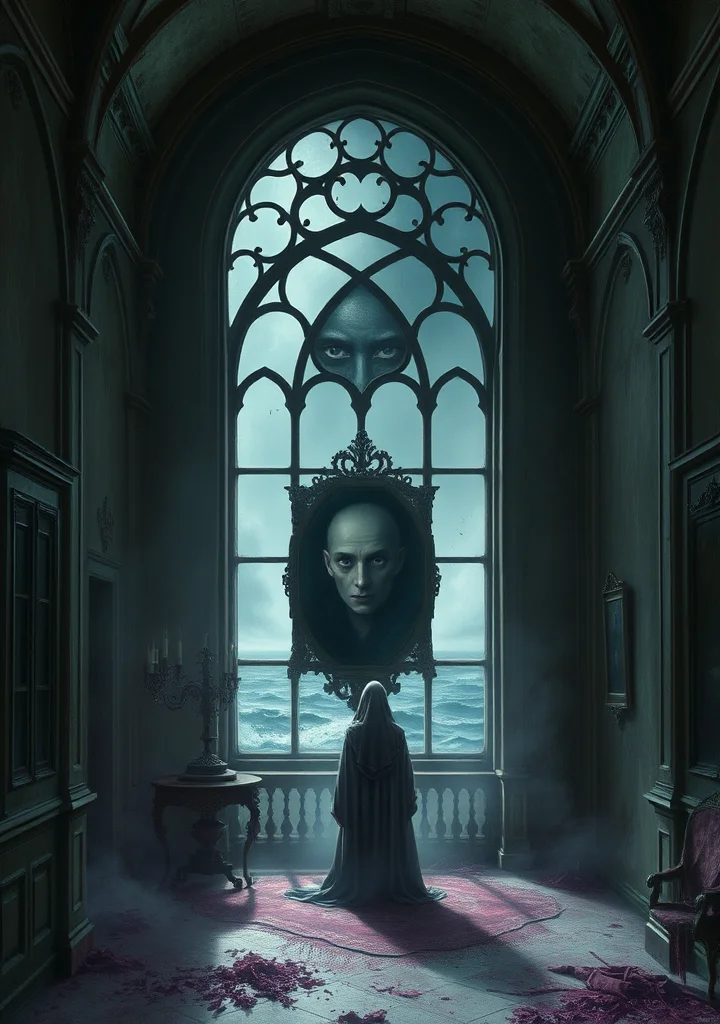
Dust motes dance in the perpetual twilight of crumbling estates, mirroring the fractured thoughts within. Here, stories bleed from the stone, each a shard of memory echoing through corridors choked with ivy and regret. The air tastes of brine and decay, of promises whispered into hollow wells. A creeping dread clings to every sentence, born not of monstrous horrors, but of the slow unraveling of the self. These are not tales of grand conflict, but of quiet erosion—the rot in gilded cages, the hollow ache of ambition curdled into despair. Each vignette is a window pane smeared with rain, reflecting a fractured landscape of longing and loss. They speak of shadowed figures glimpsed through lace curtains, of letters penned in trembling hands, of inheritances of sorrow passed down through generations. The weight of unspoken sins settles like a shroud, suffocating hope beneath layers of polite decay. A pervasive melancholy seeps from the pages, a damp chill that lingers long after the final line is read, leaving only the echo of weeping in a forgotten garden. The very structure feels like a labyrinth, each story a dead end reflecting back into another, until all sense of direction is lost within a crumbling edifice of the heart.
Copyright: Public Domain
This license allows anyone to use your story for any purpose, including printing, selling, or adapting it into a film freely.
This license allows anyone to use your story for any purpose, including printing, selling, or adapting it into a film freely.
Chapter List
-
« Short Works »📖 Continue Reading
-
« The Enchiridion »
-
« I »
-
« II »
-
« III »
-
« IV »
-
« V »
-
« VI »
-
« VII »
-
« VIII »
-
« IX »
-
« X »
-
« XI »
-
« XII »
-
« XIII »
-
« XIV »
-
« XV »
-
« XVI »
-
« XVII »
-
« XVIII »
-
« XIX »
-
« XX »
-
« XXI »
-
« XXII »
-
« XXIII »
-
« XXIV »
-
« XXV »
-
« XXVI »
-
« XXVII »
-
« XXVIII »
-
« XXIX »
-
« XXX »
-
« XXXI »
-
« XXXII »
-
« XXXIII »
-
« XXXIV »
-
« XXXV »
-
« XXXVI »
-
« XXXVII »
-
« XXXVIII »
-
« XXXIX »
-
« XL »
-
« XLI »
-
« XLII »
-
« XLIII »
-
« XLIV »
-
« XLV »
-
« XLVI »
-
« XLVII »
-
« XLVIII »
-
« XLIX »
-
« L »
-
« LI »
-
« LII »
-
« LIII »
-
« Fragments »
-
« Chapter_58 »
-
« I »
-
« II »
-
« III »
-
« IV »
-
« V »
-
« VI »
-
« VII »
-
« VIII »
-
« IX »
-
« X »
-
« XI »
-
« XII »
-
« XIII »
-
« XIV »
-
« XV »
-
« XVI »
-
« XVII »
-
« XVIII »
-
« XIX »
-
« XX »
-
« XXI »
-
« XXII »
-
« XXIII »
-
« XXIV »
-
« XXV »
-
« XXVI »
-
« XXVII »
-
« XXVIII »
-
« XXIX »
-
« XXX »
-
« XXXI »
-
« XXXII »
-
« XXXIII »
-
« XXXIV »
-
« XXXV »
-
« XXXVI »
-
« XXXVII »
-
« XXXVIII »
-
« XXXIX »
-
« XL »
-
« XLI »
-
« XLII »
-
« XLIII »
-
« XLIV »
-
« XLV »
-
« XLVI »
-
« XLVII »
-
« XLVIII »
-
« XLIX »
-
« L »
-
« LI »
-
« LII »
-
« LIII »
-
« LIV »
-
« LV »
-
« LVI »
-
« LVII »
-
« LVIII »
-
« LIX »
-
« LX »
-
« LXI »
-
« LXII »
-
« LXIII »
-
« LXIV »
-
« LXV »
-
« LXVI »
-
« LXVII »
-
« LXVIII »
-
« LXIX »
-
« LXX »
-
« LXXI »
-
« LXXII »
-
« LXXIII »
-
« LXXIV »
-
« LXXV »
-
« LXXVI »
-
« LXXVII »
-
« LXXVIII »
-
« LXXIX »
-
« LXXX »
-
« LXXXI »
-
« LXXXII »
-
« LXXXIII »
-
« LXXXIV »
-
« LXXXV »
-
« LXXXVI »
-
« LXXXVII »
-
« LXXXVIII »
-
« LXXXIX »
-
« XC »
-
« XCI »
-
« XCII »
-
« XCIII »
-
« XCIV »
-
« XCV »
-
« XCVI »
-
« XCVII »
-
« XCVIII »
-
« XCIX »
-
« C »
-
« CI »
-
« CII »
-
« CIII »
-
« CIV »
-
« CV »
-
« CVI »
-
« CVII »
-
« CVIII »
-
« CIX »
-
« CX »
-
« CXI »
-
« CXII »
-
« CXIII »
-
« CXIV »
-
« CXV »
-
« CXVI »
-
« CXVII »
-
« CXVIII »
-
« CXIX »
-
« CXX »
-
« CXXI »
-
« CXXII »
-
« CXXIII »
-
« CXXIV »
-
« CXXV »
-
« CXXVI »
-
« CXXVII »
-
« CXXVIII »
-
« CXXIX »
-
« CXXX »
-
« CXXXI »
-
« CXXXII »
-
« CXXXIII »
-
« CXXXIV »
-
« CXXXV »
-
« CXXXVI »
-
« CXXXVII »
-
« CXXXVII »
-
« CXXXVIII »
-
« CXXXIX »
-
« CXL »
-
« CXLI »
-
« CXLII »
-
« CXLIII »
-
« CXLIV »
-
« CXLV »
-
« CXLVI »
-
« CXLVII »
-
« CXLVIII »
-
« CXLIX »
-
« CL »
-
« CLI »
-
« CLII »
-
« CLIII »
-
« CLIV »
-
« CLV »
-
« CLVI »
-
« CLVII »
-
« CLVIII »
-
« CLIX »
-
« CLX »
-
« CLXI »
-
« CLXII »
-
« CLXIII »
-
« CLXIV »
-
« CLXV »
-
« CLXVI »
-
« CLXVII »
-
« CLXVIII »
-
« Some Fragments of Epictetus Omitted by Upton and by Meibomius »
-
« CLXIX »
-
« CLXX »
-
« CLXXI »
-
« CLXXII »
-
« CLXXIII »
-
« CLXXIV »
-
« CLXXV »
-
« CLXXVI »
-
« CLXXVII »
-
« CLXXVIII »
-
« Chapter_239 »
-
« Chapter_240 »
-
« Chapter_241 »
240
-
« Short Works »
-
« The Enchiridion »
-
« I »
-
« II »
-
« III »
-
« IV »
-
« V »
-
« VI »
-
« VII »
-
« VIII »
-
« IX »
-
« X »
-
« XI »
-
« XII »
-
« XIII »
-
« XIV »
-
« XV »
-
« XVI »
-
« XVII »
-
« XVIII »
-
« XIX »
-
« XX »
-
« XXI »
-
« XXII »
-
« XXIII »
-
« XXIV »
-
« XXV »
-
« XXVI »
-
« XXVII »
-
« XXVIII »
-
« XXIX »
-
« XXX »
-
« XXXI »
-
« XXXII »
-
« XXXIII »
-
« XXXIV »
-
« XXXV »
-
« XXXVI »
-
« XXXVII »
-
« XXXVIII »
-
« XXXIX »
-
« XL »
-
« XLI »
-
« XLII »
-
« XLIII »
-
« XLIV »
-
« XLV »
-
« XLVI »
-
« XLVII »
-
« XLVIII »
-
« XLIX »
-
« L »
-
« LI »
-
« LII »
-
« LIII »
-
« Fragments »
-
« Chapter_58 »
-
« I »
-
« II »
-
« III »
-
« IV »
-
« V »
-
« VI »
-
« VII »
-
« VIII »
-
« IX »
-
« X »
-
« XI »
-
« XII »
-
« XIII »
-
« XIV »
-
« XV »
-
« XVI »
-
« XVII »
-
« XVIII »
-
« XIX »
-
« XX »
-
« XXI »
-
« XXII »
-
« XXIII »
-
« XXIV »
-
« XXV »
-
« XXVI »
-
« XXVII »
-
« XXVIII »
-
« XXIX »
-
« XXX »
-
« XXXI »
-
« XXXII »
-
« XXXIII »
-
« XXXIV »
-
« XXXV »
-
« XXXVI »
-
« XXXVII »
-
« XXXVIII »
-
« XXXIX »
-
« XL »
-
« XLI »
-
« XLII »
-
« XLIII »
-
« XLIV »
-
« XLV »
-
« XLVI »
-
« XLVII »
-
« XLVIII »
-
« XLIX »
-
« L »
-
« LI »
-
« LII »
-
« LIII »
-
« LIV »
-
« LV »
-
« LVI »
-
« LVII »
-
« LVIII »
-
« LIX »
-
« LX »
-
« LXI »
-
« LXII »
-
« LXIII »
-
« LXIV »
-
« LXV »
-
« LXVI »
-
« LXVII »
-
« LXVIII »
-
« LXIX »
-
« LXX »
-
« LXXI »
-
« LXXII »
-
« LXXIII »
-
« LXXIV »
-
« LXXV »
-
« LXXVI »
-
« LXXVII »
-
« LXXVIII »
-
« LXXIX »
-
« LXXX »
-
« LXXXI »
-
« LXXXII »
-
« LXXXIII »
-
« LXXXIV »
-
« LXXXV »
-
« LXXXVI »
-
« LXXXVII »
-
« LXXXVIII »
-
« LXXXIX »
-
« XC »
-
« XCI »
-
« XCII »
-
« XCIII »
-
« XCIV »
-
« XCV »
-
« XCVI »
-
« XCVII »
-
« XCVIII »
-
« XCIX »
-
« C »
-
« CI »
-
« CII »
-
« CIII »
-
« CIV »
-
« CV »
-
« CVI »
-
« CVII »
-
« CVIII »
-
« CIX »
-
« CX »
-
« CXI »
-
« CXII »
-
« CXIII »
-
« CXIV »
-
« CXV »
-
« CXVI »
-
« CXVII »
-
« CXVIII »
-
« CXIX »
-
« CXX »
-
« CXXI »
-
« CXXII »
-
« CXXIII »
-
« CXXIV »
-
« CXXV »
-
« CXXVI »
-
« CXXVII »
-
« CXXVIII »
-
« CXXIX »
-
« CXXX »
-
« CXXXI »
-
« CXXXII »
-
« CXXXIII »
-
« CXXXIV »
-
« CXXXV »
-
« CXXXVI »
-
« CXXXVII »
-
« CXXXVII »
-
« CXXXVIII »
-
« CXXXIX »
-
« CXL »
-
« CXLI »
-
« CXLII »
-
« CXLIII »
-
« CXLIV »
-
« CXLV »
-
« CXLVI »
-
« CXLVII »
-
« CXLVIII »
-
« CXLIX »
-
« CL »
-
« CLI »
-
« CLII »
-
« CLIII »
-
« CLIV »
-
« CLV »
-
« CLVI »
-
« CLVII »
-
« CLVIII »
-
« CLIX »
-
« CLX »
-
« CLXI »
-
« CLXII »
-
« CLXIII »
-
« CLXIV »
-
« CLXV »
-
« CLXVI »
-
« CLXVII »
-
« CLXVIII »
-
« Some Fragments of Epictetus Omitted by Upton and by Meibomius »
-
« CLXIX »
-
« CLXX »
-
« CLXXI »
-
« CLXXII »
-
« CLXXIII »
-
« CLXXIV »
-
« CLXXV »
-
« CLXXVI »
-
« CLXXVII »
-
« CLXXVIII »
-
« Chapter_239 »
-
« Chapter_240 »
-
« Chapter_241 »
More like this