
-
Read 1.2K
-
0
-
Part 100
Completed, First published Mar 02, 2026
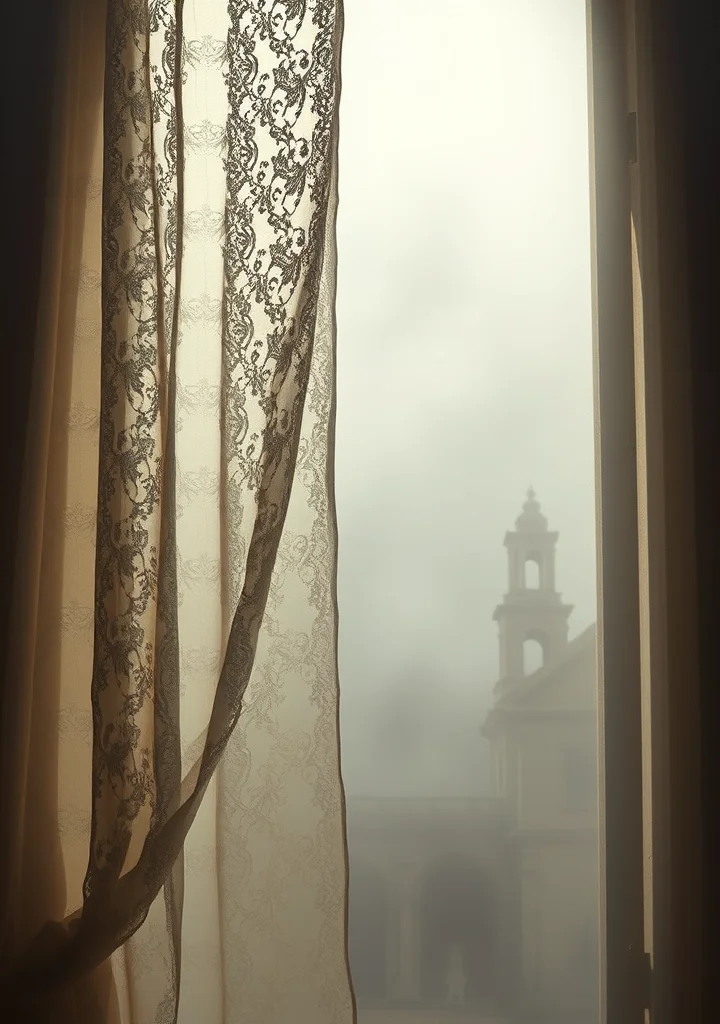
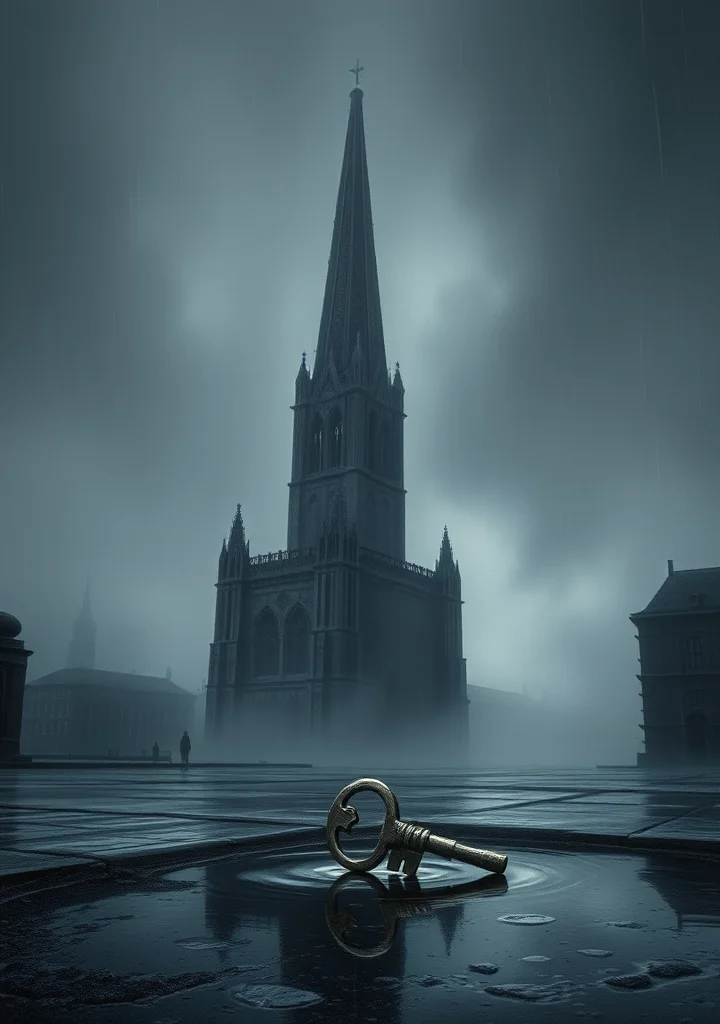
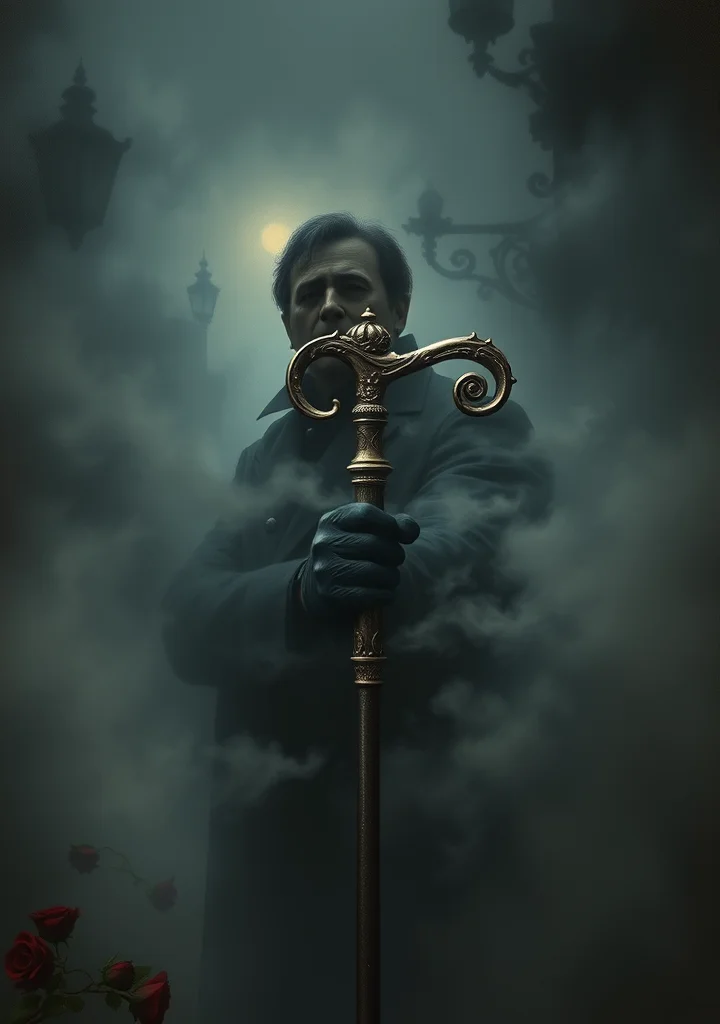
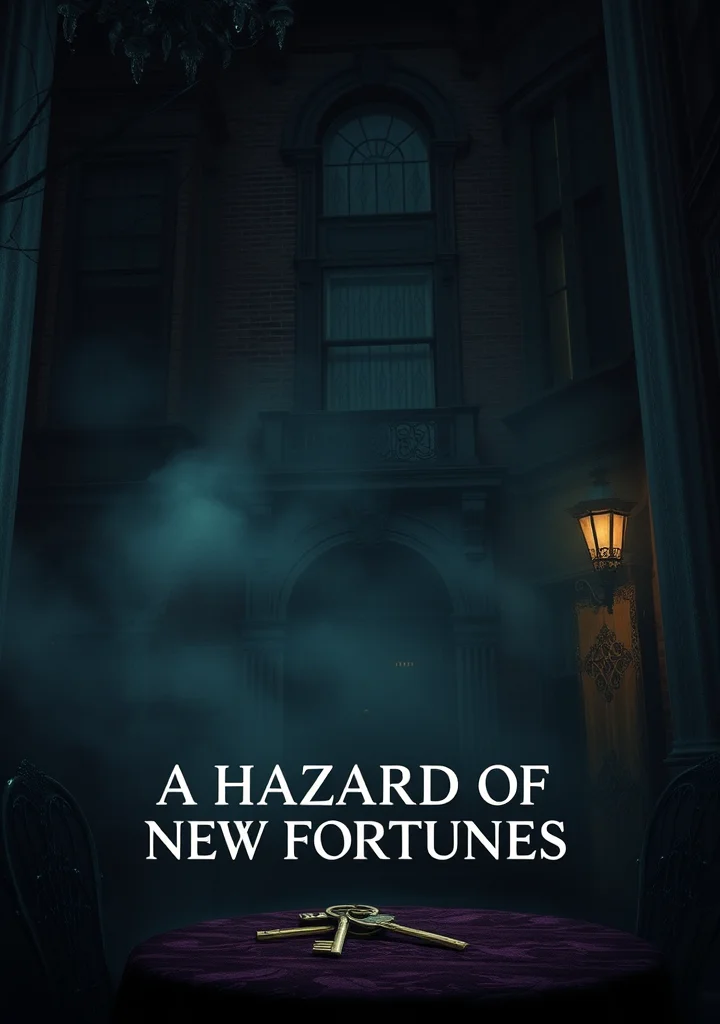
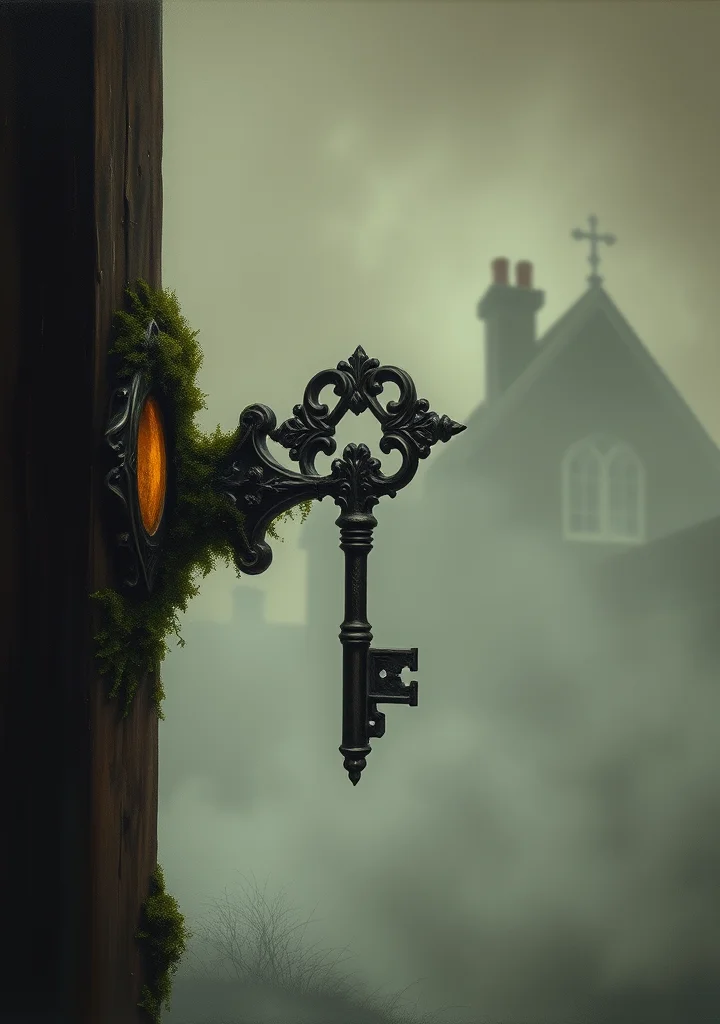
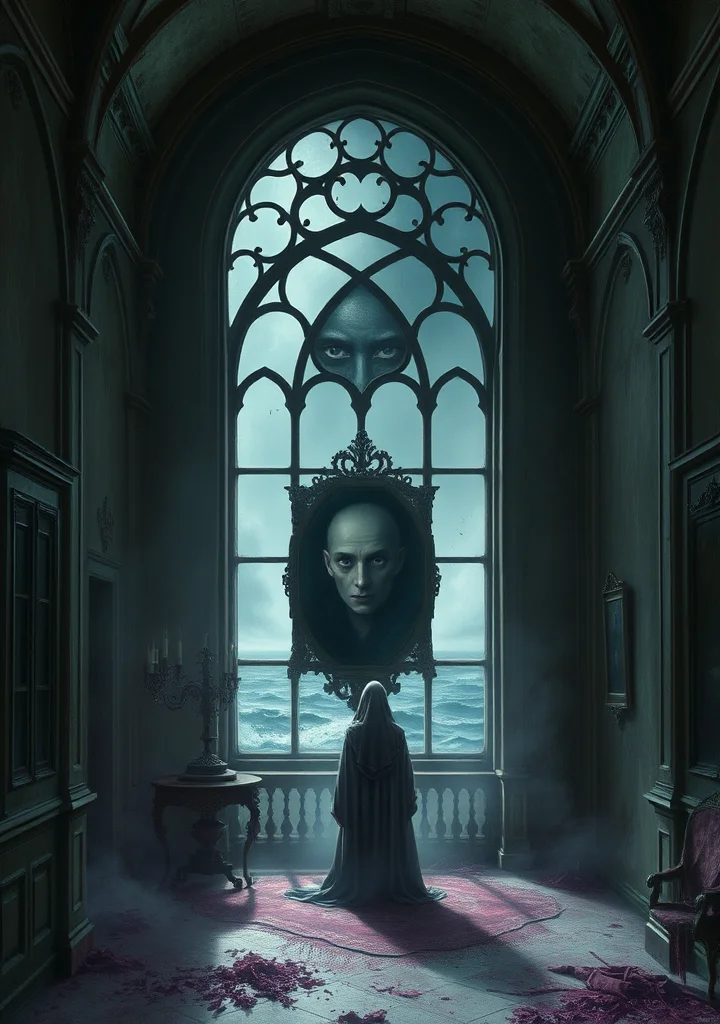
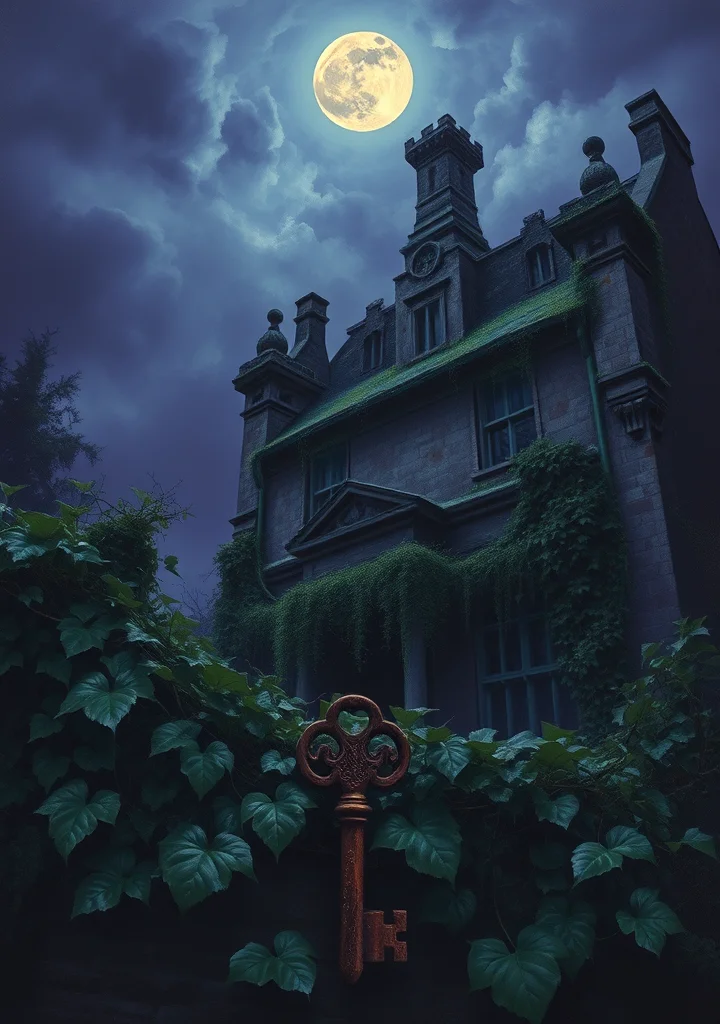
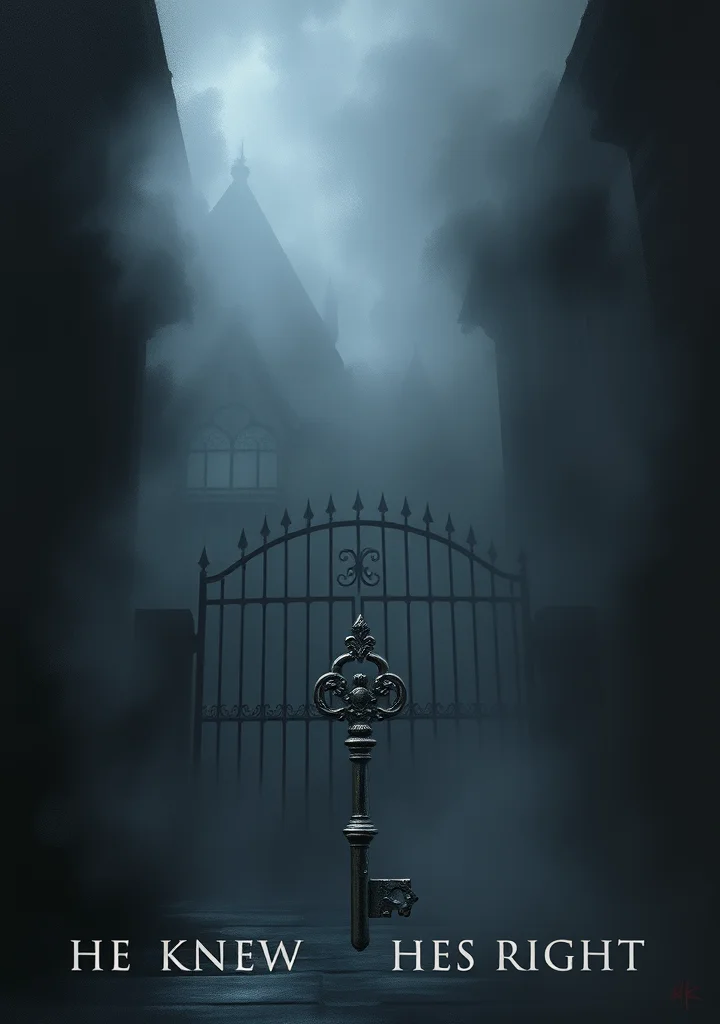
A suffocating fog clings to the manor of the Embleys, mirroring the insidious certainty that consumes its master, Julius Embley. The narrative unfolds not with grand horrors, but with the chilling precision of a tightening noose. Each polite refusal, each dismissive glance, is a brick laid in a wall of quiet desperation. A creeping dread permeates the drawing rooms and shadowed hallways, born not of supernatural menace, but of a man utterly convinced of his own rectitude. The air is thick with the unspoken grievances of a stifled life, a brittle politeness masking a core of glacial ambition. Days bleed into weeks, shadowed by the oppressive weight of Embley's unwavering conviction, a conviction that curdles the very soil of his estate. The scent of decaying roses and stale ambition lingers in every room, a testament to the slow, meticulous erosion of empathy and the suffocating power of self-righteousness. It is a story of rot from within, where the true darkness resides not in the shadows, but in the meticulously ordered chambers of a man who believes he alone understands what is best. The narrative unfolds as a slow suffocation, a tightening of the screws of social constraint, leaving the reader gasping for air alongside those trapped in Embley's orbit.
Copyright: Public Domain
This license allows anyone to use your story for any purpose, including printing, selling, or adapting it into a film freely.
This license allows anyone to use your story for any purpose, including printing, selling, or adapting it into a film freely.
Chapter List
-
« He Knew He Was Right »📖 Continue Reading
-
« I »
-
« II »
-
« III »
-
« IV »
-
« V »
-
« VI »
-
« VII »
-
« VIII »
-
« IX »
-
« X »
-
« XI »
-
« XII »
-
« XIII »
-
« XIV »
-
« XV »
-
« XVI »
-
« XVII »
-
« XVIII »
-
« XIX »
-
« XX »
-
« XXI »
-
« XXII »
-
« XXIII »
-
« XXIV »
-
« XXV »
-
« XXVI »
-
« XXVII »
-
« XXVIII »
-
« XXIX »
-
« XXX »
-
« XXXI »
-
« XXXII »
-
« XXXIII »
-
« XXXIV »
-
« XXXV »
-
« XXXVI »
-
« XXXVII »
-
« XXXVIII »
-
« XXXIX »
-
« XL »
-
« XLI »
-
« XLII »
-
« XLIII »
-
« XLIV »
-
« XLV »
-
« XLVI »
-
« XLVII »
-
« XLVIII »
-
« XLIX »
-
« L »
-
« LI »
-
« LII »
-
« LIII »
-
« LIV »
-
« LV »
-
« LVI »
-
« LVII »
-
« LVIII »
-
« LIX »
-
« LX »
-
« LXI »
-
« LXII »
-
« LXIII »
-
« LXIV »
-
« LXV »
-
« LXVI »
-
« LXVII »
-
« LXVIII »
-
« LXIX »
-
« LXX »
-
« LXXI »
-
« LXXII »
-
« LXXIII »
-
« LXXIV »
-
« LXXV »
-
« LXXVI »
-
« LXXVII »
-
« LXXVIII »
-
« LXXIX »
-
« LXXX »
-
« LXXXI »
-
« LXXXII »
-
« LXXXIII »
-
« LXXXIV »
-
« LXXXV »
-
« LXXXVI »
-
« LXXXVII »
-
« LXXXVIII »
-
« LXXXIX »
-
« XC »
-
« XCI »
-
« XCII »
-
« XCIII »
-
« XCIV »
-
« XCV »
-
« XCVI »
-
« XCVII »
-
« XCVIII »
-
« XCIX »
100
-
« He Knew He Was Right »
-
« I »
-
« II »
-
« III »
-
« IV »
-
« V »
-
« VI »
-
« VII »
-
« VIII »
-
« IX »
-
« X »
-
« XI »
-
« XII »
-
« XIII »
-
« XIV »
-
« XV »
-
« XVI »
-
« XVII »
-
« XVIII »
-
« XIX »
-
« XX »
-
« XXI »
-
« XXII »
-
« XXIII »
-
« XXIV »
-
« XXV »
-
« XXVI »
-
« XXVII »
-
« XXVIII »
-
« XXIX »
-
« XXX »
-
« XXXI »
-
« XXXII »
-
« XXXIII »
-
« XXXIV »
-
« XXXV »
-
« XXXVI »
-
« XXXVII »
-
« XXXVIII »
-
« XXXIX »
-
« XL »
-
« XLI »
-
« XLII »
-
« XLIII »
-
« XLIV »
-
« XLV »
-
« XLVI »
-
« XLVII »
-
« XLVIII »
-
« XLIX »
-
« L »
-
« LI »
-
« LII »
-
« LIII »
-
« LIV »
-
« LV »
-
« LVI »
-
« LVII »
-
« LVIII »
-
« LIX »
-
« LX »
-
« LXI »
-
« LXII »
-
« LXIII »
-
« LXIV »
-
« LXV »
-
« LXVI »
-
« LXVII »
-
« LXVIII »
-
« LXIX »
-
« LXX »
-
« LXXI »
-
« LXXII »
-
« LXXIII »
-
« LXXIV »
-
« LXXV »
-
« LXXVI »
-
« LXXVII »
-
« LXXVIII »
-
« LXXIX »
-
« LXXX »
-
« LXXXI »
-
« LXXXII »
-
« LXXXIII »
-
« LXXXIV »
-
« LXXXV »
-
« LXXXVI »
-
« LXXXVII »
-
« LXXXVIII »
-
« LXXXIX »
-
« XC »
-
« XCI »
-
« XCII »
-
« XCIII »
-
« XCIV »
-
« XCV »
-
« XCVI »
-
« XCVII »
-
« XCVIII »
-
« XCIX »
More like this