
The Wyvern Mystery
  • 530
  • 0
  • 66
  • Reads 530
  • 0
  • Part 66
Completed, First published Mar 02, 2026

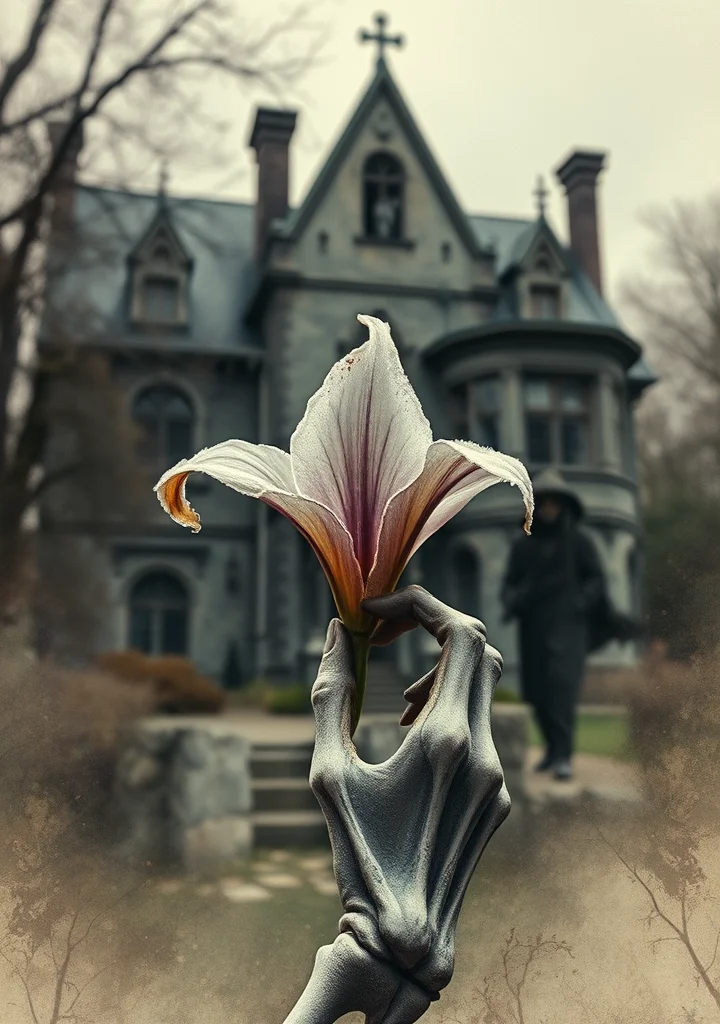
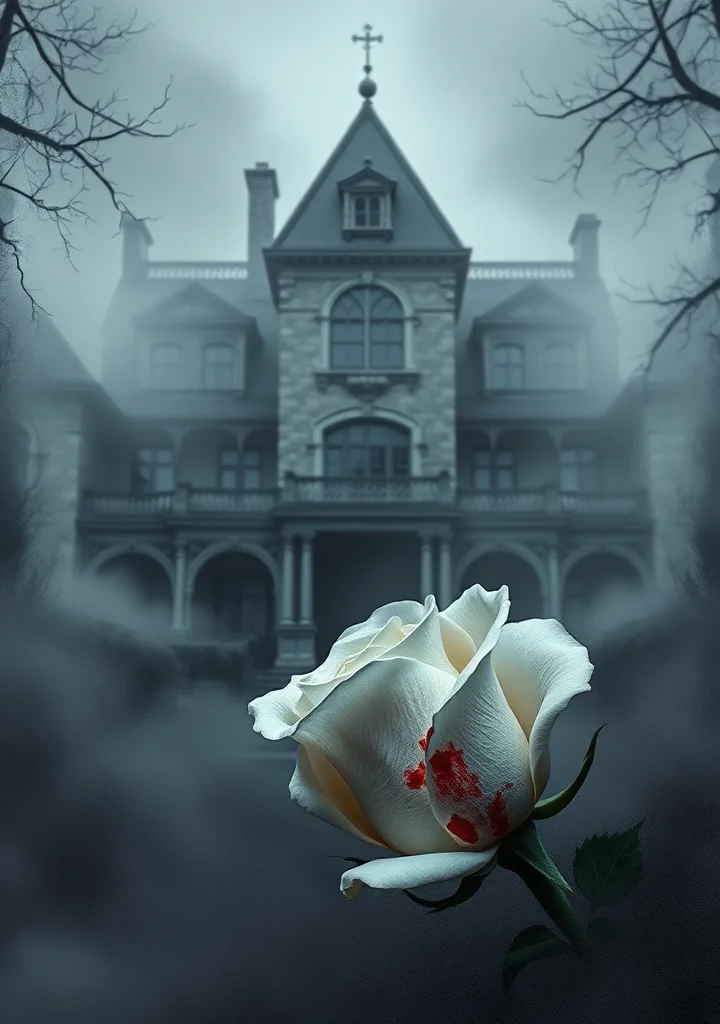
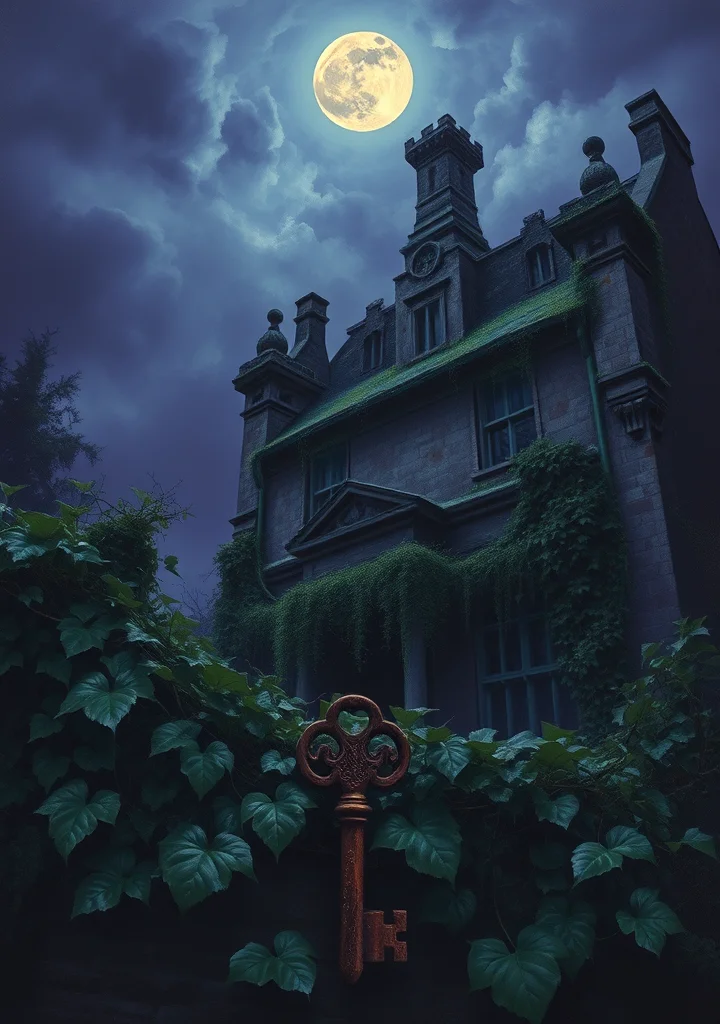
A creeping dread clings to the ancient manor of Wyvernshaven, where shadows stretch long from crumbling battlements and the scent of brine mingles with the rot of forgotten things. Le Fanu weaves a tale not of spectral apparitions, but of a suffocating inheritance—a legacy of madness that festers within the stone walls and the bloodlines of those who claim ownership. The estate itself seems to breathe with a cold, predatory intelligence, its history unfolding in whispers carried on the wind, and revealed through fractured accounts of the locals. A slow unraveling of sanity permeates the narrative, as the new heir, drawn by morbid curiosity and the promise of wealth, discovers the manor’s true treasures are not gold and jewels, but the echoes of past atrocities. The mystery isn’t solved through deduction, but through yielding to the oppressive atmosphere, to the insidious influence of Wyvernshaven that seeps into the very bone marrow. Each shadowed corridor and overgrown garden yields a fragment of a decaying truth, a fragment of the wyvern’s long-held secret. The narrative is less a hunt for answers, and more a descent into a suffocating, ancestral nightmare—a place where the living are haunted by the sins of the dead, and where the very land itself seems determined to claim another soul.
Copyright: Public Domain
This license allows anyone to use your story for any purpose, including printing, selling, or adapting it into a film freely.
Chapter List

66

Recommended for you
45 Part
A fog-choked New York winter yields not just snow, but a corpse—a wealthy lawyer found shot dead in his locked study, a single playing card, the queen of spades, resting upon his breast. The chill seeps into the grand brownstone of Leavenworth, a house steeped in secrets and shadowed by a family fractured by greed. A web of suspicion tightens around a cast of unsettlingly polite, yet subtly desperate characters: a grieving, yet strangely composed widow; a nephew burdened by debt and ambition; a stoic, watchful butler whose silence feels like a confession. The investigation unfolds not with brute force, but with a meticulous unraveling of domestic rituals, overheard whispers, and the delicate, deceptive language of inheritance. Every polished surface reflects a hidden motive, every shadowed corner a potential crime. The reader is drawn into a claustrophobic dance of deduction, guided by a shrewd, observant narrator who understands that the most damning evidence is often found not in what is said, but in what is *not*. The air hangs heavy with the scent of lilies and regret, the rhythmic tick of grandfather clocks marking the slow decay of trust. As the snow falls and the city darkens, the true horror isn’t the act of murder itself, but the insidious rot of family obligation and the chilling realization that even the most respectable facades conceal a darkness capable of swallowing a man whole. The Leavenworth Case is a study in how easily a life, and a fortune, can be extinguished within the suffocating elegance of a gilded age.
9 Part
The Rue Saint-Honoré exhales secrets in the Parisian dusk, clinging to the silk gowns and shadowed doorways like a stifled confession. Within the gilded cage of her late husband’s fortune, Madame de Bréville, nearing the barren edge of thirty, finds herself a specimen under the dissecting gaze of a society that prizes bloom above all else. But it is not merely the fear of fading beauty that haunts these chambers—it is a creeping dread born of loneliness, of the echoing emptiness within a life meticulously constructed on appearances. The air thickens with the scent of decaying roses and the whispered calculations of ambition. Every glance across the crowded salon feels like a measuring of worth, a judgment on her remaining value. A desperate hunger for connection—not love, but acknowledgement—drives her towards increasingly reckless ventures, each a gamble against the encroaching darkness. The novel breathes with the chill of polished marble, the weight of inherited jewels, and the suffocating elegance of a world where a woman’s worth is tallied in the diminishing years she has left to spend. Shadows lengthen in the grand apartments, mirroring the insidious compromises she makes to remain visible. A subtle, exquisite rot festers beneath the veneer of respectability, revealed in the furtive glances, the loaded silences, and the ever-present, gnawing anxiety of being judged—and found wanting—by a society that demands a perpetual spring. It is a slow, insidious unraveling, draped in lace and gilded regret.
13 Part
A creeping mist clings to the borders of the forgotten continent, where three men—Van, Terry, and Jeff—dare to venture into a realm whispered about only in the fever dreams of sailors. This is Herland, a land populated solely by women, born of an ancient, impossible isolation. But the silence is not peaceful. It’s a suffocating weight, pressing down on the explorers as they discover a society built not on conquest or domination, but on an unnervingly serene, biological perfection. The air itself tastes of fecundity and decay, a sweet rot blooming in the humid shadows of colossal, vine-choked trees. Each encounter with the Herland mothers—pale, luminous creatures with eyes that hold the weight of millennia—is a slow unraveling of the explorers’ masculine assumptions. The beauty is not inviting, but predatory, a hypnotic lure promising both salvation and annihilation. Walls of emerald moss hide crumbling structures, remnants of a civilization older than history, hinting at a terrible, organic evolution. The men’s desires—lust, ambition, the need to control—become grotesque caricatures reflected back at them in the unnervingly placid faces of their hosts. Herland isn’t a paradise; it’s a chrysalis, and the men are moths drawn to a flame that will consume them, remaking them into something alien and utterly, irrevocably *other*. The further they delve, the more the land breathes around them, a living entity testing, observing, and ultimately, *claiming* them for its own insidious purpose. It is a land not of monsters, but of a singular, terrifying grace.
23 Part
Dust motes dance in the perpetual twilight of the observatory, mirroring the spiraling descent into madness that consumes Dr. Elias Thorne. Flammarion’s *Omega* isn’t merely a tale of scientific obsession, but a slow erosion of sanity witnessed through the lens of a dying star. Thorne, charting the final collapse of a celestial body, finds his own reality fracturing—the boundaries between observation and hallucination, the known universe and the abyss, blurring with each passing night. The estate itself, a gothic monolith clinging to a windswept promontory, breathes with the same decaying rhythm as Thorne’s mind. Shadows lengthen, not from the setting sun, but from the encroaching void within. His journals, filled with frantic sketches and increasingly illegible equations, bleed into feverish pronouncements about a cosmic convergence—a point of ultimate dissolution where all things, including the self, return to the primal darkness. The air chills with the scent of ozone and decay, thick with the weight of unseen presences drawn to the observatory’s singular focus. A creeping dread seeps from the stone walls, mirroring the encroaching entropy of Thorne’s soul as he descends, not into the mysteries of the cosmos, but into the suffocating silence at its heart. The final pages, scrawled in a trembling hand, speak of a ritual—a desperate attempt to commune with the collapsing star, to *become* Omega, to embrace the oblivion that awaits all creation. It’s a descent not into hell, but into the echoing emptiness *beyond* it.