
-
Read 1.2K
-
0
-
Part 133
Completed, First published Mar 02, 2026
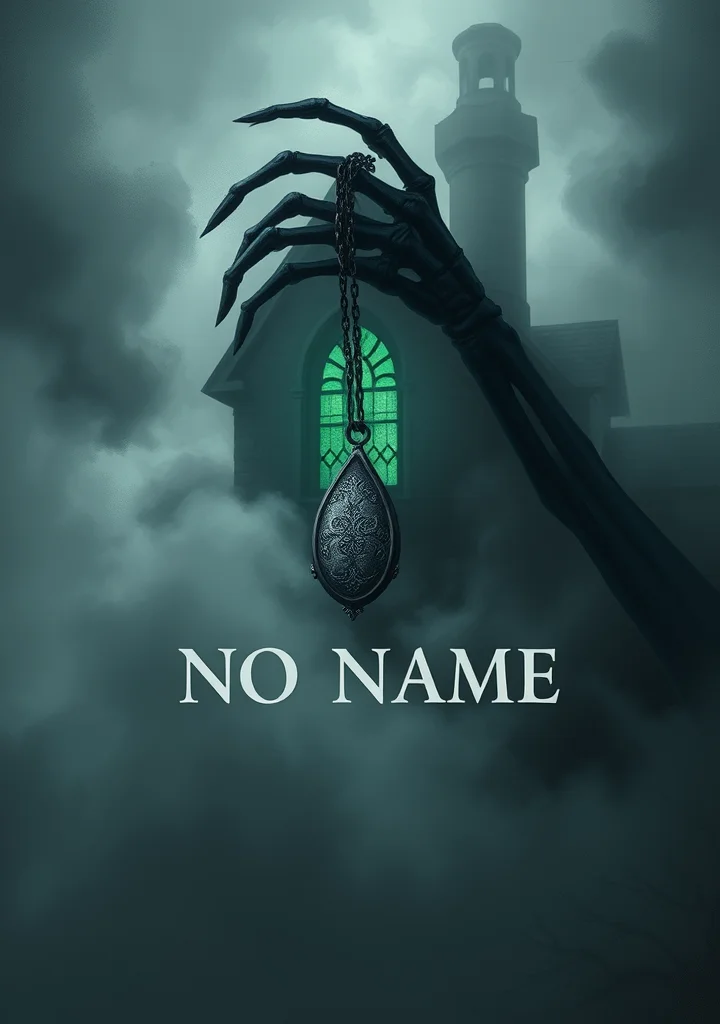
Dust motes dance in the perpetual twilight of Harper’s Louisiana, clinging to the Spanish moss that weeps from cypress knees. This is not a tale of grand plantations and gilded balls, but one breathed from the cracked lips of those left voiceless by the sugar cane’s shadow. A suffocating humidity presses in, mirroring the weight of inherited griefs that bind generations of women—free and enslaved—to a land haunted by whispers of stolen lives. The narrative coils like a root system beneath the decaying elegance of antebellum homes, revealing fractures not in brick and mortar, but in the very foundations of identity. Each verse unearthed is a shard of memory, glinting with the fever-bright delirium of longing and the cold steel of betrayal. Shadows stretch long from the cabins, twisting into spectral forms of rebellion and despair. The scent of jasmine and decay mingle in a suffocating perfume, masking the rot that festers beneath the veneer of Southern gentility. It is a story told not in the clamor of revolt, but in the quiet erosion of hope, the slow, deliberate unraveling of a woman’s spirit within a landscape poised between the living and the unforgotten. The air hangs heavy with the weight of unanswered prayers and the echoing lament of a past that refuses to remain buried.
Copyright: Public Domain
This license allows anyone to use your story for any purpose, including printing, selling, or adapting it into a film freely.
This license allows anyone to use your story for any purpose, including printing, selling, or adapting it into a film freely.
Chapter List
-
« Poetry »📖 Continue Reading
-
« Eliza Harris »
-
« The Soul »
-
« The Syrophenician Woman »
-
« The Slave Mother »
-
« Bible Defence of Slavery »
-
« Ethiopia »
-
« The Drunkard’s Child »
-
« The Slave Auction »
-
« Chapter_11 »
-
« That Blessed Hope »
-
« The Dying Christian »
-
« Report »
-
« Advice to the Girls »
-
« Chapter_16 »
-
« Died of Starvation »
-
« Chapter_18 »
-
« The Fugitive’s Wife »
-
« The Contrast »
-
« The Prodigal’s Return »
-
« Eva’s Farewell »
-
« Be Active »
-
« Lessons of the Street »
-
« “Gone to God” »
-
« To the Union Savers of Cleveland »
-
« Bury Me in a Free Land »
-
« Moses »
-
« I »
-
« II »
-
« III »
-
« IV »
-
« V »
-
« VI »
-
« VII »
-
« VIII »
-
« IX »
-
« Lines toHon.Thaddeus Stevens »
-
« An Appeal to the American People »
-
« Truth »
-
« Death of the Old Sea King »
-
« “Let the Light Enter!” »
-
« Chapter_43 »
-
« Death of Zombi »
-
« Lines to Charles Sumner »
-
« “Sir, We Would See Jesus” »
-
« The Bride of Death »
-
« Thank God for Little Children »
-
« The Dying Fugitive »
-
« The Freedom Bell »
-
« Mary at the Feet of Christ »
-
« The Mother’s Blessing »
-
« Vashti »
-
« The Change »
-
« The Dying Mother »
-
« Words for the Hour »
-
« President Lincoln’s Proclamation of Freedom »
-
« To a Babe Smiling in Her Sleep »
-
« The Artist »
-
« Jesus »
-
« Fifteenth Amendment »
-
« Retribution »
-
« The Sin of Achan »
-
« Lines to Miles O’Reiley »
-
« The Little Builders »
-
« The Dying Child to Her Blind Father »
-
« Light in Darkness »
-
« Our English Friends »
-
« Aunt Chloe »
-
« The Deliverance »
-
« Aunt Chloe’s Politics »
-
« Learning to Read »
-
« Church Building »
-
« The Reunion »
-
« “I Thirst” »
-
« Chapter_76 »
-
« Chapter_77 »
-
« Free Labor »
-
« Lines »
-
« Chapter_80 »
-
« The Slave Mother »
-
« Rizpah, the Daughter of Ai »
-
« Ruth and Naomi »
-
« The Jewish Grandfather’s Story »
-
« Out in the Cold »
-
« Save the Boys »
-
« Nothing and Something »
-
« Wanderer’s Return »
-
« “Fishers of Men” »
-
« Signing the Pledge »
-
« 25th Anniversary of the “Old Folks’ Home” »
-
« A Fairer Hope, a Brighter Morn »
-
« Chapter_93 »
-
« The Night of Death »
-
« Mother’s Treasures »
-
« The Refiner’s Gold »
-
« A Story of the Rebellion »
-
« Burial of Sarah »
-
« Going East »
-
« The Hermit’s Sacrifice »
-
« Songs for the People »
-
« An Appeal to My Countrywomen »
-
« Then and Now »
-
« Maceo »
-
« My Mother’s Kiss »
-
« A Grain of Sand »
-
« The Crocuses »
-
« The Present Age »
-
« Chapter_109 »
-
« A Double Standard »
-
« Our Hero »
-
« The Dying Bondman »
-
« “A Little Child Shall Lead Them” »
-
« The Sparrow’s Fall »
-
« God Bless Our Native Land »
-
« Dandelions »
-
« The Building »
-
« Home, Sweet Home »
-
« The Pure in Heart Shall See God »
-
« He “Had Not Where to Lay His Head” »
-
« Go Work in My Vineyard »
-
« Renewal of Strength »
-
« Jamie’s Puzzle »
-
« The Lost Bells »
-
« “Do Not Cheer, Men Are Dying,” SaidCapt.Phillips, in the Spanish-American War »
-
« The Burdens of All »
-
« Behold the Lilies! »
-
« The Ragged Stocking »
-
« The Fatal Pledge »
-
« Christ’s Entry Into Jerusalem »
-
« The Resurrection of Jesus »
-
« Simon’s Countrymen »
-
« Deliverance »
-
« Simon’s Feast »
133
-
« Poetry »
-
« Eliza Harris »
-
« The Soul »
-
« The Syrophenician Woman »
-
« The Slave Mother »
-
« Bible Defence of Slavery »
-
« Ethiopia »
-
« The Drunkard’s Child »
-
« The Slave Auction »
-
« Chapter_11 »
-
« That Blessed Hope »
-
« The Dying Christian »
-
« Report »
-
« Advice to the Girls »
-
« Chapter_16 »
-
« Died of Starvation »
-
« Chapter_18 »
-
« The Fugitive’s Wife »
-
« The Contrast »
-
« The Prodigal’s Return »
-
« Eva’s Farewell »
-
« Be Active »
-
« Lessons of the Street »
-
« “Gone to God” »
-
« To the Union Savers of Cleveland »
-
« Bury Me in a Free Land »
-
« Moses »
-
« I »
-
« II »
-
« III »
-
« IV »
-
« V »
-
« VI »
-
« VII »
-
« VIII »
-
« IX »
-
« Lines toHon.Thaddeus Stevens »
-
« An Appeal to the American People »
-
« Truth »
-
« Death of the Old Sea King »
-
« “Let the Light Enter!” »
-
« Chapter_43 »
-
« Death of Zombi »
-
« Lines to Charles Sumner »
-
« “Sir, We Would See Jesus” »
-
« The Bride of Death »
-
« Thank God for Little Children »
-
« The Dying Fugitive »
-
« The Freedom Bell »
-
« Mary at the Feet of Christ »
-
« The Mother’s Blessing »
-
« Vashti »
-
« The Change »
-
« The Dying Mother »
-
« Words for the Hour »
-
« President Lincoln’s Proclamation of Freedom »
-
« To a Babe Smiling in Her Sleep »
-
« The Artist »
-
« Jesus »
-
« Fifteenth Amendment »
-
« Retribution »
-
« The Sin of Achan »
-
« Lines to Miles O’Reiley »
-
« The Little Builders »
-
« The Dying Child to Her Blind Father »
-
« Light in Darkness »
-
« Our English Friends »
-
« Aunt Chloe »
-
« The Deliverance »
-
« Aunt Chloe’s Politics »
-
« Learning to Read »
-
« Church Building »
-
« The Reunion »
-
« “I Thirst” »
-
« Chapter_76 »
-
« Chapter_77 »
-
« Free Labor »
-
« Lines »
-
« Chapter_80 »
-
« The Slave Mother »
-
« Rizpah, the Daughter of Ai »
-
« Ruth and Naomi »
-
« The Jewish Grandfather’s Story »
-
« Out in the Cold »
-
« Save the Boys »
-
« Nothing and Something »
-
« Wanderer’s Return »
-
« “Fishers of Men” »
-
« Signing the Pledge »
-
« 25th Anniversary of the “Old Folks’ Home” »
-
« A Fairer Hope, a Brighter Morn »
-
« Chapter_93 »
-
« The Night of Death »
-
« Mother’s Treasures »
-
« The Refiner’s Gold »
-
« A Story of the Rebellion »
-
« Burial of Sarah »
-
« Going East »
-
« The Hermit’s Sacrifice »
-
« Songs for the People »
-
« An Appeal to My Countrywomen »
-
« Then and Now »
-
« Maceo »
-
« My Mother’s Kiss »
-
« A Grain of Sand »
-
« The Crocuses »
-
« The Present Age »
-
« Chapter_109 »
-
« A Double Standard »
-
« Our Hero »
-
« The Dying Bondman »
-
« “A Little Child Shall Lead Them” »
-
« The Sparrow’s Fall »
-
« God Bless Our Native Land »
-
« Dandelions »
-
« The Building »
-
« Home, Sweet Home »
-
« The Pure in Heart Shall See God »
-
« He “Had Not Where to Lay His Head” »
-
« Go Work in My Vineyard »
-
« Renewal of Strength »
-
« Jamie’s Puzzle »
-
« The Lost Bells »
-
« “Do Not Cheer, Men Are Dying,” SaidCapt.Phillips, in the Spanish-American War »
-
« The Burdens of All »
-
« Behold the Lilies! »
-
« The Ragged Stocking »
-
« The Fatal Pledge »
-
« Christ’s Entry Into Jerusalem »
-
« The Resurrection of Jesus »
-
« Simon’s Countrymen »
-
« Deliverance »
-
« Simon’s Feast »
More like this