
-
Read 4.1K
-
0
-
Part 605
Completed, First published Mar 02, 2026
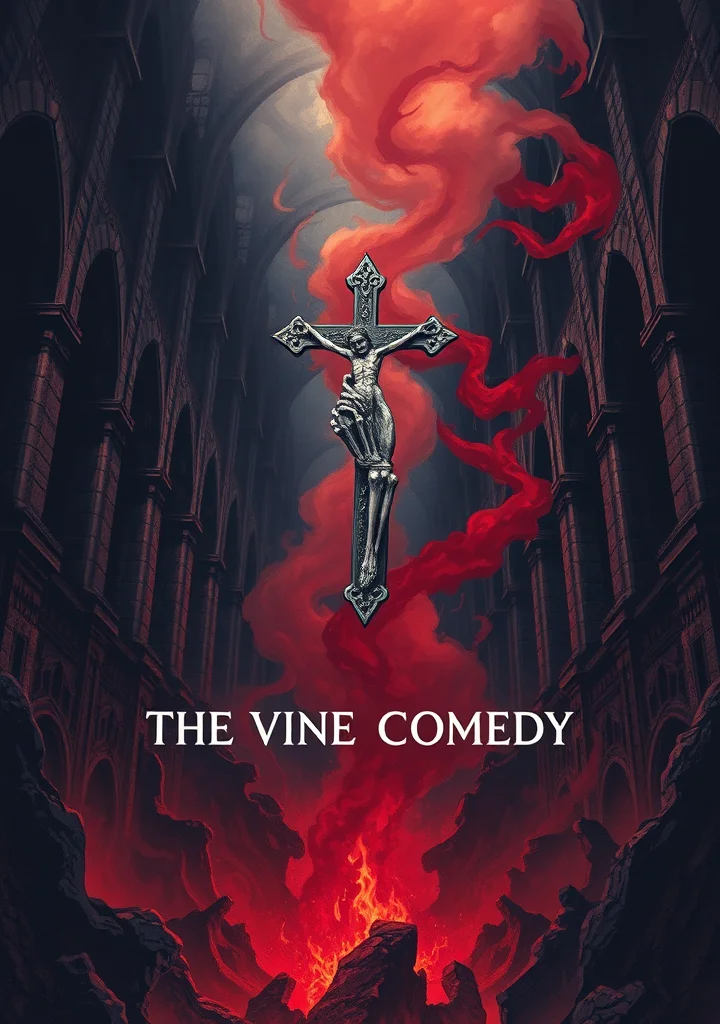
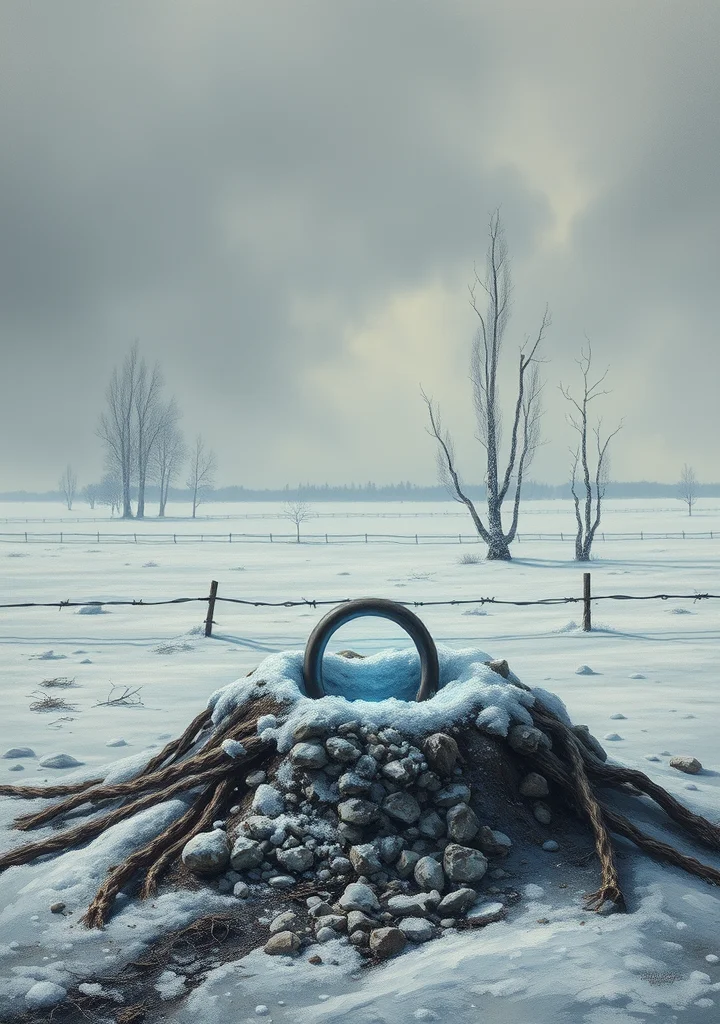
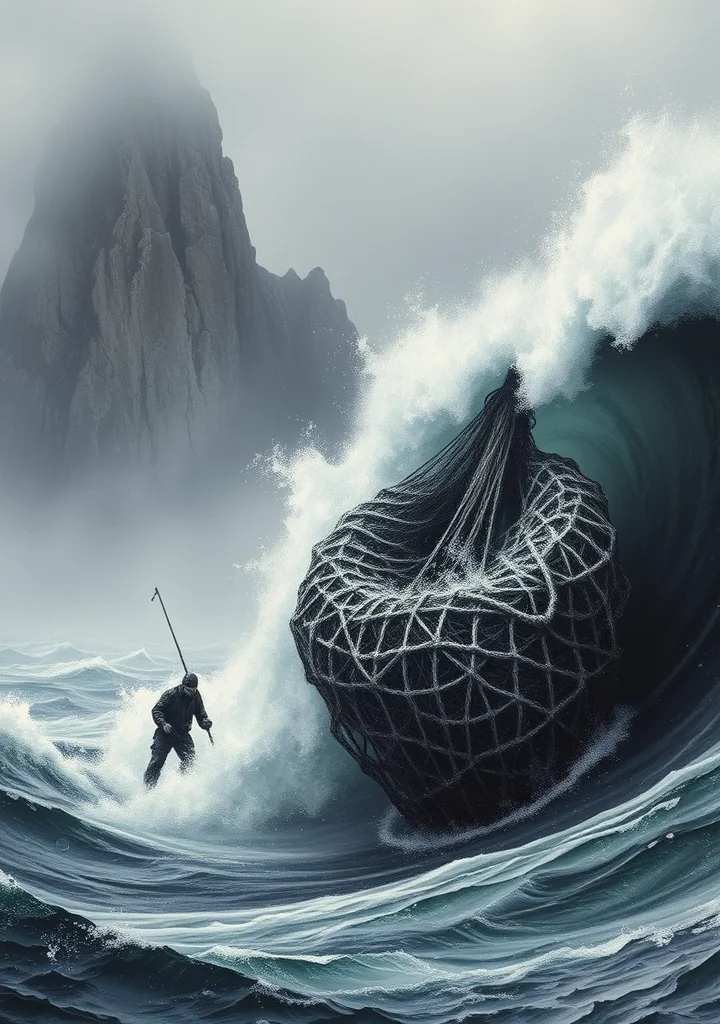
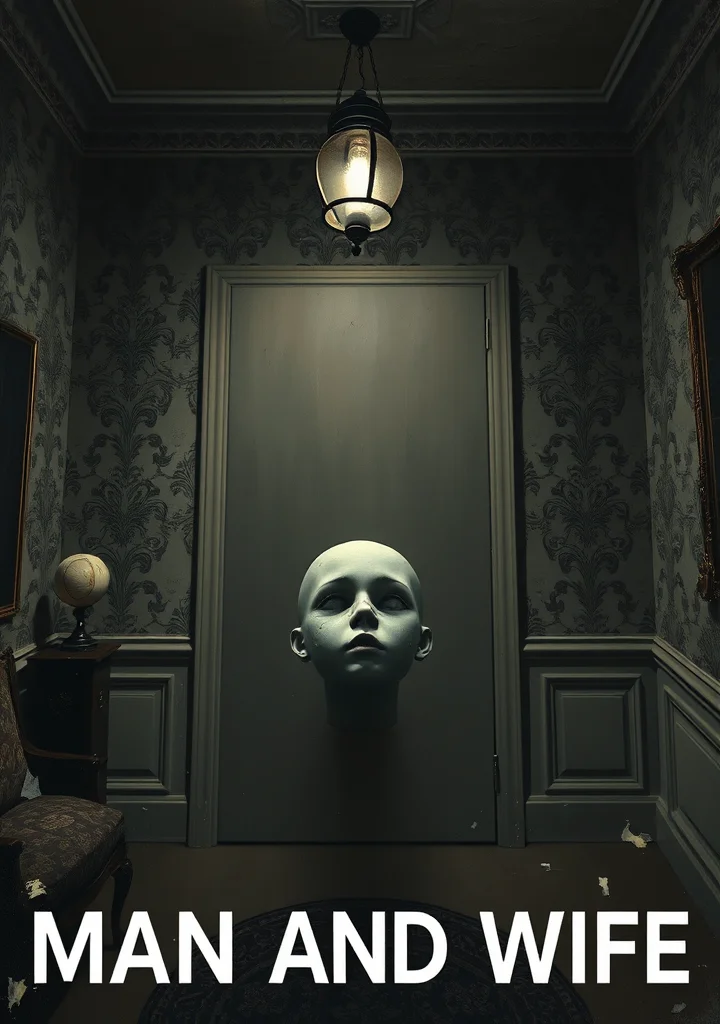
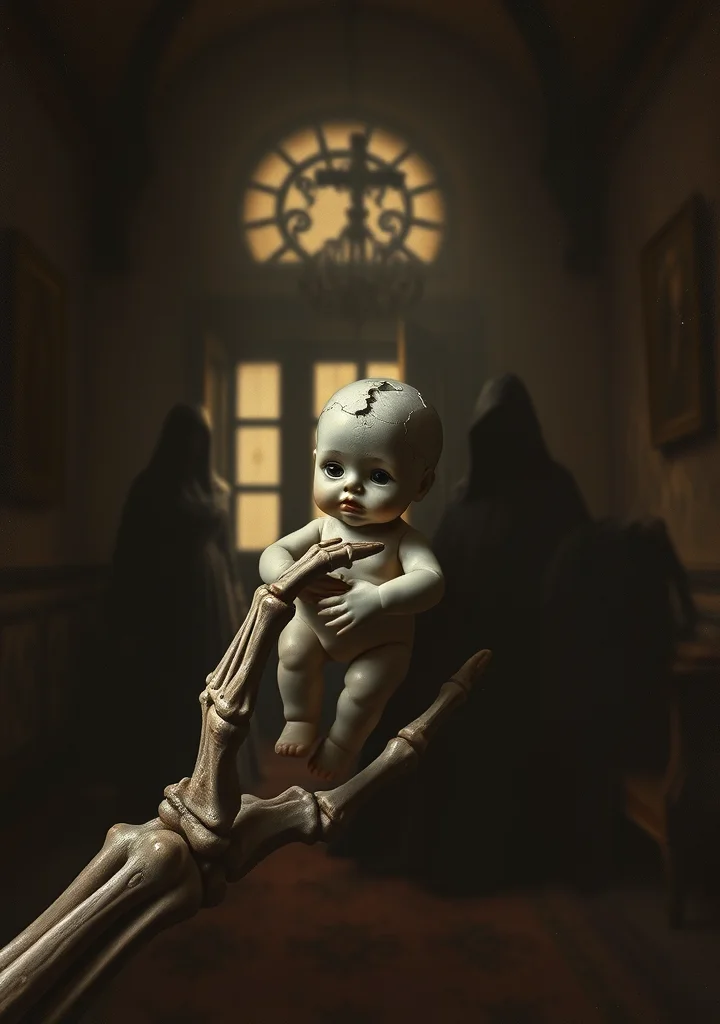
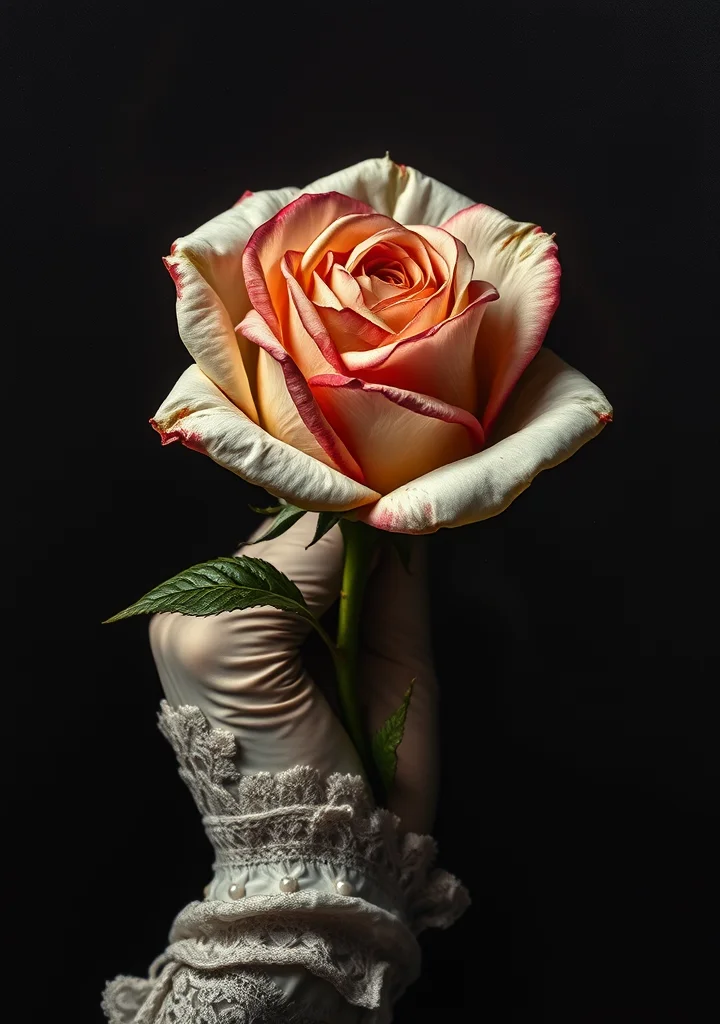
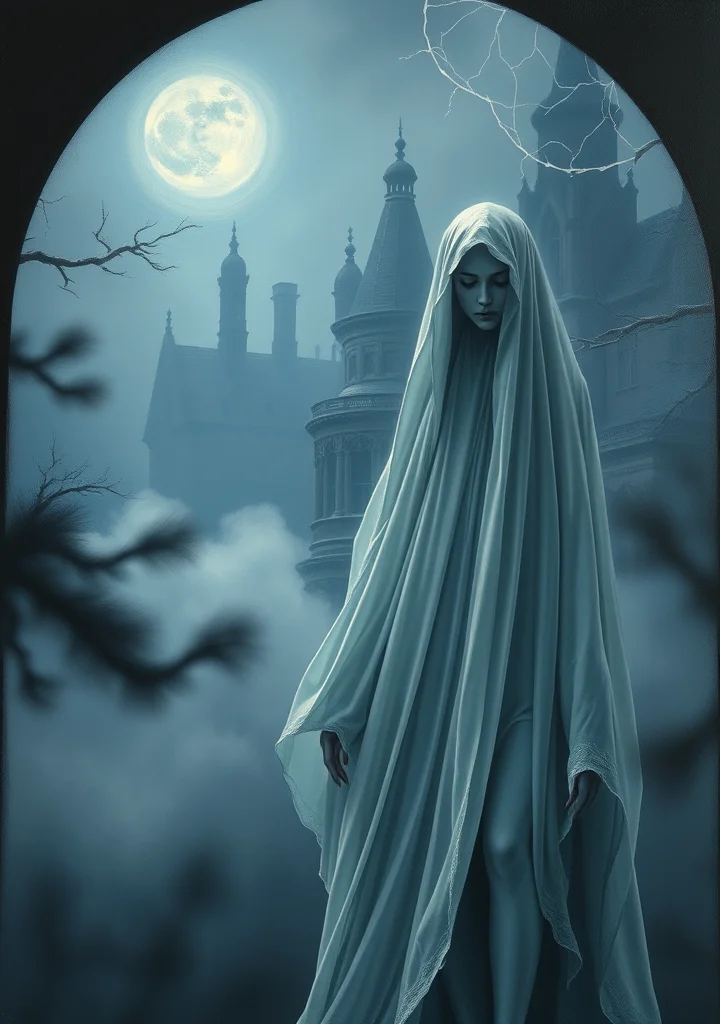
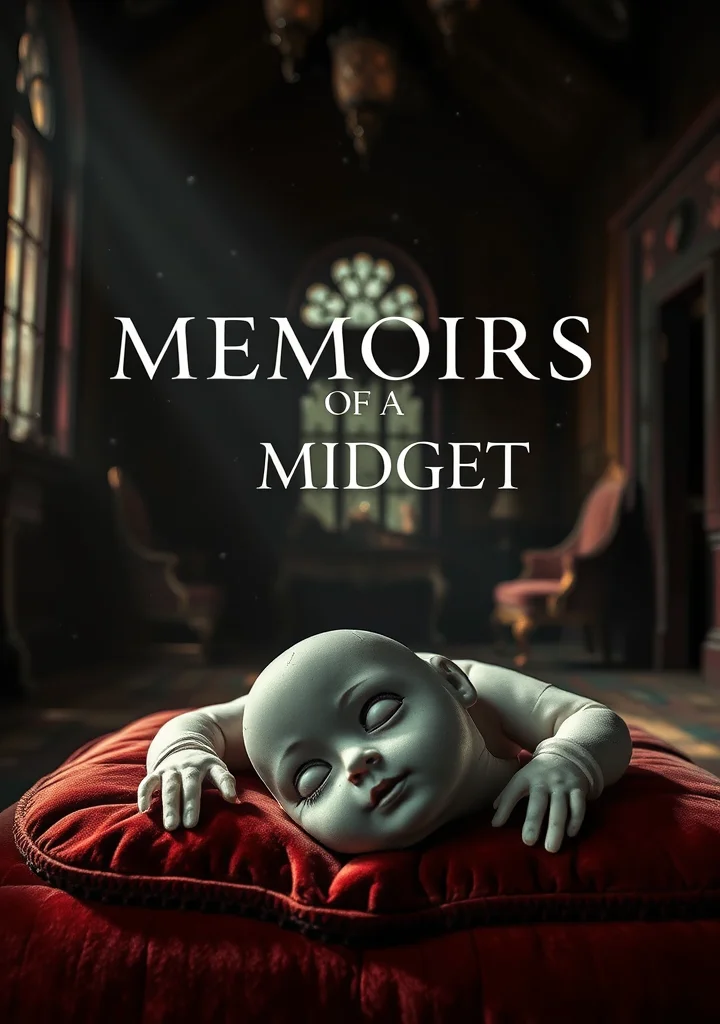
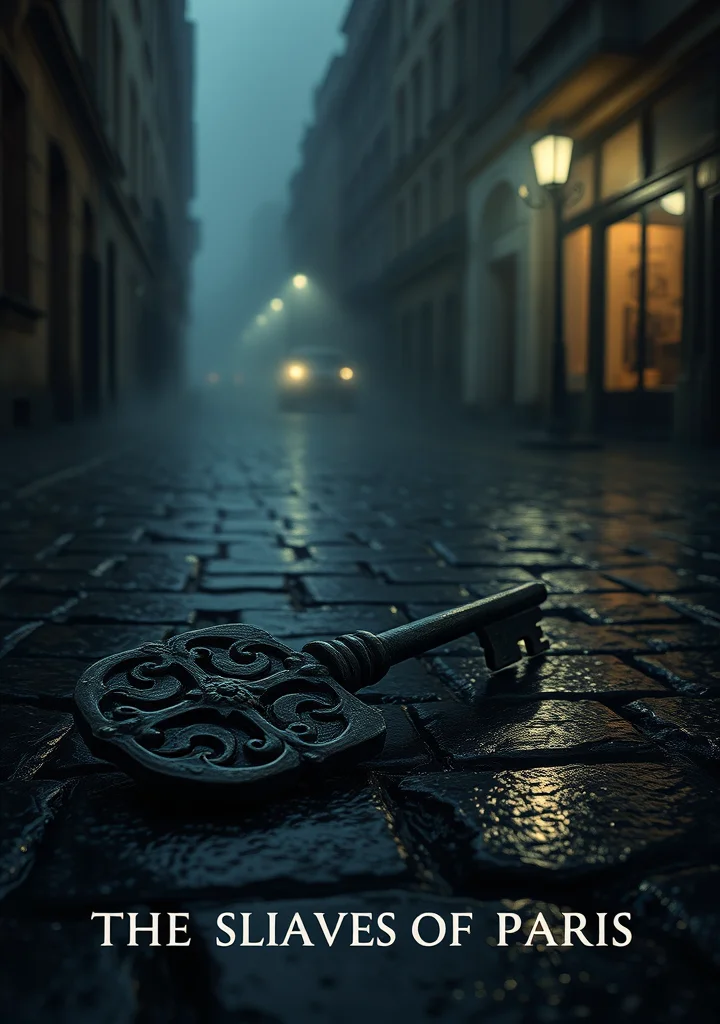
A creeping dread clings to these pages, not of grand horrors but of the suffocating weight of unchosen lives. Tolstoy, even in brevity, excavates the rot beneath the gilded surfaces of provincial estates. Here, the air is thick with the scent of damp earth and decaying lace, mirroring the slow disintegration of faith and affection. Each tale feels unearthed from a forgotten corner of a manor house, lit only by the flickering candlelight of regret. The characters move through perpetual twilight, haunted by the ghosts of what might have been, their silences echoing with the brittle fracture of unspoken desires. A suffocating stillness pervades—not a silence of peace, but one born of resignation, of lives withered before they truly bloomed. The narrative doesn't rush, it *seeps*, staining the reader with the melancholy of inherited sorrow and the subtle, corrosive power of unfulfilled yearning. These are stories where the absence of drama is the most terrifying aspect, a slow erosion of the soul mirroring the decay of the Russian countryside itself. The weight of tradition presses down, not with malice, but with an implacable, suffocating indifference.
Copyright: Public Domain
This license allows anyone to use your story for any purpose, including printing, selling, or adapting it into a film freely.
This license allows anyone to use your story for any purpose, including printing, selling, or adapting it into a film freely.
Chapter List
-
« Short Fiction »📖 Continue Reading
-
« The Raid »
-
« I »
-
« II »
-
« III »
-
« IV »
-
« V »
-
« VI »
-
« VII »
-
« VIII »
-
« IX »
-
« X »
-
« XI »
-
« XII »
-
« The Wood-Felling »
-
« I »
-
« II »
-
« III »
-
« IV »
-
« V »
-
« VI »
-
« VII »
-
« VIII »
-
« IX »
-
« X »
-
« XI »
-
« XII »
-
« XIII »
-
« Recollections of a Scorer »
-
« Sevastopol »
-
« In December 1854 »
-
« In May 1855 »
-
« I »
-
« II »
-
« III »
-
« IV »
-
« V »
-
« VI »
-
« VII »
-
« VIII »
-
« IX »
-
« X »
-
« XI »
-
« XII »
-
« XIII »
-
« XIV »
-
« XV »
-
« XVI »
-
« In August 1855 »
-
« I »
-
« II »
-
« III »
-
« IV »
-
« V »
-
« VI »
-
« VII »
-
« VIII »
-
« IX »
-
« X »
-
« XI »
-
« XII »
-
« XIII »
-
« XIV »
-
« XV »
-
« XVI »
-
« XVII »
-
« XVIII »
-
« XIX »
-
« XX »
-
« XXI »
-
« XXII »
-
« XXIII »
-
« XXIV »
-
« XXV »
-
« XVI »
-
« Meeting a Moscow Acquaintance in the Detachment »
-
« The Snowstorm »
-
« I »
-
« II »
-
« III »
-
« IV »
-
« V »
-
« VI »
-
« VII »
-
« VIII »
-
« IX »
-
« X »
-
« XI »
-
« A Russian Proprietor »
-
« I »
-
« II »
-
« III »
-
« IV »
-
« V »
-
« VI »
-
« VII »
-
« VIII »
-
« IX »
-
« X »
-
« XI »
-
« XII »
-
« XIII »
-
« XIV »
-
« XV »
-
« XVI »
-
« XVII »
-
« XVIII »
-
« XIX »
-
« XX »
-
« Lucerne »
-
« Albert »
-
« I »
-
« II »
-
« III »
-
« IV »
-
« V »
-
« VI »
-
« VII »
-
« Two Hussars »
-
« I »
-
« II »
-
« III »
-
« IV »
-
« V »
-
« VI »
-
« VII »
-
« VIII »
-
« IX »
-
« X »
-
« XI »
-
« XII »
-
« XIII »
-
« XIV »
-
« XV »
-
« XVI »
-
« Three Deaths »
-
« I »
-
« II »
-
« III »
-
« IV »
-
« Family Happiness »
-
« I »
-
« II »
-
« III »
-
« IV »
-
« V »
-
« I »
-
« II »
-
« III »
-
« IV »
-
« Polikoúshka »
-
« I »
-
« II »
-
« III »
-
« IV »
-
« V »
-
« VI »
-
« VII »
-
« VIII »
-
« IX »
-
« X »
-
« XI »
-
« XII »
-
« XIII »
-
« XIV »
-
« XV »
-
« The Porcelain Doll »
-
« The Decembrists »
-
« FirstFragment »
-
« I »
-
« II »
-
« III »
-
« Chapter_176 »
-
« Chapter_177 »
-
« Adaptations and Imitations of Hindu Fables »
-
« The Snake’s Head and Tail »
-
« Fine Thread »
-
« The Partition of the Inheritance »
-
« The Monkey »
-
« The Monkey and the Peas »
-
« The Milch Cow »
-
« The Duck and the Moon »
-
« The Wolf in the Dust »
-
« The Mouse Under the Granary »
-
« The Best Pears »
-
« The Falcon and the Cock »
-
« The Jackals and the Elephant »
-
« The Heron, the Fishes, and the Crab »
-
« The Water-Sprite and the Pearl »
-
« The Blind Man and the Milk »
-
« The Wolf and the Bow »
-
« The Birds in the Net »
-
« The King and the Falcon »
-
« The King and the Elephants »
-
« Why There Is Evil in the World »
-
« The Wolf and the Hunters »
-
« The Two Peasants »
-
« The Peasant and the Horse »
-
« The Two Horses »
-
« The Axe and the Saw »
-
« The Dogs and the Cook »
-
« The Hare and the Harrier »
-
« The Oak and the Hazelbush »
-
« The Hen and the Chicks »
-
« The Corncrake and His Mate »
-
« The Cow and the Billy Goat »
-
« The Fox’s Tail »
-
« From the New Speller »
-
« I »
-
« II »
-
« III »
-
« IV »
-
« V »
-
« VI »
-
« VII »
-
« VIII »
-
« IX »
-
« X »
-
« XI »
-
« XII »
-
« XIII »
-
« XIV »
-
« XV »
-
« XVI »
-
« XVII »
-
« The Great Bear »
-
« The Foundling »
-
« The Peasant and the Cucumbers »
-
« The Fire »
-
« The Old Horse »
-
« How I Learned to Ride »
-
« The Willow »
-
« Búlka »
-
« Búlka and the Wild Boar »
-
« Pheasants »
-
« Milton and Búlka »
-
« The Turtle »
-
« Búlka and the Wolf »
-
« What Happened to Búlka in Pyatigórsk »
-
« Búlka’s and Milton’s End »
-
« The Gray Hare »
-
« Ermák »
-
« Natural Science Stories »
-
« Stories from Physics »
-
« The Magnet »
-
« I »
-
« II »
-
« III »
-
« Injurious Air »
-
« Galvanism »
-
« The Sun’s Heat »
-
« Stories from Zoology »
-
« The Owl and the Hare »
-
« How the Wolves Teach Their Whelps »
-
« Hares and Wolves »
-
« The Scent »
-
« The Silkworm »
-
« Stories from Botany »
-
« The Apple-Tree »
-
« The Old Poplar »
-
« The Bird-Cherry »
-
« How Trees Walk »
-
« A Prisoner in the Caucasus »
-
« I »
-
« II »
-
« III »
-
« IV »
-
« V »
-
« VI »
-
« God Sees the Truth, but Waits »
-
« The Bear-Hunt »
-
« I »
-
« I »
-
« II »
-
« III »
-
« IV »
-
« V »
-
« VI »
-
« VII »
-
« VIII »
-
« IX »
-
« X »
-
« XI »
-
« XII »
-
« Memoirs of a Lunatic »
-
« Chapter_289 »
-
« Two Old Men »
-
« Chapter_291 »
-
« II »
-
« III »
-
« IV »
-
« V »
-
« VI »
-
« VII »
-
« VIII »
-
« IX »
-
« X »
-
« XI »
-
« XII »
-
« Where Love Is, God Is »
-
« I »
-
« I »
-
« II »
-
« III »
-
« IV »
-
« V »
-
« VI »
-
« VII »
-
« VIII »
-
« IX »
-
« X »
-
« XI »
-
« XII »
-
« Evil Allures, but Good Endures »
-
« Little Girls Wiser Than Men »
-
« Ilyás »
-
« Croesus and Solon »
-
« Chapter_321 »
-
« The Imp and the Crust »
-
« How Much Land Does a Man Need? »
-
« I »
-
« II »
-
« III »
-
« IV »
-
« V »
-
« VI »
-
« VII »
-
« VIII »
-
« IX »
-
« A Grain as Big as a Hen’s Egg »
-
« I »
-
« I »
-
« II »
-
« III »
-
« IV »
-
« V »
-
« VI »
-
« VII »
-
« VIII »
-
« IX »
-
« X »
-
« XI »
-
« XII »
-
« XIII »
-
« Chapter_348 »
-
« Chapter_349 »
-
« The Death of Ivan Ilyitch »
-
« I »
-
« II »
-
« III »
-
« IV »
-
« V »
-
« VI »
-
« VII »
-
« VIII »
-
« IX »
-
« X »
-
« XI »
-
« XII »
-
« Kholstomír »
-
« I »
-
« II »
-
« III »
-
« IV »
-
« V »
-
« Chapter_369 »
-
« VI »
-
« VII »
-
« VIII »
-
« IX »
-
« X »
-
« XI »
-
« XII »
-
« XIII »
-
« Walk in the Light While There Is Light »
-
« I »
-
« II »
-
« III »
-
« IV »
-
« V »
-
« VI »
-
« VII »
-
« VIII »
-
« IX »
-
« X »
-
« I »
-
« I »
-
« II »
-
« III »
-
« IV »
-
« V »
-
« VI »
-
« VII »
-
« VIII »
-
« IX »
-
« X »
-
« XI »
-
« XII »
-
« XIII »
-
« XIV »
-
« XV »
-
« XVI »
-
« XVII »
-
« XVIII »
-
« XIX »
-
« XX »
-
« XXI »
-
« XXII »
-
« XXIII »
-
« XXIV »
-
« XXV »
-
« XXVI »
-
« XXVII »
-
« XXVIII »
-
« I »
-
« I »
-
« II »
-
« III »
-
« IV »
-
« V »
-
« VI »
-
« VII »
-
« XIII »
-
« IX »
-
« X »
-
« XI »
-
« XII »
-
« XIII »
-
« XIV »
-
« XV »
-
« XVI »
-
« XVII »
-
« XVIII »
-
« XIX »
-
« XX »
-
« XXI »
-
« Variation of the Conclusion of “The Devil” »
-
« I »
-
« I »
-
« II »
-
« Chapter_444 »
-
« A Dialogue Among Clever People »
-
« Chapter_446 »
-
« The Young Tsar »
-
« Master and Man »
-
« I »
-
« II »
-
« III »
-
« IV »
-
« V »
-
« VI »
-
« VII »
-
« VIII »
-
« IX »
-
« X »
-
« Three Parables »
-
« I »
-
« II »
-
« III »
-
« Chapter_463 »
-
« Father Sergius »
-
« I »
-
« II »
-
« III »
-
« IV »
-
« V »
-
« VI »
-
« The Overthrow of Hell and Its Restoration »
-
« I »
-
« II »
-
« III »
-
« Three Questions »
-
« After the Dance »
-
« Esarhaddon, King of Assyria »
-
« Work, Death, and Sickness »
-
« Alyosha the Pot »
-
« The Posthumous Papers of the Hermit, Fedor Kusmich »
-
« I »
-
« Chapter_482 »
-
« Chapter_483 »
-
« Chapter_484 »
-
« Chapter_485 »
-
« Kornéy Vasílyef »
-
« I »
-
« II »
-
« III »
-
« IV »
-
« V »
-
« Strawberries »
-
« Why? »
-
« I »
-
« II »
-
« III »
-
« IV »
-
« V »
-
« VI »
-
« VII »
-
« VIII »
-
« IX »
-
« X »
-
« XI »
-
« XII »
-
« God’s Way and Man’s »
-
« I »
-
« II »
-
« III »
-
« IV »
-
« V »
-
« VI »
-
« VII »
-
« VIII »
-
« IX »
-
« X »
-
« XI »
-
« XII »
-
« XIII »
-
« There Are No Guilty People »
-
« I »
-
« II »
-
« The Wisdom of Children »
-
« On Religion »
-
« On War »
-
« On State and Fatherland »
-
« On Taxes »
-
« On Judging »
-
« On Kindness »
-
« On Renumeration of Labour »
-
« On Drink »
-
« On Capital Punishment »
-
« On Prisons »
-
« On Wealth »
-
« On Those Who Offend You »
-
« On the Press »
-
« On Repentance »
-
« On Art »
-
« On Science »
-
« On Going to Law »
-
« On the Criminal Court »
-
« On Property »
-
« On Children »
-
« On Education »
-
« Two Wayfarers »
-
« Khodinka »
-
« The Memoirs of a Mother »
-
« Father Vasily »
-
« I »
-
« II »
-
« III »
-
« IV »
-
« Three Days in the Village »
-
« First Day »
-
« Second Day »
-
« Third Day »
-
« Conclusion »
-
« Singing in the Village »
-
« Traveller and Peasant »
-
« A Talk with a Wayfarer »
-
« From the Diary »
-
« The Forged Coupon »
-
« I »
-
« II »
-
« III »
-
« IV »
-
« V »
-
« VI »
-
« VII »
-
« VIII »
-
« IX »
-
« X »
-
« XI »
-
« XII »
-
« XIII »
-
« XIV »
-
« XV »
-
« XVI »
-
« XVII »
-
« XVIII »
-
« XIX »
-
« XX »
-
« XXI »
-
« XXII »
-
« XXIII »
-
« I »
-
« II »
-
« III »
-
« IV »
-
« V »
-
« VI »
-
« VII »
-
« VIII »
-
« IX »
-
« X »
-
« XI »
-
« XII »
-
« XIII »
-
« XIV »
-
« XV »
-
« XVI »
-
« XVII »
-
« XVIII »
-
« XIX »
-
« My Dream »
-
« I »
-
« II »
-
« III »
605
-
« Short Fiction »
-
« The Raid »
-
« I »
-
« II »
-
« III »
-
« IV »
-
« V »
-
« VI »
-
« VII »
-
« VIII »
-
« IX »
-
« X »
-
« XI »
-
« XII »
-
« The Wood-Felling »
-
« I »
-
« II »
-
« III »
-
« IV »
-
« V »
-
« VI »
-
« VII »
-
« VIII »
-
« IX »
-
« X »
-
« XI »
-
« XII »
-
« XIII »
-
« Recollections of a Scorer »
-
« Sevastopol »
-
« In December 1854 »
-
« In May 1855 »
-
« I »
-
« II »
-
« III »
-
« IV »
-
« V »
-
« VI »
-
« VII »
-
« VIII »
-
« IX »
-
« X »
-
« XI »
-
« XII »
-
« XIII »
-
« XIV »
-
« XV »
-
« XVI »
-
« In August 1855 »
-
« I »
-
« II »
-
« III »
-
« IV »
-
« V »
-
« VI »
-
« VII »
-
« VIII »
-
« IX »
-
« X »
-
« XI »
-
« XII »
-
« XIII »
-
« XIV »
-
« XV »
-
« XVI »
-
« XVII »
-
« XVIII »
-
« XIX »
-
« XX »
-
« XXI »
-
« XXII »
-
« XXIII »
-
« XXIV »
-
« XXV »
-
« XVI »
-
« Meeting a Moscow Acquaintance in the Detachment »
-
« The Snowstorm »
-
« I »
-
« II »
-
« III »
-
« IV »
-
« V »
-
« VI »
-
« VII »
-
« VIII »
-
« IX »
-
« X »
-
« XI »
-
« A Russian Proprietor »
-
« I »
-
« II »
-
« III »
-
« IV »
-
« V »
-
« VI »
-
« VII »
-
« VIII »
-
« IX »
-
« X »
-
« XI »
-
« XII »
-
« XIII »
-
« XIV »
-
« XV »
-
« XVI »
-
« XVII »
-
« XVIII »
-
« XIX »
-
« XX »
-
« Lucerne »
-
« Albert »
-
« I »
-
« II »
-
« III »
-
« IV »
-
« V »
-
« VI »
-
« VII »
-
« Two Hussars »
-
« I »
-
« II »
-
« III »
-
« IV »
-
« V »
-
« VI »
-
« VII »
-
« VIII »
-
« IX »
-
« X »
-
« XI »
-
« XII »
-
« XIII »
-
« XIV »
-
« XV »
-
« XVI »
-
« Three Deaths »
-
« I »
-
« II »
-
« III »
-
« IV »
-
« Family Happiness »
-
« I »
-
« II »
-
« III »
-
« IV »
-
« V »
-
« I »
-
« II »
-
« III »
-
« IV »
-
« Polikoúshka »
-
« I »
-
« II »
-
« III »
-
« IV »
-
« V »
-
« VI »
-
« VII »
-
« VIII »
-
« IX »
-
« X »
-
« XI »
-
« XII »
-
« XIII »
-
« XIV »
-
« XV »
-
« The Porcelain Doll »
-
« The Decembrists »
-
« FirstFragment »
-
« I »
-
« II »
-
« III »
-
« Chapter_176 »
-
« Chapter_177 »
-
« Adaptations and Imitations of Hindu Fables »
-
« The Snake’s Head and Tail »
-
« Fine Thread »
-
« The Partition of the Inheritance »
-
« The Monkey »
-
« The Monkey and the Peas »
-
« The Milch Cow »
-
« The Duck and the Moon »
-
« The Wolf in the Dust »
-
« The Mouse Under the Granary »
-
« The Best Pears »
-
« The Falcon and the Cock »
-
« The Jackals and the Elephant »
-
« The Heron, the Fishes, and the Crab »
-
« The Water-Sprite and the Pearl »
-
« The Blind Man and the Milk »
-
« The Wolf and the Bow »
-
« The Birds in the Net »
-
« The King and the Falcon »
-
« The King and the Elephants »
-
« Why There Is Evil in the World »
-
« The Wolf and the Hunters »
-
« The Two Peasants »
-
« The Peasant and the Horse »
-
« The Two Horses »
-
« The Axe and the Saw »
-
« The Dogs and the Cook »
-
« The Hare and the Harrier »
-
« The Oak and the Hazelbush »
-
« The Hen and the Chicks »
-
« The Corncrake and His Mate »
-
« The Cow and the Billy Goat »
-
« The Fox’s Tail »
-
« From the New Speller »
-
« I »
-
« II »
-
« III »
-
« IV »
-
« V »
-
« VI »
-
« VII »
-
« VIII »
-
« IX »
-
« X »
-
« XI »
-
« XII »
-
« XIII »
-
« XIV »
-
« XV »
-
« XVI »
-
« XVII »
-
« The Great Bear »
-
« The Foundling »
-
« The Peasant and the Cucumbers »
-
« The Fire »
-
« The Old Horse »
-
« How I Learned to Ride »
-
« The Willow »
-
« Búlka »
-
« Búlka and the Wild Boar »
-
« Pheasants »
-
« Milton and Búlka »
-
« The Turtle »
-
« Búlka and the Wolf »
-
« What Happened to Búlka in Pyatigórsk »
-
« Búlka’s and Milton’s End »
-
« The Gray Hare »
-
« Ermák »
-
« Natural Science Stories »
-
« Stories from Physics »
-
« The Magnet »
-
« I »
-
« II »
-
« III »
-
« Injurious Air »
-
« Galvanism »
-
« The Sun’s Heat »
-
« Stories from Zoology »
-
« The Owl and the Hare »
-
« How the Wolves Teach Their Whelps »
-
« Hares and Wolves »
-
« The Scent »
-
« The Silkworm »
-
« Stories from Botany »
-
« The Apple-Tree »
-
« The Old Poplar »
-
« The Bird-Cherry »
-
« How Trees Walk »
-
« A Prisoner in the Caucasus »
-
« I »
-
« II »
-
« III »
-
« IV »
-
« V »
-
« VI »
-
« God Sees the Truth, but Waits »
-
« The Bear-Hunt »
-
« I »
-
« I »
-
« II »
-
« III »
-
« IV »
-
« V »
-
« VI »
-
« VII »
-
« VIII »
-
« IX »
-
« X »
-
« XI »
-
« XII »
-
« Memoirs of a Lunatic »
-
« Chapter_289 »
-
« Two Old Men »
-
« Chapter_291 »
-
« II »
-
« III »
-
« IV »
-
« V »
-
« VI »
-
« VII »
-
« VIII »
-
« IX »
-
« X »
-
« XI »
-
« XII »
-
« Where Love Is, God Is »
-
« I »
-
« I »
-
« II »
-
« III »
-
« IV »
-
« V »
-
« VI »
-
« VII »
-
« VIII »
-
« IX »
-
« X »
-
« XI »
-
« XII »
-
« Evil Allures, but Good Endures »
-
« Little Girls Wiser Than Men »
-
« Ilyás »
-
« Croesus and Solon »
-
« Chapter_321 »
-
« The Imp and the Crust »
-
« How Much Land Does a Man Need? »
-
« I »
-
« II »
-
« III »
-
« IV »
-
« V »
-
« VI »
-
« VII »
-
« VIII »
-
« IX »
-
« A Grain as Big as a Hen’s Egg »
-
« I »
-
« I »
-
« II »
-
« III »
-
« IV »
-
« V »
-
« VI »
-
« VII »
-
« VIII »
-
« IX »
-
« X »
-
« XI »
-
« XII »
-
« XIII »
-
« Chapter_348 »
-
« Chapter_349 »
-
« The Death of Ivan Ilyitch »
-
« I »
-
« II »
-
« III »
-
« IV »
-
« V »
-
« VI »
-
« VII »
-
« VIII »
-
« IX »
-
« X »
-
« XI »
-
« XII »
-
« Kholstomír »
-
« I »
-
« II »
-
« III »
-
« IV »
-
« V »
-
« Chapter_369 »
-
« VI »
-
« VII »
-
« VIII »
-
« IX »
-
« X »
-
« XI »
-
« XII »
-
« XIII »
-
« Walk in the Light While There Is Light »
-
« I »
-
« II »
-
« III »
-
« IV »
-
« V »
-
« VI »
-
« VII »
-
« VIII »
-
« IX »
-
« X »
-
« I »
-
« I »
-
« II »
-
« III »
-
« IV »
-
« V »
-
« VI »
-
« VII »
-
« VIII »
-
« IX »
-
« X »
-
« XI »
-
« XII »
-
« XIII »
-
« XIV »
-
« XV »
-
« XVI »
-
« XVII »
-
« XVIII »
-
« XIX »
-
« XX »
-
« XXI »
-
« XXII »
-
« XXIII »
-
« XXIV »
-
« XXV »
-
« XXVI »
-
« XXVII »
-
« XXVIII »
-
« I »
-
« I »
-
« II »
-
« III »
-
« IV »
-
« V »
-
« VI »
-
« VII »
-
« XIII »
-
« IX »
-
« X »
-
« XI »
-
« XII »
-
« XIII »
-
« XIV »
-
« XV »
-
« XVI »
-
« XVII »
-
« XVIII »
-
« XIX »
-
« XX »
-
« XXI »
-
« Variation of the Conclusion of “The Devil” »
-
« I »
-
« I »
-
« II »
-
« Chapter_444 »
-
« A Dialogue Among Clever People »
-
« Chapter_446 »
-
« The Young Tsar »
-
« Master and Man »
-
« I »
-
« II »
-
« III »
-
« IV »
-
« V »
-
« VI »
-
« VII »
-
« VIII »
-
« IX »
-
« X »
-
« Three Parables »
-
« I »
-
« II »
-
« III »
-
« Chapter_463 »
-
« Father Sergius »
-
« I »
-
« II »
-
« III »
-
« IV »
-
« V »
-
« VI »
-
« The Overthrow of Hell and Its Restoration »
-
« I »
-
« II »
-
« III »
-
« Three Questions »
-
« After the Dance »
-
« Esarhaddon, King of Assyria »
-
« Work, Death, and Sickness »
-
« Alyosha the Pot »
-
« The Posthumous Papers of the Hermit, Fedor Kusmich »
-
« I »
-
« Chapter_482 »
-
« Chapter_483 »
-
« Chapter_484 »
-
« Chapter_485 »
-
« Kornéy Vasílyef »
-
« I »
-
« II »
-
« III »
-
« IV »
-
« V »
-
« Strawberries »
-
« Why? »
-
« I »
-
« II »
-
« III »
-
« IV »
-
« V »
-
« VI »
-
« VII »
-
« VIII »
-
« IX »
-
« X »
-
« XI »
-
« XII »
-
« God’s Way and Man’s »
-
« I »
-
« II »
-
« III »
-
« IV »
-
« V »
-
« VI »
-
« VII »
-
« VIII »
-
« IX »
-
« X »
-
« XI »
-
« XII »
-
« XIII »
-
« There Are No Guilty People »
-
« I »
-
« II »
-
« The Wisdom of Children »
-
« On Religion »
-
« On War »
-
« On State and Fatherland »
-
« On Taxes »
-
« On Judging »
-
« On Kindness »
-
« On Renumeration of Labour »
-
« On Drink »
-
« On Capital Punishment »
-
« On Prisons »
-
« On Wealth »
-
« On Those Who Offend You »
-
« On the Press »
-
« On Repentance »
-
« On Art »
-
« On Science »
-
« On Going to Law »
-
« On the Criminal Court »
-
« On Property »
-
« On Children »
-
« On Education »
-
« Two Wayfarers »
-
« Khodinka »
-
« The Memoirs of a Mother »
-
« Father Vasily »
-
« I »
-
« II »
-
« III »
-
« IV »
-
« Three Days in the Village »
-
« First Day »
-
« Second Day »
-
« Third Day »
-
« Conclusion »
-
« Singing in the Village »
-
« Traveller and Peasant »
-
« A Talk with a Wayfarer »
-
« From the Diary »
-
« The Forged Coupon »
-
« I »
-
« II »
-
« III »
-
« IV »
-
« V »
-
« VI »
-
« VII »
-
« VIII »
-
« IX »
-
« X »
-
« XI »
-
« XII »
-
« XIII »
-
« XIV »
-
« XV »
-
« XVI »
-
« XVII »
-
« XVIII »
-
« XIX »
-
« XX »
-
« XXI »
-
« XXII »
-
« XXIII »
-
« I »
-
« II »
-
« III »
-
« IV »
-
« V »
-
« VI »
-
« VII »
-
« VIII »
-
« IX »
-
« X »
-
« XI »
-
« XII »
-
« XIII »
-
« XIV »
-
« XV »
-
« XVI »
-
« XVII »
-
« XVIII »
-
« XIX »
-
« My Dream »
-
« I »
-
« II »
-
« III »
More like this