
Short Fiction
  • 4.1K
  • 0
  • 605
  • Read 4.1K
  • 0
  • Part 605
Completed, First published Mar 02, 2026

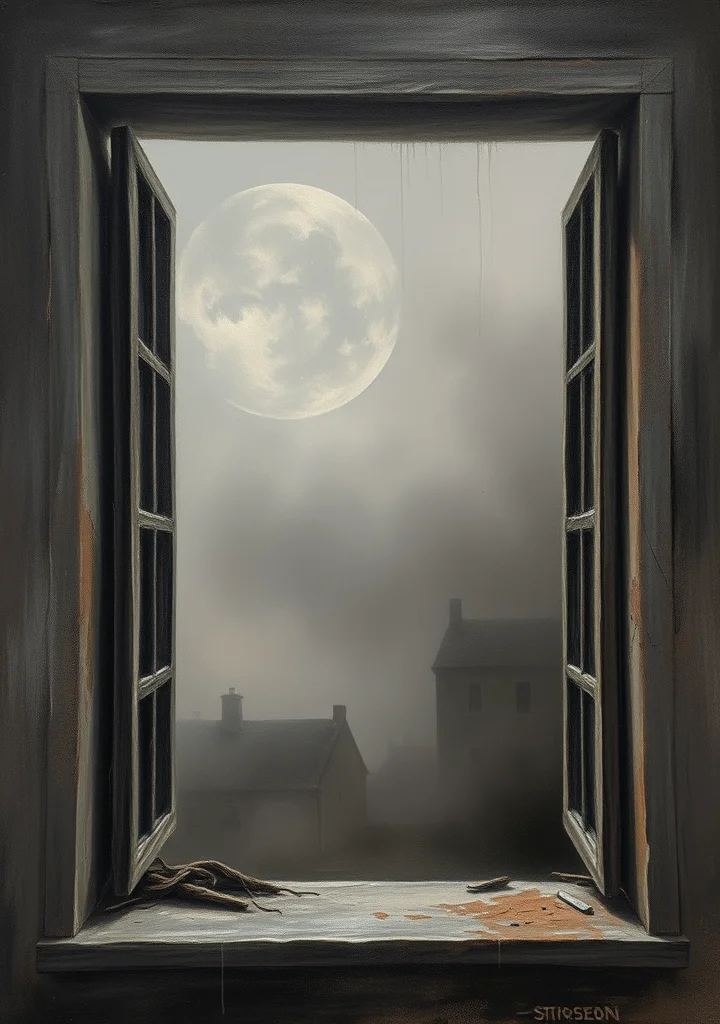
A creeping dread clings to these pages, not of grand horrors but of the suffocating weight of unchosen lives. Tolstoy, even in brevity, excavates the rot beneath the gilded surfaces of provincial estates. Here, the air is thick with the scent of damp earth and decaying lace, mirroring the slow disintegration of faith and affection. Each tale feels unearthed from a forgotten corner of a manor house, lit only by the flickering candlelight of regret. The characters move through perpetual twilight, haunted by the ghosts of what might have been, their silences echoing with the brittle fracture of unspoken desires. A suffocating stillness pervades—not a silence of peace, but one born of resignation, of lives withered before they truly bloomed. The narrative doesn't rush, it *seeps*, staining the reader with the melancholy of inherited sorrow and the subtle, corrosive power of unfulfilled yearning. These are stories where the absence of drama is the most terrifying aspect, a slow erosion of the soul mirroring the decay of the Russian countryside itself. The weight of tradition presses down, not with malice, but with an implacable, suffocating indifference.
Copyright: Public Domain
This license allows anyone to use your story for any purpose, including printing, selling, or adapting it into a film freely.
Recommended for you

70 Part
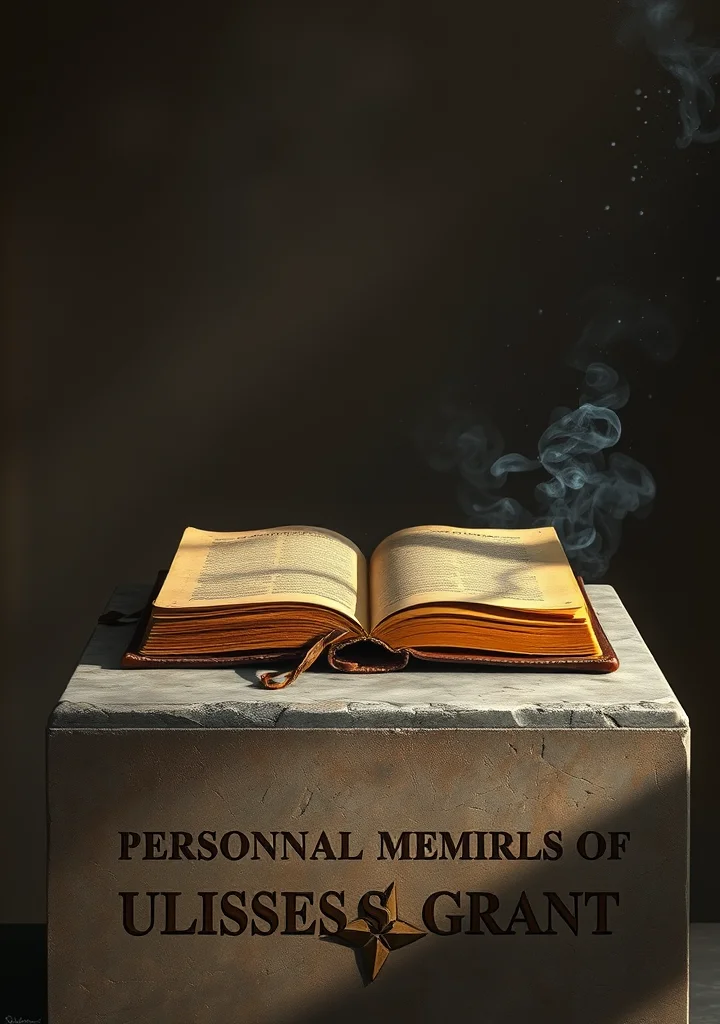
Dust motes dance in the shadowed halls of memory, each recollection a chipped fragment of granite pulled from the bedrock of a life forged in iron. Though ostensibly a chronicle of command and strategy, Grant’s memoir bleeds with the chill of ambition’s long winters. It is not the roar of battle that lingers most keenly, but the hushed silences between orders, the spectral weight of responsibility pressing down upon a man who navigated not glory, but the grey expanse of consequence. The prose itself is a slow, deliberate march through the fog of recollection, each sentence a measured step toward a darkness masked as pragmatism. A relentless current of self-assessment, it leaves one shivering not from cold, but from the awareness of how easily a man can be hollowed out by the very wars he wages. The victories feel less like triumphs and more like the echoing emptiness within a fortress built upon the bones of the fallen. There is a peculiar, unnerving detachment – a dispassionate inventory of ruin that hints at a man already halfway to the grave, cataloging his life as if it were merely another terrain to be mapped and conquered. The very act of remembering feels like a haunting, a spectral revisiting of the fields stained crimson with the harvest of his deeds. The weight of the Union, the weight of failure, the weight of a man who, even in his self-reckoning, cannot quite escape the shadow of his own making. It is a memoir written not from triumph, but from the precipice of oblivion, and the echo of its pages is a long, cold draught from a forgotten tomb.
17 Part
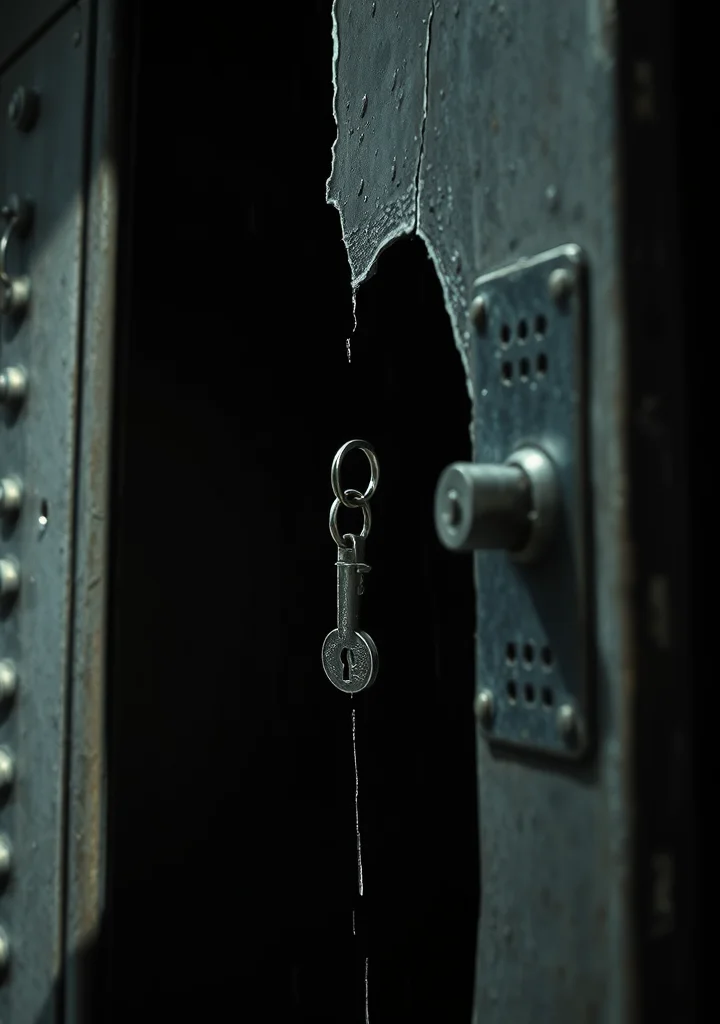
The manor hums with static, a low throb beneath floorboards and within the chipped porcelain dolls that populate its shadowed halls. Old money clings to the Thayer estate like ivy, choking the life from the stone. Our protagonist, a woman named Iris, arrives as the “companion” to the reclusive Mr. Silas Blackwood—a man rumored to have grafted his grief onto the very architecture of the house, weaving it into the electrical wiring that now snakes through every room. But the house *feels*. It breathes with the rhythms of forgotten machines, whispers through copper filaments, and reflects Iris’s own loneliness in the flickering gas lamps. She soon discovers the wiring isn’t merely a means of illumination, but a conduit for Blackwood’s obsessions—a network of surveillance, of control, and of a love so fractured it’s been reassembled into something cold and metallic. The air tastes of ozone and dust. Every creak of the floorboards feels like a watched step. Iris finds herself increasingly drawn to the hidden rooms where Blackwood conducts his experiments—rooms filled with humming devices, spools of wire, and the scent of burnt circuitry. She begins to suspect the manor isn’t protecting Blackwood from the world, but *from* himself, and that Iris, wired into his strange affection, is becoming another layer in his increasingly fragile construction. The further she delves into the house’s heart, the more she realizes this isn’t a love story, but a parasitic entanglement with a man who has made himself a ghost within his own machine.