
No Treason
  • 116
  • 0
  • 41
  • Reads 116
  • 0
  • Part 41
Completed, First published Mar 02, 2026

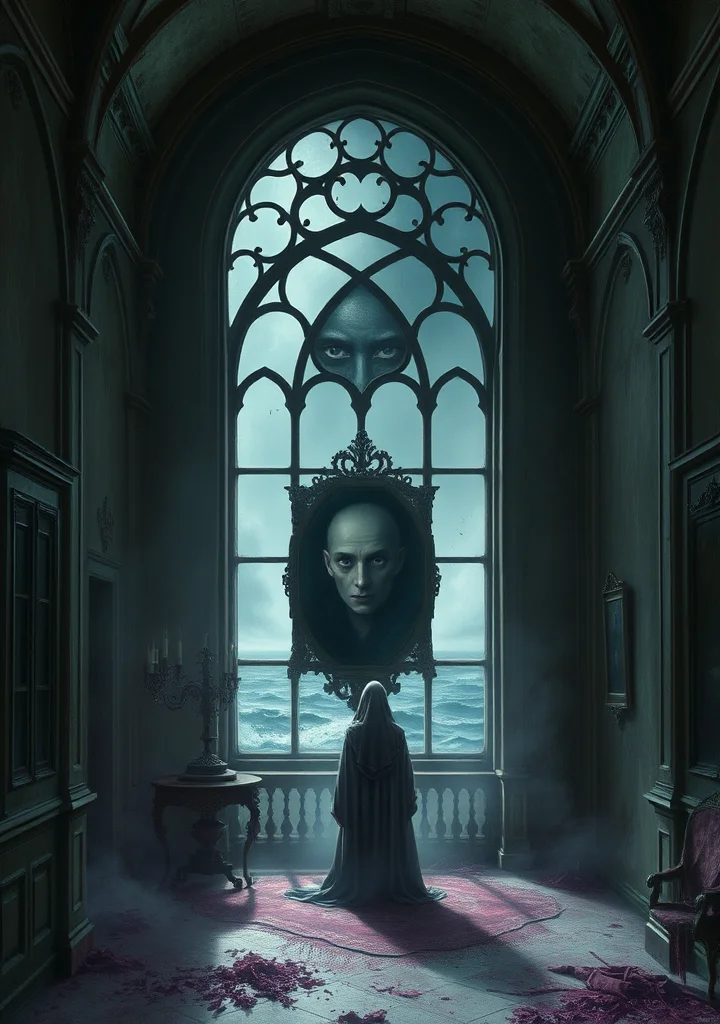
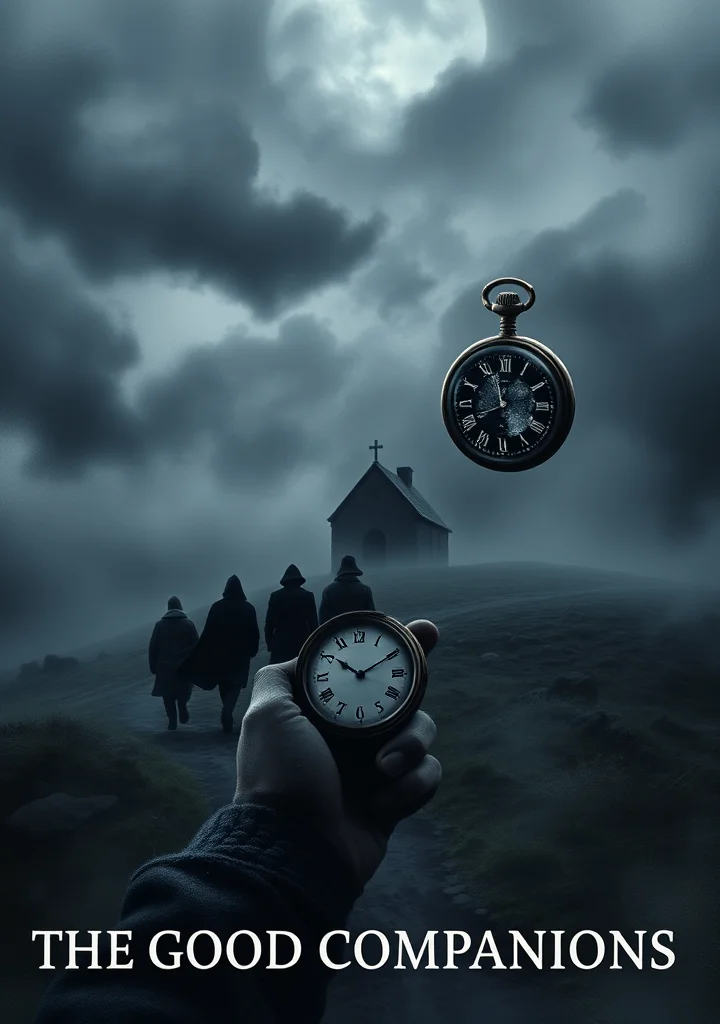
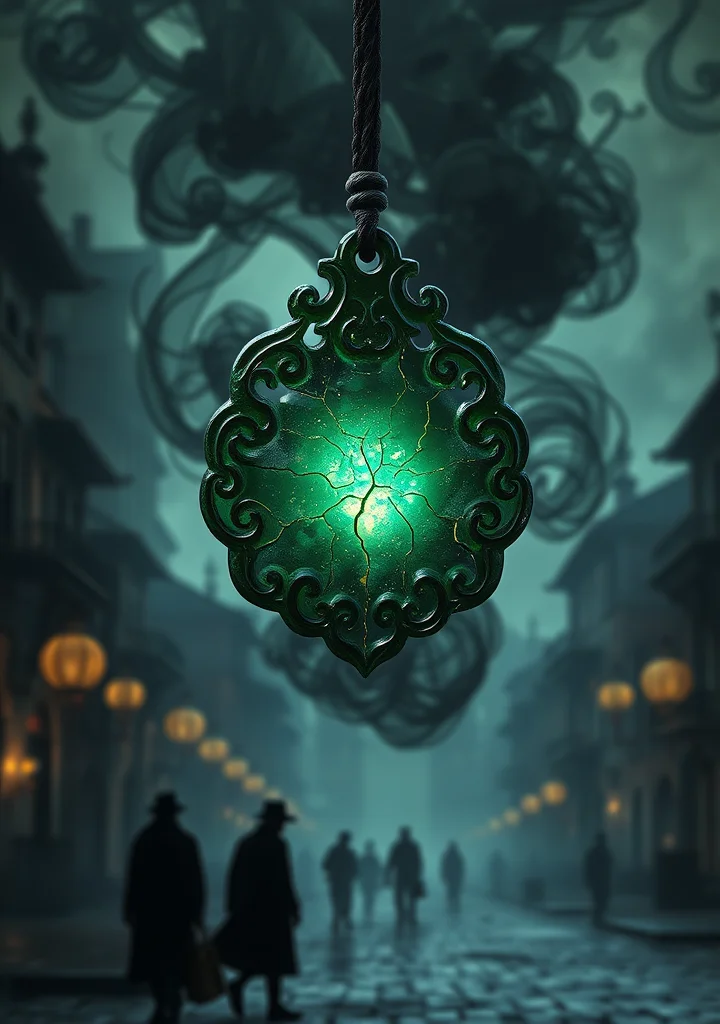
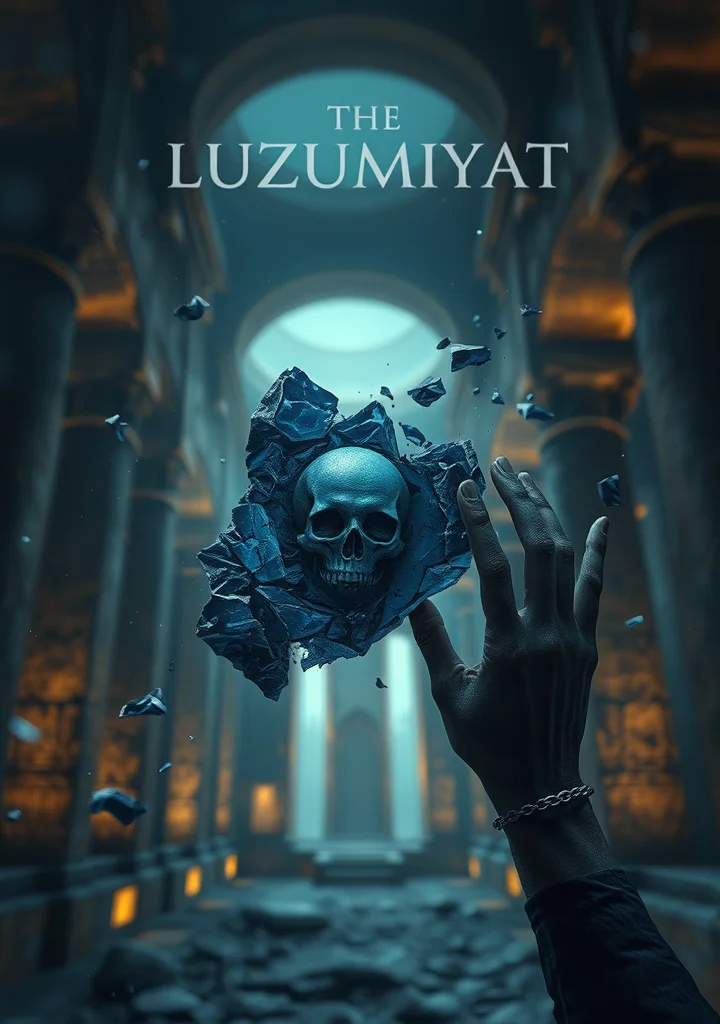
A creeping dread clings to the shadowed corners of Spooner’s world, a suffocating stillness where the scent of decay – not of bodies, but of ideals – hangs heavy. This is a narrative steeped in the slow rot of compromised conviction, a descent into the mausoleum of a fractured republic. The prose isn’t one of grand battles or flamboyant villainy, but of a chilling, methodical unraveling. Each chapter feels like a damp stone pulled from a crumbling wall, revealing not sunlight, but deeper darkness. The atmosphere is one of perpetual twilight, a moral greyscale where the lines between patriot and traitor bleed into indistinguishable shades. The weight of silenced voices echoes in empty rooms, punctuated by the brittle crack of splintering trust. It’s a story told not with torches and trumpets, but with the rustling of parchment, the drip of ink staining confessions, and the hollow ache of a nation slowly suffocating under the weight of its own acquiescence. A pervasive sense of being watched, not by enemies, but by the ghosts of what *should* have been, permeates every page. It’s a haunting that doesn’t leap out in screams, but seeps into the bones, leaving you shivering long after the final sentence fades into the gloom.
Copyright: Public Domain
This license allows anyone to use your story for any purpose, including printing, selling, or adapting it into a film freely.
Recommended for you
50 Part
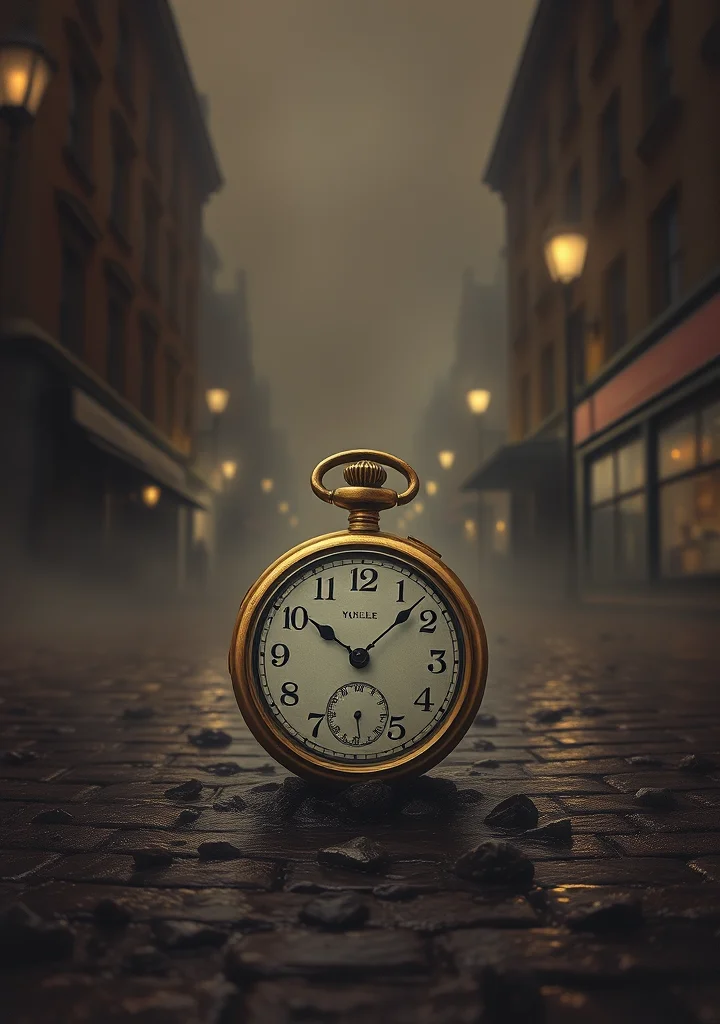
A creeping dread permeates the snow-choked streets of a Petrograd fracturing under ice and ideology. The air hangs thick with the scent of brine and decay, mirroring the rot beneath the gilded facades of Tsarist memory. This is not a history of revolution, but a descent into a frozen labyrinth of whispered conspiracies and the hollowed-out eyes of zealots. Berkman doesn't chronicle uprising, he exhumes the corpse of idealism, revealing the worms feeding on its bloated ambition. Each chapter feels like a shard of glass under the skin, reflecting a distorted reality where the promise of liberation curdles into the iron tang of power. The narrative clings to the shadowed corners of tenements, the hushed exchanges in smoky taverns, and the phantom limbs of a society severed from its past. It’s a story told not through grand battles, but through the slow fracturing of faith within individuals, the chilling realization that the new god demands the same sacrifices as the old. A pall of paranoia descends, not from external enemies, but from the suffocating certainty of those convinced they hold the key to utopia. The myth isn't a lie, but a contagion, a spectral force that infects the soul and twists the very foundations of human compassion into something monstrously efficient. The novel doesn't merely depict the fall of an empire; it embodies the suffocating weight of a dream turned nightmare, a darkness that lingers long after the snow melts.
33 Part
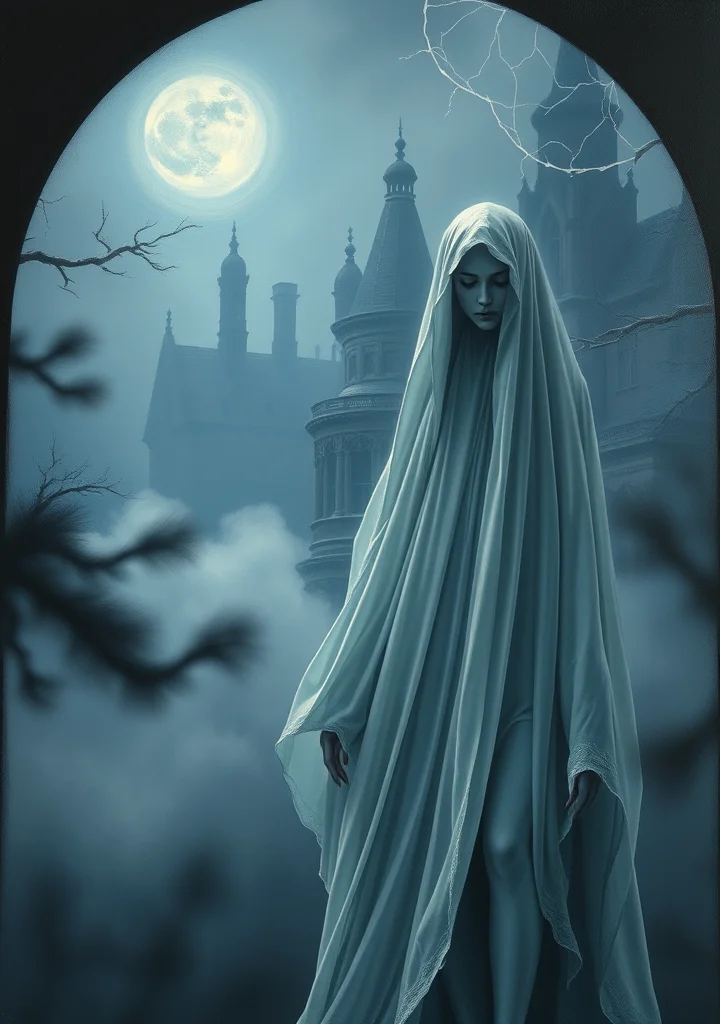
A creeping dread descends from the Parisian rooftops, clinging to the gaslit alleys like a phantom’s breath. Fantômas is not merely a criminal, but a negation—a void carved into the heart of the city, reflecting back its deepest fears. The narrative coils around a relentless pursuit, a dance between law and shadow where the hunter becomes the hunted, and the line between reality and nightmare dissolves with each stolen jewel and whispered accusation. The atmosphere is one of suffocating elegance, a world of opulent salons and labyrinthine sewers, all shadowed by the looming specter of a man who *isn’t* a man. Every act of defiance, every audacious theft, is performed with a theatrical flourish, leaving behind not evidence, but an unsettling echo of impossible physics. The story bleeds into a fever dream of disguises, identities fracturing under the weight of obsession. A relentless, suffocating paranoia permeates every page. The reader is drawn into a vortex of shifting loyalties, where even the most trusted allies harbor the scent of decay. The true horror isn’t what Fantômas *does*, but the unsettling realization that he embodies the chaos lurking beneath the veneer of order, a darkness that threatens to consume the very foundations of civilization. It is a chase not for a criminal, but for the reflection of a city’s soul, and the chase will leave you breathless, haunted by the certainty that Fantômas is always already *everywhere*.
18 Part
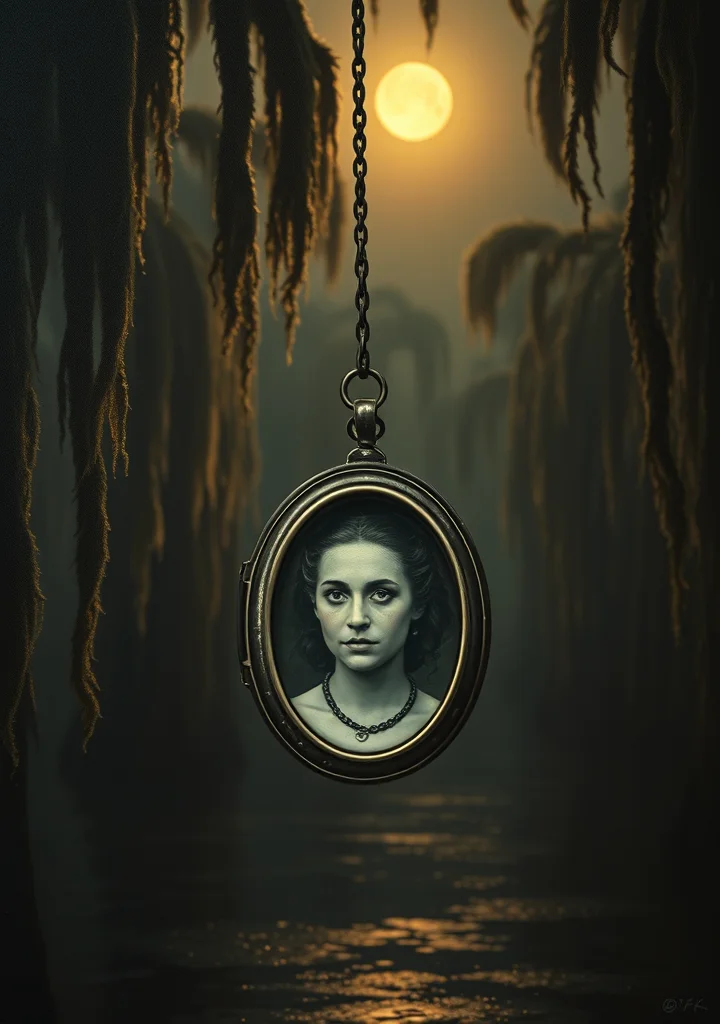
Dust hangs thick in the hollows of Havenwood, clinging to the shadowed eaves and rotting lace of the old Dunbar place. The air itself tastes of iron and regret, a perpetual twilight bleeding from the cypress swamps surrounding the crumbling mansion. Here, secrets aren’t whispered, they are *felt*—pressed against your skin like a cold hand, rising from the earth with the scent of magnolia and decay. Old Man Dunbar, they say, didn't die of fever, but of something *called* to him from the bayou, something hungry for the living breath of the house. His son, the narrator, returns to settle the estate, only to find Havenwood less a home and more a tomb, echoing with the phantom cries of those who vanished into the swamp’s embrace. Every floorboard groans with unseen footsteps, every window pane reflects a face not his own. The darkness isn't merely absence of light; it’s a presence—a suffocating weight of memory and malice. He discovers a lineage steeped in shadowed bargains, a pact made with the swamp's ancient heart. The further he delves into his father's final days, the more Havenwood seems to breathe with a life of its own, drawing him into the mire of its history. The uncalled come not as specters, but as whispers in the reeds, as faces in the water, as the slow, creeping rot that consumes all things left too long in the shadow of Havenwood. The swamp doesn’t just claim its victims; it *remembers* them, weaving their despair into the very fabric of the house, until the line between the living and the lost dissolves entirely.