
-
Read 526
-
0
-
Part 40
Completed, First published Mar 02, 2026
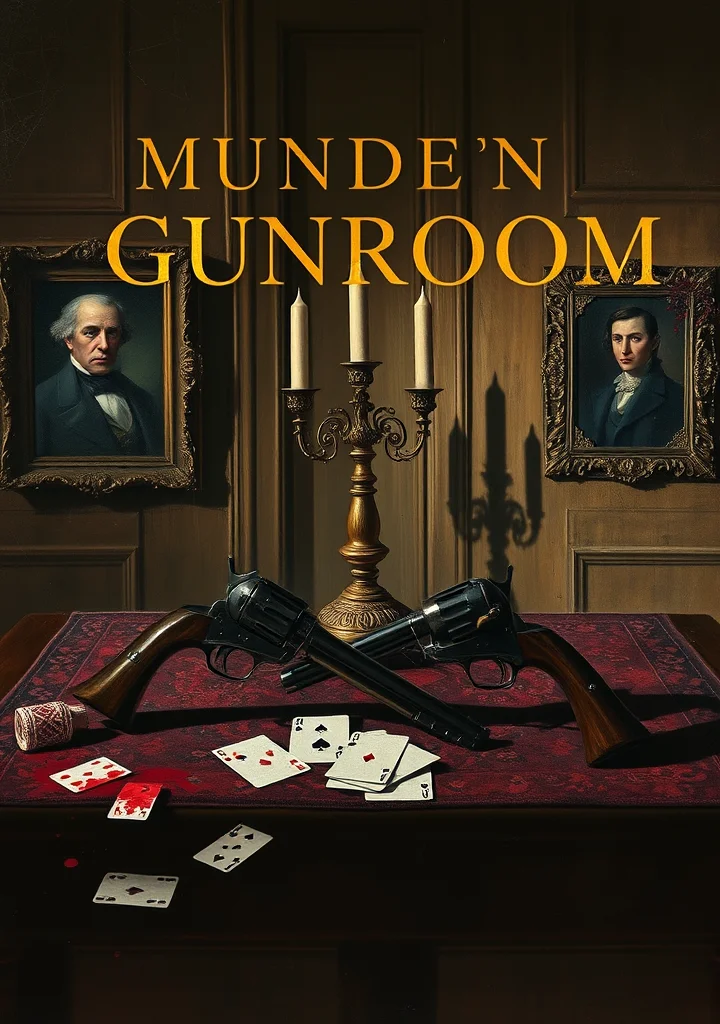
A creeping dread clings to the shadowed corners of Spooner’s world, a suffocating stillness where the scent of decay – not of bodies, but of ideals – hangs heavy. This is a narrative steeped in the slow rot of compromised conviction, a descent into the mausoleum of a fractured republic. The prose isn’t one of grand battles or flamboyant villainy, but of a chilling, methodical unraveling. Each chapter feels like a damp stone pulled from a crumbling wall, revealing not sunlight, but deeper darkness.
The atmosphere is one of perpetual twilight, a moral greyscale where the lines between patriot and traitor bleed into indistinguishable shades. The weight of silenced voices echoes in empty rooms, punctuated by the brittle crack of splintering trust. It’s a story told not with torches and trumpets, but with the rustling of parchment, the drip of ink staining confessions, and the hollow ache of a nation slowly suffocating under the weight of its own acquiescence. A pervasive sense of being watched, not by enemies, but by the ghosts of what *should* have been, permeates every page. It’s a haunting that doesn’t leap out in screams, but seeps into the bones, leaving you shivering long after the final sentence fades into the gloom.
Copyright: Public Domain
This license allows anyone to use your story for any purpose, including printing, selling, or adapting it into a film freely.
This license allows anyone to use your story for any purpose, including printing, selling, or adapting it into a film freely.
Recommended for you