
-
Read 408
-
0
-
Part 24
Completed, First published Mar 02, 2026
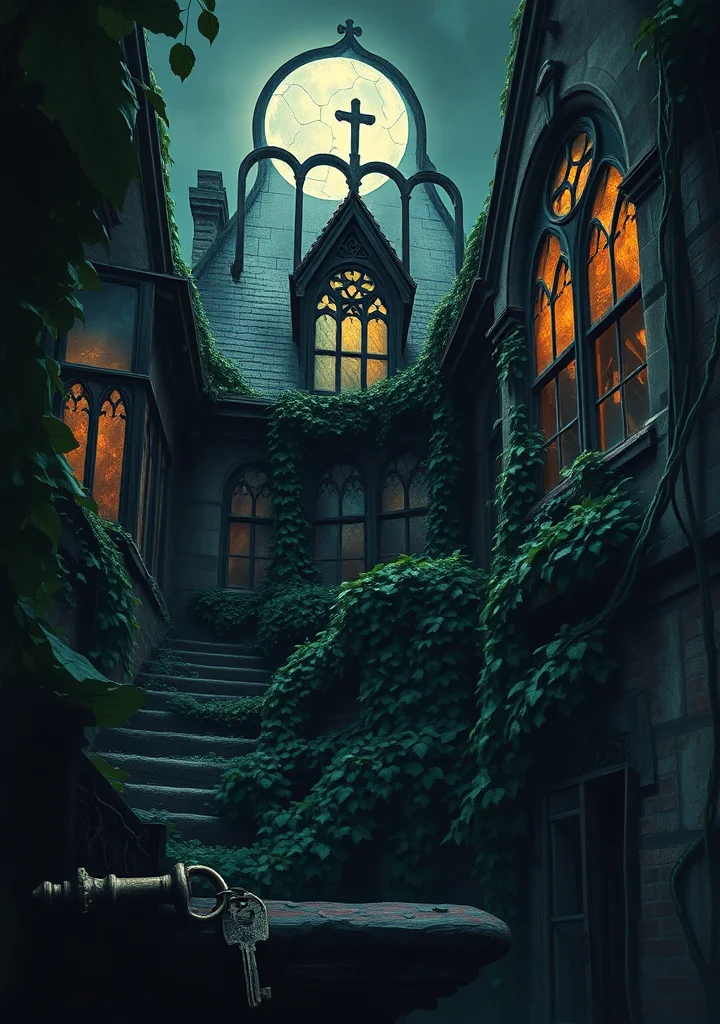
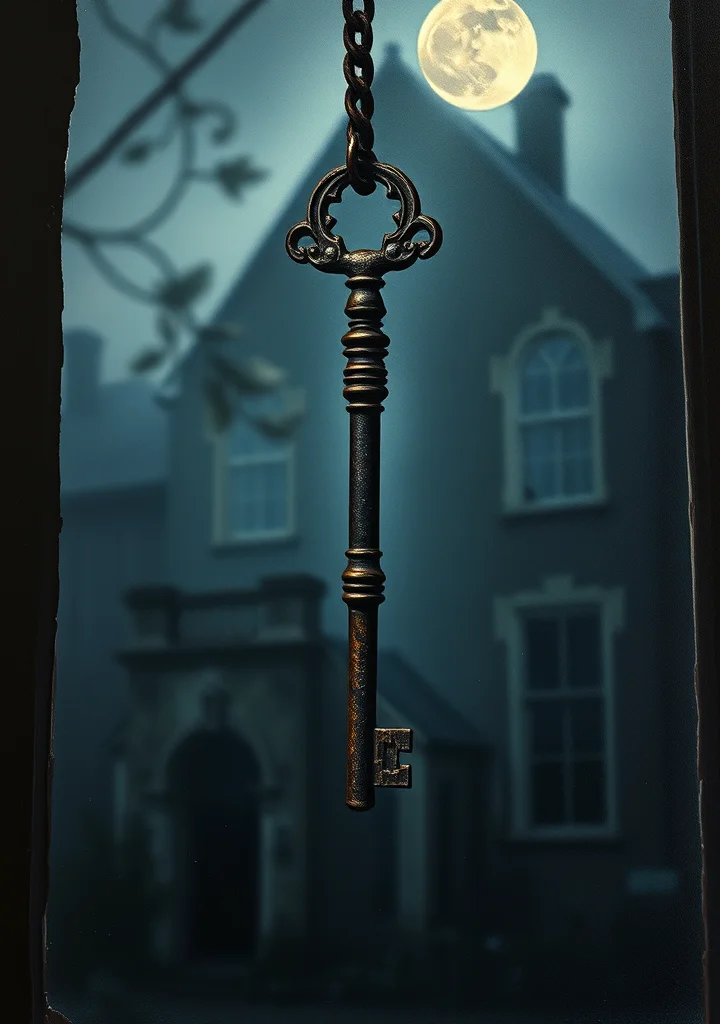
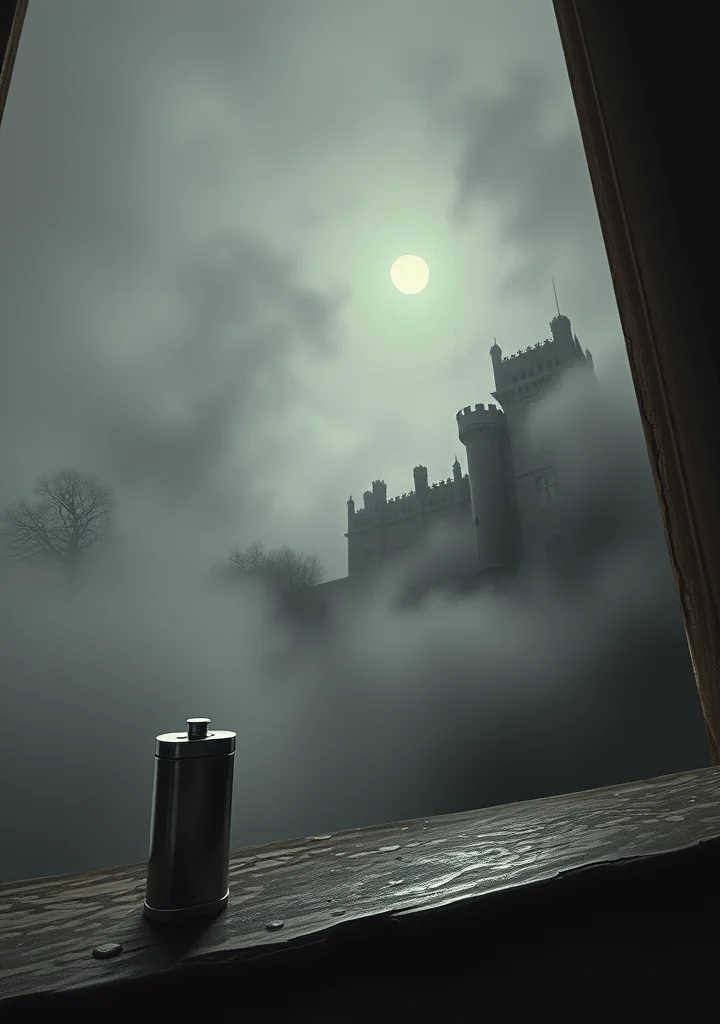
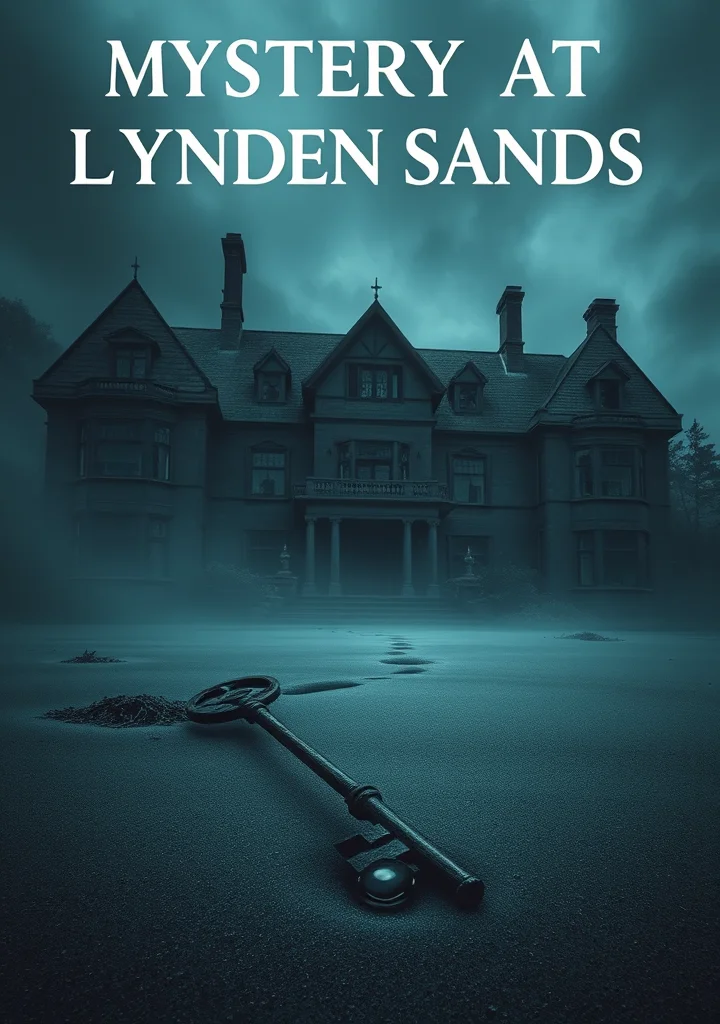
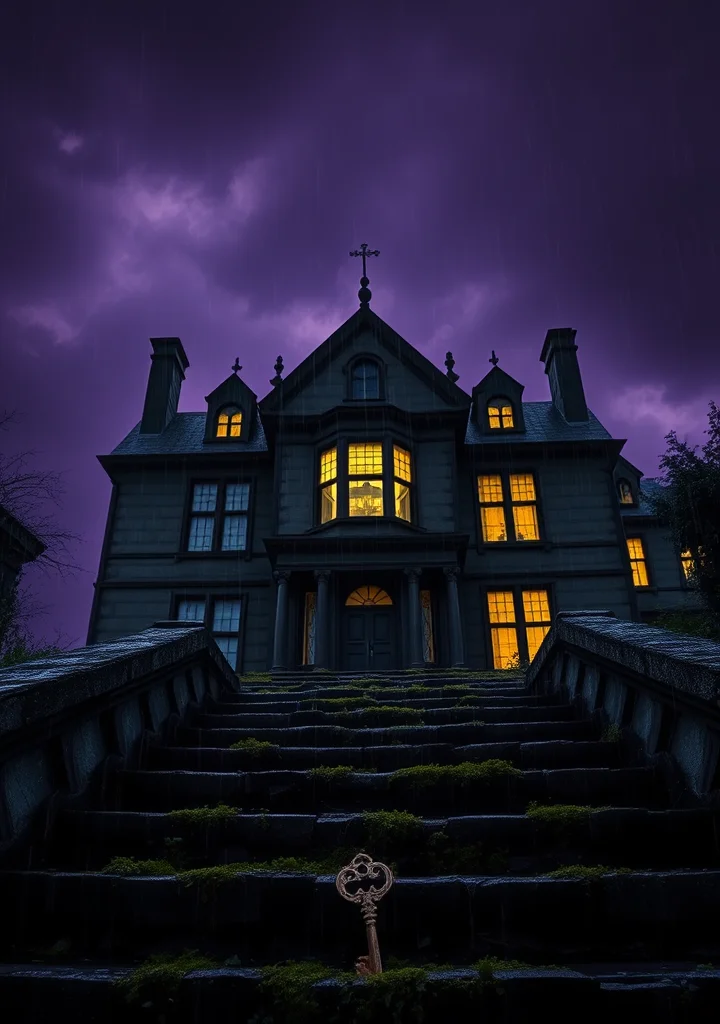
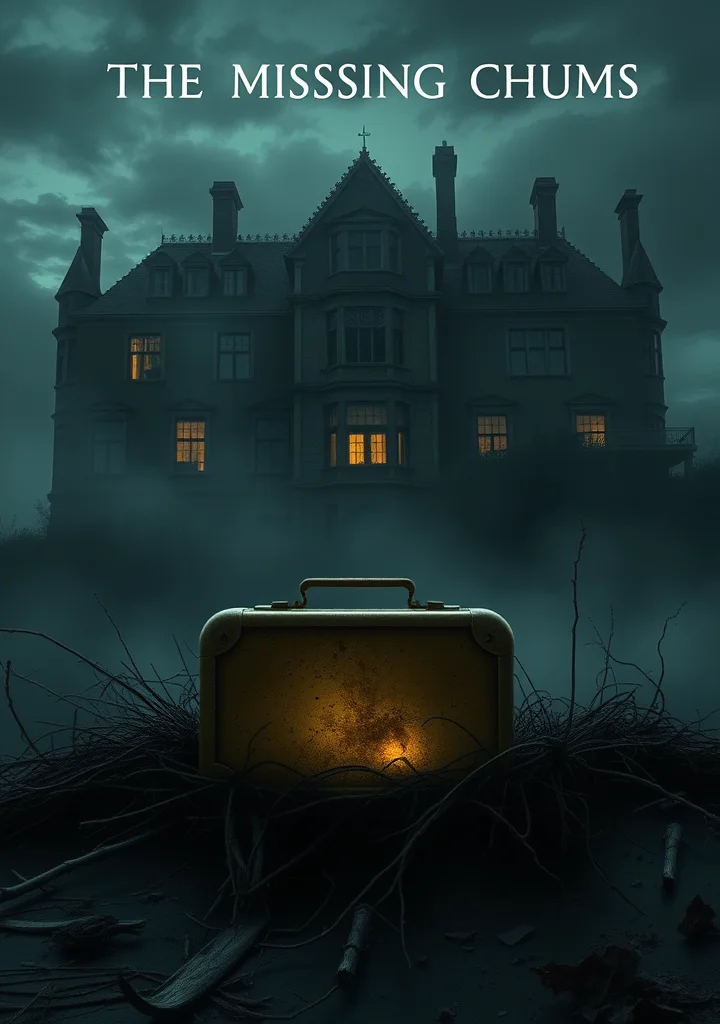
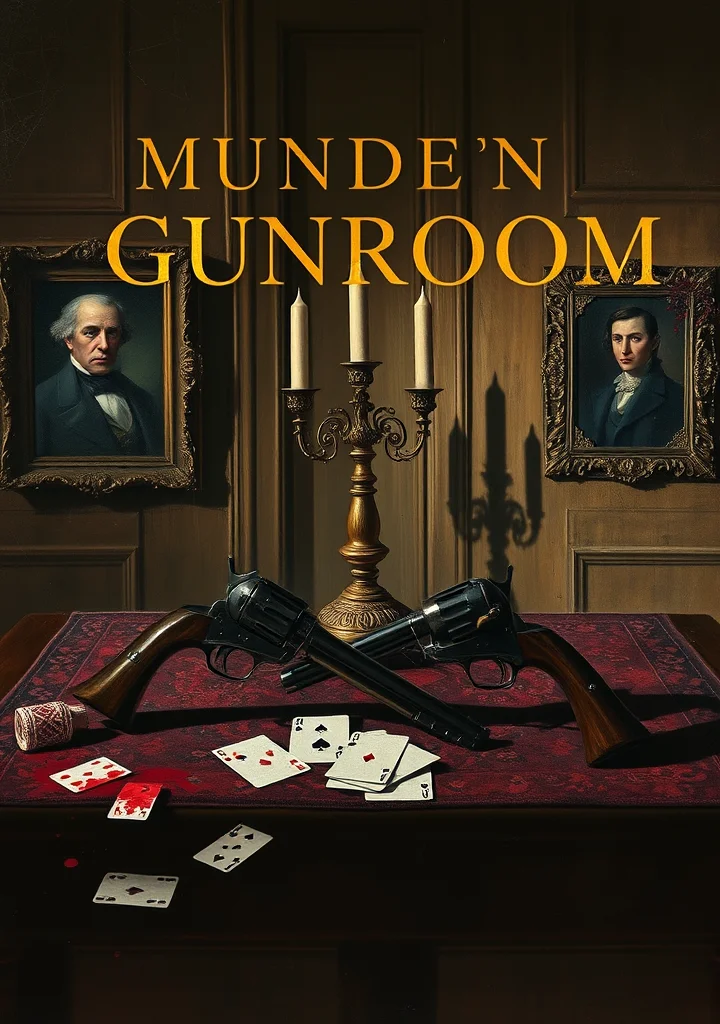
The ancestral halls of the Van Derlyn estate bleed shadow and dust, steeped in the scent of gunpowder and decay. A chill, deeper than the November fogs clinging to the Maryland countryside, permeates every stone. Old Man Van Derlyn’s demise isn’t simply a hunting accident, but a meticulously orchestrated unraveling within the gunroom’s oak-paneled confines. The air hangs thick with the weight of family secrets – whispered rivalries, broken engagements, and fortunes built on shadows. Every antique firearm, polished to a lethal gleam, seems to watch as suspicion coils around the remaining Van Derlyns, each a phantom in their own right. A creeping dread settles amongst the gnarled trees, as the investigation peels back layers of privilege and malice, revealing a darkness not of the land itself, but of the hearts dwelling within its stone embrace. The silence of the manor is fractured by the echo of past tragedies, and the gunroom—once a shrine to tradition—becomes a mausoleum of fractured trust, where the scent of cordite mingles with the lingering ghost of a calculated, ruthless act. The truth lies buried amongst the cold steel and the brittle bones of a dynasty on the brink of collapse.
Copyright: Public Domain
This license allows anyone to use your story for any purpose, including printing, selling, or adapting it into a film freely.
This license allows anyone to use your story for any purpose, including printing, selling, or adapting it into a film freely.
More like this