
-
Read 586
-
0
-
Part 50
Completed, First published Mar 02, 2026
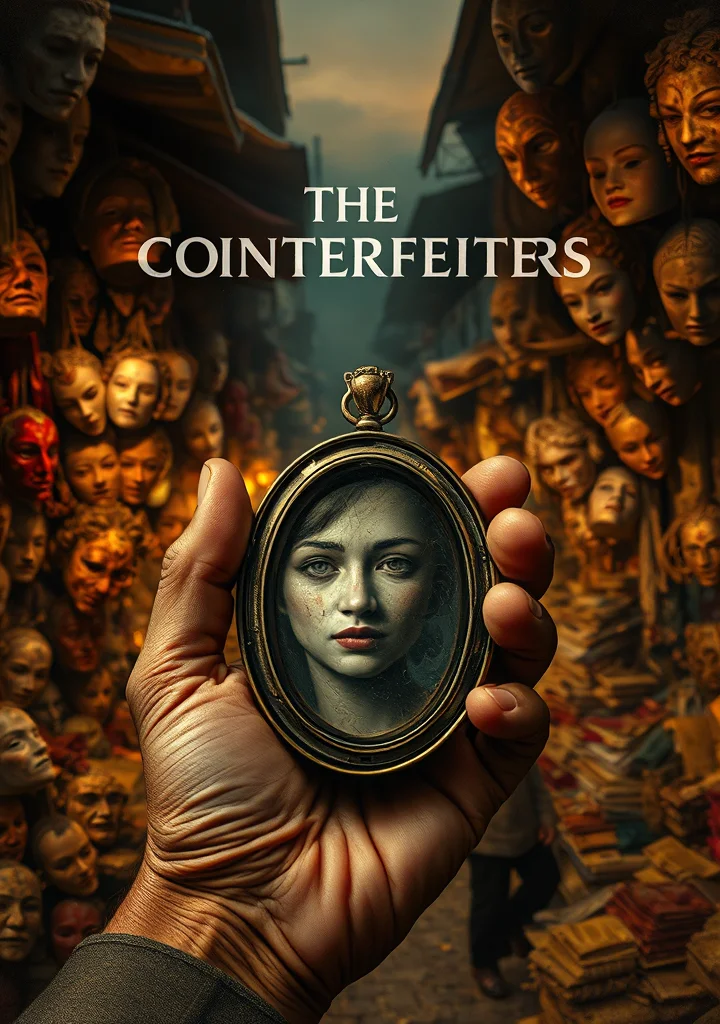
A creeping dread clings to the sun-drenched streets of Alexandria, mirroring the rot within the souls of its inhabitants. The air itself is thick with deceit, shimmering with mirages of stolen identities and fabricated pasts. Here, amongst the dust and the hushed whispers of the bazaar, a young man, haunted by the ghost of his deceased brother, is drawn into a labyrinthine game of forgery – not of coins or jewels, but of lives themselves.
The narrative unfolds like a fever dream, steeped in the stifling humidity of the Egyptian coast. Each carefully constructed lie becomes a weight, dragging its perpetrators deeper into a moral quicksand. Shadows lengthen across the whitewashed walls, obscuring the boundaries between truth and invention. The scent of jasmine and decay intertwines with the metallic tang of desperation.
The novel breathes with a claustrophobic intensity, fueled by the stifled desires and simmering resentments of its characters. Every act of imitation is a violation, a trespass against the sacred, leaving behind a residue of guilt that clings to the skin like desert sand. A subtle, insidious corruption permeates the narrative, turning paradise into a gilded cage where every escape route leads only to further entanglement. The reader is left suspended in a perpetual twilight, unsure if the characters are constructing their own prisons or simply mirroring the fractured world around them.
Copyright: Public Domain
This license allows anyone to use your story for any purpose, including printing, selling, or adapting it into a film freely.
This license allows anyone to use your story for any purpose, including printing, selling, or adapting it into a film freely.
Chapter List
-
« The Counterfeiters »📖 Continue Reading
-
« Chapter_3 »
-
« I »
-
« Chapter_7 »
-
« Chapter_8 »
-
« Chapter_9 »
-
« Chapter_10 »
-
« Chapter_11 »
-
« VII »
-
« Chapter_13 »
-
« Chapter_14 »
-
« IX »
-
« X »
-
« XI »
-
« XII »
-
« Chapter_19 »
-
« Chapter_20 »
-
« XV »
-
« XVI »
-
« XVII »
-
« XVIII »
-
« I »
-
« II »
-
« III »
-
« Chapter_29 »
-
« IV »
-
« Chapter_31 »
-
« Chapter_32 »
-
« VII »
-
« Chapter_35 »
-
« II »
-
« III »
-
« IV »
-
« Chapter_39 »
-
« VI »
-
« VII »
-
« VIII »
-
« IX »
-
« Chapter_44 »
-
« XI »
-
« XII »
-
« XIII »
-
« XIV »
-
« XV »
-
« XVI »
-
« Chapter_51 »
-
« XVII »
-
« XVIII »
-
« XIX »
-
« XX »
50
-
« The Counterfeiters »
-
« Chapter_3 »
-
« I »
-
« Chapter_7 »
-
« Chapter_8 »
-
« Chapter_9 »
-
« Chapter_10 »
-
« Chapter_11 »
-
« VII »
-
« Chapter_13 »
-
« Chapter_14 »
-
« IX »
-
« X »
-
« XI »
-
« XII »
-
« Chapter_19 »
-
« Chapter_20 »
-
« XV »
-
« XVI »
-
« XVII »
-
« XVIII »
-
« I »
-
« II »
-
« III »
-
« Chapter_29 »
-
« IV »
-
« Chapter_31 »
-
« Chapter_32 »
-
« VII »
-
« Chapter_35 »
-
« II »
-
« III »
-
« IV »
-
« Chapter_39 »
-
« VI »
-
« VII »
-
« VIII »
-
« IX »
-
« Chapter_44 »
-
« XI »
-
« XII »
-
« XIII »
-
« XIV »
-
« XV »
-
« XVI »
-
« Chapter_51 »
-
« XVII »
-
« XVIII »
-
« XIX »
-
« XX »
More like this