
-
Read 585
-
0
-
Part 40
Completed, First published Mar 02, 2026
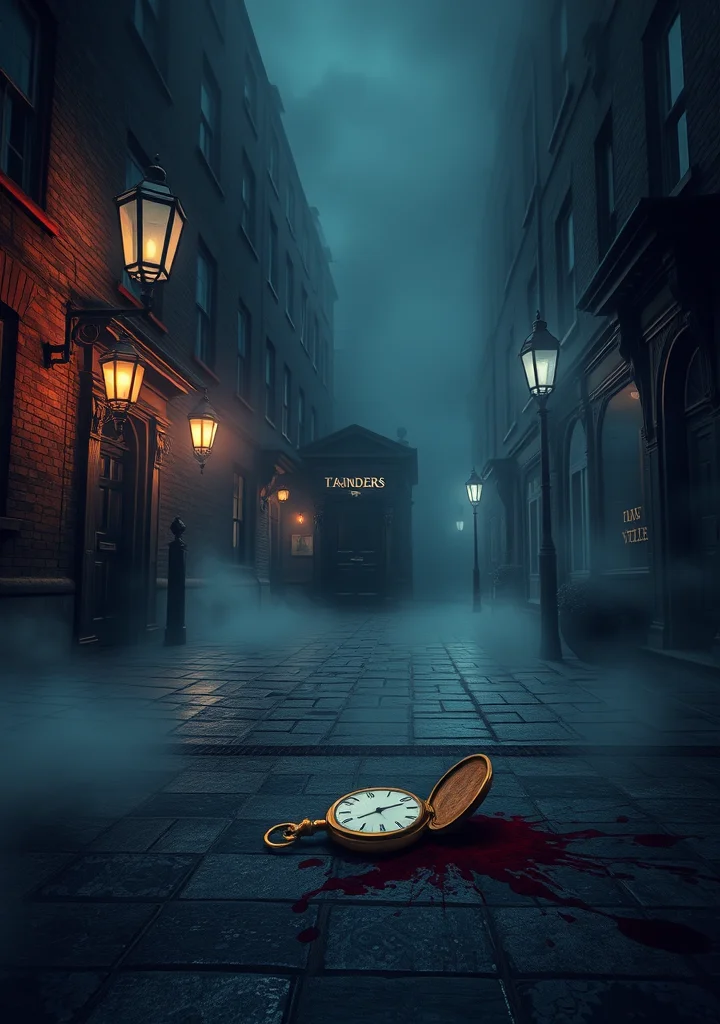
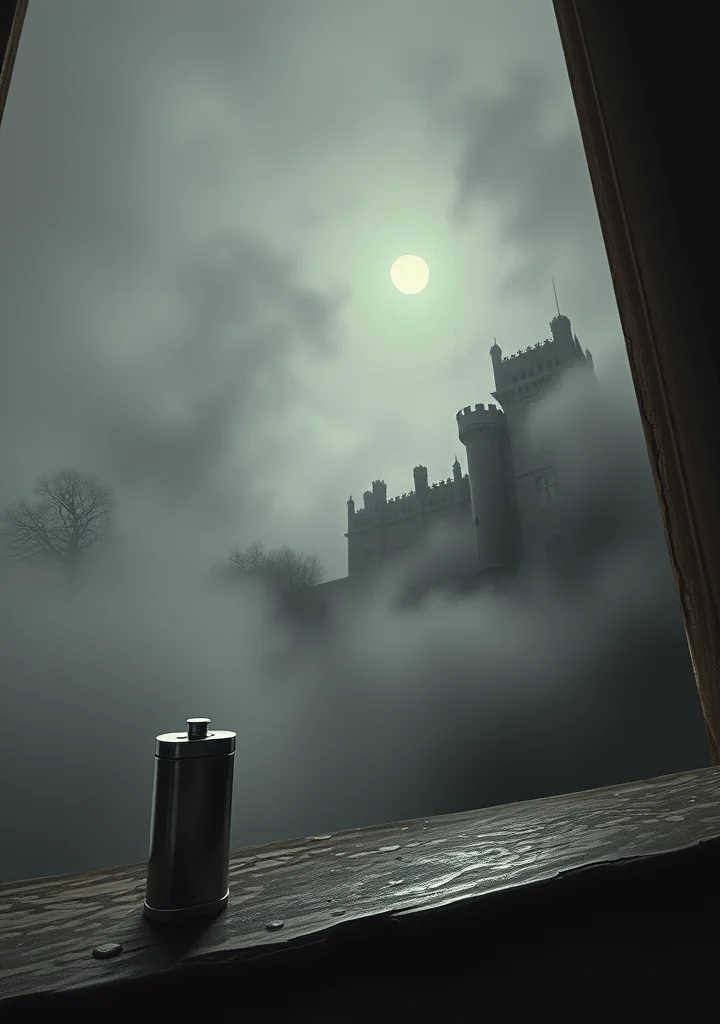
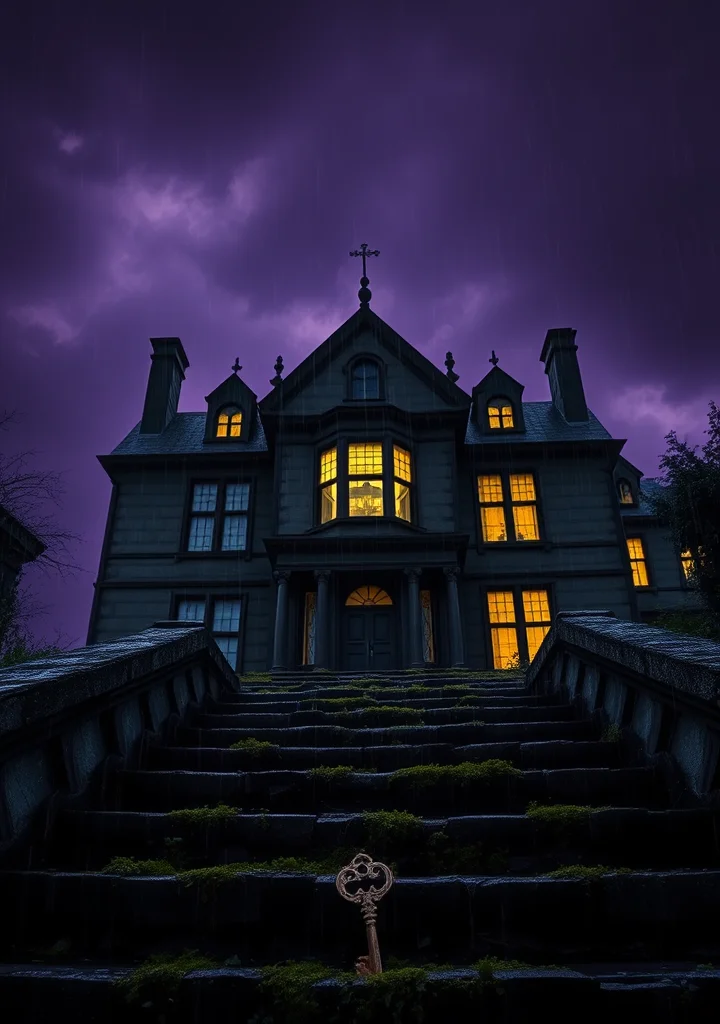
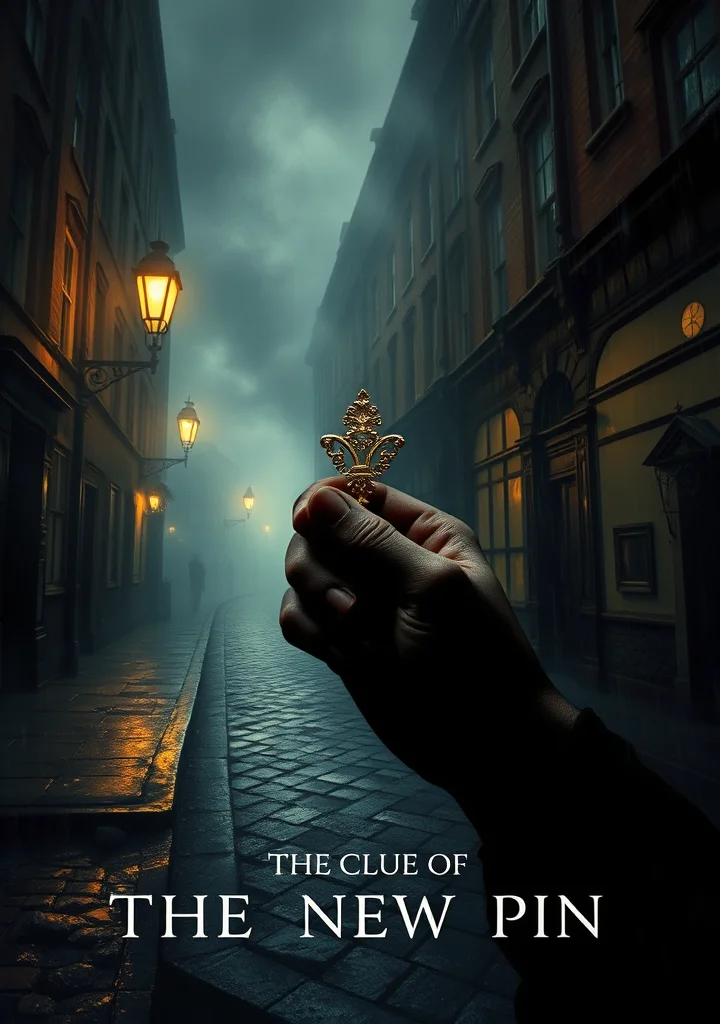
A fog-choked London breathes down the neck of Scotland Yard. Wallace’s London isn’t of polished brass and gaslight revelry, but of shadowed alleys slick with rain and the stench of coal smoke clinging to every brick. The discovery of a single, ornate new pin – found clutched in the hand of a murdered man in a darkened Mayfair square – unravels a conspiracy woven through the city’s gilded underbelly. Each shadowed room, each hushed transaction, echoes with the whispers of blackmail and the glint of desperation. The investigation isn’t a pursuit of a killer, but a descent into a labyrinth of secret societies and ruined fortunes, where every face is masked by ambition and every motive concealed by layers of deceit. The scent of lavender and decay clings to the victims, their stories stitched into the fabric of a city slowly suffocating under the weight of its own secrets. The pin itself is less a key than an invitation to a dance with darkness, where the music is the scrape of a lock pick, and the partners are shadows eager to claim their due. A suffocating dread settles in with each turn of the page, mirroring the suffocating grip of London’s underworld.
Copyright: Public Domain
This license allows anyone to use your story for any purpose, including printing, selling, or adapting it into a film freely.
This license allows anyone to use your story for any purpose, including printing, selling, or adapting it into a film freely.
Chapter List
-
« The Clue of the New Pin »📖 Continue Reading
-
« I »
-
« II »
-
« III »
-
« IV »
-
« V »
-
« VI »
-
« VII »
-
« VIII »
-
« IX »
-
« X »
-
« XI »
-
« XII »
-
« XIII »
-
« XIV »
-
« XV »
-
« XVI »
-
« XVII »
-
« XVIII »
-
« XIX »
-
« XX »
-
« XXI »
-
« XXII »
-
« XXIII »
-
« XXIV »
-
« XXV »
-
« XXVI »
-
« XXVII »
-
« XXVIII »
-
« XXIX »
-
« XXX »
-
« XXXI »
-
« XXXII »
-
« XXXIII »
-
« XXXIV »
-
« XXXV »
-
« XXXVI »
-
« XXXVII »
-
« XXXVIII »
-
« XXXIX »
40
-
« The Clue of the New Pin »
-
« I »
-
« II »
-
« III »
-
« IV »
-
« V »
-
« VI »
-
« VII »
-
« VIII »
-
« IX »
-
« X »
-
« XI »
-
« XII »
-
« XIII »
-
« XIV »
-
« XV »
-
« XVI »
-
« XVII »
-
« XVIII »
-
« XIX »
-
« XX »
-
« XXI »
-
« XXII »
-
« XXIII »
-
« XXIV »
-
« XXV »
-
« XXVI »
-
« XXVII »
-
« XXVIII »
-
« XXIX »
-
« XXX »
-
« XXXI »
-
« XXXII »
-
« XXXIII »
-
« XXXIV »
-
« XXXV »
-
« XXXVI »
-
« XXXVII »
-
« XXXVIII »
-
« XXXIX »
More like this