
-
Read 566
-
0
-
Part 33
Completed, First published Mar 02, 2026
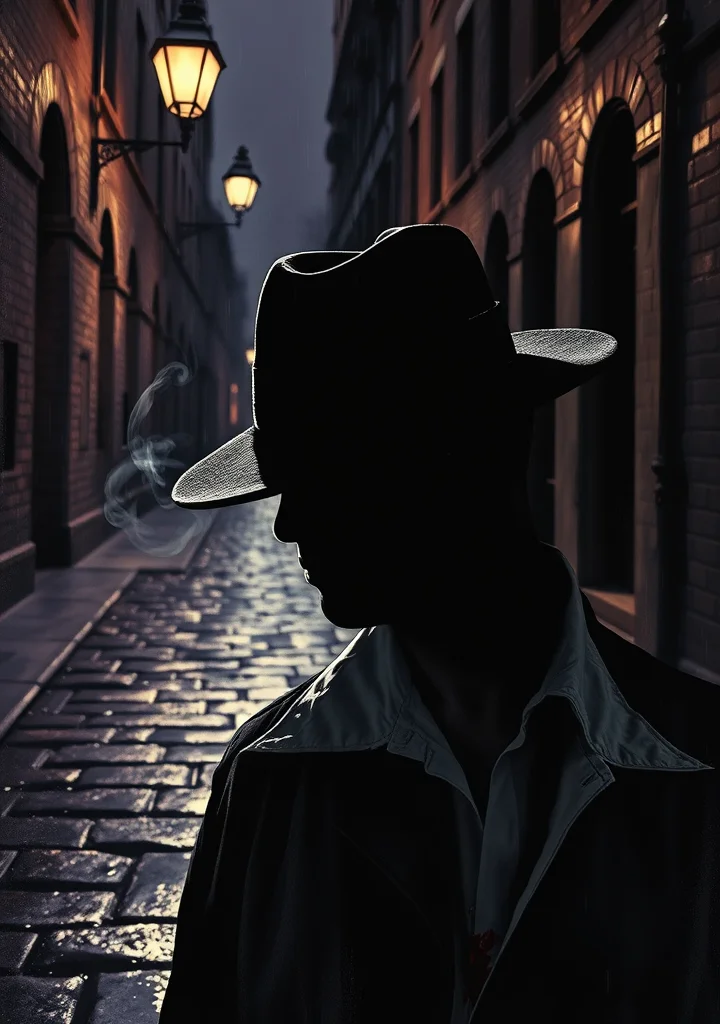
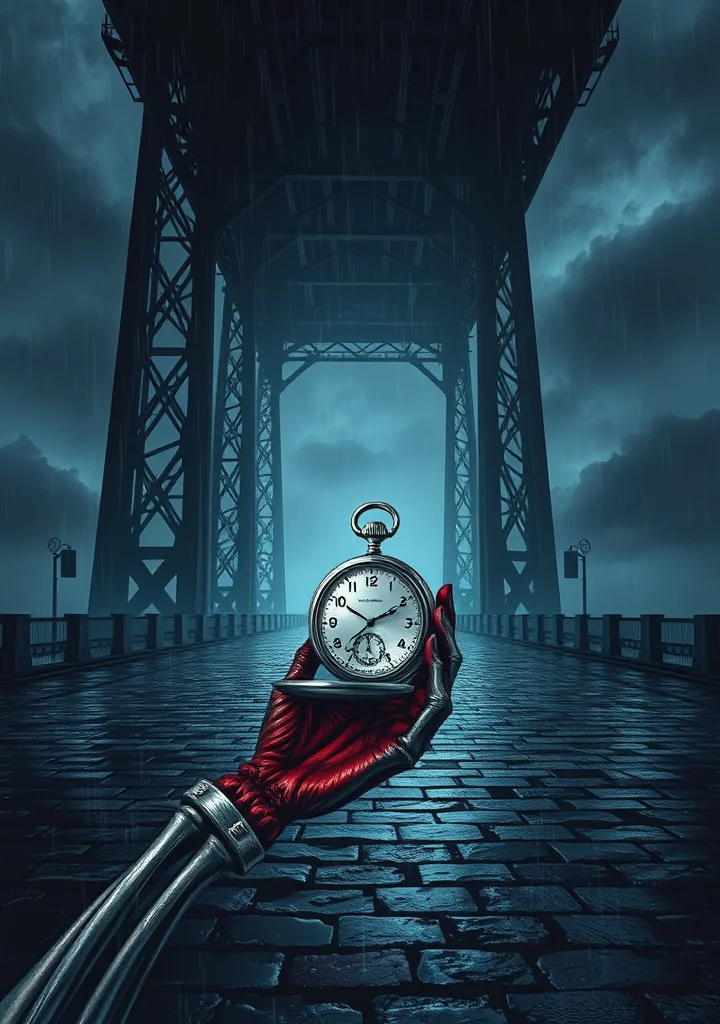
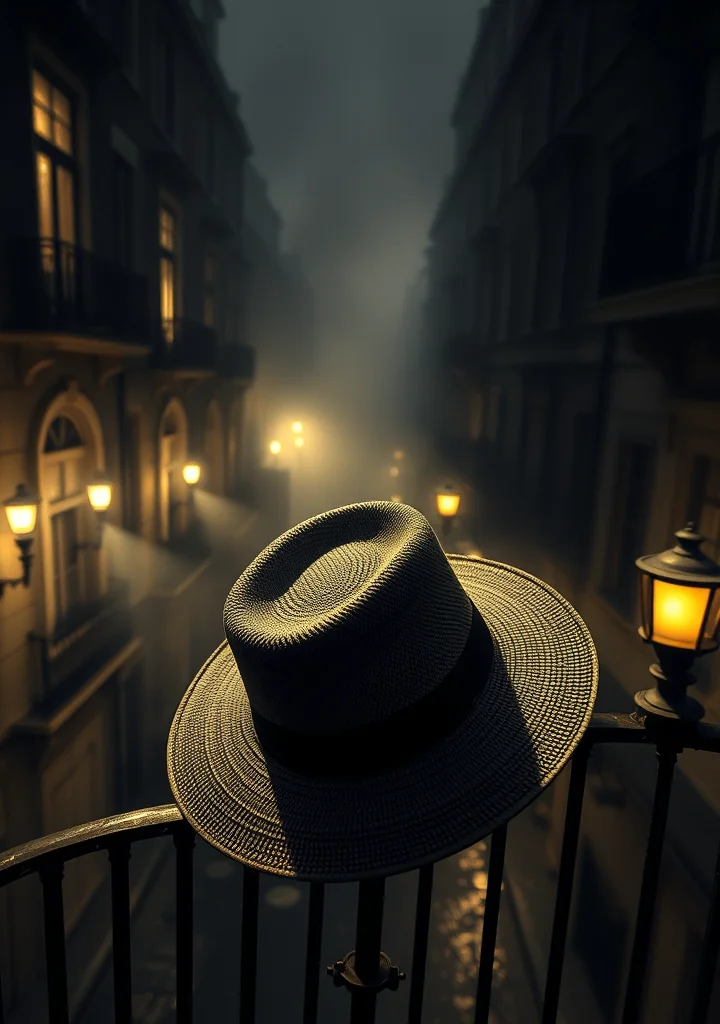
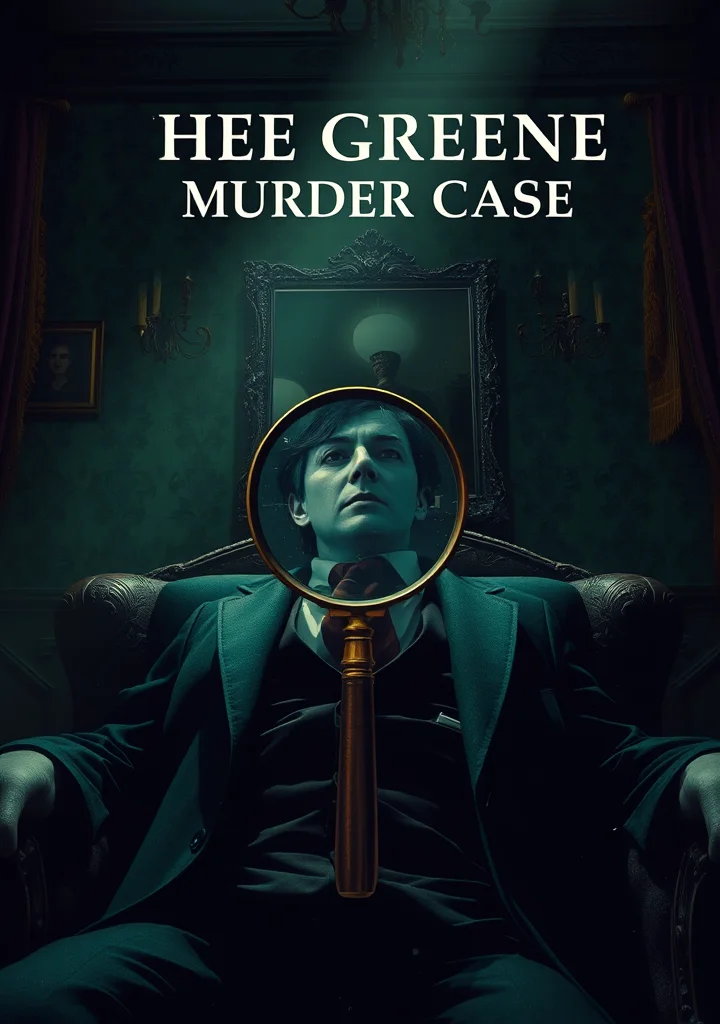
A suffocating November descends upon New York City, cloaking the opulent interiors of the exclusive Roman Hat Society in a perpetual twilight. Within its gilded cage, a man is found slumped over a chessboard, a single, crimson stain blossoming upon the pristine white squares. The air hangs thick with the scent of stale cigars and simmering resentments, each guest a master of disguise, each smile a carefully constructed facade. This is not a crime of passion, but a meticulous orchestration of malice, played out amidst the echoing silence of inherited wealth and whispered accusations.
The investigation unravels not through brute force, but through the insidious creep of doubt. Every polished surface reflects a fractured truth, every shadow conceals a carefully guarded secret. The narrative coils around itself like a venomous serpent, each revelation peeling back layers of deceit, revealing not only the killer's motive, but the decaying moral core of a society consumed by its own privilege. A suffocating claustrophobia descends as the truth is revealed, not with a bang, but with the agonizing realization that the most monstrous acts are born not in darkness, but in the blinding light of respectability. The chill of the unsolved mystery seeps into the very foundations of the building, a testament to the rot beneath the veneer of elegance.
Copyright: Public Domain
This license allows anyone to use your story for any purpose, including printing, selling, or adapting it into a film freely.
This license allows anyone to use your story for any purpose, including printing, selling, or adapting it into a film freely.
Chapter List
-
« The Roman Hat Mystery »📖 Continue Reading
-
« Chapter_3 »
-
« Lexicon of Persons Connected with the Investigation »
-
« Explanation for the Map of the Roman Theatre »
-
« Foreword »
-
« The Roman Hat Mystery »
-
« I »
-
« I »
-
« II »
-
« III »
-
« IV »
-
« V »
-
« VI »
-
« VII »
-
« VIII »
-
« VIII »
-
« IX »
-
« X »
-
« XI »
-
« XII »
-
« XIII »
-
« XIV »
-
« XIV »
-
« XV »
-
« XVI »
-
« XVII »
-
« XVIII »
-
« Chapter_29 »
-
« XIX »
-
« XIX »
-
« XX »
-
« XXI »
-
« XXII »
33
-
« The Roman Hat Mystery »
-
« Chapter_3 »
-
« Lexicon of Persons Connected with the Investigation »
-
« Explanation for the Map of the Roman Theatre »
-
« Foreword »
-
« The Roman Hat Mystery »
-
« I »
-
« I »
-
« II »
-
« III »
-
« IV »
-
« V »
-
« VI »
-
« VII »
-
« VIII »
-
« VIII »
-
« IX »
-
« X »
-
« XI »
-
« XII »
-
« XIII »
-
« XIV »
-
« XIV »
-
« XV »
-
« XVI »
-
« XVII »
-
« XVIII »
-
« Chapter_29 »
-
« XIX »
-
« XIX »
-
« XX »
-
« XXI »
-
« XXII »
More like this