
The Secret of Chimneys
  • 180
  • 0
  • 33
  • Reads 180
  • 0
  • Part 33
Completed, First published Mar 02, 2026

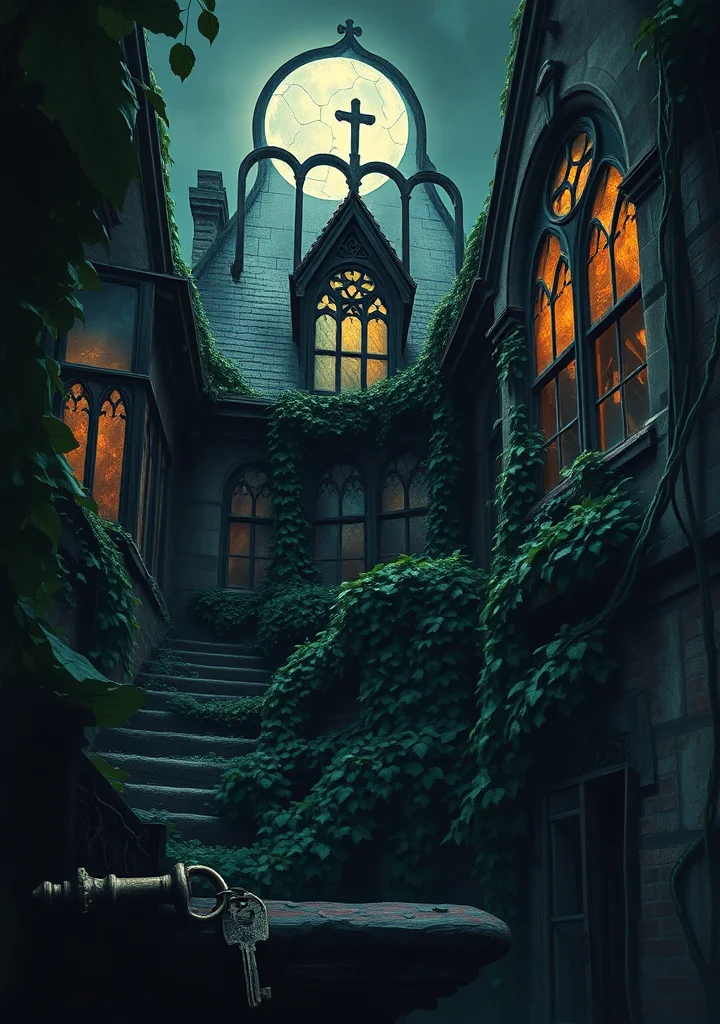
A creeping dread clings to Chimneys, a house steeped in shadowed histories and whispered accusations. The very stones seem to exhale secrets, each corridor a labyrinth of forgotten loyalties and veiled betrayals. Within its opulent, yet decaying grandeur, a web of clandestine meetings unravels, pulling at the frayed edges of aristocratic lives. The air hangs thick with the scent of privilege curdled by deceit, the chill of unspoken alliances, and the lingering phantom of a past murder. A fractured narrative unfolds, shifting perspectives painting a distorted portrait of truth. Every face masks a carefully constructed performance, every gesture a calculated deception. The gardens, shrouded in perpetual twilight, mirror the moral ambiguity within, offering glimpses of furtive rendezvous and shadowed figures flitting between rose bushes. A suffocating sense of isolation permeates the estate, where the boundaries between guest and suspect blur, and the weight of unspoken desires threatens to crush all beneath the suffocating weight of Chimneys’ secrets. The narrative doesn’t simply reveal a crime; it drowns you in the suffocating atmosphere of suspicion, where every glance, every overheard phrase, is a shard of glass reflecting a fractured, dangerous reality.
Copyright: Public Domain
This license allows anyone to use your story for any purpose, including printing, selling, or adapting it into a film freely.
Recommended for you
42 Part
A creeping dread clings to the Irish coast, thick as the bog mire that swallows men whole. Stephens weaves a tale not of heaven or hell, but of the liminal spaces between, where the remnants of ancient, pagan deities bleed into the fractured lives of mortals. The narrative unfolds within a suffocating village steeped in superstition, where whispers of forgotten gods stir in the peat smoke and the sea’s cold breath carries the scent of something older than time. Each character is a fractured vessel—a priest haunted by visions, a woman possessed by a spectral sorrow, a boy touched by the cold hand of the otherworld. Their desires, their failures, their very breaths seem drawn from the decaying grandeur of a lost age. The world isn’t simply haunted; it *is* haunting—a slow rot of the soul mirroring the crumbling stone circles and the drowned chapels swallowed by the relentless tide. The prose itself feels like unearthed bone, brittle and cold, layered with the scent of brine and decay. Stephens doesn’t offer salvation, only a glimpse into the echoing emptiness where the gods once walked, leaving behind only echoes of their power and the lingering stain of their absence. It’s a world where the boundaries between reality and nightmare blur, where every shadow holds a watchful eye, and the very earth seems to breathe with a mournful, forgotten hunger. The air tastes of salt and regret, and the story unfolds like a slow, inexorable drowning in the grey light of a dying world.
6 Part
Dust motes dance in the perpetual twilight of Rackrent Castle, a crumbling edifice steeped in the melancholic scent of damp stone and forgotten linen. Here, generations of the Rackrent family have clung to their ancestral lands, bound by a peculiar, insidious devotion to the estate itself—a devotion that festers alongside the rot in the ancient timbers. The narrative unravels not as a grand saga of heroes, but as a slow, deliberate erosion of fortune and character, narrated by a cynical, observing steward whose voice is as grey as the castle walls. Each chapter whispers of debts accrued, of tenants exploited, and of a creeping moral decay that mirrors the decay of the castle’s fabric. The very air hangs heavy with the weight of unfulfilled promises and the lingering resentment of those who have witnessed the Rackrent legacy unfold. It is a story told in shadows, where the true horror isn’t found in spectral apparitions, but in the quiet, suffocating grip of avarice and the brutal logic of inheritance. The landscape itself becomes a character, a desolate expanse mirroring the barrenness of the Rackrent hearts. The castle’s stones seem to absorb the grief and ambition of each passing generation, becoming a silent judge of their failings. A sense of claustrophobia pervades, not from confined spaces, but from the inescapable weight of the past, pressing down upon the present like a shroud. It is a story of possession – not by ghosts, but by the land, and the insidious power it wields over those who claim to own it.
39 Part
A creeping fog clings to the mill towns of Yorkshire, mirroring the suffocating constraints placed upon women in a society steeped in industry and rigid expectation. Here, amidst the soot-stained brick and the relentless machinery, Shirley Keeldar, a woman of independent spirit and inherited fortune, navigates a landscape of broken strikes and simmering resentments. The air hangs thick with the scent of damp wool and the metallic tang of blood from broken looms, a constant reminder of the lives ground down by progress. Shadows stretch long from the skeletal frames of weaving sheds, mirroring the secret yearnings and frustrations that haunt the lives of those who labor within. A brittle tension winds through the narrative, not of overt horror, but of a slow, insidious decay – a crumbling of tradition, a stifling of ambition, and the chilling realization that even the most willful hearts can be broken against the gears of circumstance. The moorland wind whispers of hidden debts and the ghosts of those lost to the relentless demands of the mills. A sense of isolation permeates every encounter, even within crowded rooms, as characters grapple with their desires and their destinies. It’s a world painted in shades of grey, where hope flickers like a dying ember against the encroaching darkness, and the only escape is found in the quiet rebellion of a defiant soul. The narrative doesn’t scream, it *breathes* with the cold, damp air of a forgotten age, leaving a lingering chill long after the final page is turned.