
Castle Rackrent
  • 46
  • 0
  • 6
  • Reads 46
  • 0
  • Part 6
Completed, First published Mar 02, 2026

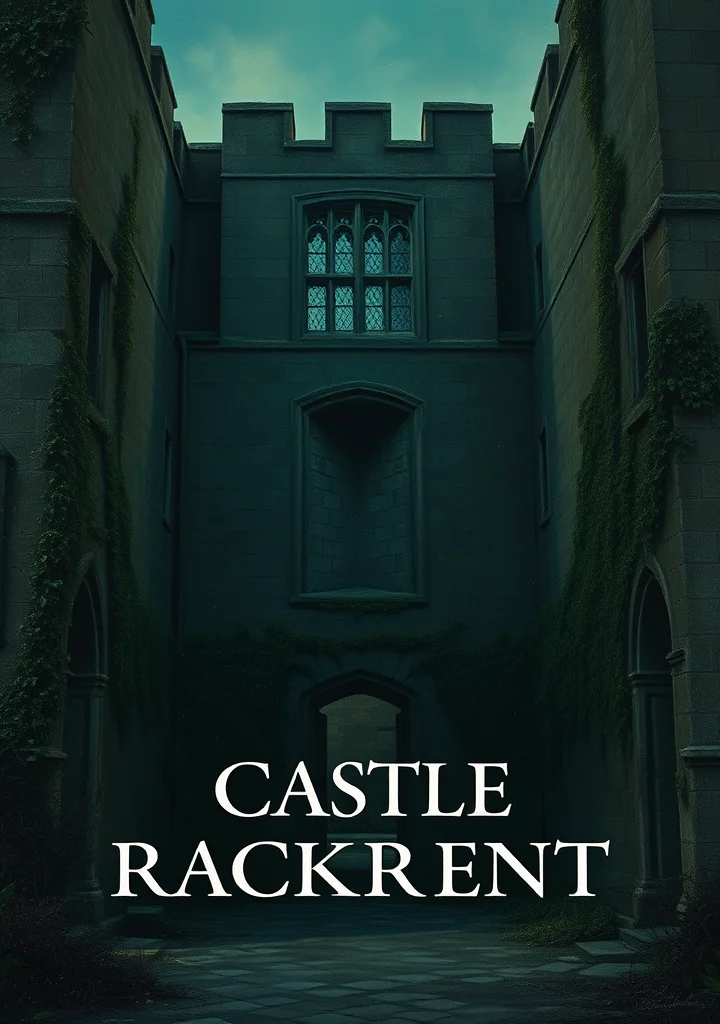
Dust motes dance in the perpetual twilight of Rackrent Castle, a crumbling edifice steeped in the melancholic scent of damp stone and forgotten linen. Here, generations of the Rackrent family have clung to their ancestral lands, bound by a peculiar, insidious devotion to the estate itself—a devotion that festers alongside the rot in the ancient timbers. The narrative unravels not as a grand saga of heroes, but as a slow, deliberate erosion of fortune and character, narrated by a cynical, observing steward whose voice is as grey as the castle walls. Each chapter whispers of debts accrued, of tenants exploited, and of a creeping moral decay that mirrors the decay of the castle’s fabric. The very air hangs heavy with the weight of unfulfilled promises and the lingering resentment of those who have witnessed the Rackrent legacy unfold. It is a story told in shadows, where the true horror isn’t found in spectral apparitions, but in the quiet, suffocating grip of avarice and the brutal logic of inheritance. The landscape itself becomes a character, a desolate expanse mirroring the barrenness of the Rackrent hearts. The castle’s stones seem to absorb the grief and ambition of each passing generation, becoming a silent judge of their failings. A sense of claustrophobia pervades, not from confined spaces, but from the inescapable weight of the past, pressing down upon the present like a shroud. It is a story of possession – not by ghosts, but by the land, and the insidious power it wields over those who claim to own it.
Copyright: Public Domain
This license allows anyone to use your story for any purpose, including printing, selling, or adapting it into a film freely.
Recommended for you
48 Part
A creeping dread clings to Blackwood Manor, a crumbling edifice swallowed by perpetual twilight. Within its shadowed halls, a spectral visitor arrives with the final chime of midnight, unseen, unheard by all save the brittle, aging matriarch, Eleanor. She alone claims to converse with this phantom—a gentleman draped in mourning silks, his face obscured by shadow, his voice a whisper of frost against ancient stone. Is he a lover returned from beyond the grave, a guardian spirit, or something far more sinister drawn to Blackwood’s decaying heart? Each night, Eleanor’s sanity frays further with his chilling visits, fueled by absinthe and the scent of decay. The manor’s portraits seem to watch with hollow eyes, the very timbers groan in protest as the guest’s influence bleeds into the living world. Dust motes dance in the moonlight, revealing fleeting glimpses of his form—a hand reaching for a forgotten locket, a glimpse of a smile that promises oblivion. A suffocating stillness descends with his presence, silencing the house's long-held secrets. The air thickens with the scent of lilies and regret, a suffocating perfume that clings to every surface. He demands not gold or jewels, but memories—fragments of Blackwood’s past, offered up like bloodied roses to appease a hunger that threatens to consume Eleanor, and ultimately, the manor itself. His midnight calls are not invitations to comfort, but a slow, deliberate unraveling of a family's history, woven into a tapestry of grief and shadowed obsession.
40 Part
A creeping dread permeates the provincial air of this forgotten corner of Russia. The narrative clings to the suffocating heat of summer, to the stifling interiors of decaying estates, and the feverish imaginings of a boy named Mitya. He is not merely mischievous, but possessed—a vessel for something ancient and malevolent that stirs within the stagnant pools of his family’s decline. The story unfolds through the distorted lens of a local schoolmaster, obsessed with cataloging Mitya’s every transgression, every whispered blasphemy. But it is not Mitya's actions that haunt, but the suffocating weight of his inevitability. The boy’s ‘demonism’ isn't a mere childish outburst; it's a rot blooming from the heart of the land itself. Each chapter descends further into a mire of suspicion, where the boundary between reality and hallucination dissolves in the oppressive humidity. Whispers of pagan rites, the stench of decaying flowers, and the echoing silences of abandoned churches weave a tapestry of decay. The true horror isn't the boy’s monstrous acts, but the realization that the rot is not contained within him—it’s woven into the very fabric of their lives, a slow, insidious possession of the soul. The narrative is suffocated by the scent of dust, the weight of unsaid things, and the suffocating knowledge that something terrible has been unleashed, not upon the world, but *within* it. The atmosphere is one of unbearable, creeping stagnation—a world where even sunlight feels like a suffocating weight.


61 Part
A creeping dread clings to the salt-laced air of the Cornish coast, where the manor of Blackwood stands sentinel against a bruised and perpetual twilight. Old Man Hemlock, keeper of the lighthouse and a soul weathered by decades of isolation, hears it first – a rasping, not of wind or wave, but something *within* the stone of the tower itself. It begins subtly, a disturbance in the rhythm of the beam, a tremor in the ancient masonry, but soon it worms its way into Hemlock’s mind, mirroring the decay of his own fractured memories. The rasp grows with the rising tide, echoing the secrets buried within Blackwood’s shadowed halls – tales of a drowned lineage, of a sea captain’s obsession with a spectral wreck, and of a creature dredged up from the abyss that now haunts the jagged cliffs. Every foghorn blast feels like a summons, every shadow a grasping hand. Hemlock's descent into madness is mirrored by the lighthouse's slow, agonizing surrender to the sea, as if the tower itself is becoming a grave for something ancient and hungry. The air thickens with the scent of brine and rot, and the rasp becomes a voice - a whisper of bone against stone, promising not rescue, but oblivion. A chilling, claustrophobic narrative unfolds where the boundaries between dream and reality, sanity and delirium, blur with the churning grey of the unforgiving sea. It’s a story of a man consumed by the echo of something monstrous, and a lighthouse that remembers a darkness older than time itself.
25 Part
A creeping dread clings to the chalk-white cliffs of the English coast, mirrored in the fractured psyche of Shagpat. This is a novel of suffocating isolation, of a man bound by a self-imposed exile, his very identity dissolving into the sea mist that swallows his ancestral home. The narrative unfolds not as a progression, but as a slow unraveling, a descent into the labyrinthine corridors of a mind fractured by pride and the weight of inherited expectation. The air is thick with unspoken histories, with the ghostly echoes of Shagpat’s forefathers. Every stone, every shadowed doorway breathes with the suffocating legacy of his lineage. A suffocating claustrophobia pervades the narrative, born not of physical constraint but of a spiritual paralysis. The world outside – the bustling cities, the promises of love – feels distant, unreal, accessible only through the warped lens of Shagpat’s decaying inner world. The novel is steeped in a melancholic beauty, a slow burn of longing and regret. It is a landscape of muted colours, of perpetual twilight, where the boundaries between reality and hallucination blur. A sense of impending doom hangs heavy, not through dramatic plot twists, but through the inexorable erosion of a soul. The reader is immersed in the suffocating silence, the oppressive stillness, and the chilling realization that Shagpat’s true prison is not a place, but a state of being. It is a study in the decay of will, the slow, agonizing dissolution of a man into the very fabric of his desolate inheritance.