
-
Read 506
-
0
-
Part 36
Completed, First published Mar 02, 2026
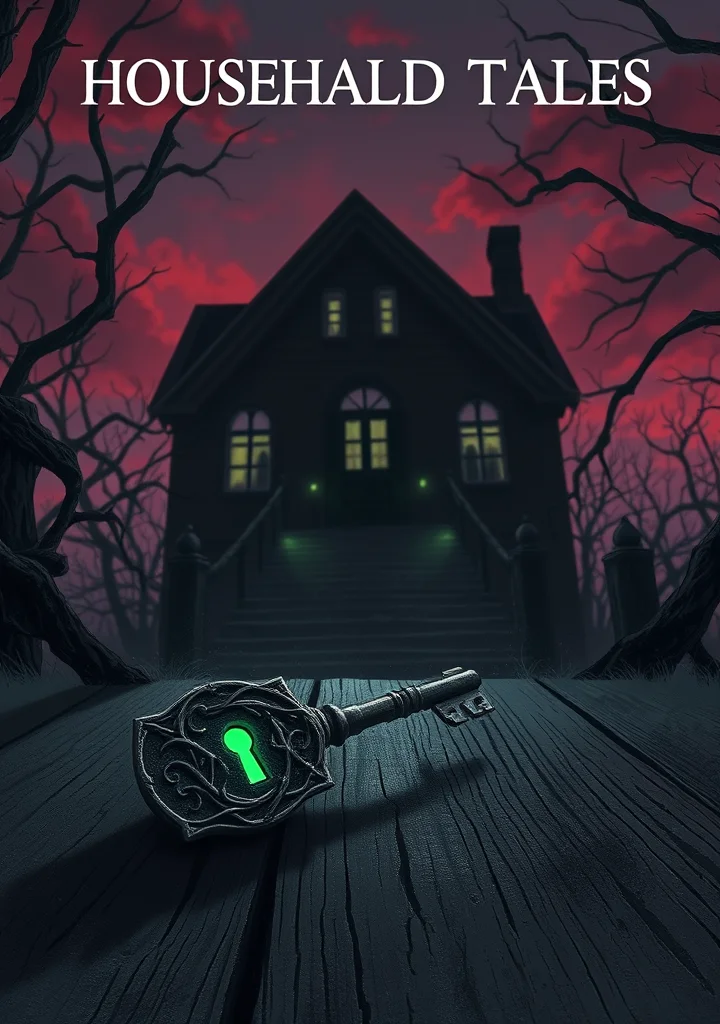
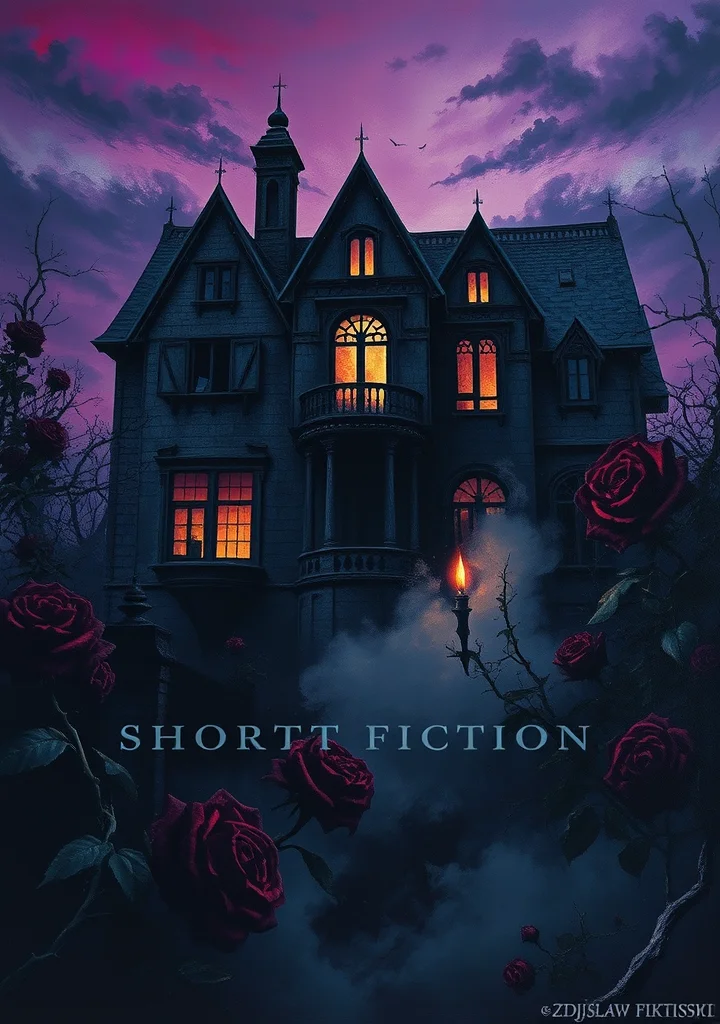
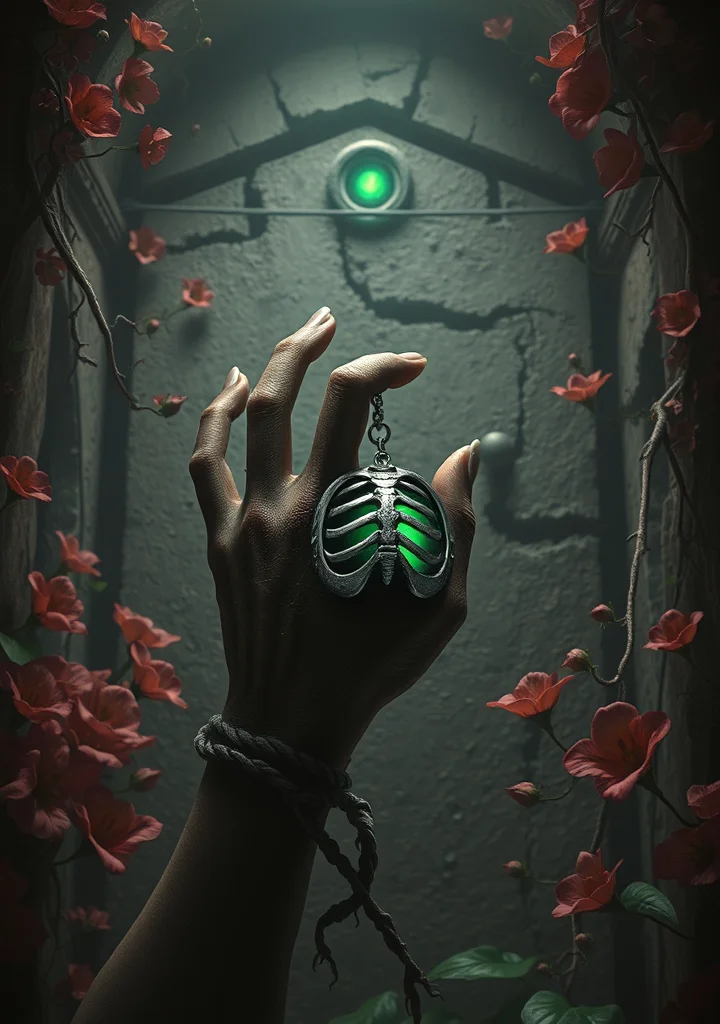
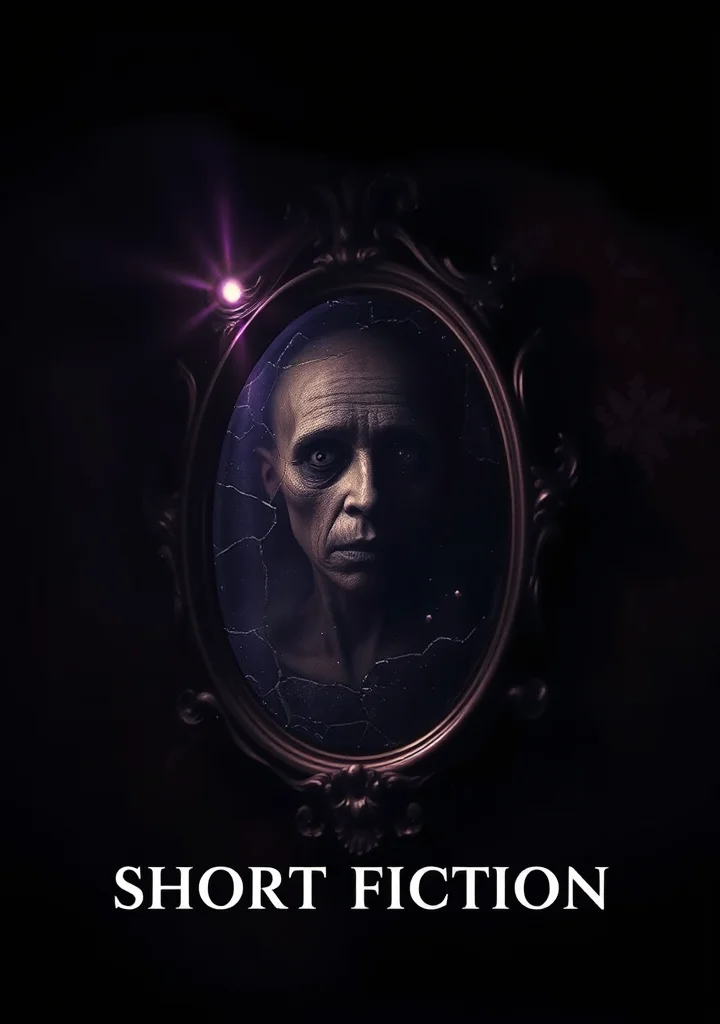
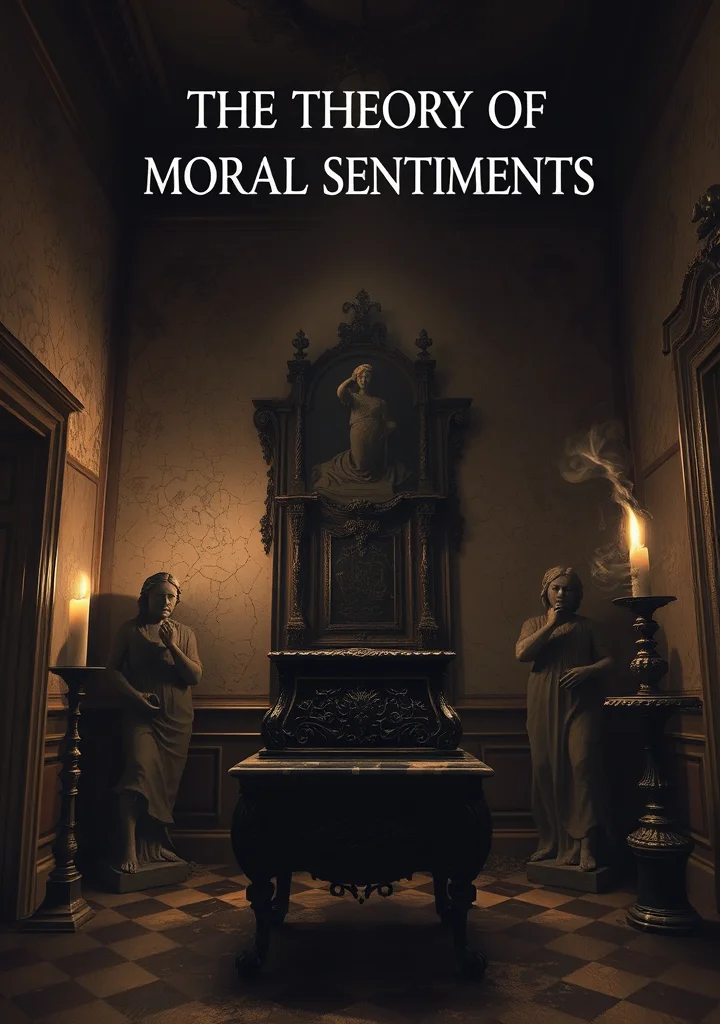
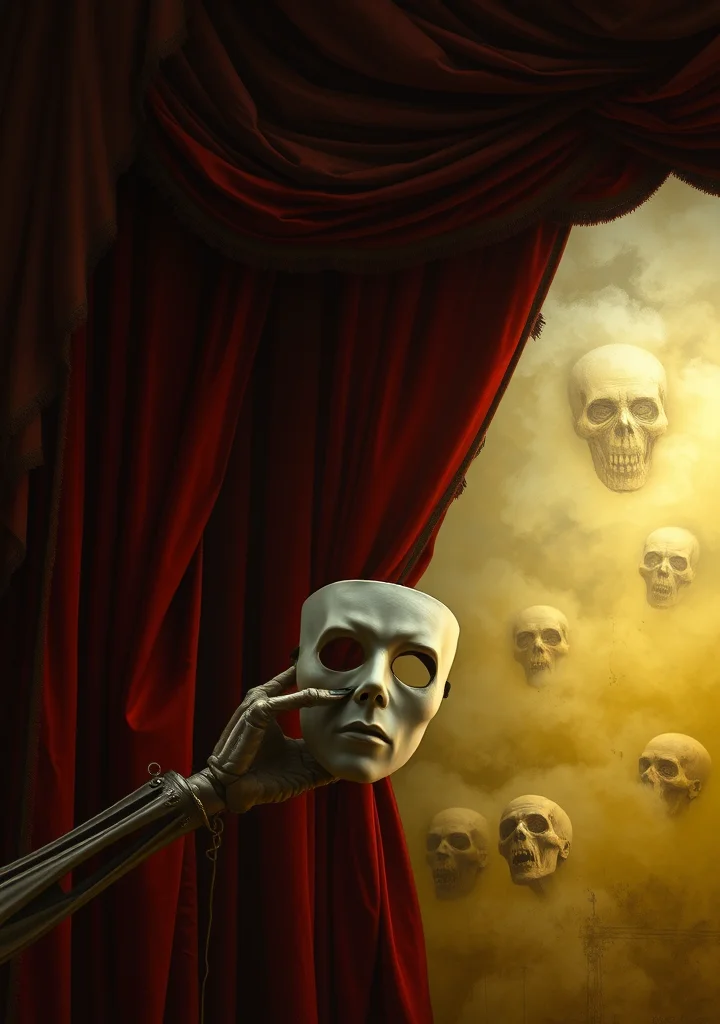
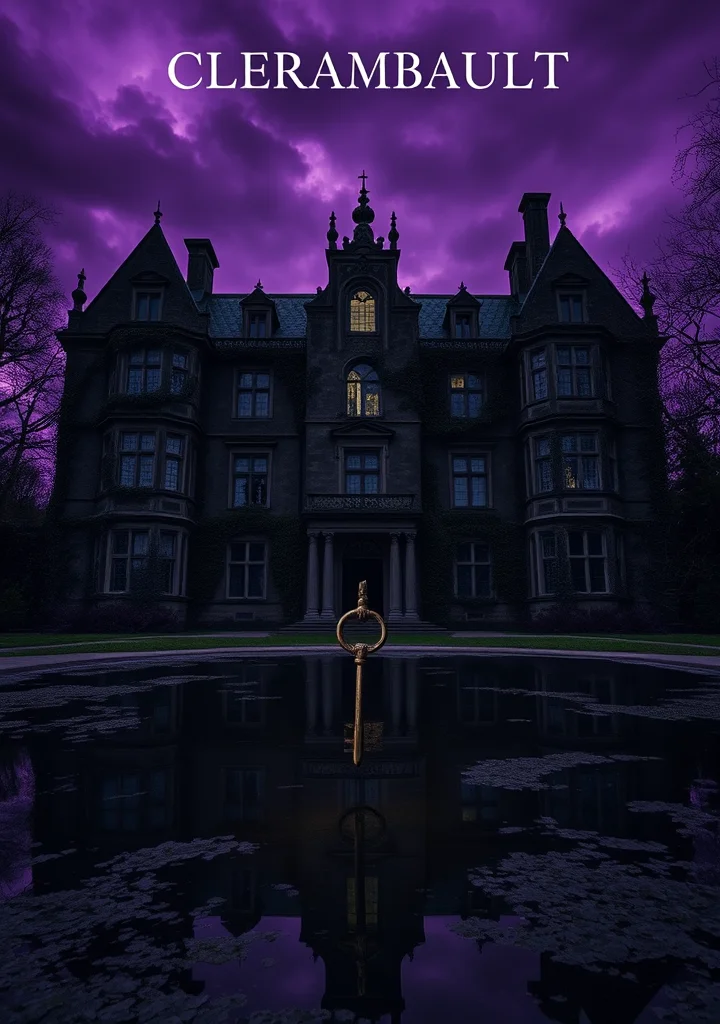
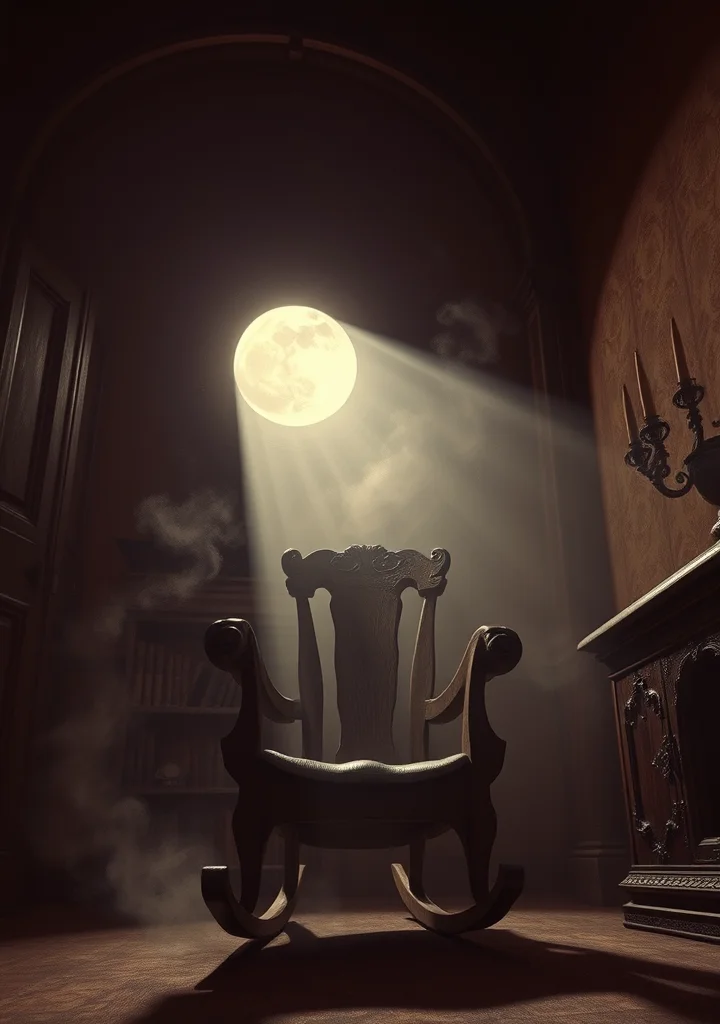
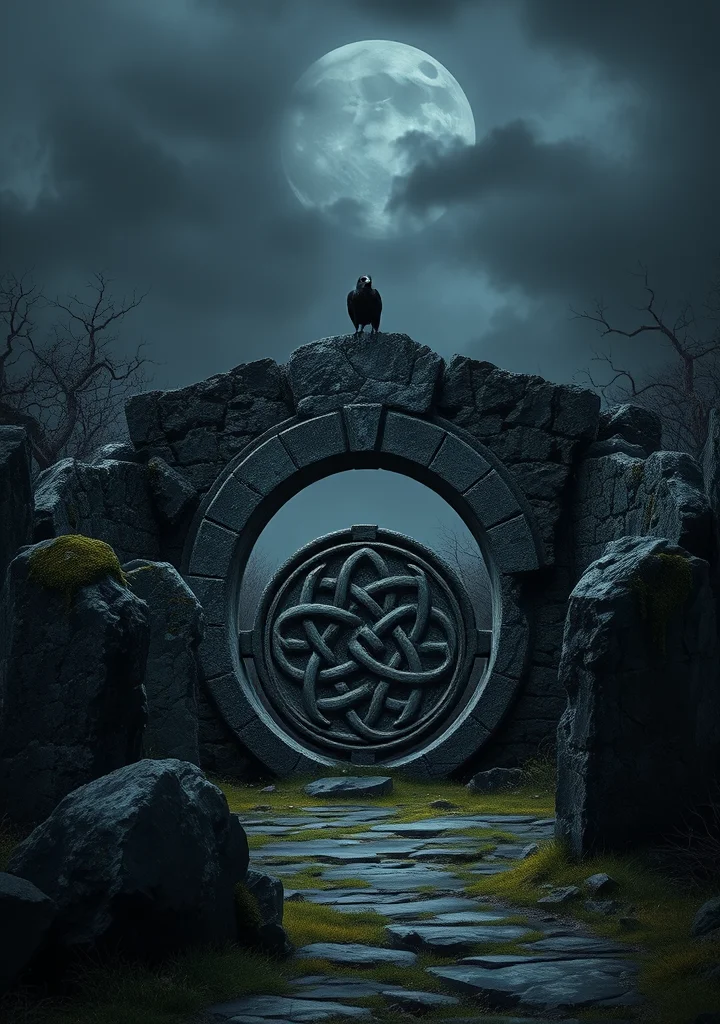
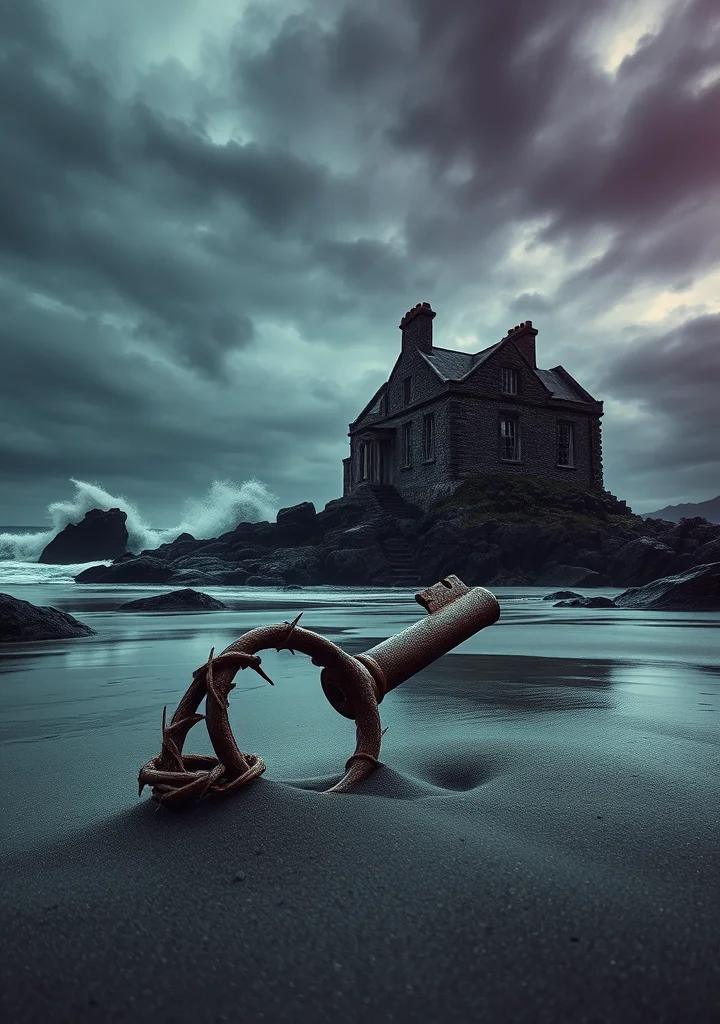
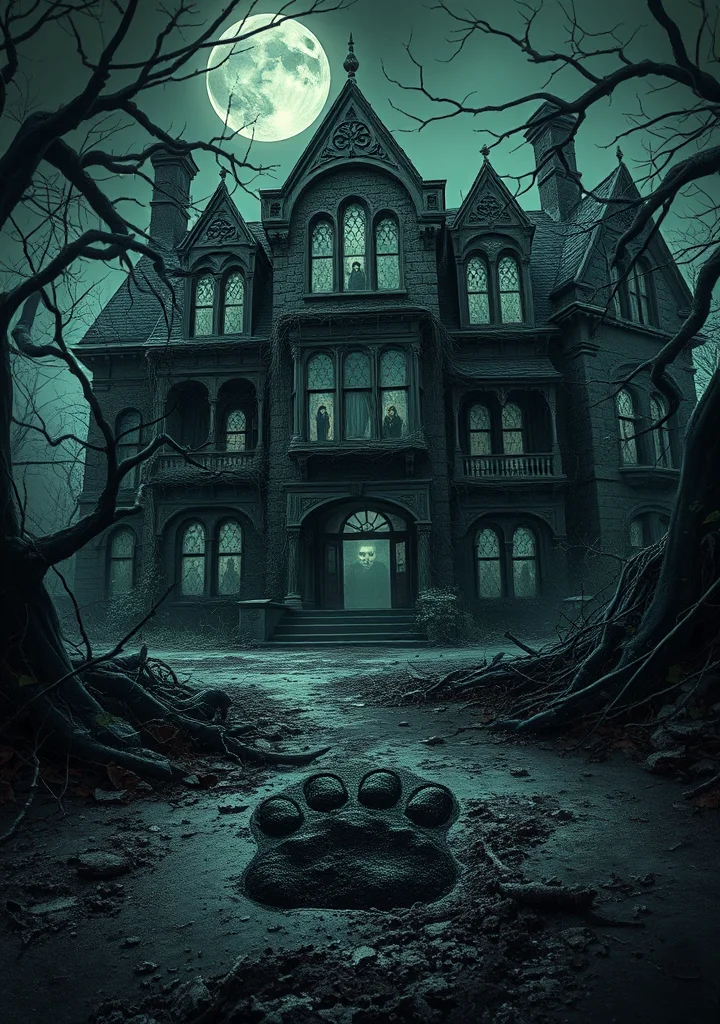
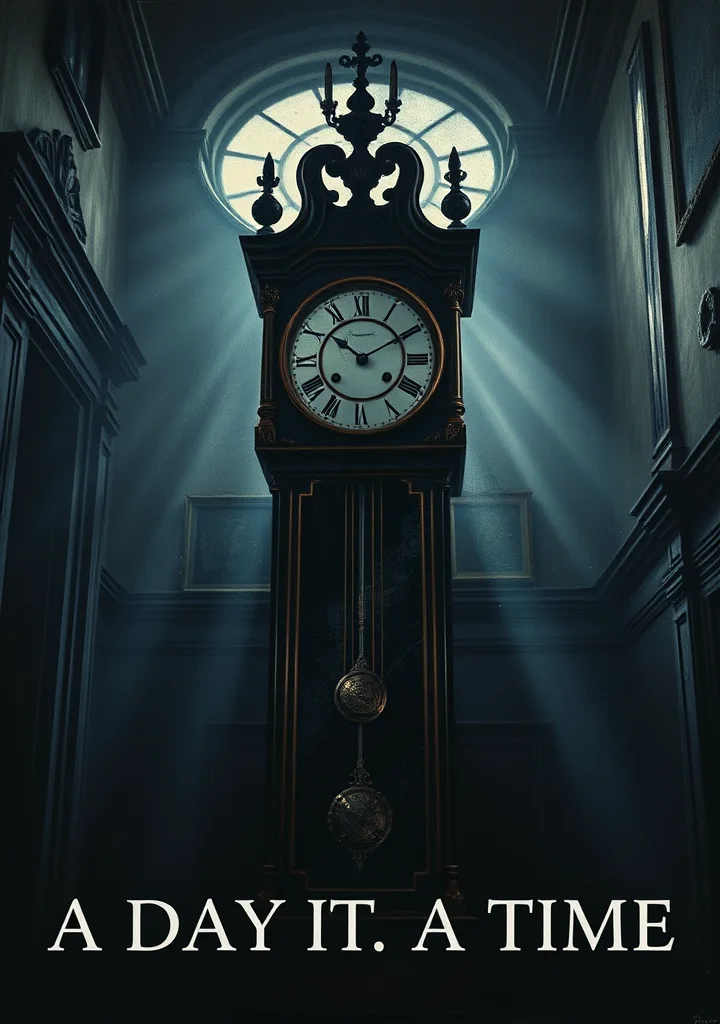
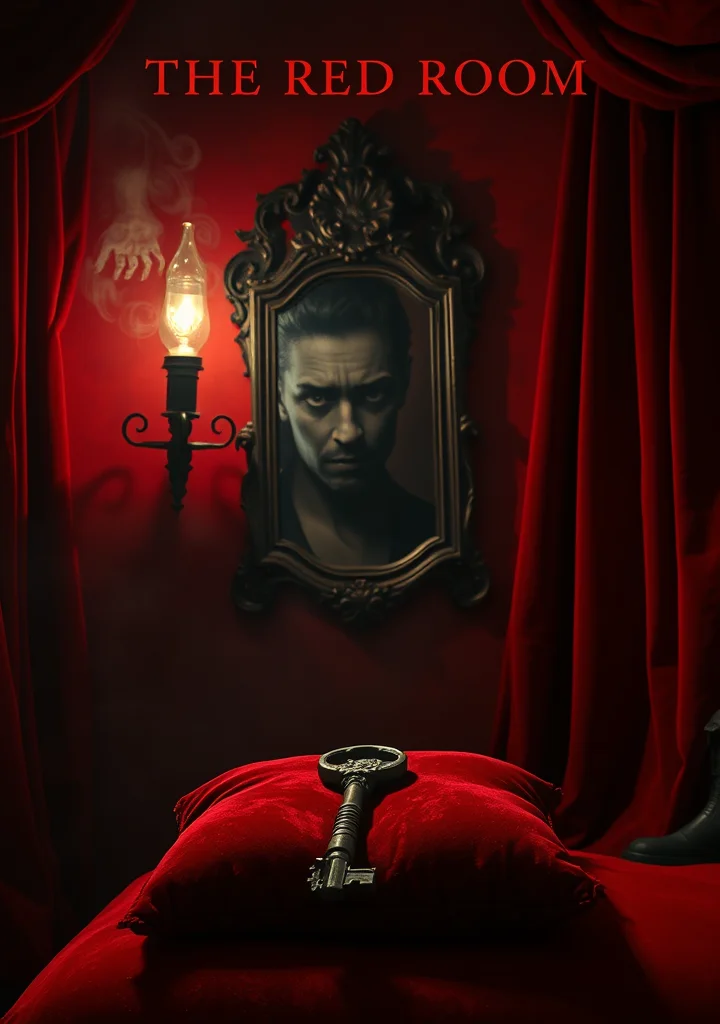
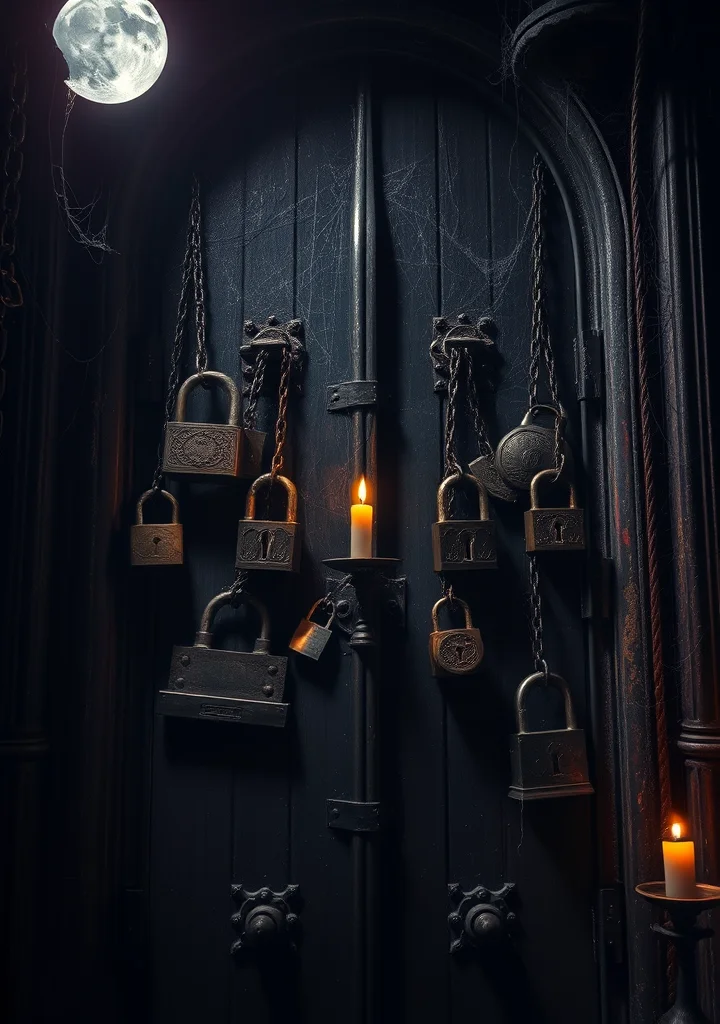
A suffocating dread clings to the shadowed halls of Blackwood Manor, where a legacy of madness and avarice has festered for generations. The air itself tastes of dust and decay, thick with the whispers of fortunes lost and lives extinguished. Within, a single, iron-bound door—sealed with seven locks—holds the key to a truth so monstrous it has driven men to the brink of sanity. Each chamber beyond is a labyrinth of shadowed corridors and forgotten rituals, haunted by the ghosts of those who dared to seek what lies within. A creeping paranoia permeates the narrative, fueled by the chilling elegance of Wallace’s prose. The story unfolds not as a quest for treasure, but as a descent into a suffocating darkness—a meticulously crafted nightmare where the pursuit of wealth unravels the very fabric of reason, and the locks themselves seem to pulse with a malevolent intelligence. The scent of jasmine and rot intertwine with the metallic tang of fear, as each twist of a key brings the protagonist closer to the precipice of his own unraveling. The manor breathes with a life of its own, a decaying organism feeding on desperation and shadowed ambition. It isn't merely a house, but a tomb—and the door isn't just locked, it's *waiting*.
Copyright: Public Domain
This license allows anyone to use your story for any purpose, including printing, selling, or adapting it into a film freely.
This license allows anyone to use your story for any purpose, including printing, selling, or adapting it into a film freely.
Chapter List
-
« The Door with Seven Locks »📖 Continue Reading
-
« Chapter_3 »
-
« The Door with Seven Locks »
-
« I »
-
« II »
-
« III »
-
« IV »
-
« V »
-
« VI »
-
« VII »
-
« VIII »
-
« IX »
-
« X »
-
« XI »
-
« XII »
-
« XIII »
-
« XIV »
-
« XV »
-
« XVI »
-
« XVII »
-
« XVIII »
-
« XIX »
-
« XX »
-
« XXI »
-
« XXII »
-
« XXIII »
-
« XXIV »
-
« XXV »
-
« XXVI »
-
« XXVII »
-
« XXVIII »
-
« XXIX »
-
« XXX »
-
« XXXI »
-
« XXXII »
-
« XXXIII »
36
-
« The Door with Seven Locks »
-
« Chapter_3 »
-
« The Door with Seven Locks »
-
« I »
-
« II »
-
« III »
-
« IV »
-
« V »
-
« VI »
-
« VII »
-
« VIII »
-
« IX »
-
« X »
-
« XI »
-
« XII »
-
« XIII »
-
« XIV »
-
« XV »
-
« XVI »
-
« XVII »
-
« XVIII »
-
« XIX »
-
« XX »
-
« XXI »
-
« XXII »
-
« XXIII »
-
« XXIV »
-
« XXV »
-
« XXVI »
-
« XXVII »
-
« XXVIII »
-
« XXIX »
-
« XXX »
-
« XXXI »
-
« XXXII »
-
« XXXIII »
More like this