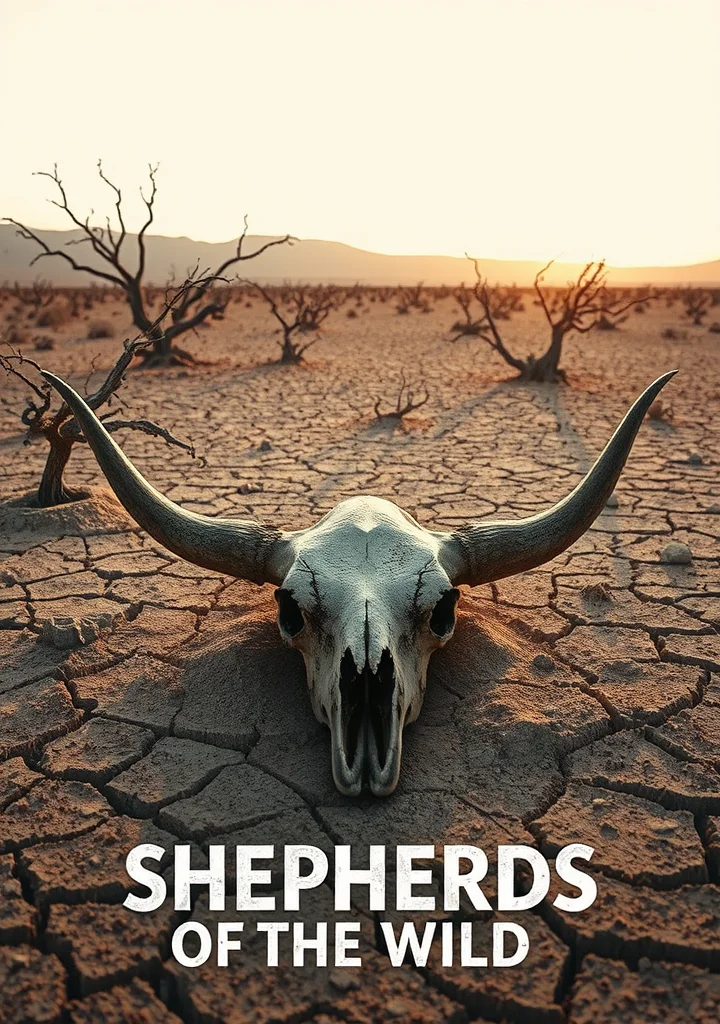

Shepherds of the Wild
  • 173
  • 0
  • 32
  • Reads 173
  • 0
  • Part 32
Completed, First published Mar 02, 2026

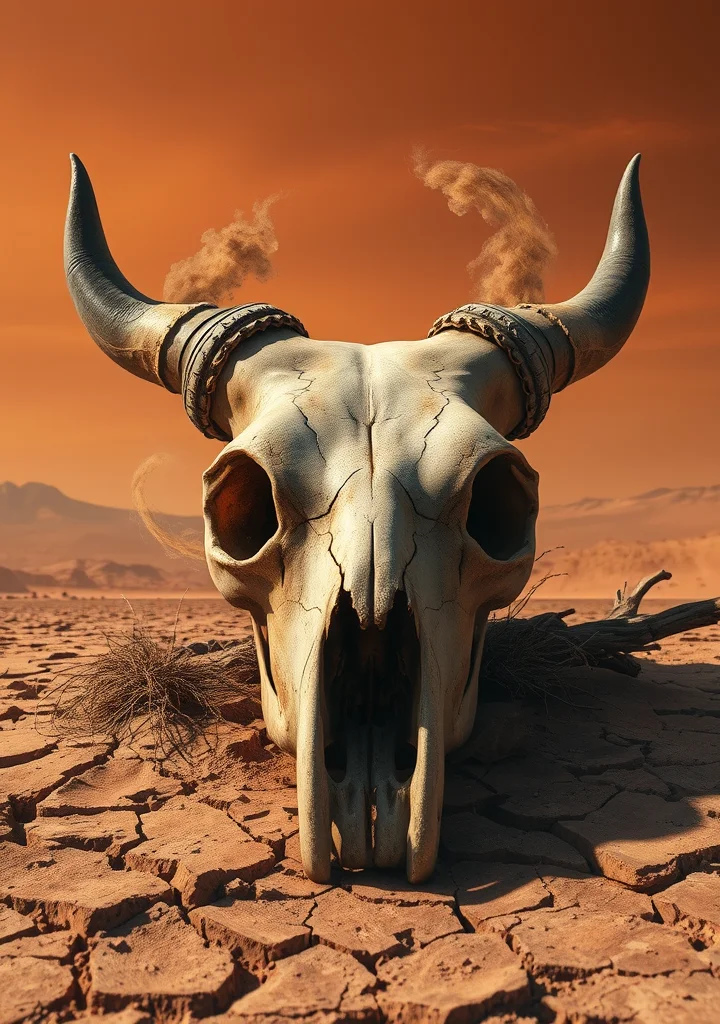
The salt-laced wind howls through skeletal chaparral, mirroring the desperation clawing at the throats of men adrift in a California bleached bone-white by sun and regret. Edison Marshall doesn’t offer cowboys or gunfights, but a creeping dread born of isolation, of land that swallows men whole and spits out their ghosts to wander the canyons. Here, the ranchers—the “shepherds”—are less masters of cattle than wardens of a crumbling dominion, haunted by the specter of Spanish conquest and the whispers of native spirits driven to madness. Dust devils dance with the memories of slaughtered herds, the phantom cries of women lost to the desert’s embrace. The narrative unfolds as a slow bleed of violence, not from quick draws but from the rot within families fractured by ambition and thirst. Every cracked adobe wall breathes with the weight of inherited sins, every shadow cast by a Joshua tree seems to lengthen into the shape of a noose. The land itself is a character—a vast, indifferent god demanding sacrifice. The men who cling to it, driven by a desperate need to build something lasting from dust and decay, are shadowed by the realization that they are building their tombs, not empires. This isn't a tale of the West won, but of the West *consuming*, leaving only hollowed men and the bleached bones of a kingdom built on sand. The air is thick with the scent of sage and the metallic tang of blood, both old and freshly spilled, clinging to the canyons like a shroud.
Copyright: Public Domain
This license allows anyone to use your story for any purpose, including printing, selling, or adapting it into a film freely.
Recommended for you
13 Part
Beneath a canopy of suffocating green, where sunlight splinters into emerald shards and the air hangs thick with the musk of decay and unseen predators, lies a world unbound by civilization’s frail grasp. This is not merely a chronicle of survival, but a descent into the heart of a primal wilderness mirroring the savage instincts within us all. The jungle breathes, a living entity woven with vines that strangle forgotten ruins and the echoing cries of beasts both magnificent and monstrous. Shadows cling to the colossal trees like spectral guardians, obscuring the boundaries between reality and nightmare. A man, stripped bare of his past life, forged anew in the crucible of tooth and claw, becomes something more, something less…a creature of legend. But even as he masters this brutal Eden, a chilling awareness persists—the jungle doesn’t yield its dominion willingly. It tests, it breaks, it consumes. And the whispers of ancient gods, remnants of a forgotten people, linger in the humid air, hinting at a darkness far older than the apes who rule amongst the branches. Every rustle of leaves, every distant roar, carries the weight of untold centuries, a haunting reminder that paradise is built upon bones and stained with the crimson bloom of sacrifice. The very earth seems to pulse with a feverish, untamed energy, threatening to engulf those who dare to trespass within its verdant embrace. A world where beauty is a venomous kiss, and salvation is found not in mercy, but in the cold, calculating gaze of the predator.

48 Part
A chill permeates the very pages, a dampness clinging to the ink like graveyard moss. Melmoth’s story unfolds not as a tale *told*, but as a slow, creeping dread unearthed from beneath crumbling stones. Ireland, perpetually shadowed, breathes with a history of pacts made and souls bartered. The Wanderer, cursed with extended life yet shadowed by a demonic compact, drifts through centuries, a spectral witness to the rot within ambition and the hollowness of salvation. Each encounter is a fragment of decay – a Spanish Inquisition’s fervor, a Prussian’s cold calculation, a monastic cell’s suffocating piety – all echoing the same desperate plea for release. The narrative isn’t linear; it fractures, mirroring Melmoth’s fragmented existence. Letters discovered in forgotten corners, confessions scrawled in feverish script, and the fragmented accounts of those he touches weave a tapestry of moral compromise. Sunlight feels like a violation here, replaced by the flickering glow of decaying candles and the oppressive weight of ancestral portraits. Every doorway promises not refuge, but a further descent into the labyrinth of Melmoth’s despair. It is a land where every act of charity breeds a monstrous debt, where faith offers no solace, and where the only escape from the burden of years is to surrender to the darkness willingly. The air itself is thick with the scent of brine and regret, a constant reminder that even in oblivion, Melmoth remains tethered to a world that has long since abandoned its own soul.